
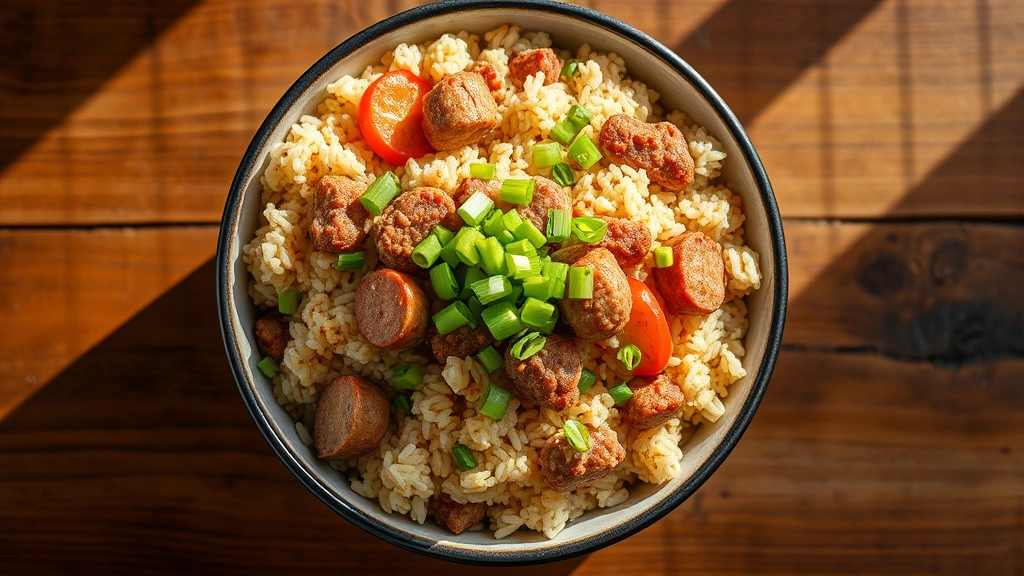
Dirty rice recipes are the heart and soul of Cajun cuisine, bringing authentic Louisiana flavor to your dinner table with minimal fuss. This classic one-pot dish gets its distinctive name from the way the rice becomes speckled with savory meat and vegetables, creating that irresistible “dirty” appearance that’s actually pure comfort in a bowl.
There’s something magical about how dirty rice transforms simple ingredients into something that tastes like you’ve been cooking for hours. The beauty of this dish lies in its versatility and the way it celebrates bold flavors without requiring fancy techniques or hard-to-find ingredients.
Jump To Section
Why This Recipe Works
What makes dirty rice so special is the building of layers of flavor. You start by browning your proteins—whether that’s spicy sausage, ground beef, or chicken—which creates a rich, deep foundation. The rendered fat becomes your cooking medium, infusing everything that comes next with incredible taste.
The holy trinity of Cajun cooking—onions, celery, and bell peppers—gets sautéed until softened and fragrant. This combination, called “mirepoix” in French cuisine, is the backbone of Louisiana cooking. Meanwhile, the rice absorbs all those beautiful flavors as it cooks, becoming tender yet maintaining its texture.
Additionally, the one-pot method means less cleanup and more time enjoying your meal with family. Everything cooks together harmoniously, with the rice soaking up the savory broth and meat juices. This is comfort food that doesn’t apologize for being delicious.
Ingredient Tips & Substitutions
For the best results, use long-grain white rice, which maintains its texture beautifully. However, if you prefer brown rice or jasmine rice, both work wonderfully—just adjust your liquid ratio slightly. The key is using a 2:1 liquid-to-rice ratio for perfectly cooked grains every time.
Spicy andouille sausage is traditional, but you can substitute with smoked sausage, kielbasa, or even ground beef if that’s what you have on hand. For a lighter version, try ground chicken or turkey. The meat provides both texture and richness, so don’t skip it entirely.
The vegetables are flexible too. While the traditional trinity is onions, celery, and bell peppers, you could add diced tomatoes, mushrooms, or green beans. Some cooks add a splash of tomato paste for deeper flavor. The beauty of quick tasty pork recipes applies here—don’t be afraid to adapt based on what’s in your pantry.
For heat level, adjust the cayenne pepper and hot sauce to your preference. Start with less and taste as you go. Some families love their dirty rice fiery, while others prefer a gentler kick.
Building Authentic Cajun Flavor
The secret to authentic dirty rice recipes lies in proper seasoning and technique. Use a combination of garlic powder, onion powder, paprika, cayenne, and black pepper rather than relying on salt alone. This creates complexity and depth that single-note seasoning just can’t achieve.
Toast your rice briefly in the hot oil before adding liquid—this extra step prevents mushiness and adds a subtle nutty flavor. It’s a small action that makes a noticeable difference. The Maillard reaction happening in that pan creates deeper, more complex flavors.
Don’t skip the stock or broth, even though water technically works. Chicken or beef stock transforms this dish from simple to sensational. For instance, beef soup recipes teach us the power of quality stock, and the same principle applies here.
Fresh herbs finish the dish beautifully. Green onions and fresh parsley add brightness and visual appeal. Some cooks add a dash of Worcestershire sauce or hot sauce at the end for extra oomph.
Serving Suggestions
Dirty rice shines as a main dish, but it’s equally wonderful as a side. Serve it alongside fried chicken, catfish, or grilled proteins for an authentic Louisiana meal. The rice’s bold flavors complement rather than compete with other dishes.
Consider pairing it with traditional sides like coleslaw or cornbread for a full Southern experience. A simple green salad with vinaigrette provides a refreshing contrast to the rich, savory rice. For something different, try serving it with creamy mayo pasta salad for a potluck-worthy combination.
Top each serving with a handful of fresh green onions and a sprinkle of parsley. Hot sauce bottles should always be within reach—let everyone customize their heat level. Some families also enjoy adding a fried egg on top for extra richness.
This dish feeds a crowd beautifully, making it perfect for family dinners, game day gatherings, or when you’re feeding unexpected guests. The warm, welcoming nature of dirty rice brings people together.
Storage & Reheating
Leftover dirty rice keeps well in an airtight container in the refrigerator for up to four days. The flavors actually deepen as it sits, so day-two servings might taste even better than the first night. This makes it excellent for meal prep and busy weeknight dinners.
Reheat gently on the stovetop with a splash of water or stock to restore moisture. Alternatively, microwave it in a covered bowl, stirring halfway through. Avoid reheating in a way that dries it out—the goal is fluffy, tender rice.
You can also freeze dirty rice for up to three months. Portion it into freezer bags or containers before freezing. Thaw overnight in the refrigerator, then reheat as desired.
For an interesting twist on leftovers, try transforming potato salad concepts by mixing chilled dirty rice with mayonnaise-based dressing for a unique cold salad. You could also stuff the mixture into bell peppers and bake them for dirty rice-stuffed peppers.
The versatility of this dish means you’re never stuck eating the same thing twice. Repurposing leftovers becomes an opportunity for creativity rather than a chore.
Why Cooks Love This Dish
Professional chefs and home cooks alike adore dirty rice recipes because they deliver restaurant-quality results without the restaurant-level complexity. Everything happens in one pot, from browning the meat to finishing the rice. This efficiency is part of what makes Cajun cooking so beloved.
The flavor profile—savory, slightly spicy, deeply satisfying—appeals to virtually everyone. Whether you’re cooking for adventurous eaters or picky family members, dirty rice tends to win people over. It’s approachable comfort food with soul.
Beyond taste, there’s something deeply satisfying about cooking a traditional dish that connects you to Louisiana’s rich culinary heritage. You’re participating in a cooking tradition that spans generations and cultures. According to Serious Eats, understanding the history behind our food makes cooking it more meaningful.
For those interested in exploring similar one-pot dishes, easy Tuscan chicken pasta offers another satisfying approach to combining proteins, aromatics, and starches. Meanwhile, lemon rice soup shows how rice-based dishes can take many delicious forms.
The true joy of cooking dirty rice recipes comes from knowing you’re creating something memorable. Your kitchen will smell incredible, and your table will fill with happy eaters. That’s the real reward—not just the food itself, but the connection it creates.
Start with a basic recipe, then experiment with your own variations. Add your favorite vegetables, adjust the spice level, try different proteins. This is a dish that welcomes creativity and rewards experimentation. Your version might become a family legend passed down for years to come.
Ingredients
- 2 tablespoons vegetable oil
- 1 pound spicy andouille sausage, diced
- 1 medium onion, finely diced
- 2 celery stalks, finely diced
- 1 medium bell pepper, finely diced
- 3 cloves garlic, minced
- 2 cups long-grain white rice
- 4 cups chicken or beef stock
- 1 teaspoon paprika
- 1 teaspoon garlic powder
- 1 teaspoon onion powder
- ½ teaspoon cayenne pepper
- ½ teaspoon black pepper
- ½ teaspoon salt (adjust to taste)
- 2 tablespoons tomato paste
- 2 bay leaves
- ½ cup diced tomatoes (optional)
- ½ cup frozen peas (optional)
- ¼ cup fresh green onions, chopped
- 2 tablespoons fresh parsley, chopped
- Hot sauce for serving (optional)
Instructions
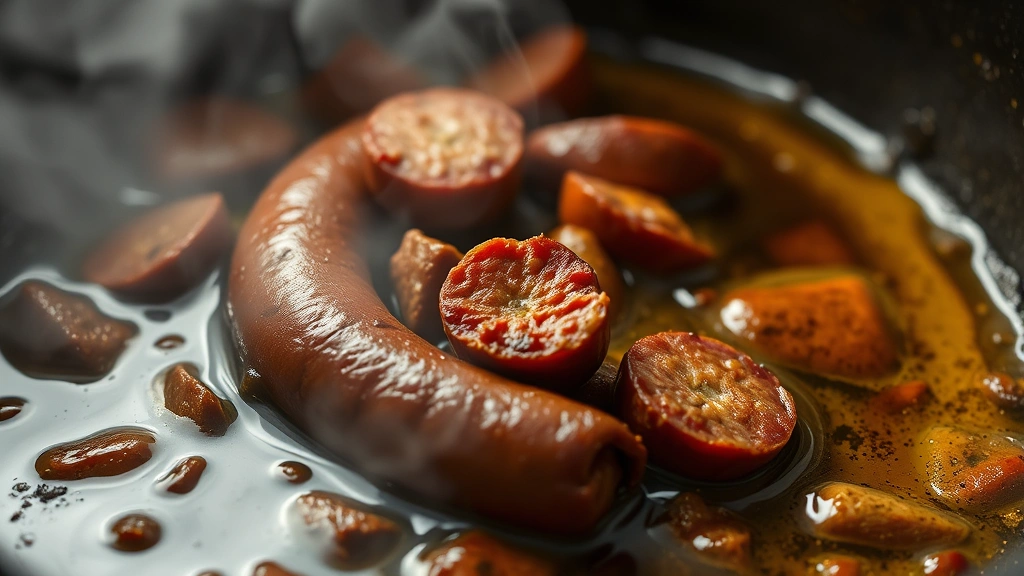
- Heat the vegetable oil in a large heavy-bottomed pot or Dutch oven over medium-high heat. Once shimmering, add the diced andouille sausage and cook for 5-7 minutes, stirring occasionally, until the sausage is browned and has released its flavorful oils. This step builds the foundation of your dish with rich, savory depth.
- Add the diced onion, celery, and bell pepper to the pot with the cooked sausage. Stir well to combine and cook for 5-6 minutes until the vegetables begin to soften and release their aromatics. You’ll notice the kitchen smelling absolutely incredible at this point.
- Stir in the minced garlic and cook for another minute until fragrant, being careful not to burn it. Add the tomato paste and stir to coat all the vegetables, cooking for 1-2 minutes to develop its deep, concentrated flavor.
- Add the rice to the pot and stir constantly for 2-3 minutes. This toasting step prevents the rice from becoming mushy and adds a subtle nutty flavor. Every grain should be coated with oil and starting to turn slightly golden.
- Pour in the stock slowly while stirring, then add the paprika, garlic powder, onion powder, cayenne pepper, black pepper, salt, and bay leaves. Stir well to distribute the seasonings evenly throughout the pot.
- Bring the mixture to a boil over medium-high heat, stirring occasionally. Once it reaches a rolling boil, reduce the heat to low, cover the pot with a lid, and let it simmer undisturbed for 18-20 minutes until the rice is tender and the liquid is absorbed.
- Remove from heat and let sit covered for 5 minutes. This resting period allows the rice to finish cooking gently with residual heat. Fluff the rice with a fork, breaking up any clumps.
- Stir in the chopped green onions and fresh parsley. Taste and adjust seasonings as needed, adding more salt, pepper, or cayenne to suit your preferences. Remove and discard the bay leaves.
- Serve hot in bowls or on plates, garnished with additional green onions and parsley. Provide hot sauce bottles on the table so everyone can customize their heat level. Enjoy this authentic taste of Louisiana comfort.
Pro Tips
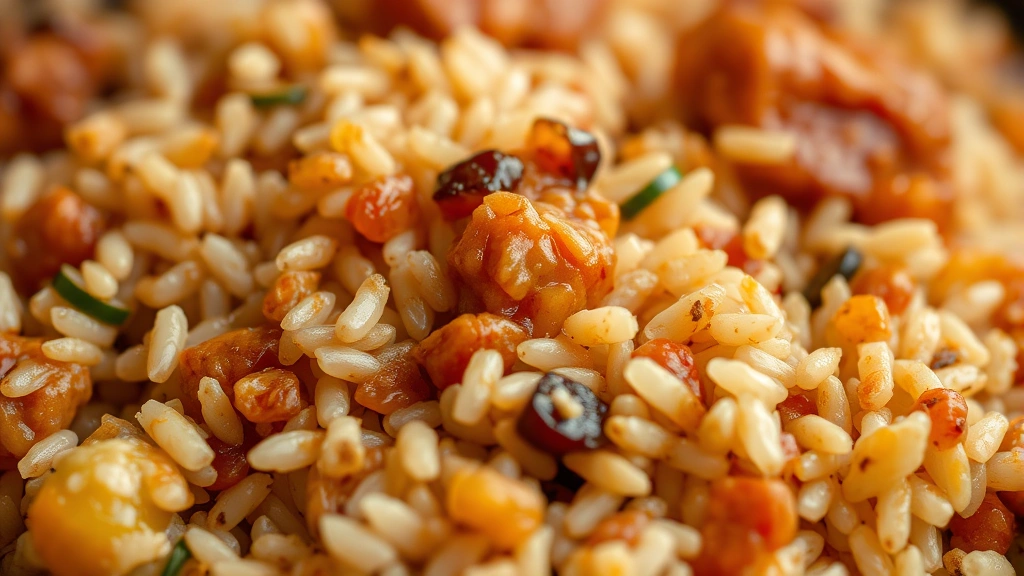
Storage and make-ahead tips will make your life easier. Dirty rice keeps beautifully in the refrigerator for up to four days in an airtight container. The flavors actually mellow and blend together nicely over time, so leftovers often taste even better the next day.
When reheating, add a splash of stock or water to restore moisture, then warm gently on the stovetop over medium heat or in the microwave. Avoid high heat, which can dry out the rice. Stir occasionally for even heating.
Freezing works wonderfully too. Cool the rice completely, then portion it into freezer-safe containers or bags. Frozen dirty rice keeps for up to three months. Thaw overnight in the refrigerator before reheating.
For ingredient substitutions, feel free to use ground beef, ground chicken, or ground turkey instead of sausage. The cooking time remains the same, though ground meats may render less fat—add a bit more oil if needed. Smoked sausage is a milder alternative if your family prefers less spice.
Brown rice and jasmine rice both work as substitutes for white rice. Keep the 2:1 liquid-to-rice ratio, but brown rice needs an extra 10 minutes of cooking time. Jasmine rice cooks the same as white rice but imparts a subtle floral note.
Vegetable additions are completely flexible based on preference. Diced tomatoes add brightness, frozen peas contribute sweetness, mushrooms add earthiness, and green beans provide texture. Add vegetables with the aromatics so they have time to soften.
For heat control, start with ½ teaspoon cayenne and taste before serving. You can always add more hot sauce at the table, but you can’t remove heat. Some families use white pepper instead of black for a milder bite.
The quality of your stock matters significantly. Homemade stock creates richer flavor, but good-quality store-bought brands work perfectly fine. Avoid low-sodium varieties, as the seasoning balance relies on properly salted stock.
Fresh herbs make a noticeable difference in the final dish. While dried parsley works in a pinch, fresh herbs brighten the flavors considerably. Keep them on hand or grow them in a kitchen windowsill for easy access.