
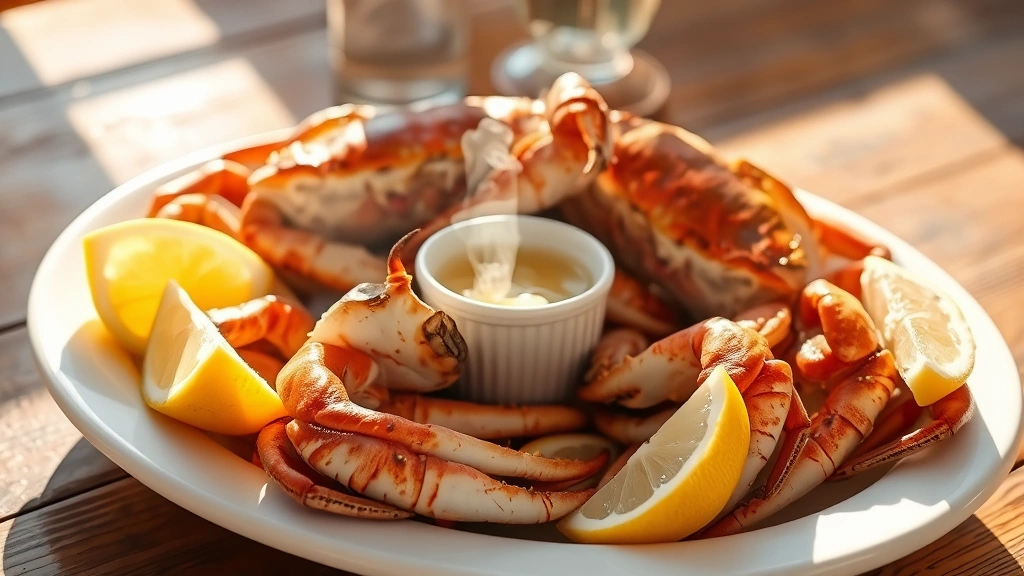
Dungeness crab recipes are truly something special—there’s just nothing quite like the sweet, delicate meat of fresh crab prepared with care and intention. Whether you’re planning a fancy dinner party or simply craving seafood that tastes like the coast, these ten best ways to cook fresh crab will transform your kitchen into a restaurant-worthy experience.
I grew up watching my grandmother crack open whole crabs at our family table, and honestly, that’s when I fell in love with cooking seafood. There’s something magical about the ritual of it all—the aroma, the anticipation, the tender meat waiting inside. Fresh Dungeness crab deserves respect and simplicity, though it’s equally delicious dressed up in elegant preparations.
Jump To Section
Why Fresh Dungeness Crab Deserves Your Attention
Dungeness crab is incredibly versatile, which is why these dungeness crab recipes work for every occasion imaginable. The meat has a naturally sweet flavor profile that needs minimal seasoning—just butter, lemon, and maybe a pinch of salt can be absolutely perfect. However, it also plays beautifully with Asian flavors, Mediterranean herbs, and creamy sauces.
The best part? Cooking with fresh crab isn’t nearly as intimidating as people think. Sure, you need to know a few basics, but once you master the fundamentals, you’ll be creating restaurant-quality meals at home. From simple boiled crab to sophisticated crab cakes and elegant pasta dishes, the possibilities are genuinely endless.
Selecting and Preparing Your Fresh Dungeness Crab
Start by choosing live crabs that feel heavy for their size and have their legs intact. Fresh crab should smell like the ocean—clean and briny—never fishy or ammonia-scented. If you’re buying already-cooked crab, look for bright color and firm meat that springs back when pressed.
Before cooking, rinse your crabs under cold running water and gently brush them clean. If you’re cooking live crab, many chefs recommend chilling them in the freezer for 15 minutes first—this makes the process more humane. Additionally, some people prefer to split the crab in half lengthwise before cooking, which speeds up the cooking time significantly.
Storage matters too. Keep live crabs in the coldest part of your refrigerator (ideally around 32-40°F) with damp seaweed or newspaper, and cook them within a day or two. Cooked crab meat should be refrigerated and used within three to four days for best quality.
Classic Preparation Methods for Crab Meat
Boiling is the most traditional method, and it’s absolutely foolproof if you follow these guidelines. Fill a large pot with salted water (about 1/4 cup salt per gallon of water) and bring it to a rolling boil. Gently place your crabs into the water and cover; they’ll cook in about 18-20 minutes for live crabs, depending on size.
Steaming is another fantastic option that some cooks prefer because it’s gentler on the meat. Set up a steamer basket in a large pot with about 2 inches of water, add your aromatics (bay leaves, peppercorns, vinegar), and steam for about 20-25 minutes. The meat tends to be slightly sweeter and more tender with this method.
For a more elegant presentation, try grilling halved crabs with butter and herbs. Brush the meat side with melted butter, season with garlic, parsley, and a squeeze of lemon, then grill flesh-side down for 4-5 minutes until heated through and lightly charred. The result is absolutely gorgeous and tastes incredible.
Ten Amazing Ways to Use Your Fresh Crab
Number one: Keep it simple with whole boiled crab cracked at the table with melted butter and lemon. This showcases the meat’s natural sweetness without any competing flavors. Serve with crusty bread and a crisp white wine—pure perfection.
Number two: Make elegant creamy bisque soup using the crab shells and meat for incredible depth of flavor. The richness of the cream and the sweetness of the crab create a luxurious first course or light dinner.
Number three: Create pan-seared crab cakes that are crispy outside and tender inside. Mix crab meat with breadcrumbs, mayo, mustard, and seasonings, form into patties, and pan-fry until golden. Serve with a fresh salad for a complete meal.
Number four: Toss crab meat with pasta and garlic butter for an impressive dinner that comes together in minutes. Try shrimp fettuccine as inspiration and substitute your beautiful crab meat instead. Finish with fresh parsley and a sprinkle of lemon zest.
Number five: Build a stunning fresh crab salad with avocado, citrus, and crispy greens. The contrast of textures and flavors makes this both elegant and satisfying.
Number six: Make Asian-inspired preparations with ginger, scallions, and soy sauce for something totally different. Think stir-fried crab with vegetables, or crab pad thai-style noodles for a fun fusion approach.
Number seven: Stuff whole mushroom caps or avocado halves with seasoned crab meat and bake until warm. These make gorgeous appetizers or a light lunch option.
Number eight: Create a luxurious pasta salad with fresh herbs, vegetables, and a light vinaigrette for entertaining or meal prep. The cold preparation keeps everything fresh and bright.
Number nine: Make crab-stuffed ravioli or wonton wrappers for an impressive homemade pasta dish. The delicate wrappers highlight the tender crab meat beautifully.
Number ten: Simply layer fresh crab meat on toasted bread with butter, lemon, and fresh herbs for an elevated open-faced sandwich. Sometimes the simplest preparations are the most memorable.
Ingredient Tips & Flavor Combinations
Fresh crab pairs beautifully with bright, acidic ingredients like lemon, lime, and white wine vinegar. These flavors cut through the richness of the meat and enhance its natural sweetness. Butter is the classic companion, but don’t shy away from olive oil, especially for Mediterranean-inspired dishes.
Aromatics like garlic, shallots, and fresh herbs (parsley, chives, tarragon, and dill) all complement crab wonderfully. Old Bay seasoning is traditional and delicious, but you can also create your own spice blends with smoked paprika, cayenne, and black pepper for depth. Experiment with Asian flavors too—ginger, sesame oil, and soy sauce create an entirely different but equally delicious profile.
When it comes to cream-based sauces, be judicious with the amount so the crab flavor remains the star. A light béchamel or velouté is perfect, while heavier cream sauces can overwhelm the delicate meat. Additionally, consider the other components of your dish—rich sauces work better when paired with lighter vegetables or grains.
Storage, Make-Ahead Tips & Reheating
Live crabs should be cooked within one to two days of purchase for best results. If you’ve already cooked your crab, the meat will keep refrigerated for three to four days in an airtight container. For longer storage, freeze cooked crab meat in freezer bags for up to three months.
Many crab recipes can be prepped ahead—make your crab cakes the day before and refrigerate until ready to cook. Salads with crab can be assembled a few hours ahead, though it’s best to dress them just before serving. Soups and bisques actually improve when made a day or two ahead, allowing flavors to meld beautifully.
When reheating cooked crab meat, be gentle to avoid drying it out. Warm it slowly in a low oven with a bit of butter, or gently heat in a warm sauce. For pasta dishes, add the crab meat toward the end of cooking. Avoid microwaving if possible, as it tends to dry out the delicate meat.
These dungeness crab recipes celebrate what makes this seafood so special—the sweet, tender meat that needs little more than good technique and quality ingredients. Whether you’re cooking for two or entertaining a crowd, fresh crab will always feel like a celebration on the plate. Start with your favorite preparation, master it, then branch out and explore the endless possibilities.
Ingredients
- 2 live Dungeness crabs (about 1.5-2 pounds each)
- 6 tablespoons unsalted butter
- 3 cloves garlic, minced
- 2 tablespoons fresh lemon juice
- 1/4 cup fresh parsley, chopped
- 2 tablespoons fresh chives, minced
- Sea salt and freshly ground black pepper to taste
- 1/4 teaspoon red pepper flakes (optional)
- 2 bay leaves
- 1 tablespoon Old Bay seasoning
- Lemon wedges for serving
Instructions
- Fill a large pot with water and add 1/4 cup salt and 2 bay leaves; bring to a rolling boil over high heat.
- Gently place your live crabs into the boiling water—they’ll cook evenly and quickly.
- Cover the pot and return water to boil; cooking time is approximately 18-20 minutes depending on crab size.
- Meanwhile, melt butter in a small saucepan over medium heat and add minced garlic, cooking for about 1-2 minutes until fragrant.
- Add lemon juice, parsley, chives, and red pepper flakes to the garlic butter; stir and keep warm on low heat.
- When crabs are cooked, they’ll turn bright red-orange; carefully remove them with tongs and place on a cutting board to cool slightly.
- Once cool enough to handle, place each crab on its back and locate the triangular flap on the underside.
- Lift and remove the triangular flap, then remove the top shell by inserting your fingers where the flap was and gently prying upward.
- Remove the gray feathery gills (these are inedible) and discard any green tomalley if desired.
- Rinse the crab body under cool running water to remove any remaining debris.
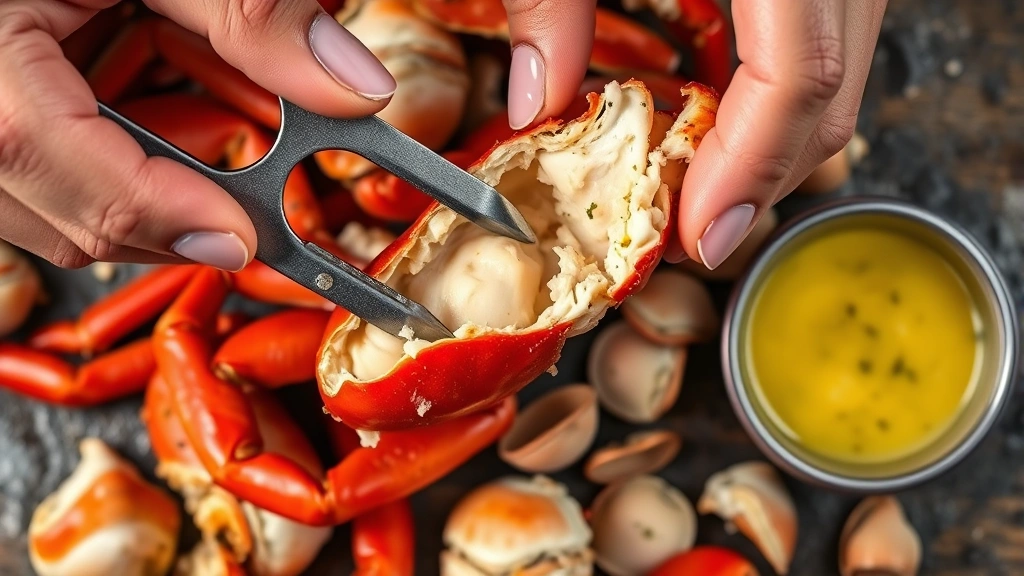
- Using a crab cracker or small mallet, crack the legs and claws to access the meat inside.
- Arrange cracked crab pieces on a serving platter with the body sections broken into quarters.
- Drizzle the warm garlic butter sauce over the crab meat and serve immediately with fresh lemon wedges and crusty bread.
Pro Tips
Buying and handling your crab properly makes all the difference in the final result. Live crabs should feel heavy and active, with a fresh ocean smell—never ammonia or fishy odors. If you’re uncomfortable cooking live crab, ask your fishmonger to stun or kill it humanely beforehand; many markets offer this service.
The cooking time can vary slightly based on crab size and your equipment. Very large crabs (over 2 pounds) may need an additional 2-3 minutes. To ensure even cooking, make sure your water is at a full rolling boil before adding the crabs, and don’t crowd the pot—cook in batches if necessary.
For a steaming method instead, set up a steamer basket in a large pot with about 2 inches of water. Add aromatics like bay leaves, peppercorns, and vinegar, then arrange crabs on the steamer. Cover and steam for 20-25 minutes. Many chefs prefer this method because it produces slightly sweeter, more tender meat.
The garlic butter sauce is infinitely customizable—try adding fresh tarragon, dill, or Old Bay seasoning for different flavor profiles. For Asian-inspired preparation, substitute the butter sauce with a combination of ginger, scallions, soy sauce, and sesame oil. The crab meat is versatile enough to shine with virtually any flavor combination you prefer.
Storage is simple: cooked crab meat keeps refrigerated in an airtight container for three to four days. Freeze leftover meat in freezer-safe bags for up to three months. When reheating, warm gently in a low oven with a bit of butter to prevent drying out.
Pro tip: Save those shells! They make incredible stock for seafood soups, bisques, and sauces. Simply simmer shells with aromatics and water for 30-45 minutes, then strain. The resulting stock captures all the sweet crab flavor and is perfect for elevating your seafood dishes even further.