
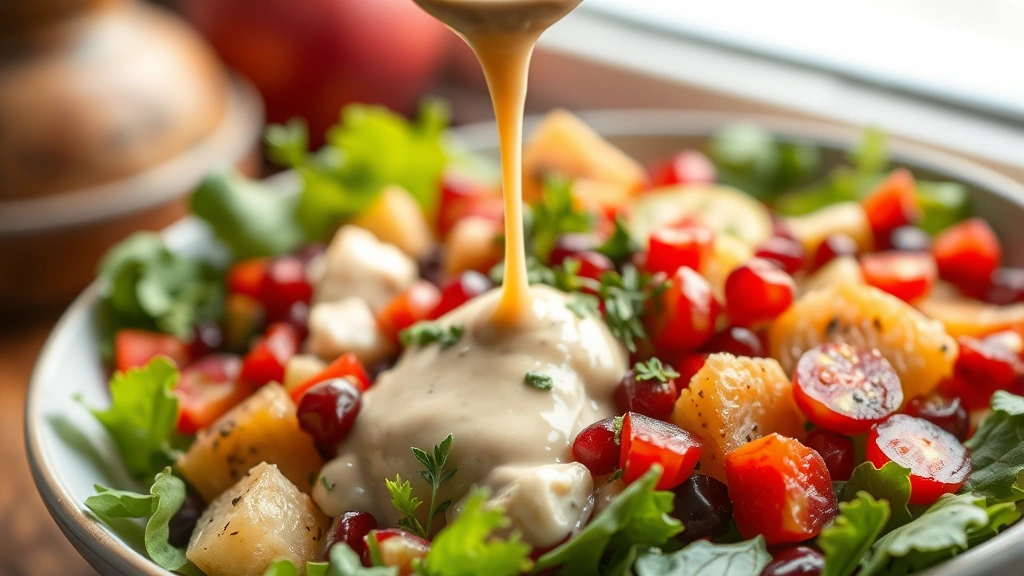
Tahini dressing is the secret weapon that transforms simple salads, grain bowls, and roasted vegetables into restaurant-quality meals. This creamy, nutty condiment comes together in just minutes with pantry staples you probably already have on hand. Whether you’re drizzling it over a crisp Mediterranean salad or using it as a dip for fresh vegetables, homemade tahini dressing beats store-bought versions every single time.
I’ve been making tahini dressing for years, and I’ve finally perfected the ratio of tahini to lemon juice to garlic that creates that perfect balance of tangy, nutty, and garlicky flavors. The key to the best tahini dressing is understanding how to thin it properly—too thick and it’s more like a paste, too thin and it loses its richness. Once you master this simple technique, you’ll find yourself drizzling it on everything from Mediterranean salads to roasted cauliflower.
What makes this recipe truly special is the careful balance of acid and richness. The lemon juice not only adds brightness but also helps emulsify the tahini, creating that silky texture we all crave. I like to use freshly squeezed lemon juice rather than bottled—it makes a noticeable difference in flavor. The garlic should be minced very finely or use a garlic press to ensure it distributes evenly throughout the dressing.
This tahini dressing works beautifully as a salad dressing for fattoush salad or drizzled over roasted chickpeas. You can also use it as a sauce for grain bowls, a dip for fresh pita bread, or even a condiment for grilled fish and chicken. The versatility of this recipe is what keeps me coming back to it week after week. Once you learn how to make it, you’ll understand why it’s a staple in Mediterranean and Middle Eastern cuisine.
Ingredients
- 1/2 cup tahini (sesame paste)
- 1/4 cup freshly squeezed lemon juice
- 3 cloves garlic, minced
- 1/4 cup warm water (plus more as needed)
- 1/2 teaspoon kosher salt
- 1/4 teaspoon black pepper
- 1/4 teaspoon ground cumin (optional but recommended)
- 2 tablespoons extra virgin olive oil
- 1 tablespoon apple cider vinegar or white wine vinegar
- Pinch of cayenne pepper (optional, for a slight kick)
Instructions
- Add the minced garlic to a small bowl and sprinkle with a pinch of salt. Let it sit for 1 minute to allow the flavors to mellow slightly.
- Add the tahini to the bowl with the garlic. Stir well to combine, making sure the garlic is evenly distributed throughout the tahini.
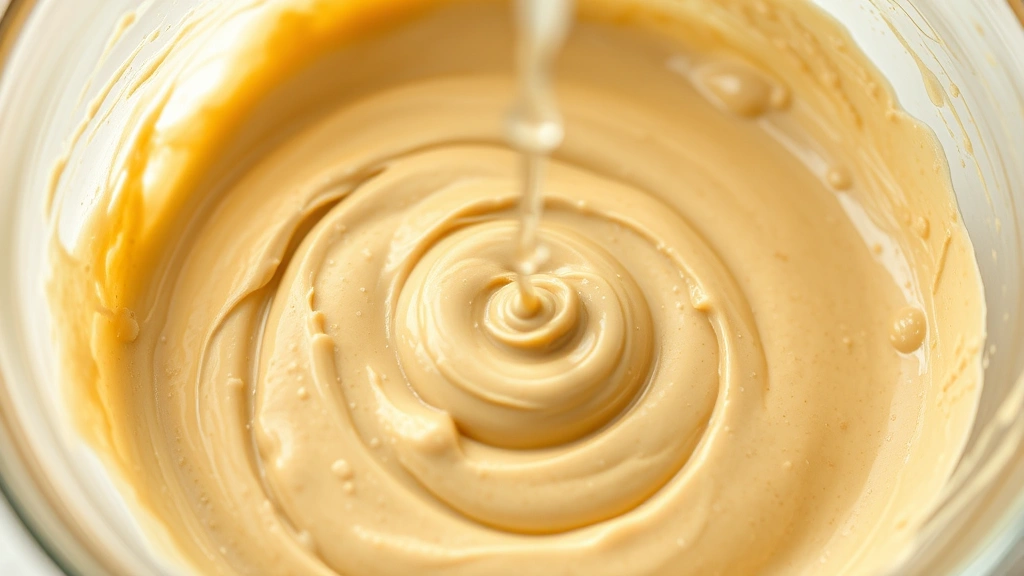
- Pour in the lemon juice slowly while stirring constantly. The mixture will initially seize up and look curdled—this is completely normal and exactly what should happen.
- Once all the lemon juice is incorporated and the mixture looks thick and pasty, begin adding the warm water one tablespoon at a time while stirring vigorously.
- Continue adding water and stirring until the dressing reaches a pourable consistency that coats the back of a spoon but still flows easily from a spoon.
- Stir in the salt, black pepper, and cumin if using. Taste and adjust seasonings as needed—you may want more lemon juice for brightness or more salt for depth.
- Drizzle in the olive oil while stirring to incorporate it fully into the dressing.
- Add the vinegar and stir to combine. This adds extra tang and helps balance the richness of the tahini.
- Add the cayenne pepper if desired for a subtle heat that complements the nutty tahini flavors.
- Taste one final time and adjust any seasonings. If the dressing is too thick, thin with a little more warm water. If it’s too thin, whisk in a bit more tahini.
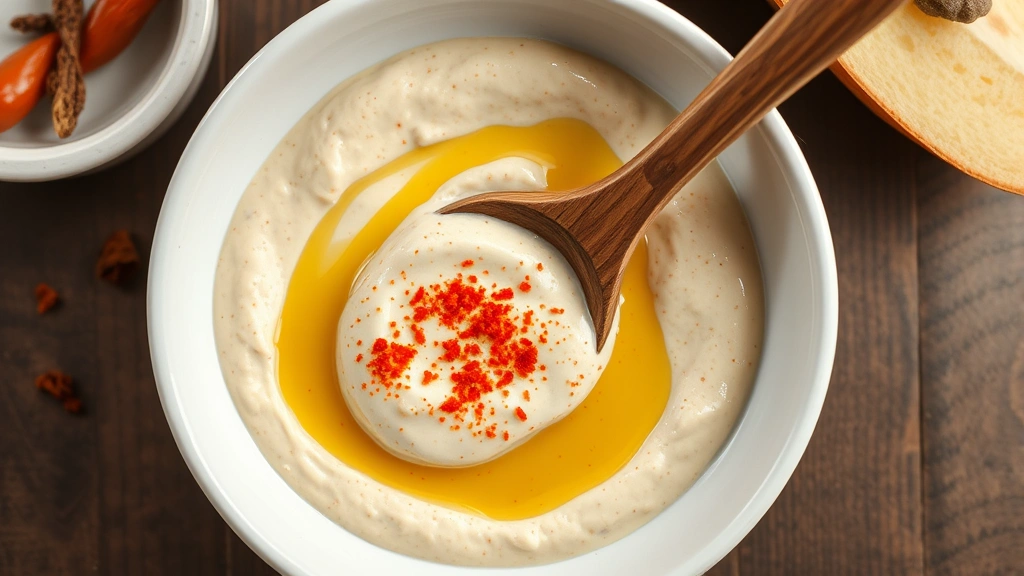
- Transfer to a jar or serving bowl. The dressing will thicken slightly as it cools, so keep this in mind when determining the final consistency.
- Serve immediately or store in an airtight container in the refrigerator for up to one week.
Pro Tips
- The most important step in making tahini dressing is the emulsification process that happens when you add lemon juice to tahini. Don’t be alarmed when it seizes up—this is the sesame proteins bonding with the acid, and it’s exactly what creates that creamy texture when you add water.
- Quality tahini makes a huge difference in the final product. Look for tahini that lists only sesame seeds as the ingredient, with no added oils or stabilizers. Stir it well before measuring, as the oil can separate.
- The water you use should be warm, not cold. Warm water helps the tahini emulsify more smoothly and creates a silkier final texture compared to cold water.
- Fresh lemon juice is non-negotiable for the best flavor. Bottled lemon juice contains preservatives that can affect both the taste and the emulsification process. If you don’t have fresh lemons, you can substitute with lime juice or white wine vinegar, though the flavor will be slightly different.
- Mincing the garlic very finely is crucial. If your garlic pieces are too large, they won’t distribute evenly and you’ll get random pockets of strong garlic flavor. A garlic press works beautifully for this recipe.
- This dressing can be made up to 5 days in advance and stored in the refrigerator. It may thicken slightly as it sits, so whisk in a tablespoon or two of warm water to restore the desired consistency before serving.
- If you find the dressing too thick even after adding water, you can incorporate a bit of plain yogurt (Greek or regular) to add creaminess and a slight tang. Start with 2 tablespoons and whisk in more as needed.
- For a more herbaceous version, add 2 tablespoons of fresh parsley, cilantro, or mint, finely chopped. Add these herbs right before serving so they stay bright and fresh.
- This tahini dressing pairs beautifully with fattoush salad from Bon Appétit, roasted vegetables, grain bowls, and as a dip for falafel. It’s also wonderful as a sauce for grilled proteins.
- If your tahini dressing breaks or becomes grainy, it usually means you added the water too quickly or the temperature fluctuated too much. To fix it, start with a fresh tablespoon of tahini in a clean bowl and slowly whisk in the broken dressing until it comes back together.