
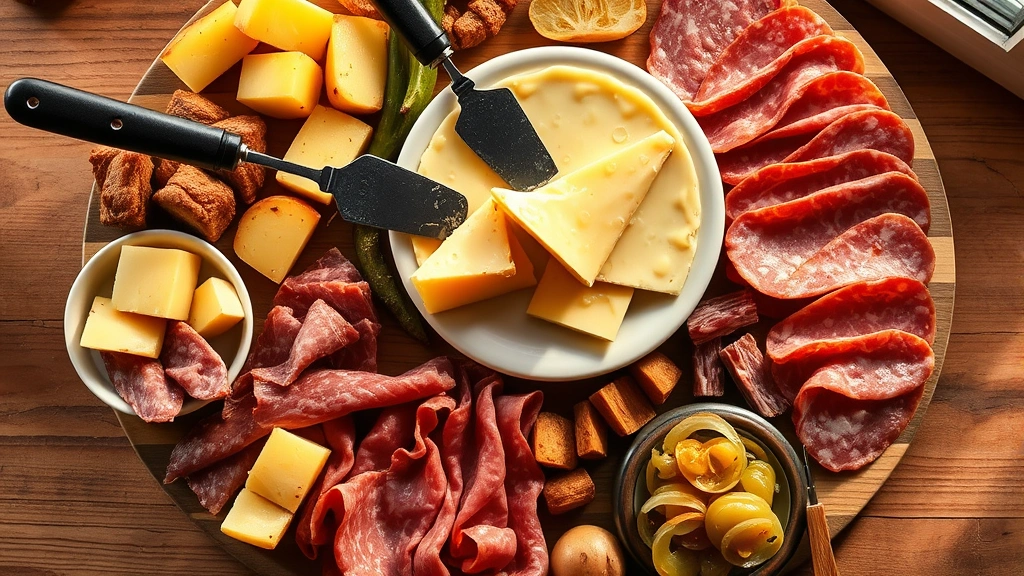
Raclette is one of those magical dishes that transforms a simple meal into an unforgettable gathering. This Swiss alpine tradition involves melting cheese and scraping it onto bread, potatoes, or vegetables—and honestly, there’s nothing quite like it. What makes raclette so special is its interactive nature; everyone gets involved in the cooking process, making it perfect for family dinners, date nights, or entertaining friends. The beauty of this cheese melting technique is that it’s incredibly forgiving and requires minimal cooking skills. You’ll need either a traditional raclette machine or a simple oven setup, and from there, the magic happens. The cheese becomes gloriously creamy and slightly browned at the edges, creating that signature nutty flavor that makes raclette so addictive.
What I absolutely love about raclette is how customizable it is. You’re not locked into one specific cheese or set of accompaniments. While traditional raclette cheese is ideal, I’ve had stunning results with other melting cheeses like Gruyère, Emmental, or even a good quality Fontina. The key is choosing a cheese with a high melting point and a creamy texture. The supporting cast—your potatoes, cured meats, pickles, and fresh vegetables—can be adjusted based on what you have on hand or what your guests prefer. This flexibility makes raclette an incredibly smart choice for meal planning because you’re not dependent on finding specific ingredients.
The history of raclette dates back centuries in the Alpine regions of Switzerland and France, where shepherds would melt cheese over fire to eat with bread. Today, it’s evolved into a sophisticated yet approachable dish that works beautifully for any occasion. Unlike fondue, which requires constant stirring and can be temperamental, raclette is remarkably straightforward. Modern raclette machines have made the process even easier, with individual pans that allow each person to control their own cooking pace. If you don’t have a raclette machine, a standard broiler works just fine—you’ll just need to work in batches.
One of my favorite aspects of serving raclette is watching people discover their favorite combinations. Some guests love the classic pairing of melted cheese with boiled potatoes and cornichons. Others get creative with prosciutto, caramelized onions, or roasted mushrooms. The beauty is that there’s no wrong way to do it. This recipe teaches you the fundamentals, but I encourage you to make it your own. For more inspiration on cheese-based dishes, check out this comprehensive fondue guide that explores similar melting techniques.
Timing-wise, raclette is genuinely quick. The actual cooking takes just minutes—cheese melts in 3-5 minutes depending on thickness and your heat source. Most of your prep time goes into arranging your ingredients beautifully on a board or platter, which honestly feels more like entertaining than work. This makes raclette perfect for weeknight dinners when you want something special but don’t have hours to spend cooking. The entertaining aspect of raclette also means less time spent in the kitchen and more time spent with your guests, which is really what good food is all about.
For the best results, I recommend bringing your cheese to room temperature about 30 minutes before serving. This ensures even melting and prevents the cheese from becoming too oily. Your potatoes should be boiled until just tender—you want them to hold their shape but be soft enough to cut easily. If you’re serving raclette for a crowd, here’s a pro tip: prepare everything in advance so you can simply assemble and heat when your guests arrive. This make-ahead strategy reduces stress and keeps you present during the meal.
Looking at raclette through a different lens, it’s also quite healthy when prepared mindfully. You’re eating lots of vegetables, moderate amounts of quality protein from cured meats, and cheese in reasonable portions because you’re controlling how much you scrape onto each plate. The potatoes provide satisfying carbohydrates and fiber. When you pair raclette with a crisp white wine or light beer, you have a well-rounded, balanced meal that feels indulgent but isn’t excessive. For more information on healthy entertaining, check out these entertaining strategies.
For additional recipe inspiration and technique refinement, I recommend exploring resources like Serious Eats’ raclette coverage, which offers excellent technical breakdowns. You might also enjoy Bon Appétit’s raclette interpretations for creative variations. For traditional approaches, The New York Times has a wonderful traditional raclette recipe that honors the Swiss heritage of this dish. These resources will deepen your understanding of raclette and give you confidence experimenting with different approaches.
The beauty of mastering raclette is that once you understand the basic technique, you can adapt it infinitely. Whether you’re hosting a winter dinner party, celebrating with family, or simply want to try something new, raclette delivers sophisticated results with minimal stress. It’s the kind of dish that makes people feel special without requiring you to spend all day cooking. Follow this recipe as your foundation, then make it your own.
Ingredients
- 1.5 pounds raclette cheese (or Gruyère, Emmental, or Fontina as substitutes), sliced into ¼-inch thick pieces
- 2 pounds baby potatoes or waxy potatoes, scrubbed and left whole
- 1 tablespoon kosher salt (for boiling water)
- ½ pound quality cured meats (prosciutto, speck, or saucisson), sliced thin
- 1 cup cornichons (small pickles) or pickled onions, drained
- 8 ounces cremini or button mushrooms, cleaned and halved
- 2 tablespoons olive oil
- ½ teaspoon sea salt and fresh cracked black pepper (for mushrooms)
- 1 medium red onion, thinly sliced
- 2 tablespoons unsalted butter
- ½ teaspoon fresh thyme leaves
- 6-8 slices crusty bread, warmed
- 2 tablespoons Dijon mustard
- 1 tablespoon whole grain mustard
- Fresh parsley for garnish (optional)
Instructions
- Fill a large pot with water, add 1 tablespoon kosher salt, and bring to a rolling boil. Add whole baby potatoes and cook for 15-18 minutes until tender when pierced with a fork but still holding their shape. Drain well and set aside, keeping warm.
- While potatoes cook, prepare the mushrooms by halving them and tossing with 2 tablespoons olive oil, ½ teaspoon sea salt, and cracked black pepper. Spread on a baking sheet and roast at 400°F for 12-15 minutes until golden and tender, stirring halfway through.
- In a small skillet over medium heat, melt 2 tablespoons unsalted butter. Add thinly sliced red onion and fresh thyme leaves, stirring occasionally for 8-10 minutes until the onions are deeply caramelized and sweet. Season with a pinch of salt and pepper.
- Arrange all prepared ingredients on a large wooden board or platter: warm potatoes in one section, roasted mushrooms in another, caramelized onions, cured meats, cornichons, warm bread slices, and both mustards in small bowls.
- If using a raclette machine: Set up the machine according to manufacturer instructions, placing individual pans underneath. Give everyone a pan and have them place a slice of cheese inside.
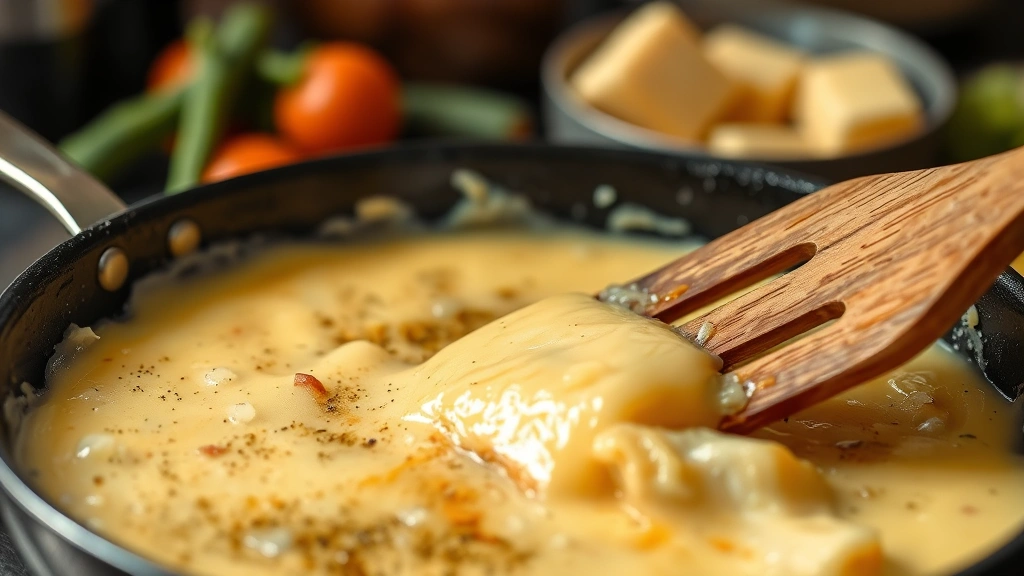
- If using a broiler method: Preheat broiler to high. Place cheese slices on a small cast-iron skillet or raclette pan. Position 6-8 inches from heat source.
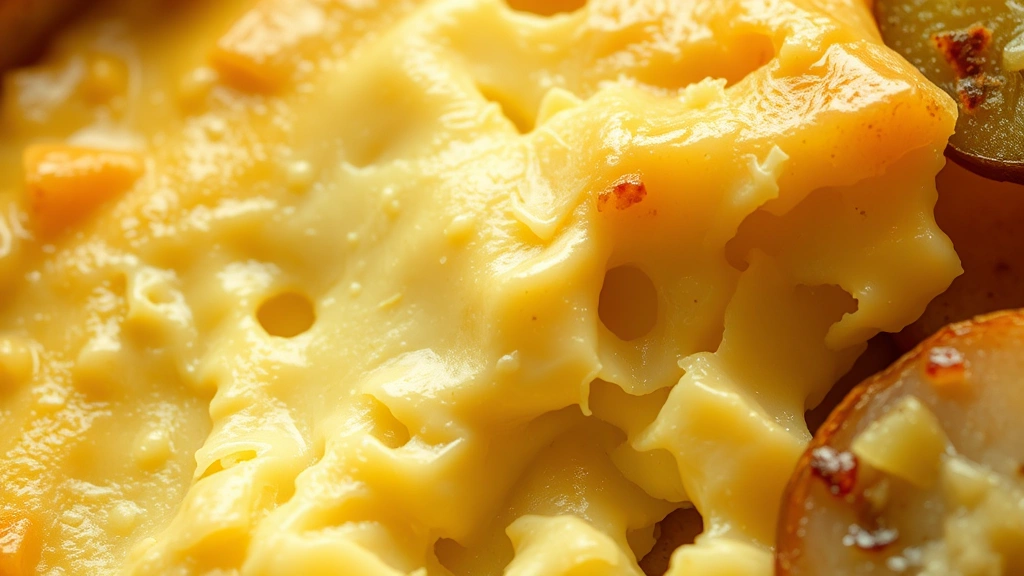
- Heat the cheese for 3-5 minutes until it’s melted, bubbly, and slightly browned at the edges. The cheese should be creamy throughout with a golden-brown top layer.
- Using a small wooden spatula or butter knife, scrape the melted cheese directly onto a warm plate or onto a slice of bread held in your hand.
- Immediately add desired accompaniments: potatoes, mushrooms, caramelized onions, cured meats, cornichons, and a small dollop of mustard.
- Repeat the process with fresh cheese slices for each person, maintaining a steady pace so everyone eats together and the experience stays interactive and fun.
- Continue cooking and scraping cheese until everyone is satisfied or the cheese wheel is finished. Serve immediately while everything is warm.
Pro Tips
- Cheese Selection: Traditional raclette cheese is ideal, but Gruyère, Emmental, Fontina, or even aged Cheddar work beautifully. Avoid pre-shredded cheese as it contains anti-caking agents that prevent smooth melting. Slice cheese yourself or ask your cheesemonger to slice it for you.
- Make-Ahead Strategy: Boil potatoes up to 4 hours ahead and reheat gently before serving. Roast mushrooms and caramelize onions several hours in advance, then warm through just before guests arrive. Arrange the board 30 minutes before serving, keeping the cheese covered until cooking begins.
- Equipment Options: A traditional Swiss raclette machine (which sits on the table and has individual pans) creates the most authentic experience and is ideal for 4-6 people. A tabletop grill works similarly. For smaller groups or if you don’t have raclette equipment, use your oven broiler and work in batches. Individual cast-iron skillets or small raclette pans work beautifully.
- Vegetable Additions: Beyond what’s listed, consider adding roasted bell peppers, sautéed spinach, caramelized garlic, grilled zucchini, or roasted Brussels sprouts. The cheese pairs with virtually any vegetable, so use what you have.
- Cured Meat Alternatives: If you can’t find traditional options, use any quality cured meat: salami, pancetta, jamón Ibérico, or even smoked salmon. The key is that it should be sliced thin and have bold flavor to complement the rich cheese.
- Bread Considerations: Use sturdy bread that won’t fall apart when laden with hot cheese—sourdough, French bread, or country bread works better than soft sandwich bread. Toast or warm the bread in the oven just before serving.
- Beverage Pairing: Serve with dry white wines like Savoie white wines, Chablis, or crisp Pinot Grigio. Light beers also pair beautifully. Avoid heavy red wines as they clash with the cheese’s richness.
- Timing Tips: Plan for about 20-30 minutes of active eating. Start cooking the cheese once everyone is seated. Prep all components before guests arrive so you can focus on cooking and enjoying the meal.
- Leftover Cheese: Raclette cheese doesn’t keep well once melted, but unmelted portions last 7-10 days wrapped tightly. Use leftovers for grilled cheese sandwiches, melting over vegetables, or in pasta dishes.
- Temperature Control: Cheese melts faster if brought to room temperature 30 minutes before serving. Don’t let it get too hot or it becomes oily and separates. Aim for a creamy, bubbling texture with just a hint of browning on top.
https://work.su work
On Saturday morning I carefully cleared the clothes I never wear from my work wardrobe. I have porcelain skin, naturally blonde hair, and clear blue eyes, so I expected the remaining pieces to work together fairly easily. Instead, anything close to yellow-green makes me look tired, especially under the lights in our office. Colours such as muted greens seem calmer, although I cannot tell whether that is a real pattern or simply preference. A recent photo in a slate-blue shirt made the difference noticeable enough that I want a sensible method before choosing a work capsule. I keep wondering whether I am reacting to my skin undertone. To compare the suggestions, I used [url=https://best-hairstyle.top]hair colour analysis[/url] as a useful starting point. Now I plan to compare the same two tops in the changing-room mirror before choosing between navy trousers. I am trying to keep the experiment cheap, repeatable, and practical. Would you trust daylight photographs more than a mirror in this situation?