
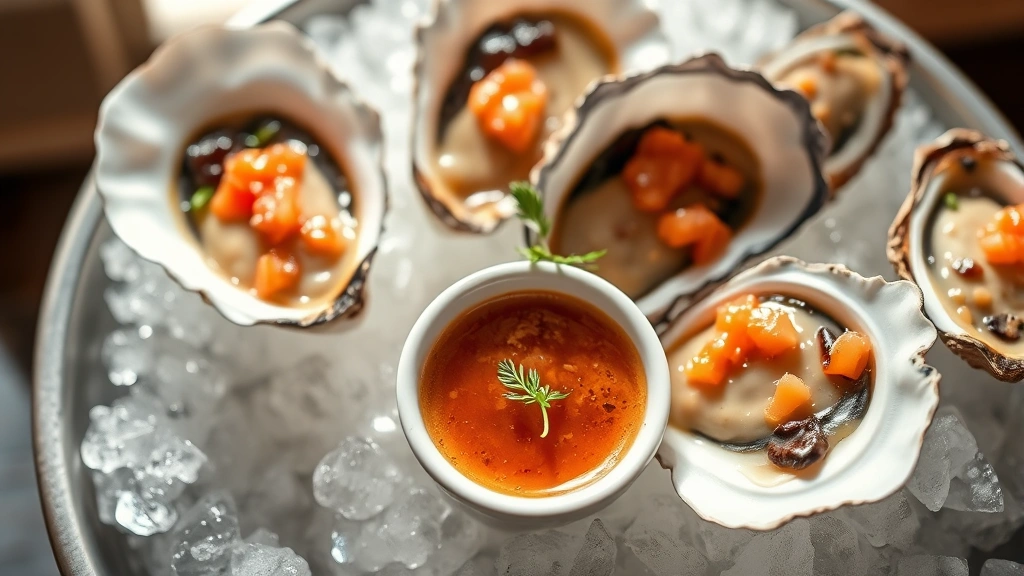
Mignonette sauce is the classic French condiment that elevates oysters from good to absolutely extraordinary. This vinegar-based sauce, with its sharp acidity and delicate shallot notes, has been a staple of French cuisine for centuries and remains the gold standard for oyster accompaniment. What makes mignonette so special is its elegant simplicity—just a handful of quality ingredients combined in perfect harmony. Unlike heavier sauces that mask the briny, delicate flavor of fresh oysters, mignonette complements and enhances them beautifully.
I first fell in love with mignonette at a small bistro in Paris, where the owner explained that the sauce should whisper to your palate, not shout. That philosophy has stayed with me ever since. The beauty of this recipe is that it requires no cooking whatsoever—just careful ingredient selection and precise chopping. Whether you’re hosting an elegant dinner party, celebrating a special occasion, or simply treating yourself to oysters on the half shell, homemade mignonette is absolutely worth the minimal effort.
What I adore most about making mignonette is how it showcases the importance of quality ingredients. A good red wine vinegar is essential; it’s the foundation of this sauce. Fresh shallots, finely minced, provide subtle sweetness and complexity. Some recipes call for white pepper instead of black, which I appreciate for its more delicate flavor profile. The optional addition of fresh tarragon or chervil adds an herbaceous note that feels particularly luxurious.
This recipe makes enough mignonette to serve 6-8 people as an accompaniment to oysters, and it keeps beautifully in the refrigerator for up to two weeks. I often make a batch and keep it on hand for impromptu oyster nights. The sauce actually improves as it sits, allowing the flavors to meld and develop. You can easily double or triple this recipe for larger gatherings, and it’s the perfect make-ahead sauce for entertaining.
For the best results, I recommend using fresh oysters and serving the mignonette at room temperature or slightly chilled, depending on your preference. Pair it with crisp Champagne or white wine for an elegant appetizer experience. This sauce also works wonderfully with clams and other shellfish, making it a versatile addition to your cooking repertoire.
If you’re new to making sauces, mignonette is the perfect starting point. It requires no special equipment beyond a sharp knife and a small bowl—no whisking, no cooking, no stress. Yet the results taste impressive and refined. I’ve included some helpful tips below for achieving the perfect balance of flavors and texture. This is one of those recipes that demonstrates how French cuisine achieves such elegance through restraint and quality ingredients. Once you master basic mignonette, you’ll find yourself making it regularly. Check out Serious Eats’ guide to mignonette variations and Bon Appétit’s classic mignonette recipe for inspiration. For a deeper dive into oyster preparation, the New York Times offers excellent oyster techniques.
Ingredients
- ½ cup good-quality red wine vinegar (or white wine vinegar)
- 2 medium shallots, very finely minced (about ¼ cup)
- 1 tablespoon fresh cracked black pepper (or white pepper for a more delicate flavor)
- ¼ teaspoon fine sea salt
- Pinch of cayenne pepper (optional, for subtle heat)
- 1 tablespoon fresh tarragon or chervil, finely chopped (optional but recommended)
- ½ teaspoon Dijon mustard (optional, adds complexity)
Instructions
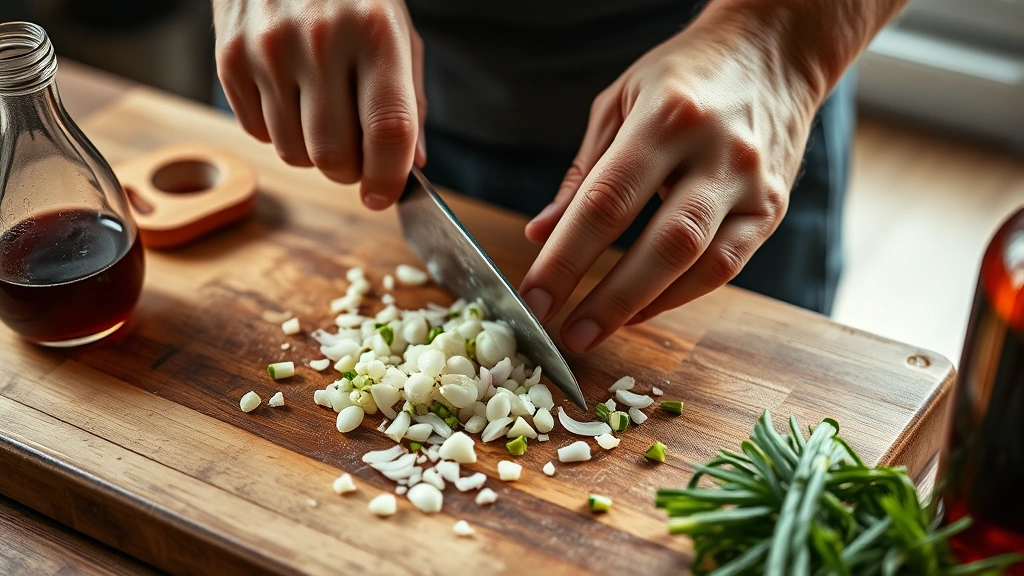
- Finely mince the shallots into pieces no larger than a small pea, being careful to achieve uniform size so they distribute evenly throughout the sauce and don’t overpower any single bite.
- In a small bowl, combine the red wine vinegar with the minced shallots, stirring gently to combine.
- Add the cracked black pepper, sea salt, and cayenne pepper if using, stirring well to incorporate and ensuring the salt dissolves completely.
- Stir in the fresh tarragon or chervil if using, and the Dijon mustard if desired, mixing thoroughly.
- Taste the mignonette and adjust seasonings as needed—it should be sharply acidic with a pleasant shallot bite and subtle pepper warmth.
- Allow the mignonette to sit at room temperature for 15-30 minutes before serving, which allows the flavors to meld and develop.
- Serve at room temperature or chilled alongside freshly shucked oysters on the half shell, offering about 1 teaspoon per oyster.
Pro Tips
- Quality vinegar is paramount to this recipe’s success—invest in a good red wine vinegar with a pleasant, balanced acidity rather than harsh sharpness
- The shallots should be minced very finely but not to the point of becoming mushy or releasing excess liquid; aim for small, distinct pieces
- Freshly cracked black pepper makes a noticeable difference compared to pre-ground; the flavor is brighter and more aromatic
- This sauce improves with time as the flavors meld, so making it 1-2 hours ahead of serving is actually ideal
- Mignonette keeps beautifully in the refrigerator for up to 2 weeks, making it convenient for entertaining or oyster emergencies
- Some people prefer white pepper for its more delicate, slightly sweet flavor compared to the earthier black pepper
- The optional additions of tarragon, chervil, or Dijon mustard are not traditional but add pleasant complexity—experiment to find your preference
- For a slightly sweeter mignonette, add ½ teaspoon of honey or a pinch of sugar, though this is not traditional
- If you prefer a less sharp sauce, use white wine vinegar instead of red wine vinegar for a more delicate flavor
- Always taste and adjust seasonings before serving, as vinegar strength varies by brand and personal preference
- Serve mignonette at room temperature or slightly chilled—never hot, as heat will damage the delicate shallot and vinegar flavors
- This sauce is not just for oysters; it’s excellent with clams, sea urchin, and other raw or lightly cooked shellfish
- For a party, divide mignonette among several small serving bowls and place them around your oyster display for easy access