
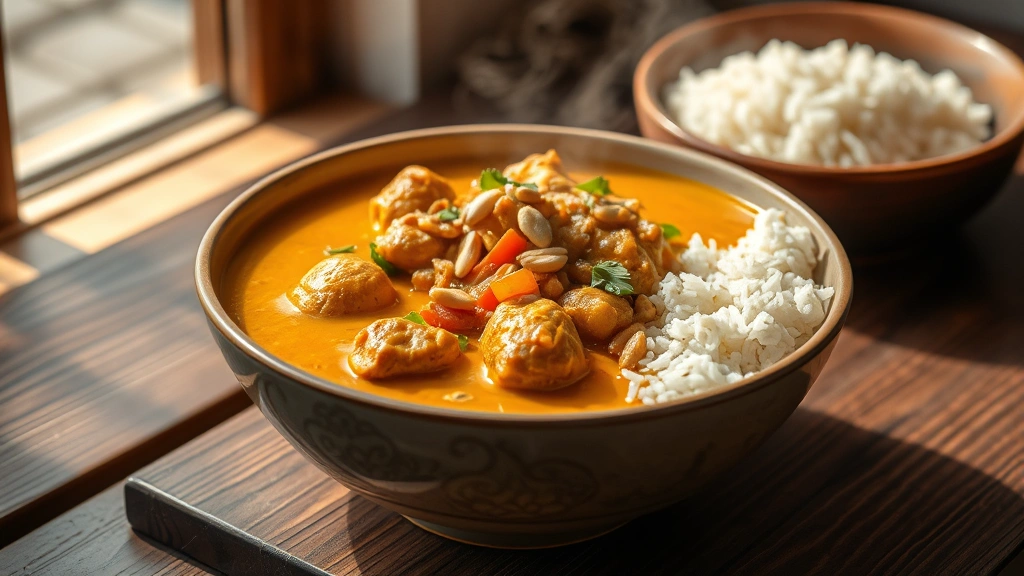
Kari Kare is one of the Philippines’ most beloved comfort dishes—a rich, aromatic peanut stew that brings together tender meat, vegetables, and toasted peanut butter in perfect harmony. While traditional recipes can take hours to develop their deep flavors, this streamlined version delivers restaurant-quality results in just 30 minutes without compromising on taste. The beauty of Kari Kare lies in its versatility; whether you’re using chicken, beef, or pork, the creamy peanut sauce clings beautifully to every ingredient, creating an incredibly satisfying meal that’s perfect for weeknight dinners or entertaining guests.
What makes this recipe special is the technique of blooming your spices and building layers of flavor quickly. By using pre-cut vegetables, quality peanut butter, and strategic shortcuts, you’ll have a stunning dish ready faster than you’d expect. The silky sauce comes together in minutes, while the vegetables maintain their texture and the meat stays tender and juicy. This is comfort food that doesn’t demand hours in the kitchen, making it accessible for busy home cooks who still want to serve something impressive and homemade.
The secret to quick Kari Kare success is having your ingredients prepped and your technique dialed in. Similar to quick chicken stews, this dish benefits from high heat and proper sequencing. Toast your peanuts and spices first to maximize their flavor potential, then build your sauce methodically. Understanding peanut sauce fundamentals will help you achieve that perfect balance of creamy, savory, and slightly sweet. If you’ve never made Kari Kare before, don’t worry—the process is intuitive and forgiving. Explore other Asian comfort foods for similar flavor profiles and cooking techniques.
For those looking to understand the deeper cultural context, Philippine cuisine combines Spanish and Asian influences, and Kari Kare is a perfect example of that beautiful fusion. The dish got its name from the Indian curry that inspired it, adapted through Filipino palates and pantries into something uniquely their own. Curries around the world showcase incredible diversity in how different cultures approach similar flavor profiles.
To elevate your Kari Kare even further, check out Serious Eats’ Philippine food guide for additional insights. Bon Appétit’s take on this classic dish offers sophisticated variations. For vegetarian adaptations, The New York Times has excellent vegetarian curry recipes. If you want to understand the science behind peanut-based sauces, Serious Eats explores peanut sauce techniques. And for those who love exploring global comfort foods, Bon Appétit’s comfort food collection features many inspiring dishes.
Ingredients
- 2 tablespoons vegetable oil
- 1½ pounds chicken breast or beef, cut into 1-inch cubes
- 1 medium onion, sliced into wedges
- 4 cloves garlic, minced
- 2 tablespoons Filipino shrimp paste (bagoong) or anchovy paste
- 2 tablespoons curry powder
- 1 tablespoon paprika
- 1 cup creamy peanut butter (or freshly ground peanuts)
- 3 cups chicken or beef broth
- 2 medium potatoes, cut into 1-inch cubes
- 2 large carrots, cut into 1-inch pieces
- 1 red bell pepper, cut into 1-inch squares
- 1 cup fresh green beans, cut into 2-inch pieces
- ½ cup roasted peanuts, crushed
- 2 tablespoons fish sauce (patis)
- 1 tablespoon brown sugar
- Salt and black pepper to taste
- 2 tablespoons lime juice
- Fresh cilantro for garnish (optional)
Instructions
- Heat 1 tablespoon of oil in a large, heavy-bottomed pot or Dutch oven over medium-high heat. Once the oil is shimmering, add the chicken or beef in a single layer. Let it sear undisturbed for 2-3 minutes until deeply golden, then stir and cook for another 2-3 minutes until mostly cooked through. Transfer to a plate and set aside.
- Add the remaining tablespoon of oil to the pot over medium heat. Add the sliced onions and cook for 2 minutes, stirring occasionally, until they begin to soften and release their aromatics.
- Add the minced garlic to the onions and cook for 30 seconds until fragrant, stirring constantly to prevent burning.
- Push the onion and garlic mixture to the sides of the pot and add the shrimp paste to the center. Toast it for 30 seconds, breaking it up with your spoon and allowing it to caramelize slightly, then stir everything together.
- Sprinkle the curry powder and paprika over the mixture and stir constantly for 1 minute. This blooming technique ensures the spices release their essential oils and maximizes their flavor impact.
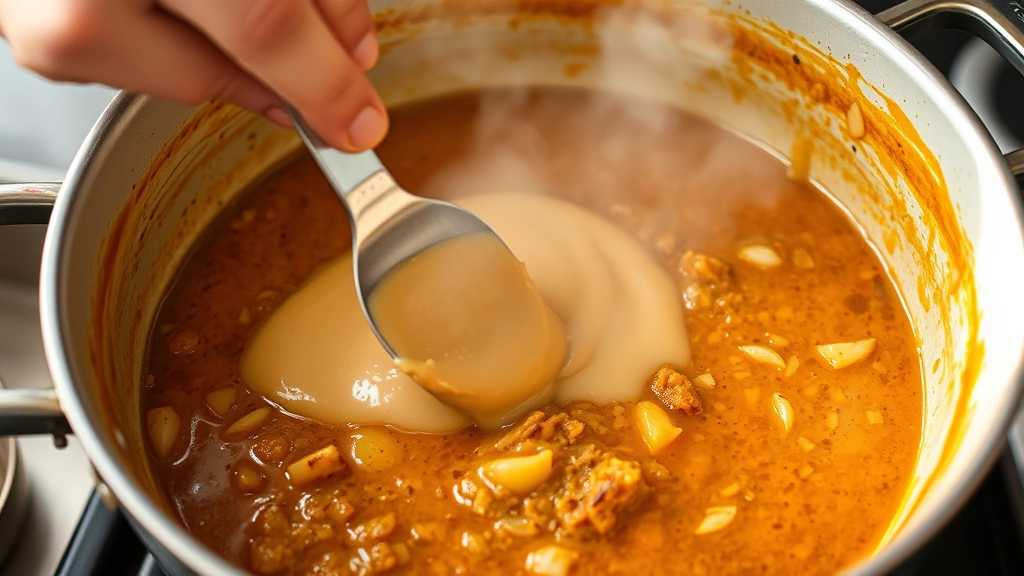
- Add the peanut butter to the pot and stir continuously for about 1 minute, allowing it to cook and deepen in flavor. The mixture should look rich and fragrant.
- Pour in the broth gradually, stirring constantly to ensure the peanut butter dissolves smoothly and creates a silky sauce with no lumps. This should take about 2 minutes of stirring.
- Return the seared meat to the pot and stir well, ensuring it’s coated in the peanut sauce. Bring the mixture to a gentle simmer over medium-high heat.
- Add the potatoes and carrots to the simmering sauce. These vegetables need the most time to cook, so add them before the quicker-cooking vegetables. Stir well and maintain a gentle simmer.
- Cook for 8 minutes, then add the bell pepper and green beans. Stir to combine and continue simmering.
- Add the fish sauce, brown sugar, and a pinch of salt and pepper. Taste the sauce and adjust seasonings as needed—it should be savory, slightly sweet, and deeply flavorful.
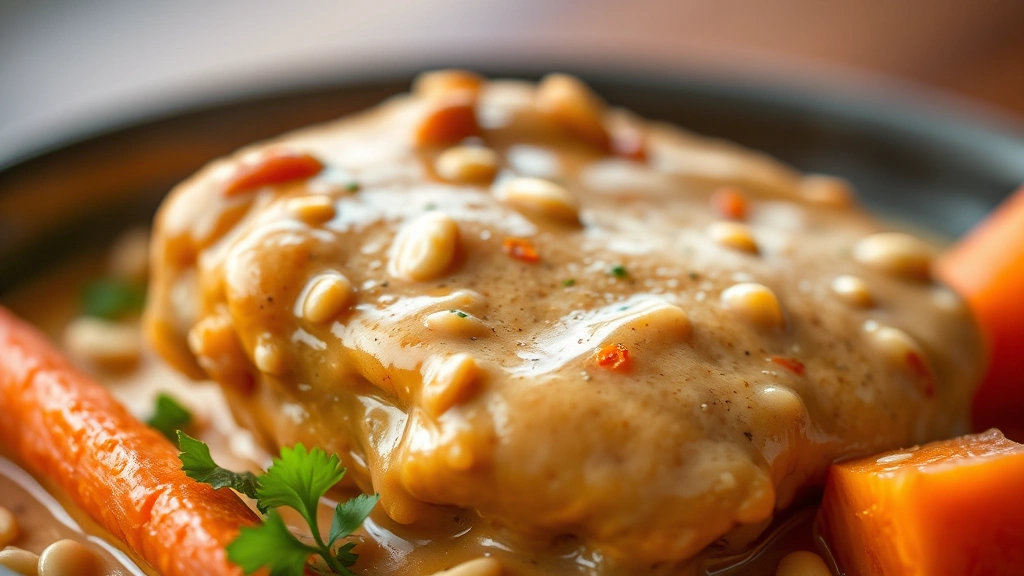
- Continue cooking for 3-4 more minutes until all vegetables are tender-crisp (not mushy) and the sauce has thickened slightly. The potatoes should be fork-tender but still holding their shape.
- Stir in the lime juice and crushed peanuts, reserving a small handful for garnish. The lime juice adds brightness and balances the richness of the peanut sauce.
- Taste once more and adjust seasonings with additional fish sauce, lime juice, or a pinch more sugar if needed. The flavor should be complex and balanced—savory, creamy, aromatic, and with a hint of brightness.
- Ladle the Kari Kare into shallow bowls or plates. Garnish with the remaining crushed peanuts and fresh cilantro if desired. Serve immediately with steamed jasmine rice on the side.
Pro Tips
- **Protein Options**: While this recipe calls for chicken or beef, Kari Kare is incredibly versatile. Pork shoulder, shrimp, or a combination of meats all work beautifully. For a vegetarian version, substitute the meat with extra vegetables like mushrooms, cauliflower, and tofu.
- **Peanut Butter Selection**: Use natural peanut butter or freshly ground peanuts for the best flavor. Avoid peanut butter with added sugars or oils. If you can find Filipino or Asian brand peanut butter, it’s often formulated specifically for cooking and creates an even silkier sauce.
- **Shrimp Paste Alternatives**: If you can’t find bagoong or anchovy paste, you can omit it, but it adds essential umami depth. Alternatively, use a teaspoon of soy sauce plus a bit of Worcestershire sauce as a substitute.
- **Curry Powder Notes**: Different curry powder brands vary in heat level and flavor profile. Start with the amount called for and adjust based on your preference and the specific brand you’re using. Madras curry powder creates more heat, while mild curry powder is gentler.
- **Make-Ahead Strategy**: Kari Kare actually improves when made ahead! Prepare it completely, cool, and refrigerate for up to 3 days. The flavors meld and deepen beautifully. Reheat gently over low heat, adding a splash of broth if the sauce has thickened too much.
- **Sauce Consistency**: If your sauce seems too thin, simmer uncovered for an additional 2-3 minutes to allow some liquid to evaporate. If it’s too thick, stir in a bit more broth or water. The sauce should coat a spoon but still be pourable.
- **Vegetable Timing**: The order of adding vegetables is crucial for this quick version. Root vegetables (potatoes and carrots) need the most time, bell peppers and green beans need less. If using different vegetables, consider their cooking times accordingly.
- **Rice Pairing**: Serve with jasmine rice, basmati, or even simple white rice. Many Filipinos also enjoy Kari Kare with a side of sautéed bok choy or steamed broccoli for extra vegetables.
- **Leftovers**: This dish keeps well and actually tastes better the next day as flavors continue to develop. Store in an airtight container in the refrigerator for up to 4 days. Freeze for up to 3 months, though the texture of potatoes may change slightly.
- **Customization**: Feel free to add other vegetables you enjoy—eggplant, green peas, or zucchini all work wonderfully. Just adjust cooking times accordingly based on how quickly they cook.
- **Heat Level**: If you prefer extra heat, add a pinch of cayenne pepper or fresh chili flakes. If you want to tone it down, reduce the curry powder and paprika.
- **Flavor Balancing**: The key to excellent Kari Kare is balancing savory (fish sauce, shrimp paste), creamy (peanut butter), slightly sweet (brown sugar), and bright (lime juice). Taste frequently and adjust these components as needed.