
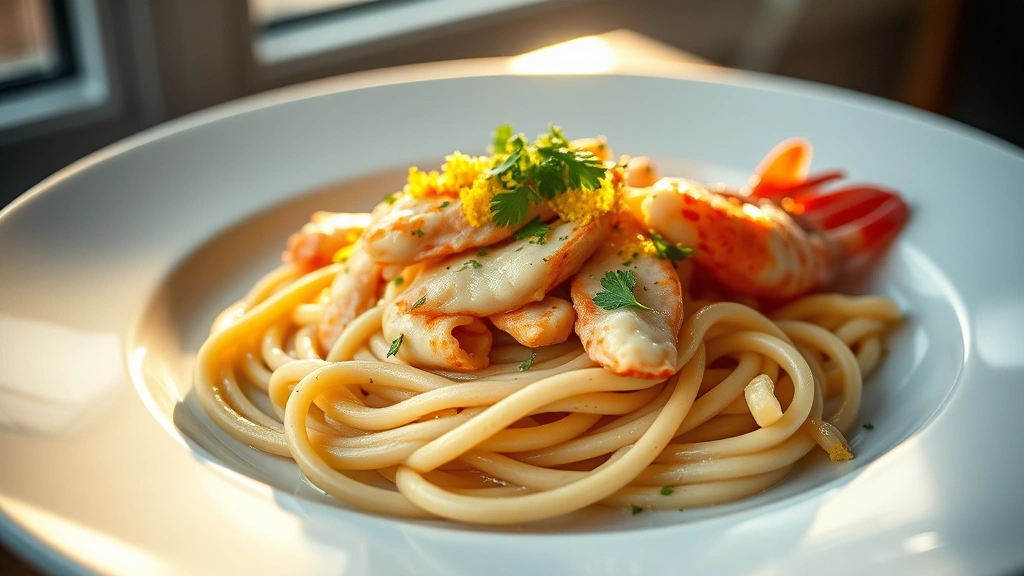
Langostino pasta is an elegant yet surprisingly simple dish that brings restaurant-quality seafood dining to your home kitchen. These delicate crustaceans, often called Norway lobsters or scampi, have a sweet, tender meat that pairs beautifully with simple pasta and bright citrus flavors.
This recipe celebrates the natural sweetness of langostino by keeping the sauce light and letting the seafood shine. Whether you’re cooking for a special occasion or simply want to elevate your weeknight dinner, this langostino pasta delivers impressive results with minimal effort. The key to success lies in sourcing quality langostino, not overcooking the delicate meat, and building layers of flavor through properly toasted garlic and fresh herbs.
I’ve been making variations of this dish for years, and I’ve learned that the best results come from understanding the langostino itself. These creatures are smaller than lobster but larger than shrimp, with a flavor profile that sits beautifully in between. When you cook them, they need just minutes—overcooking will make them tough and rubbery. The sauce comes together in the time it takes to cook your pasta, making this an ideal recipe for entertaining.
What makes this truly the BEST langostino pasta is the combination of technique and ingredient quality. Fresh langostino, good quality pasta, real butter, and fresh lemon create magic together. This isn’t a heavy cream sauce that masks the seafood—it’s a delicate, garlicky butter sauce that lets the langostino be the star. Serve it with a crisp white wine and you’ve got a meal that rivals any upscale restaurant.
Check out our ultimate pasta cooking guide for more tips on achieving perfect al dente pasta every time. For more seafood pasta inspiration, explore our seafood pasta collection. If you’re new to cooking with langostino, our langostino cooking guide provides detailed techniques. You might also enjoy our garlic butter sauce recipes for other applications. And don’t miss our citrus pasta dishes for more bright, fresh flavors.
For additional inspiration, check out Bon Appétit’s shrimp pasta techniques, Serious Eats’ seafood pasta guide, New York Times’ white sauce pasta recipe, Bon Appétit’s seafood cooking guide, and Serious Eats’ pasta-making fundamentals.
Ingredients
- 1 pound fresh langostino, cleaned and halved lengthwise
- 1 pound linguine or spaghetti
- 6 tablespoons unsalted butter, divided
- 8 cloves garlic, thinly sliced
- 1/4 teaspoon red pepper flakes
- 1/2 cup dry white wine
- Zest of 2 lemons
- Juice of 2 lemons (about 1/4 cup)
- 1/4 cup fresh flat-leaf parsley, finely chopped
- 2 tablespoons fresh tarragon, chopped (or 1 tablespoon dried)
- Kosher salt
- Freshly ground black pepper
- Reserved pasta water (about 1/2 cup)
- Freshly grated Parmigiano-Reggiano cheese
- Lemon wedges for serving
Instructions
- Bring a large pot of salted water to a rolling boil. The water should taste like the sea—this is your only opportunity to season the pasta itself.
- While waiting for water to boil, pat the cleaned langostino dry with paper towels. Moisture is the enemy of proper browning, so take this step seriously.
- Place a large skillet over medium-high heat. Add 2 tablespoons of butter and allow it to foam and become fragrant, about 1 minute. Do not let it brown.
- Add the sliced garlic to the butter and cook, stirring frequently, for about 2 minutes until it becomes golden and fragrant. Watch carefully—garlic burns easily and bitter garlic will ruin your dish.
- Sprinkle the red pepper flakes into the garlic butter and stir to combine. Cook for 30 seconds to bloom the spice.
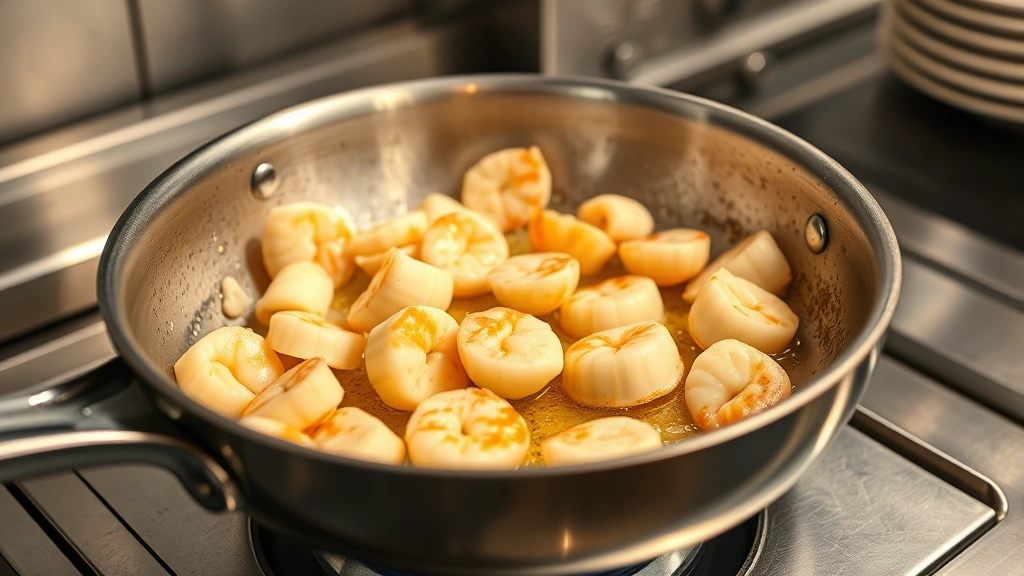
- Add the langostino halves to the skillet in a single layer, cut-side down. Season generously with salt and pepper. Cook without moving for 3-4 minutes until the cut side develops a golden color.
- Flip the langostino pieces carefully and cook for another 2-3 minutes on the other side. The meat should be opaque and just cooked through. Remove from the skillet to a clean plate and set aside.
- Add the white wine to the same skillet, scraping up any browned bits from the bottom. Let it reduce by half, about 2 minutes.
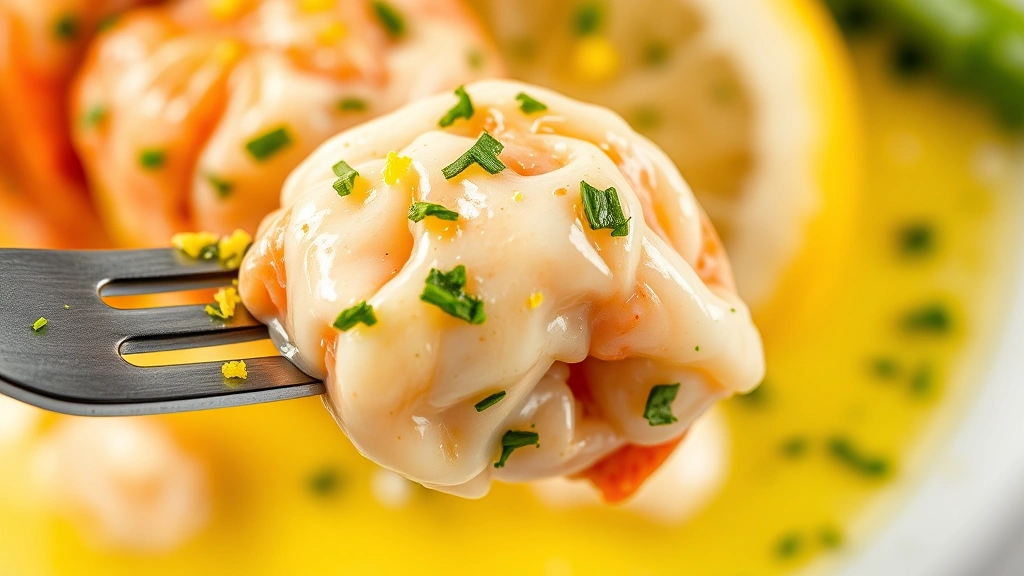
- Add the lemon zest and lemon juice to the wine reduction. Stir in the remaining 4 tablespoons of butter, stirring constantly until it’s fully incorporated and the sauce becomes silky.
- Add the fresh tarragon and most of the parsley to the sauce, reserving some parsley for garnish. Taste and adjust seasoning with salt and pepper as needed.
- Add the langostino back to the skillet with any accumulated juices. Toss gently to coat with the sauce and heat through for about 1 minute. Do not overcook—the langostino is already cooked and will toughen with excessive heat.
- While the sauce finishes, drop the pasta into the boiling water and cook according to package directions until al dente, usually 9-11 minutes.
- Reserve 1/2 cup of pasta water before draining the pasta. This starchy water is essential for adjusting the sauce consistency.
- Add the drained pasta directly to the skillet with the langostino sauce. Toss gently but thoroughly, adding pasta water a few tablespoons at a time until the sauce coats the pasta beautifully.
- Divide the langostino pasta among four warm bowls. Spoon extra sauce over each portion and garnish with reserved fresh parsley, additional lemon zest, and freshly grated Parmigiano-Reggiano.
- Serve immediately with lemon wedges on the side and a crisp white wine such as Albariño or Pinot Grigio.
Pro Tips
- SOURCING LANGOSTINO: Fresh langostino is the gold standard for this recipe. Look for them at specialty seafood markets or high-end grocery stores. They should smell clean and ocean-like, not fishy. If fresh isn’t available, quality frozen langostino works well—thaw in the refrigerator overnight before cooking. Avoid pre-cooked langostino as they will overcook easily.
- THE BUTTER IS EVERYTHING: Don’t skimp on butter quality. Use real, unsalted butter so you can control the salt level. Cultured butter adds extra depth of flavor. The butter emulsifies with the pasta water to create a silky sauce that clings to every strand.
- PASTA WATER IS YOUR SECRET WEAPON: The starch in pasta water is crucial for creating a cohesive sauce. Add it gradually—you want just enough to create a light coating, not a pool of liquid. This technique is what separates restaurant-quality pasta from home versions.
- TIMING MATTERS: Because langostino cooks so quickly, have everything prepped and ready before you start cooking. Mise en place is not optional—it’s essential. Once you start cooking, things move fast.
- WHITE WINE SELECTION: Choose a wine you’d actually drink. Avoid “cooking wine” from the grocery store—it’s typically poor quality and overly salted. A crisp, dry white wine like Pinot Grigio or Sauvignon Blanc works beautifully.
- LEMON ZEST BEFORE JUICE: Always zest your lemons before juicing them. Fresh lemon zest adds brightness and prevents the dish from tasting one-dimensional. The combination of zest and juice gives more complex citrus flavor.
- DON’T OVERCOOK THE LANGOSTINO: This is the most common mistake. Langostino meat is delicate and becomes rubbery when overdone. The meat should be opaque and just cooked through—aim for 3-4 minutes per side maximum.
- HERB FLEXIBILITY: While tarragon is traditional, fresh chives, dill, or basil work beautifully too. Avoid dried herbs except tarragon, which retains good flavor when dried. Fresh herbs are almost always superior for delicate seafood dishes.
- MAKE IT YOUR OWN: Add a splash of vermouth instead of wine for herbal notes, incorporate a pinch of saffron for elegance, or add a small amount of anchovy paste to deepen the umami flavor. Each addition should be subtle—remember that langostino is the star.
- STORAGE AND LEFTOVERS: This dish is best served immediately, but leftovers can be refrigerated for up to 2 days. Reheat gently over low heat with a splash of white wine or pasta water to restore the sauce consistency. The texture of the langostino will be slightly softer when reheated, but still delicious.
- WINE PAIRING: Serve alongside the same white wine used in the sauce. The acidity cuts through the richness of the butter, and the minerality complements the langostino beautifully. Albariño, Vermentino, or Grüner Veltliner are all excellent choices.
- SCALING THE RECIPE: This recipe doubles easily for entertaining. Cook the langostino in batches if necessary to avoid overcrowding the skillet, which prevents proper browning. Cook pasta in the same large pot—just add more water.