
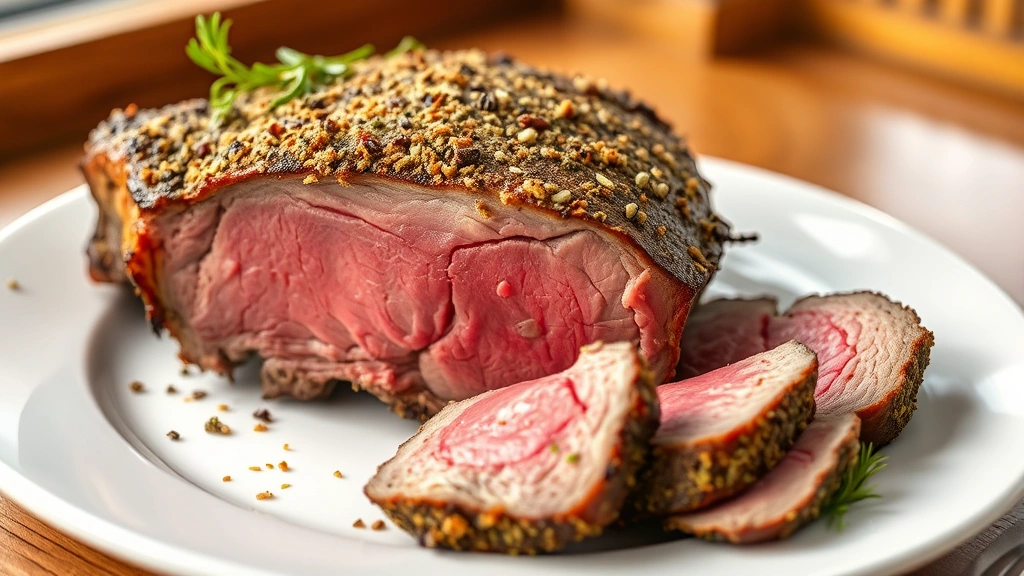
There’s nothing quite like a perfectly seasoned prime rib, and the secret starts with an exceptional rub. After years of experimenting in my kitchen, I’ve developed what I truly believe is the BEST prime rib rub recipe—one that creates a gorgeous, flavorful crust while keeping the interior juicy and tender. This isn’t just any spice blend; it’s a carefully balanced combination of herbs, spices, and seasonings that complement the rich, buttery flavor of prime rib without overpowering it.
The beauty of a great prime rib rub is that it’s incredibly simple to make, yet delivers restaurant-quality results right in your own home. I always say that prime rib is one of those special cuts that deserves a little extra love and attention, and starting with the right rub sets the tone for an absolutely spectacular meal. Whether you’re preparing this for a holiday dinner, a special celebration, or just because you want to treat yourself to something truly luxurious, this rub will become your go-to formula.
I’ve learned through countless roasts that the key to the best crust is using a combination of kosher salt, coarse black pepper, and a blend of aromatic herbs like rosemary, thyme, and garlic. But here’s my secret weapon: I add a touch of smoked paprika for depth and a hint of Dijon mustard powder for complexity. The result is a rub that’s bold enough to make a statement but refined enough to let the prime rib shine through. This recipe is perfect for a prime rib cooking guide, and pairs beautifully with traditional horseradish sauce.
What I love most about this rub is its versatility. While it’s absolutely divine on prime rib, you can also use it on beef tenderloin, ribeye steaks, or even brisket. I’ve had friends ask me for this recipe after tasting my roasts, and now I’m sharing it with you. Once you make prime rib with this rub, you’ll understand why this is my go-to method. The combination of flavors creates that perfect balance between a flavorful exterior and the tender, juicy meat inside.
For more detailed information on selecting and preparing prime rib, check out Serious Eats’ prime rib guide and Bon Appétit’s roasting techniques. You might also enjoy learning about other beef seasoning blends to expand your cooking repertoire. For step-by-step cooking instructions, New York Times Cooking has excellent resources. And if you’re looking for perfect side dishes to serve with prime rib, I have plenty of recommendations!
Let me walk you through exactly how to make and apply this rub for the most spectacular prime rib you’ve ever tasted. The application method is just as important as the ingredients themselves, and I’ll share all my pro tips to ensure success.
Ingredients
- 3 tablespoons kosher salt
- 2 tablespoons coarsely ground black pepper
- 2 tablespoons fresh rosemary, finely minced (or 1 tablespoon dried)
- 1 tablespoon fresh thyme, finely minced (or ½ tablespoon dried)
- 6 cloves garlic, minced very fine
- 1 tablespoon smoked paprika
- 1 teaspoon Dijon mustard powder
- 1 teaspoon onion powder
- ½ teaspoon cayenne pepper (optional, for a subtle heat)
- 2 tablespoons high-quality olive oil
- 1 tablespoon balsamic vinegar
Instructions
- In a small bowl, combine the kosher salt, coarsely ground black pepper, minced fresh rosemary, fresh thyme, and minced garlic. If you’re using dried herbs instead of fresh, reduce the amounts by half since dried herbs are more concentrated in flavor.
- Add the smoked paprika, Dijon mustard powder, onion powder, and cayenne pepper (if using) to the herb and salt mixture. Stir everything together thoroughly with a small spoon or fork until the ingredients are well combined and evenly distributed.
- Drizzle the high-quality olive oil into the mixture and stir until you have a paste-like consistency. The oil helps the rub adhere to the meat and creates that beautiful crust when roasted.
- Add the balsamic vinegar to the paste and stir well. This adds a subtle sweetness and depth of flavor that complements the beef beautifully.
- Let the rub sit at room temperature for at least 5 minutes to allow the flavors to meld together, or prepare it up to 24 hours ahead and store it in an airtight container in the refrigerator.
- When ready to use, remove your prime rib from the refrigerator and let it come to room temperature for at least 1-2 hours before roasting—this ensures even cooking throughout.
- Pat the prime rib completely dry with paper towels. This is crucial for developing that gorgeous, flavorful crust. Any moisture on the surface will create steam, which prevents browning.
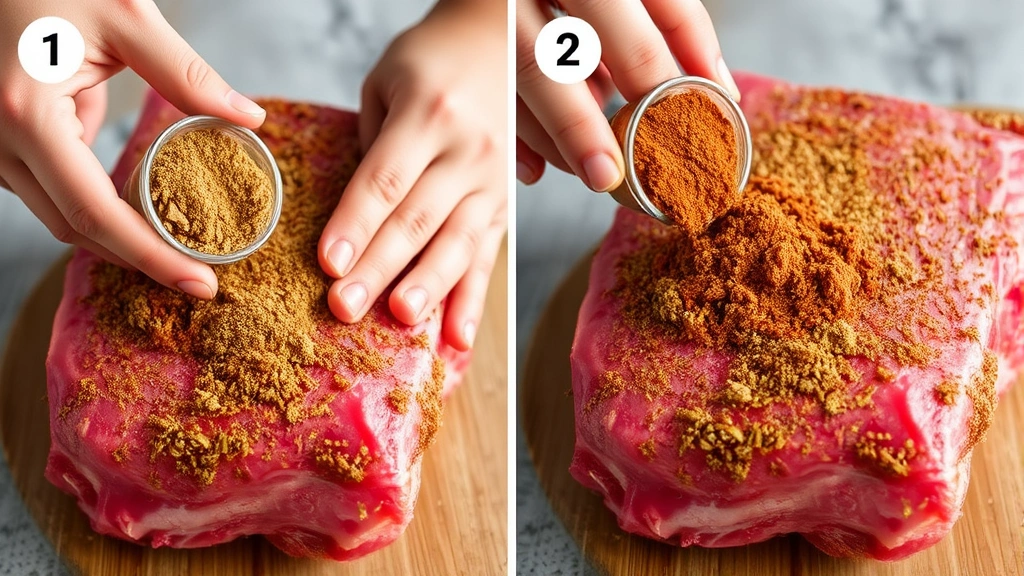
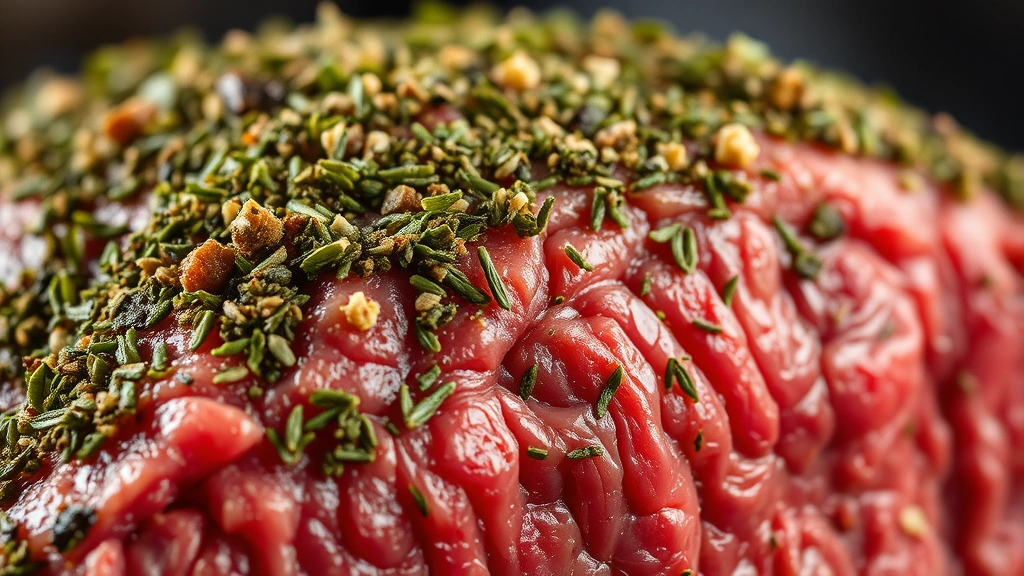
- Using your hands or the back of a spoon, generously coat all sides of the prime rib with the rub, pressing it gently into the meat so it adheres well. Don’t be shy—you want a visible coating on every surface.
- Pay special attention to getting the rub into any crevices or between the bones if your prime rib has them. These areas will concentrate the flavor.
- If you have time, let the rubbed prime rib sit uncovered in the refrigerator for 4-24 hours before roasting. This allows the salt to penetrate the meat and enhances the flavor throughout.
- Remove the rubbed prime rib from the refrigerator about 30-40 minutes before roasting to bring it closer to room temperature, which promotes more even cooking.
- Follow your preferred prime rib roasting method—whether that’s high-heat searing followed by low-temperature roasting, or the reverse-sear method—and roast until your desired doneness is achieved.
Pro Tips
- This rub can be made in batches and stored in an airtight container in your pantry for up to 2 weeks. Just make sure to store it away from heat and light to preserve the herb flavors.
- Fresh herbs will always deliver superior flavor compared to dried herbs. If you must use dried herbs, remember that they’re about three times more concentrated, so use one-third the amount of fresh.
- The smoked paprika is what gives this rub its signature depth and complexity. Don’t skip it or substitute it with regular paprika—smoked paprika makes all the difference.
- If you prefer a rub without the optional cayenne pepper, the result will be slightly milder but still absolutely delicious. Include it if you enjoy a subtle hint of heat.
- This rub works beautifully on other premium beef cuts including beef tenderloin, ribeye steaks, NY strip steaks, and even brisket. You can also use it on lamb or pork if you’re looking to expand beyond beef.
- For the best results, use a high-quality kosher salt. Diamond Crystal and Morton’s are both excellent choices, though they have slightly different crystal sizes, so you may need to adjust quantities slightly.
- The balsamic vinegar in this rub adds a subtle sweetness and helps develop the crust. If you don’t have balsamic vinegar on hand, you can substitute with red wine vinegar or omit it entirely.
- Make sure to let your prime rib come to room temperature before roasting. Roasting cold meat straight from the refrigerator will result in a temperature gradient from edge to center, making it harder to achieve your desired doneness.
- Pat your prime rib completely dry before applying the rub. Moisture is the enemy of crust development, so take the extra minute to ensure the surface is completely dry.
- If you’re roasting a particularly large prime rib (more than 8 pounds), you may want to double this rub recipe to ensure all surfaces are adequately covered.
- This rub pairs beautifully with a classic horseradish cream sauce, au jus, or a simple chimichurri. The herbaceous notes in the rub complement these accompaniments perfectly.
- Store any leftover rub in a small glass jar with a tight-fitting lid. It will keep for several weeks and is perfect to have on hand for whenever you want to make an amazing roast.
Pingback: How to make the PERFECT Ravioli Pasta Dough Recipe! – Simple Recipe Finder