
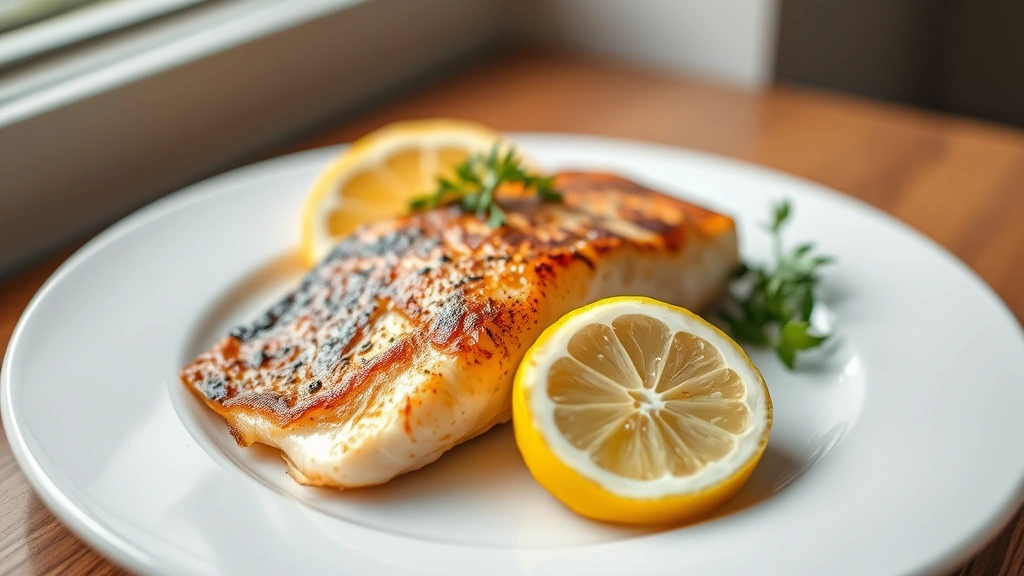
Arctic char is one of the most elegant and delicious fish you can cook at home, and this recipe proves just how simple it can be to prepare restaurant-quality results. With its beautiful pink flesh, buttery texture, and delicate flavor, arctic char is the perfect canvas for classic preparations. This foolproof method delivers perfectly cooked fish with crispy skin and moist, tender flesh every single time.
I first fell in love with arctic char at a fancy restaurant in the Pacific Northwest, and I knew I had to recreate that magic in my own kitchen. After years of testing different techniques, I’ve discovered that the key to the BEST arctic char lies in three essential elements: proper seasoning, controlled heat, and impeccable timing. Unlike some delicate white fish that can turn dry in seconds, arctic char’s higher fat content makes it incredibly forgiving, which means even beginners can achieve stunning results.
This recipe showcases the fish’s natural beauty with a simple preparation that highlights its subtle, slightly sweet flavor. You’ll pan-sear the fillets skin-side down to achieve that coveted crispy exterior while keeping the inside impossibly moist and flaky. The beauty of this approach is that it requires just a few quality ingredients and about 20 minutes from start to finish. Whether you’re cooking for a special dinner party or a casual weeknight meal, this arctic char recipe has become my go-to for impressing family and friends alike.
What makes arctic char so special compared to other salmon or trout? The flesh is incredibly tender with a buttery mouthfeel that melts on your tongue. It’s also more sustainable than many other fish options, making it a guilt-free choice for the environmentally conscious cook. The subtle flavor means it pairs beautifully with bright citrus, fresh herbs, and light sauces without overpowering the delicate fish. Once you master this basic technique, you’ll find yourself cooking arctic char regularly—it’s truly a game-changer for anyone looking to elevate their seafood cooking skills.
I recommend serving this alongside roasted vegetables and a crisp white wine for an absolutely stunning meal. Check out my roasted asparagus recipe or my easy lemon butter sauce for perfect accompaniments. For more inspiration on preparing fresh fish, visit Serious Eats’ comprehensive fish cooking guide. You might also love my pan-seared salmon recipe or baked halibut recipe for similar elegant preparations. For additional seafood inspiration, check out Bon Appétit’s arctic char collection.
Ingredients
- 4 arctic char fillets (6 ounces each), skin-on
- 2 tablespoons kosher salt, divided
- 1 tablespoon freshly ground black pepper, divided
- 3 tablespoons unsalted butter
- 2 tablespoons extra-virgin olive oil
- 4 cloves garlic, smashed
- 4 sprigs fresh thyme
- 2 sprigs fresh rosemary
- Zest and juice of 1 large lemon
- Fleur de sel for finishing
- Optional: fresh dill or tarragon for garnish
Instructions
- Remove the arctic char fillets from the refrigerator 15 minutes before cooking to bring them closer to room temperature, which ensures even cooking throughout. Pat the fillets completely dry with paper towels, paying special attention to the skin side, as moisture prevents proper browning and crisping.
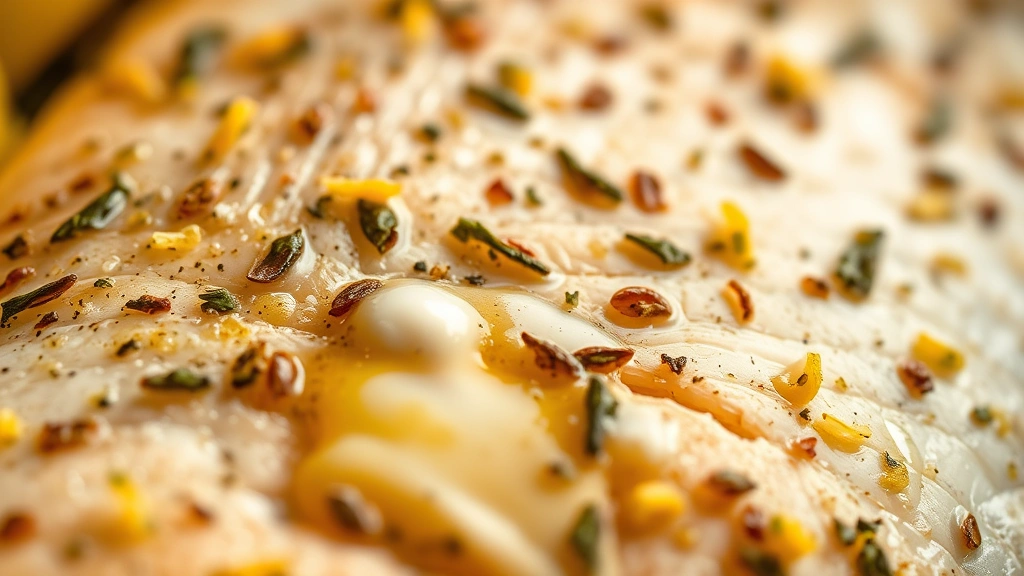
- Season the flesh side of each fillet generously with 1½ teaspoons kosher salt and ¾ teaspoon black pepper. Let the seasoned fillets rest on a clean plate for 5 minutes to allow the salt to penetrate the fish.
- Place a large stainless steel or cast-iron skillet over medium-high heat and allow it to preheat for 2-3 minutes until it’s quite hot but not smoking. You want the pan hot enough to create a beautiful crust without burning the delicate fish.
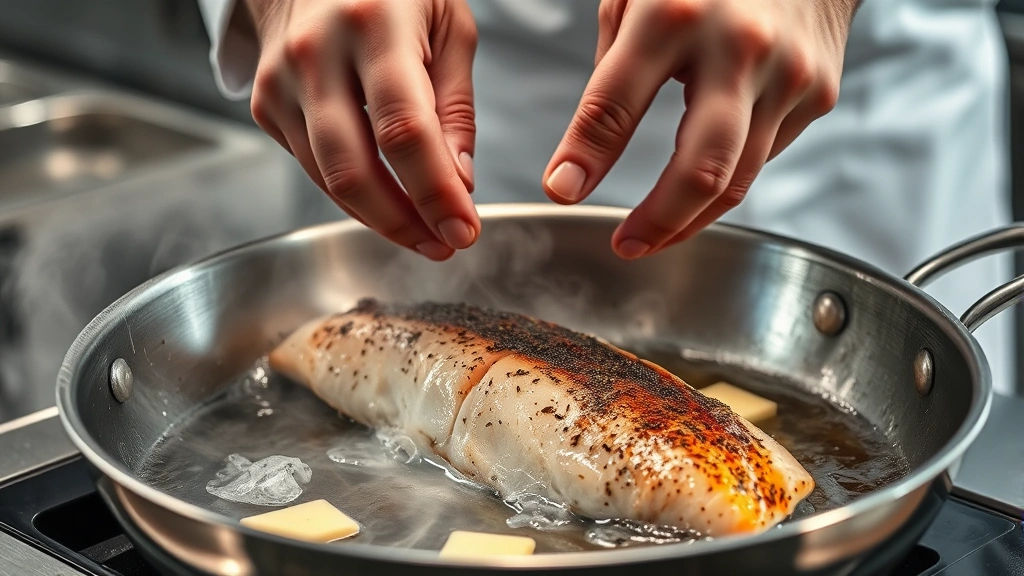
- Add 1 tablespoon of olive oil to the hot pan, swirling to coat evenly. Once the oil shimmers and is just beginning to smoke, carefully place the arctic char fillets skin-side down in the pan, working away from you to avoid splattering.
- Resist the urge to move the fish for the first 4-5 minutes. This uninterrupted cooking time is crucial for developing that crispy, golden skin. You’ll hear a gentle sizzle, which indicates that the Maillard reaction—the browning that creates flavor—is happening.
- After 4-5 minutes, check the skin by gently lifting one corner with a spatula. The skin should be golden brown and crispy. If it needs more time, wait another minute, but don’t let it burn.
- Once the skin is perfectly crispy, carefully flip each fillet to the flesh side. Immediately add 1 tablespoon of butter, the remaining olive oil, smashed garlic cloves, thyme sprigs, and rosemary sprigs to the pan.
- Cook the flesh side for 3-4 minutes, depending on the thickness of your fillets. The fish is done when it flakes easily with a fork and reaches an internal temperature of 125-130°F (52-54°C) when measured at the thickest point with an instant-read thermometer.
- While the fish finishes cooking, tilt the pan slightly and use a spoon to continuously baste the fillets with the hot butter and herb mixture. This keeps the flesh incredibly moist and infuses it with aromatic flavor.
- Squeeze fresh lemon juice over the fillets during the final moments of cooking, allowing it to mingle with the butter sauce. The acid brightens the rich, buttery flavors beautifully.
- Using a thin fish spatula, carefully transfer each fillet to a warm serving plate, skin-side up so the crispy skin remains visible and textured. Spoon any remaining pan butter and herbs over the top.
- Garnish with lemon zest, a pinch of fleur de sel, and fresh herbs if desired. Serve immediately while the skin is still crispy and the flesh is at its most tender and succulent.
Pro Tips
- Arctic char’s fat content makes it much more forgiving than leaner white fish—even slight overcooking won’t result in dry, flaky flesh, though you’ll still want to aim for perfect doneness
- The skin-side-down sear is absolutely critical; this is where the magic happens and where you create the most impressive visual element of the dish
- Don’t skip the 15-minute rest at room temperature; this allows the fish to cook more evenly from edge to center
- Pat the fillets completely dry before cooking; even small beads of moisture will steam the fish instead of searing it
- Use a quality stainless steel or cast-iron skillet rather than nonstick for this preparation; nonstick pans don’t generate enough heat to properly crisp the skin
- Resist the urge to flip the fish multiple times; each flip releases precious moisture and prevents skin crisping
- Fresh thyme and rosemary are essential here, not optional; dried herbs won’t provide the same aromatic quality during the high-heat cooking
- An instant-read thermometer is your best friend for determining doneness; aim for 125-130°F for medium-rare, which is ideal for arctic char
- This recipe works beautifully with other fish like wild salmon, steelhead trout, or even halibut, though cooking times may vary slightly
- Make extra pan sauce by adding a splash of white wine or fish stock after removing the fillets; this creates an elegant sauce for serving
- Leftovers can be flaked and used in salads, grain bowls, or pasta dishes the next day, though the fish is truly best served immediately
- For a lighter preparation, replace some of the butter with additional olive oil or fresh herbs
- The lemon zest should be added just before serving so it remains bright and doesn’t lose its aromatic oils to the heat