
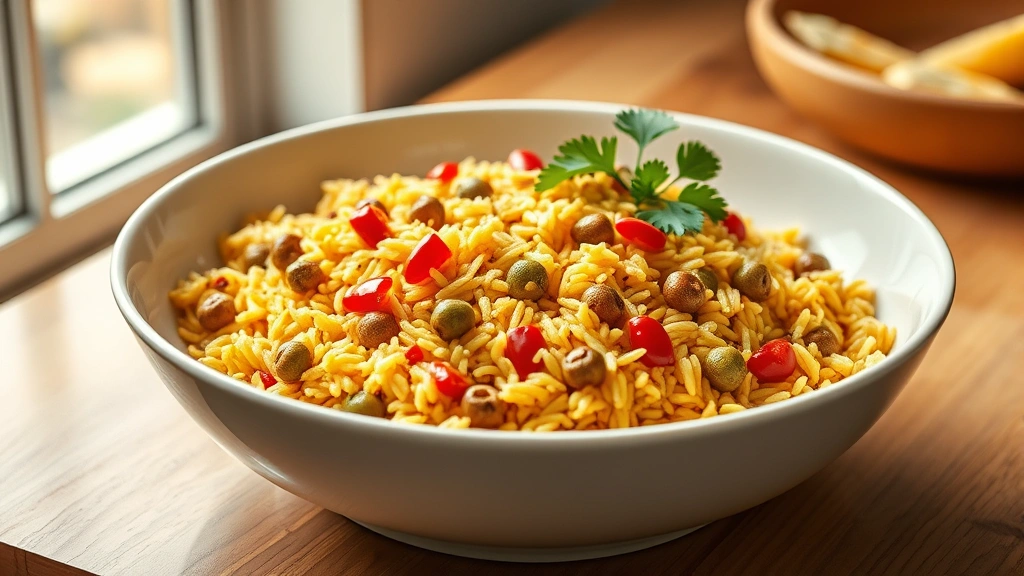
Arroz con gandules is a beloved Puerto Rican classic that brings together fluffy rice, tender pigeon peas, and aromatic seasonings for a dish that’s both comforting and festive. This recipe has been passed down through generations and is a staple at family gatherings, holidays, and everyday meals throughout the Caribbean. The beauty of arroz con gandules lies in its simplicity—a few quality ingredients come together to create something truly magical.
The key to perfect arroz con gandules is using the right technique and understanding how the rice absorbs the flavorful broth. Unlike paella or risotto, this dish doesn’t require constant stirring, making it an excellent choice for busy weeknight dinners or when you’re cooking for a crowd. The sofrito base—made from cilantro, recaito, garlic, and other aromatics—is what gives this dish its distinctive Puerto Rican flavor profile.
What makes this version the “best” is the combination of techniques that ensure every grain of rice is perfectly cooked, each gandule is tender, and the overall dish has that authentic taste that reminds you of home. Learning proper rice cooking techniques will transform your understanding of this dish. The secret includes using quality olive oil, fresh recaito, and allowing the rice to rest properly.
Many home cooks struggle with mushy rice or unevenly cooked grains, but this recipe addresses those common mistakes. We’ll walk through each step carefully to ensure your arroz con gandules turns out perfectly every single time. Whether you’re cooking for two or twenty, this recipe scales beautifully and delivers authentic Puerto Rican flavor.
For more inspiration on Caribbean cooking, check out Serious Eats’ Caribbean collection and Bon Appétit’s island-inspired dishes. You might also enjoy exploring other rice and beans variations from around the world. For detailed rice cooking guidance, New York Times Cooking offers excellent resources. Understanding how to make and use sofrito will elevate all your Caribbean cooking.
Ingredients
- 3 tablespoons olive oil
- 1/2 cup recaito (or sofrito), fresh or frozen
- 1 packet (1.41 oz) Goya sazon with culantro and achiote
- 1 teaspoon garlic powder
- 1/2 teaspoon black pepper
- 6 ounces tomato sauce
- 1/2 cup pimiento-stuffed green olives, divided
- 3 ounces Spanish chorizo, diced (optional but recommended)
- 2 cans (15 oz each) gandules (pigeon peas), drained and rinsed, or 3 cups fresh cooked gandules
- 3 cups long-grain white rice, such as jasmine or basmati
- 4 cups chicken or vegetable broth, warmed
- 1 teaspoon salt, or to taste
- 1/2 cup diced red bell pepper (optional garnish)
- Fresh cilantro, chopped, for garnish
Instructions
- Heat the olive oil in a large, deep skillet or Dutch oven over medium heat. Once shimmering, add the recaito and cook for 2-3 minutes, stirring frequently, until fragrant and the raw vegetable smell dissipates.
- Add the diced chorizo (if using) to the recaito and cook for 2 minutes, allowing the oils and flavors to meld together.
- Stir in the sazon packet, garlic powder, and black pepper, cooking for about 30 seconds until the spices become very fragrant.
- Pour in the tomato sauce and stir well, cooking for 1-2 minutes to combine all the flavoring ingredients into a cohesive paste-like mixture.
- Add the gandules and 1/4 cup of the olives, stirring gently to distribute them throughout the sofrito base. Cook for 1 minute.
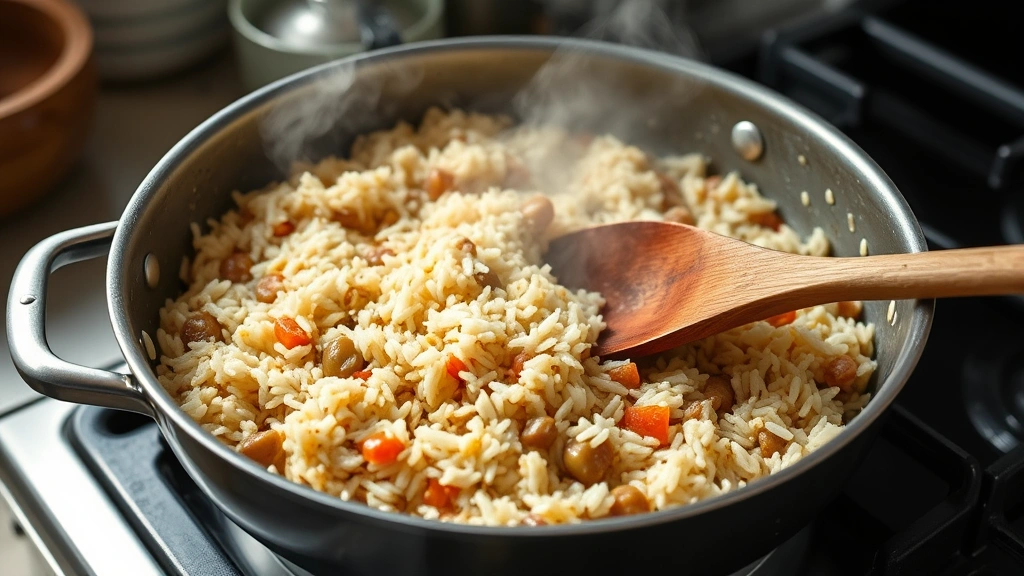
- Add the rice to the mixture and stir constantly for 2-3 minutes. This toasting step is crucial as it coats each grain with the flavorful oil and helps prevent mushiness.
- Pour in the warm broth slowly while stirring gently. The warm broth will help the rice cook evenly. Add salt to taste, remembering that the sazon and olives already contribute saltiness.
- Bring the mixture to a boil over medium-high heat, stirring occasionally to ensure nothing sticks to the bottom.
- Once boiling, reduce the heat to low, cover the skillet tightly with a lid or aluminum foil, and cook for 18-20 minutes without lifting the lid.
- After 18-20 minutes, check if the rice is tender and the liquid is absorbed. If there’s still liquid and the rice isn’t quite tender, cover and cook for another 2-3 minutes.
- Remove from heat and let the covered rice rest for 5 minutes. This resting period allows the rice to finish cooking from residual heat and allows the flavors to settle.
- Fluff the rice gently with a fork, breaking up any clumps. Stir in the remaining olives and adjust seasoning with salt if needed.
- Transfer to a serving platter and garnish with fresh cilantro and diced red bell pepper if desired. Serve hot as a main dish or as a side to roasted chicken, pernil, or grilled fish.
Pro Tips
- **Quality recaito matters**: Use fresh or freshly thawed frozen recaito if possible. It contains cilantro, culantro, onions, garlic, and peppers, providing authentic Puerto Rican flavor. Store-bought recaito is convenient and produces excellent results.
- **Sazon is essential**: The Goya sazon with culantro and achiote packet is what gives this dish its signature color and flavor. Don’t skip it or substitute it—it’s fundamental to authentic arroz con gandules. Some prefer the version without achiote, so choose based on preference.
- **Chorizo adds depth**: While optional, Spanish chorizo contributes incredible flavor. Use the Spanish style (fully cooked), not Mexican chorizo. The rendered fat flavors the entire dish beautifully.
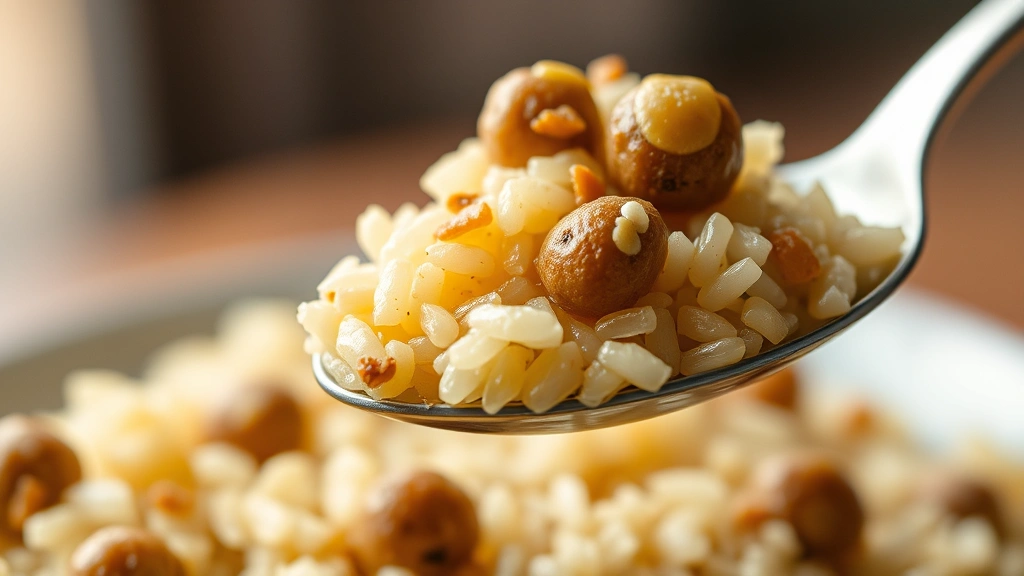
- **Fresh vs. canned gandules**: Canned gandules are perfectly acceptable and widely used. However, if you can find fresh gandules at Latin markets, they offer superior texture. Fresh gandules require longer cooking—simmer them in broth for 45 minutes until tender before adding rice.
- **Rice type selection**: Long-grain white rice is traditional, but jasmine or basmati varieties work beautifully and cook reliably. Avoid arborio or short-grain rice, which will become too starchy and mushy.
- **Liquid-to-rice ratio**: The standard is 4 cups liquid to 3 cups rice. If you need to scale the recipe, maintain this 4:3 ratio. For softer rice, use slightly more liquid; for firmer rice, reduce liquid slightly.
- **Don’t lift the lid**: Resist the urge to check on the rice while it cooks. Lifting the lid releases steam and disrupts the cooking process. Trust the timing and only check at the 18-minute mark.
- **Resting is crucial**: Those final 5 minutes of resting allow the rice to finish cooking gently and helps it achieve the perfect texture. Don’t skip this step.
- **Storage and reheating**: Leftover arroz con gandules keeps refrigerated for up to 4 days. Reheat gently in a covered skillet over low heat with a splash of broth to restore moisture. Microwave reheating works but can dry out the rice.
- **Customization options**: Add diced pimentos, capers, or sliced hard-boiled eggs for variation. Some families add diced ham or bacon. Adjust vegetables and proteins to suit your preferences while maintaining the traditional flavor foundation.
- **Serving suggestions**: Serve alongside pernil (slow-roasted pork shoulder), roasted chicken, fried fish, or grilled seafood. It pairs beautifully with tostones, fresh avocado, and a crisp salad.
- **Make-ahead tip**: You can prepare the sofrito base and have it ready in advance. Store it in an airtight container in the refrigerator for up to 2 days, then proceed with adding rice and broth when ready to cook.