
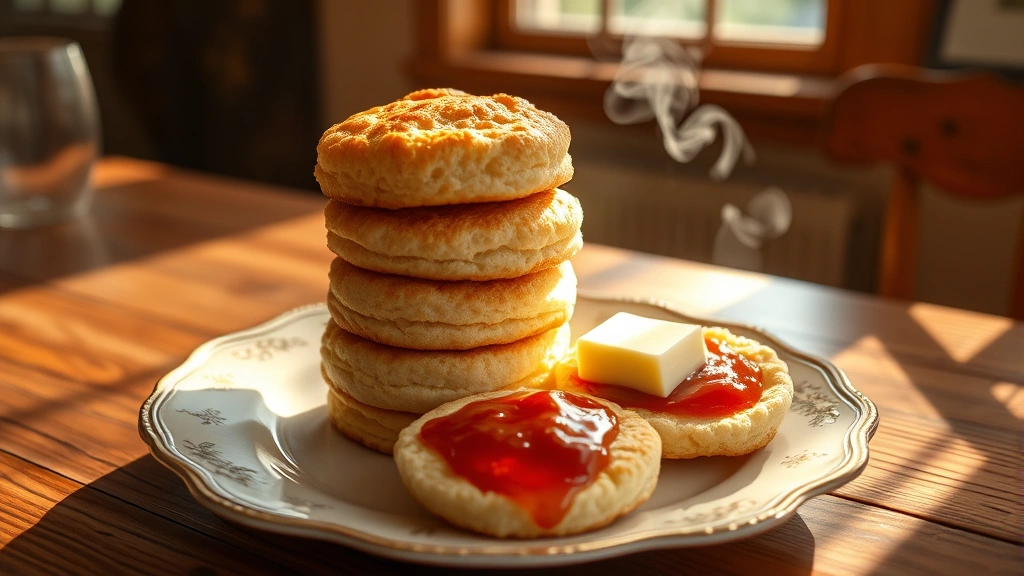
There’s nothing quite like the aroma of fresh-baked biscuits wafting through your kitchen on a lazy Sunday morning. These flaky biscuits are the ultimate comfort food—crispy on the outside, tender and buttery on the inside, and absolutely irresistible whether you’re serving them at breakfast, lunch, or dinner. After years of perfecting this recipe, I can confidently say this is the BEST flaky biscuit recipe you’ll ever make.
The secret to achieving those gorgeous, separated layers lies in three key elements: cold butter, proper lamination technique, and minimal handling of the dough. Unlike dense, cakey biscuits, these beauties have a delicate, flaky texture that rivals any Southern bakery. The technique might seem intimidating at first, but once you master it, you’ll be making these weekly. Pair them with our buttermilk pancakes for the ultimate breakfast spread, or use them as the foundation for our famous sausage gravy.
What makes these biscuits truly special is the combination of all-purpose flour and cake flour, which creates the perfect structure without developing too much gluten. The buttermilk adds tanginess and helps activate the baking soda, creating that slight lift and tender crumb we’re after. Try our sweet potato variation for a fall-inspired twist, or keep things classic with this foolproof method.
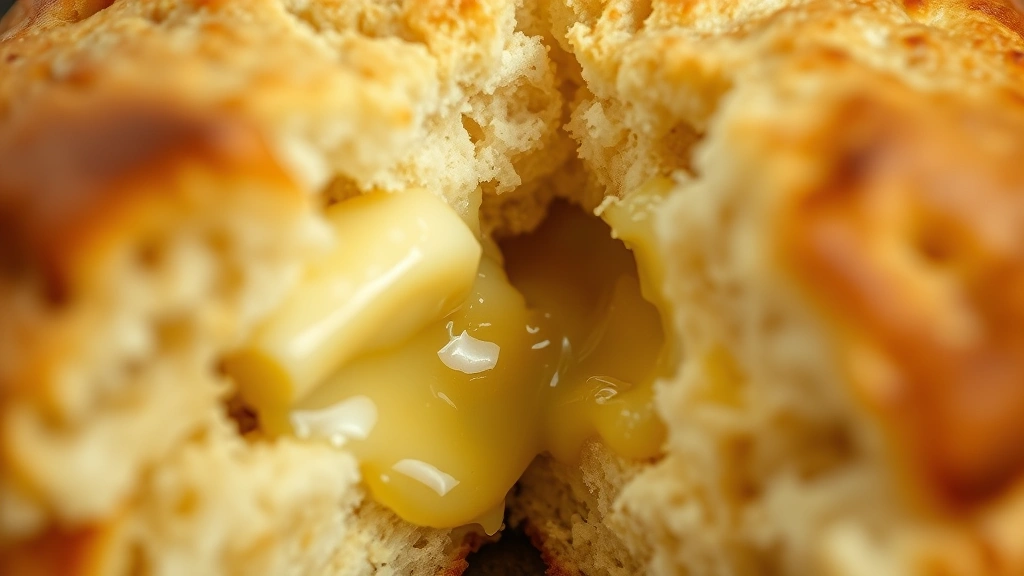
I’ve tested countless techniques over the years, from using vodka to freeze-dried butter, but this straightforward approach yields consistent, stunning results every single time. The key is understanding that biscuit-making is as much about technique as it is about ingredients. When you cut cold butter into flour, you’re creating tiny pockets that steam during baking, creating those coveted flaky layers. Add sharp cheddar and fresh herbs for a savory variation that’s perfect alongside soups and stews.
For more biscuit inspiration and troubleshooting tips, check out Bon Appétit’s classic buttermilk biscuits and Serious Eats’ detailed biscuit guide. These resources offer additional perspectives on achieving biscuit perfection. Whether you’re a seasoned baker or making biscuits for the first time, this recipe will become your go-to trusted method.
Ingredients
- 2 1/2 cups all-purpose flour
- 1/2 cup cake flour
- 1 tablespoon baking powder
- 1 teaspoon fine sea salt
- 1/2 teaspoon baking soda
- 12 tablespoons (1 1/2 sticks) cold unsalted butter, cubed
- 1 cup cold buttermilk, plus more for brushing
- 2 tablespoons honey or melted butter for topping
Instructions
- Preheat your oven to 450°F (230°C) and line a baking sheet with parchment paper. Having your oven ready ensures proper rise and browning, so don’t skip this step.
- In a large mixing bowl, whisk together the all-purpose flour, cake flour, baking powder, sea salt, and baking soda. Make sure to break up any lumps in the baking powder so your biscuits rise evenly throughout.
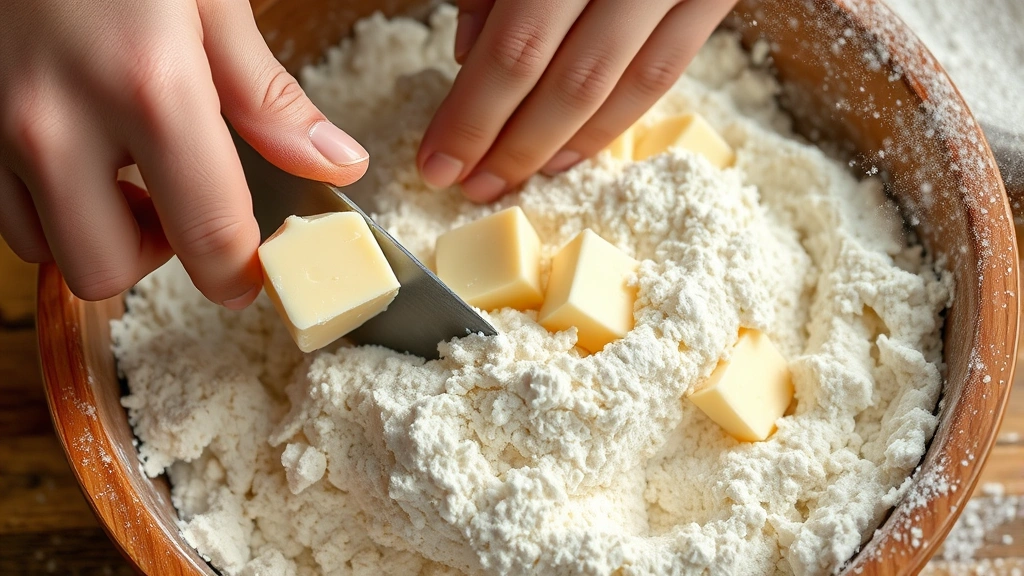
- Add the cold cubed butter to the flour mixture. Using a pastry cutter, two knives, or your fingertips, work the butter into the flour until the mixture resembles coarse breadcrumbs with some pea-sized pieces of butter still visible—this is crucial for flakiness.
- Create a well in the center of the mixture and pour in the cold buttermilk. Using a wooden spoon or your hand, gently stir until just combined. The dough should be slightly shaggy and wet; avoid overmixing as this develops gluten and results in tough biscuits.
- Turn the dough out onto a lightly floured surface and gently bring it together with your hands, being careful not to compress it. Pat it into a rough rectangle about 3/4-inch thick.
- Fold the dough in thirds like a letter—fold the top third down, then the bottom third up. Rotate 90 degrees and repeat this folding process two more times. This creates the laminated layers that make biscuits flaky.
- After the final fold, gently pat the dough to about 3/4-inch thickness. Using a sharp 2-inch biscuit cutter or drinking glass, cut out biscuits, pressing straight down without twisting (twisting seals the edges and prevents rise).
- Place biscuits on the prepared baking sheet, leaving about 2 inches between each one. Brush the tops generously with buttermilk and let them rest for 5 minutes while the oven finishes preheating.
- Place the baking sheet in the preheated 450°F oven and bake for 12-14 minutes, until the biscuits are golden brown on top and have risen beautifully.
- Remove from the oven and brush the hot biscuits with melted butter or honey for extra richness and shine. Serve immediately while they’re still warm and the butter is soaking in.
Pro Tips
- **Cold ingredients are non-negotiable**: Keep your butter, buttermilk, and even your mixing bowl in the refrigerator before starting. Cold butter creates steam pockets during baking, which is essential for flakiness.
- **Don’t overwork the dough**: This is the most common mistake home bakers make. Mix just until the ingredients come together. The dough will look slightly rough and that’s exactly what you want.
- **The twist test**: When cutting biscuits, press the cutter straight down and pull it straight up without twisting. Twisting seals the edges and prevents the biscuits from rising properly.
- **Folding technique**: The three folds create the laminated layers. Think of it like making puff pastry, but simpler. Each fold compounds the layers, creating that beautiful flakiness.
- **Flour variations**: Using a mix of all-purpose and cake flour creates the ideal texture. All-purpose alone can sometimes yield denser biscuits, while cake flour alone makes them too tender and crumbly.
- **Buttermilk is key**: The acidity in buttermilk reacts with the baking soda, creating lift and tender crumb. Regular milk won’t provide the same results. If you don’t have buttermilk, make a substitute by adding 1 tablespoon of lemon juice or vinegar to regular milk and letting it sit for 5 minutes.
- **Baking soda ratio**: Make sure you have both baking powder AND baking soda. They work together to create rise and browning.
- **Oven temperature matters**: A 450°F oven is hot enough to create steam and browning before the biscuits fully set, ensuring flakiness and golden color.
- **Resting time**: Those final 5 minutes of resting allow the gluten to relax and the leavening agents to activate slightly, contributing to better rise.
- **Topping options**: While butter is classic, try brushing with cream, egg wash, or even herbed butter for variations.
- **Make-ahead option**: You can cut the biscuits, freeze them on a baking sheet for 2 hours, then bake directly from frozen, adding 1-2 minutes to the baking time.
- **Troubleshooting dense biscuits**: This usually means overmixing or warm butter. Keep everything cold and mix minimally.
Pingback: How to Make the Perfect Salmon Wellington Recipe! – Simple Recipe Finder
Pingback: How to make the TASTIEST Clam Pasta Recipe Ever! – Simple Recipe Finder
Pingback: How to make the BEST Green Goddess Salad Recipe! – Simple Recipe Finder
Pingback: Simple Old-Fashioned Vegetable Beef Soup Recipe – Simple Recipe Finder
Pingback: How to make the BEST Sub Roll Recipe Ever! – Simple Recipe Finder