
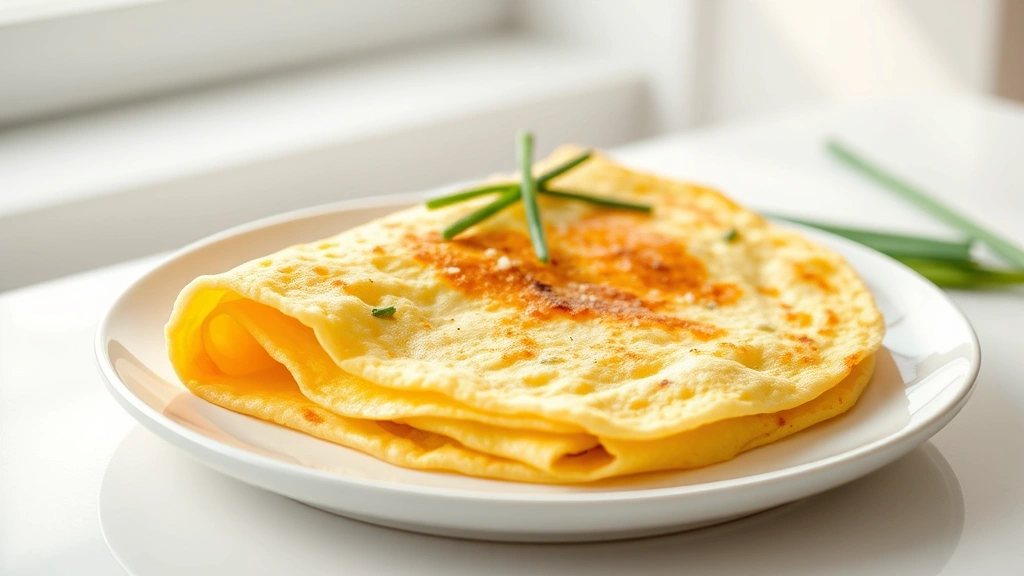
There’s something magical about a perfectly cooked egg white omelette – it’s light, fluffy, and endlessly customizable while being naturally protein-packed and lower in fat than traditional omelettes. This classic French technique has been elevated by home cooks everywhere, and once you master the basics, you’ll find yourself making them for breakfast, lunch, or even a quick dinner. The key to the BEST egg white omelette lies in three essential elements: proper temperature control, the right folding technique, and quality ingredients that let the eggs shine.
I’ve been perfecting my egg cooking techniques for years, and I’m thrilled to share my foolproof method with you. This recipe is inspired by classic French culinary traditions while remaining approachable for home cooks of all skill levels. Whether you’re looking to incorporate more protein into your breakfast or simply want to master a timeless dish, this guide will walk you through every step with precision and care.
The beauty of an egg white omelette is its versatility – you can keep it simple with just butter and herbs, or load it up with your favorite vegetables, cheeses, and proteins. I’ve tested dozens of combinations in my kitchen, and I’m sharing the techniques that consistently produce restaurant-quality results. From whisking to folding, every detail matters when you’re working with such simple, elegant ingredients.
What makes this recipe special is the attention to detail in each step. We’re not just scrambling eggs; we’re creating a tender, creamy canvas that showcases the pure flavor of quality eggs. The ratio of eggs to butter, the heat level, and the timing all work together to create that coveted texture that’s neither rubbery nor undercooked.
Many home cooks struggle with omelettes because they rush the process or use too high heat. This recipe breaks down the technique into manageable steps that demystify the process. You’ll learn the exact moment to add your fillings, how to achieve that perfect fold, and the secret to getting a beautiful golden exterior without overcooking the interior. Once you’ve mastered the basic technique, you can visit our collection of vegetable omelette variations or explore other protein-rich breakfast options.
I recommend checking out Serious Eats’ comprehensive omelette guide for additional inspiration, and Bon Appétit’s French omelette tutorial for classic techniques. For those interested in egg science, the New York Times offers excellent egg cooking science. You’ll also find that Serious Eats’ egg cooking fundamentals complement this recipe beautifully, and Bon Appétit’s egg recipe collection provides endless inspiration for using your newfound skills.
Ingredients
- 3 large egg whites, room temperature
- 1 tablespoon unsalted butter, divided
- 1/4 teaspoon fine sea salt
- 1/8 teaspoon freshly ground black pepper
- 1 tablespoon fresh chives, finely chopped
- 1/2 cup desired fillings (cheese, vegetables, ham, or combination)
- Pinch of fresh herbs (optional: tarragon, parsley, or dill)

Instructions
- Separate your eggs carefully, ensuring no yolk gets into the whites – even a tiny amount of yolk will prevent proper whipping. Place the egg whites in a medium mixing bowl.
- Let the egg whites sit at room temperature for 5 minutes to ensure they’re completely room temperature before whisking – this helps them whip to maximum volume.
- Using an electric mixer or whisk, beat the egg whites on medium-high speed for 2-3 minutes until they form soft peaks with some body but still look slightly glossy and flow slightly when tilted.
- Add the sea salt and black pepper to the whipped egg whites and gently fold them in using a rubber spatula with 3-4 careful strokes – don’t overmix or you’ll deflate your fluffy whites.
- Heat an 8-inch non-stick skillet over medium heat for about 1 minute until it’s warm but not hot – you should be able to hold your hand near it comfortably.
- Add 1/2 tablespoon of butter to the pan and let it melt completely, tilting the pan to coat the bottom and sides evenly with a thin layer of golden butter.
- Pour the whipped egg whites into the center of the pan and use a spatula to gently push the cooked portions toward the center while tilting the pan so uncooked egg flows to the edges.
- When the bottom is set but the top is still slightly wet (about 2-3 minutes), sprinkle your desired fillings over half of the omelette, leaving a 1-inch border.
- Add the fresh chives and any optional herbs over the fillings, then dot with the remaining 1/2 tablespoon of butter around the pan for extra richness.
- When the top is just barely set but still has a slight jiggle in the center, use your spatula to carefully fold the omelette in half over the fillings.
- Slide the omelette onto a warm plate immediately – carryover heat will finish cooking any remaining wet spots on top.
- Serve immediately while the omelette is still warm and the fillings are heated through, with additional fresh herbs or a drizzle of hot sauce on the side if desired.
Pro Tips
- Room temperature eggs are crucial for achieving maximum volume when whipping – cold eggs won’t whip properly no matter how long you beat them. Take them out of the refrigerator 10 minutes before starting if needed.
- The key to a fluffy omelette is not overbeating the egg whites – you want soft peaks, not stiff peaks. Overbeaten whites become grainy and won’t cook into a tender texture.
- Non-stick cookware is highly recommended for omelettes, as it allows you to slide and fold without tearing. If you only have stainless steel, season it very well with butter.
- Medium heat is essential – high heat will set the bottom too quickly before the top can cook through, resulting in a rubbery exterior and undercooked interior.
- Prepare all your fillings before you start cooking, as the omelette cooks quickly and you won’t have time to chop vegetables or grate cheese once you begin.
- For best results, use fresh, high-quality eggs – the difference in flavor is remarkable and becomes even more noticeable in simple dishes like omelettes where eggs are the star ingredient.
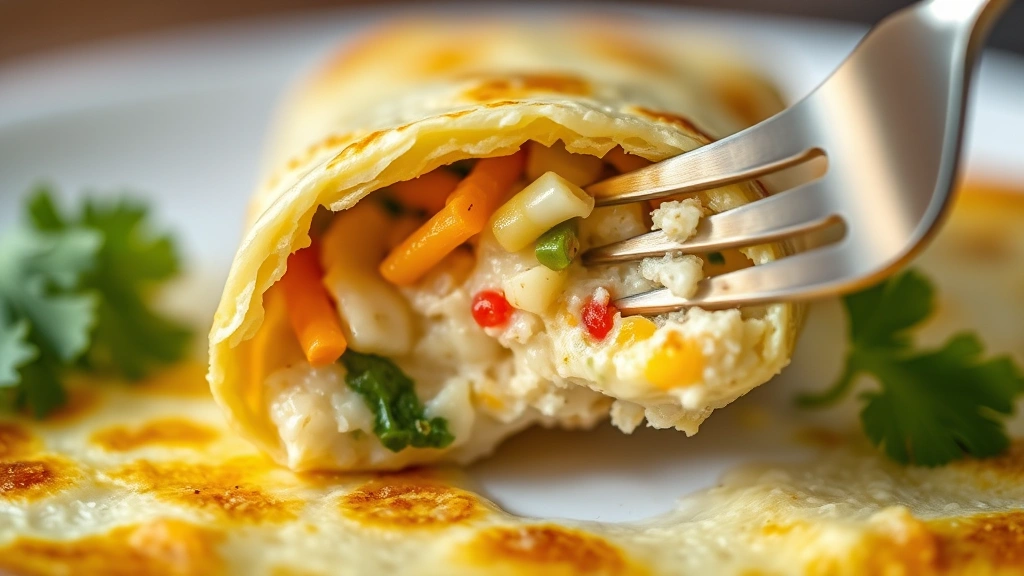
- Common fillings include sautéed mushrooms, caramelized onions, fresh spinach, diced bell peppers, cheese (cheddar, Swiss, feta, or goat cheese all work beautifully), smoked salmon, diced ham, or fresh herbs.
- If your omelette tears when folding, don’t worry – it still tastes delicious! Simply serve it open-faced and enjoy the same wonderful flavors.
- Egg whites contain no fat and minimal cholesterol, making this an excellent option for health-conscious diners. However, egg yolks contain important nutrients like choline, so don’t exclude them from your regular diet.
- This recipe easily scales up – use 6 egg whites for a larger, heartier omelette, though you may need to use a 10-inch pan and add about 1 minute to the cooking time.
- Leftover egg whites keep well in the refrigerator for up to 4 days and can be used for angel food cake, meringues, or protein-packed smoothies.
- For a savory twist, add 1/4 teaspoon of garlic powder or a pinch of smoked paprika to the egg whites before whisking.
Pingback: How to make the Best Keto Chicken Recipe – So Delicious! – Simple Recipe Finder