
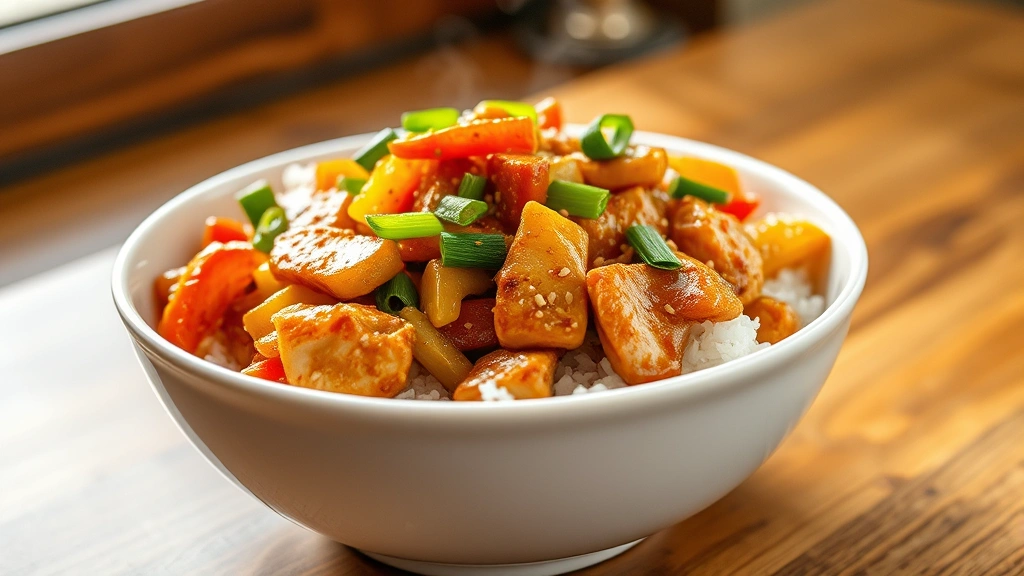
There’s something magical about the sizzle of a hot wok and the aromatic blend of garlic, ginger, and soy sauce coming together in perfect harmony. This Easy Asian Stir-Fry recipe is my go-to weeknight dinner—it’s quick, delicious, and honestly feels like you’re ordering takeout from your favorite restaurant, except it’s homemade and so much better.
I’ve been making stir-fries for years, and I’ve learned that the secret to restaurant-quality results at home isn’t fancy techniques or hard-to-find ingredients. It’s all about prep work, a hot pan, and confidence. This recipe uses simple, accessible ingredients that you probably already have in your pantry, and it comes together in under 30 minutes from start to finish.
What I love most about stir-fries is their versatility. You can use whatever protein and vegetables you have on hand, making it the perfect solution for cleaning out your fridge while creating something absolutely delicious. Whether you’re cooking for yourself on a busy Tuesday or feeding a family of four, this recipe scales beautifully and impresses every single time.
The beauty of this dish lies in the balance of flavors—savory soy sauce, the warmth of fresh ginger, the punch of garlic, and just a touch of sweetness to round everything out. I’ve included a homemade sauce that takes just minutes to whisk together, and trust me, it’s so much better than any jarred version you’ll find at the grocery store. Plus, you’ll know exactly what’s going into your food, with no mysterious additives or preservatives.
I always recommend having all your ingredients prepped and ready before you start cooking—this is what chefs call “mise en place.” It makes the actual cooking process smooth and stress-free, and ensures everything cooks evenly and beautifully. Once you start stir-frying, things move quickly, so having everything at arm’s reach is essential.
This recipe is perfect served over steamed white rice, brown rice, or even cauliflower rice if you’re watching your carbs. Some of my favorite add-ins include cashews for extra crunch, fresh cilantro for brightness, or a sprinkle of sesame seeds for nutty flavor. You can also drizzle with a bit of sesame oil at the end for that authentic Asian restaurant flavor.
For more stir-fry inspiration and variations, check out this vegetable stir-fry guide or explore beef and broccoli variations. If you’re looking to expand your Asian cooking skills, I also have a fantastic fried rice recipe that uses similar techniques and flavors. And for those interested in the sauce components, my homemade soy sauce glaze post breaks down each ingredient and how to customize it to your taste.
For additional inspiration and techniques, check out Bon Appétit’s chicken stir-fry guide, Serious Eats’ comprehensive stir-fry tutorial, and New York Times’ chicken stir-fry recipe. These resources offer fantastic variations and pro tips for perfecting your stir-fry game.
I guarantee that once you master this basic technique, you’ll be making stir-fries constantly. It’s economical, healthy, and absolutely crave-worthy. Let me know in the comments what your favorite stir-fry combinations are—I’m always looking for new inspiration!
Ingredients
- 3 tablespoons vegetable oil or peanut oil, divided
- 1 pound chicken breast, sliced into thin strips (or beef, shrimp, or tofu)
- 1 medium onion, sliced into thin wedges
- 3 cloves garlic, minced
- 1 tablespoon fresh ginger, minced or grated
- 2 cups broccoli florets, cut into bite-sized pieces
- 1 bell pepper (any color), sliced into strips
- 1 cup snap peas or snow peas
- 2 medium carrots, julienned or thinly sliced
- 3 green onions, cut into 1-inch pieces
- ¼ cup low-sodium soy sauce
- 2 tablespoons oyster sauce
- 1 tablespoon rice vinegar
- 1 tablespoon honey or brown sugar
- 1 teaspoon sesame oil
- 1 teaspoon cornstarch
- 2 tablespoons water
- ¼ teaspoon red pepper flakes (optional)
- Sesame seeds for garnish
- Cooked rice for serving
Instructions
- Prepare all ingredients by slicing, mincing, and measuring everything. Place them in separate bowls or on a prep board—this is crucial for smooth cooking.
- In a small bowl, whisk together soy sauce, oyster sauce, rice vinegar, honey, sesame oil, and red pepper flakes. In another small bowl, mix cornstarch with water to create a slurry. Set both aside.
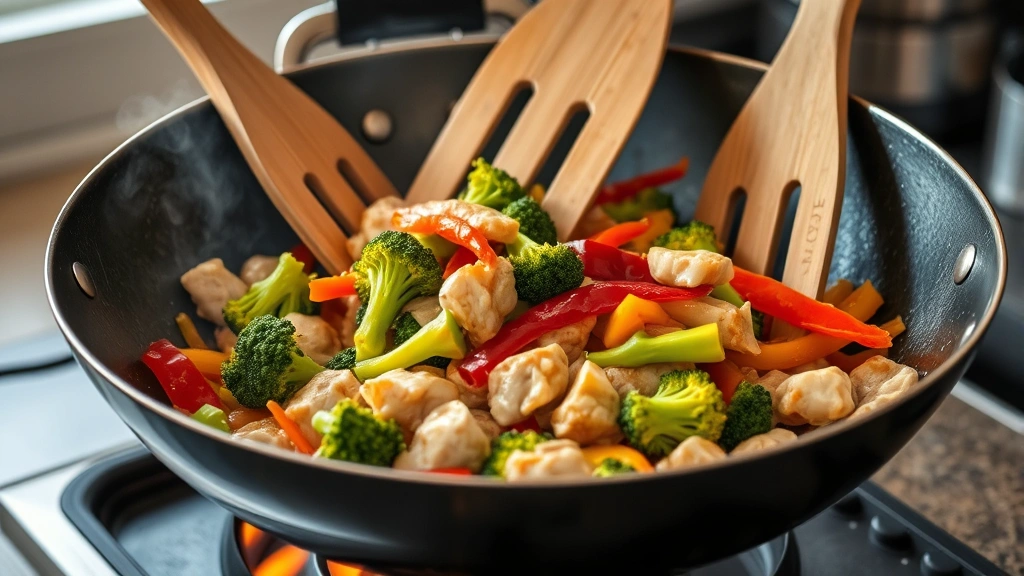
- Heat a large wok or skillet over high heat for 2 minutes until very hot. Add 1½ tablespoons of oil and swirl to coat the pan.
- Once the oil is shimmering and just beginning to smoke, carefully add the chicken strips in a single layer. Let them cook undisturbed for 2 minutes to develop color.
- Stir the chicken and continue cooking for another 2-3 minutes until cooked through and golden brown. Transfer the cooked chicken to a clean plate.
- Add the remaining 1½ tablespoons of oil to the wok. Add the sliced onions and cook for 1-2 minutes, stirring constantly, until they begin to soften.
- Add the minced garlic and ginger to the wok, stirring constantly for about 30 seconds until fragrant—be careful not to let it burn.
- Add the broccoli florets, bell pepper strips, snap peas, and carrots to the wok. Stir-fry continuously for 3-4 minutes until the vegetables are tender-crisp and still have a bit of crunch.
- Pour the prepared sauce mixture into the wok, stirring well to coat all the vegetables. Cook for about 1 minute.
- Stir the cornstarch slurry to recombine, then pour it into the wok while stirring constantly. This will thicken the sauce beautifully.
- Return the cooked chicken to the wok, along with the green onions. Toss everything together for about 1 minute until heated through and well combined.
- Taste and adjust seasonings as needed—add more soy sauce for saltiness, more vinegar for tang, or more honey for sweetness according to your preference.
- Transfer the stir-fry to serving bowls and serve immediately over steamed rice. Garnish with sesame seeds and additional green onions if desired.
Pro Tips
- **Protein options**: This recipe works beautifully with chicken breast, but you can easily substitute beef sirloin, shrimp, pork tenderloin, or extra-firm tofu for a vegetarian option. Adjust cooking times accordingly—shrimp cooks faster (2-3 minutes total), while tofu needs gentle handling.
- **Vegetable substitutions**: Feel free to use any vegetables you have on hand. Zucchini, mushrooms, bok choy, cabbage, and water chestnuts all work wonderfully. Aim for a variety of colors and textures for visual appeal and nutritional balance.
- **High heat is essential**: The key to restaurant-quality stir-fry is cooking at high heat. This creates the characteristic slightly caramelized exterior on proteins and vegetables while keeping them tender inside. Make sure your pan is properly preheated.
- **Don’t overcrowd the pan**: If you’re making this for a crowd, it’s better to cook in batches rather than overcrowding the wok. Overcrowding drops the temperature and causes steaming instead of stir-frying.
- **Sauce customization**: Adjust the sauce to your taste preferences. For spicier stir-fry, increase the red pepper flakes or add sriracha. For sweeter, add more honey. For tangier, add more rice vinegar or a squeeze of lime juice.
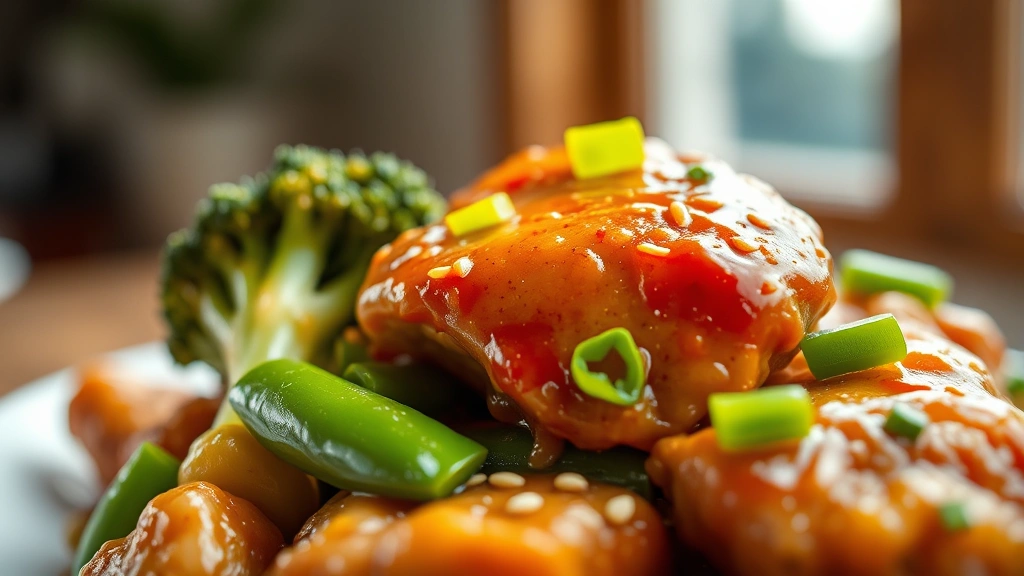
- **Cornstarch slurry**: This is what creates the glossy, thick sauce. Make sure to stir it just before adding to the wok, as cornstarch settles quickly. If your sauce seems too thick, add a tablespoon of water at a time.
- **Sesame oil**: This adds authentic Asian flavor, but use sparingly as it’s quite potent. Never cook with it at high heat; always add it at the end for maximum flavor.
- **Make-ahead tips**: Prep all ingredients up to 8 hours ahead and store in the refrigerator in separate containers. Mix the sauce and cornstarch slurry ahead too. The actual cooking takes just 12 minutes once you start.
- **Serving suggestions**: Serve over jasmine rice, brown rice, cauliflower rice, or even rice noodles. A side of steamed dumplings or spring rolls makes it a complete meal.
- **Leftovers**: Store in an airtight container in the refrigerator for up to 3 days. Reheat gently in a wok or skillet, adding a splash of water if the sauce has thickened too much during storage.
Pingback: How to make a Simple Japanese Soup Recipe (So Tasty!) – Simple Recipe Finder