
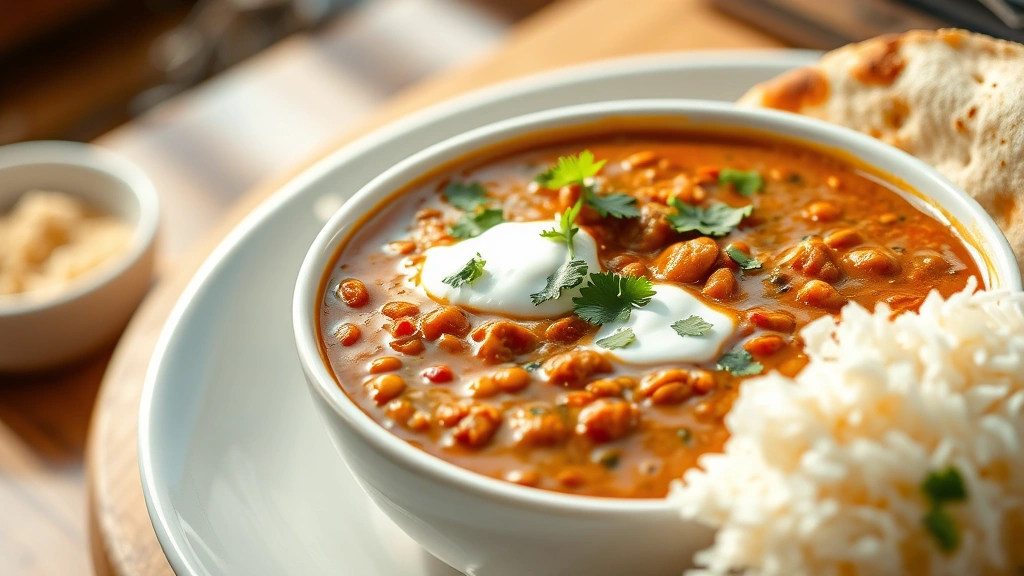
Daal masoor, or red lentil curry, is one of my absolute favorite weeknight dinners—it’s comforting, nutritious, and comes together in under 30 minutes. This quick and easy recipe is perfect for busy families who want something homemade and delicious without spending hours in the kitchen. The beauty of this dish lies in its simplicity: just a handful of pantry staples transform into a creamy, flavorful curry that tastes like you’ve been cooking all day.
I first fell in love with daal masoor during a trip to India, where I watched a local cook prepare it with such ease and confidence. She taught me that the secret isn’t in complicated techniques or obscure ingredients—it’s in building layers of flavor through properly toasted spices and giving the lentils enough time to break down into a silky sauce. Since then, this recipe has become a staple in my kitchen, and I’ve made it hundreds of times with consistent, delicious results.
What makes red lentils so special is their natural creaminess. Unlike other lentils that hold their shape, red lentils break down beautifully as they cook, creating that luxurious, almost butter-like texture that makes this dish so satisfying. Combined with aromatic spices like cumin, coriander, and turmeric, along with the warmth of ginger and garlic, you get a curry that’s deeply flavorful and utterly comforting.
This daal masoor recipe is incredibly versatile. Serve it over perfectly cooked rice, with warm homemade naan bread, or alongside a crisp salad for a lighter meal. It also freezes beautifully, making it perfect for meal prep. I often double the batch and freeze half for those evenings when I need dinner on the table but haven’t had time to cook. The flavors actually deepen after a day or two, so leftovers are always a treat.
Whether you’re new to Indian cooking or a seasoned pro, this quick and easy daal masoor recipe will become your go-to comfort food. It’s budget-friendly, packed with protein and fiber, and tastes absolutely incredible. Let me show you how to make it!
Ingredients
- 2 tablespoons ghee or vegetable oil
- 1 medium yellow onion, finely diced
- 4 cloves garlic, minced
- 1 tablespoon fresh ginger, minced
- 2 teaspoons ground cumin
- 1 teaspoon ground coriander
- 1 teaspoon turmeric powder
- ½ teaspoon red chili powder (adjust to taste)
- ¼ teaspoon cayenne pepper (optional, for extra heat)
- 1 cup red lentils (masoor dal), rinsed thoroughly
- 3½ cups vegetable or chicken broth
- 1 can (14.5 oz) diced tomatoes, undrained
- 1 teaspoon salt (adjust to taste)
- ½ teaspoon black pepper
- 1 teaspoon garam masala
- ½ teaspoon ground fenugreek leaves (kasuri methi), optional
- 1 tablespoon fresh lemon juice
- Fresh cilantro, chopped, for garnish
- Coconut milk (optional, ¼ cup for creaminess)
Instructions
- Rinse the red lentils thoroughly under cold running water until the water runs clear. This removes excess starch and helps them cook more evenly. Set aside.
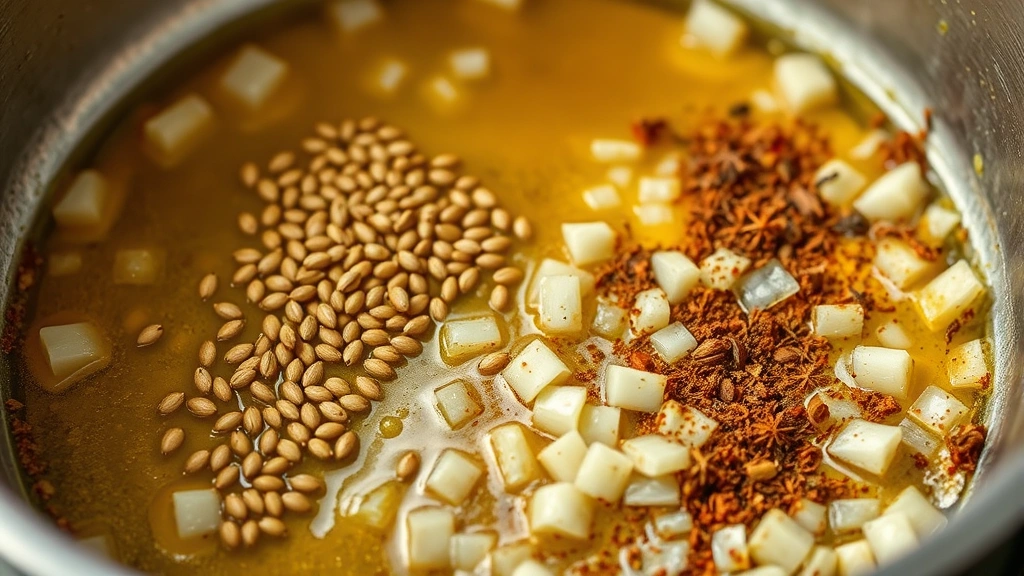
- Heat ghee or oil in a large pot or Dutch oven over medium heat. Once shimmering, add the diced onion and cook for 4-5 minutes, stirring occasionally, until the onion becomes soft and translucent.
- Add the minced garlic and fresh ginger to the pot, stirring constantly for about 1 minute until fragrant. Be careful not to let the garlic burn, as this can make the curry bitter.
- Add the ground cumin, coriander, turmeric, red chili powder, and cayenne pepper (if using) to the pot. Stir well to combine with the onion, garlic, and ginger, cooking for 1-2 minutes until the spices become fragrant and begin to coat the aromatics.
- Pour in the rinsed red lentils and stir to combine with the spice mixture, coating them evenly. Toast the lentils for about 1 minute, which helps develop their flavor.
- Add the vegetable or chicken broth and the can of diced tomatoes with their juice to the pot. Stir well to combine all ingredients, making sure there are no lumps of spices at the bottom.
- Bring the mixture to a boil over medium-high heat, then reduce the heat to medium-low and simmer uncovered for 18-22 minutes, stirring occasionally. The lentils will begin to break down and the mixture will thicken.
- As the lentils cook, they’ll start to fall apart and create a creamy texture. If you prefer a thinner consistency, add more broth or water. If you prefer it thicker, let it cook a bit longer.
- Once the lentils are completely soft and have broken down (they should look almost like a puree), add the salt, black pepper, and garam masala. Stir well to combine.
- Taste the curry and adjust the seasonings as needed. Add more salt for depth, more chili powder for heat, or more garam masala for aromatic warmth.
- Stir in the optional kasuri methi (dried fenugreek leaves) if using, which adds a subtle, authentic flavor. Follow with the fresh lemon juice, which brightens the flavors beautifully.
- If you’d like a creamier daal, stir in ¼ cup of coconut milk now. This adds richness and balances the spices beautifully, though it’s entirely optional.
- Simmer for an additional 2-3 minutes to allow all the flavors to meld together, then remove from heat.
- Transfer the daal masoor to a serving dish and garnish generously with fresh chopped cilantro. Serve hot with basmati rice, warm naan, or your favorite Indian bread.
Pro Tips
- **Red Lentil Quality Matters**: Use high-quality red lentils for the best texture. Split red lentils cook faster and create a creamier consistency than whole red lentils. Always rinse them thoroughly to remove dust and debris.
- **Spice Toast Technique**: Toasting whole spices or ground spices in fat before adding liquid is crucial in Indian cooking. This process, called tempering, releases the essential oils and deepens the flavor significantly. Never skip this step—it’s what makes homemade daal taste authentic.
- **Adjust Heat Level**: The amount of chili powder can be adjusted based on your heat preference. Start with ½ teaspoon if you’re sensitive to spice, and add more gradually. You can always add heat, but you can’t remove it.
- **Broth Selection**: Vegetable broth works beautifully for vegetarian daal, while chicken broth adds extra depth. Avoid beef broth, which can overpower the delicate spices. For best results, use homemade broth if available.
- **Lemon Juice Importance**: The acid from fresh lemon juice is essential for brightening the flavors and balancing the richness of the curry. Add it just before serving for maximum impact. Lime juice works beautifully as a substitute.
- **Consistency Control**: The final consistency depends on personal preference. Some people prefer a thick, stew-like daal, while others like it thinner, almost soup-like. Add broth gradually to achieve your desired thickness.
- **Make-Ahead Instructions**: Daal masoor actually tastes better the next day as flavors deepen and meld. Make it up to 3 days ahead and refrigerate in an airtight container. Reheat gently over medium-low heat, adding a splash of water if needed.
- **Freezing for Meal Prep**: This curry freezes beautifully for up to 3 months. Freeze in individual portions in freezer-safe containers for easy weeknight meals. Thaw overnight in the refrigerator and reheat gently on the stovetop.
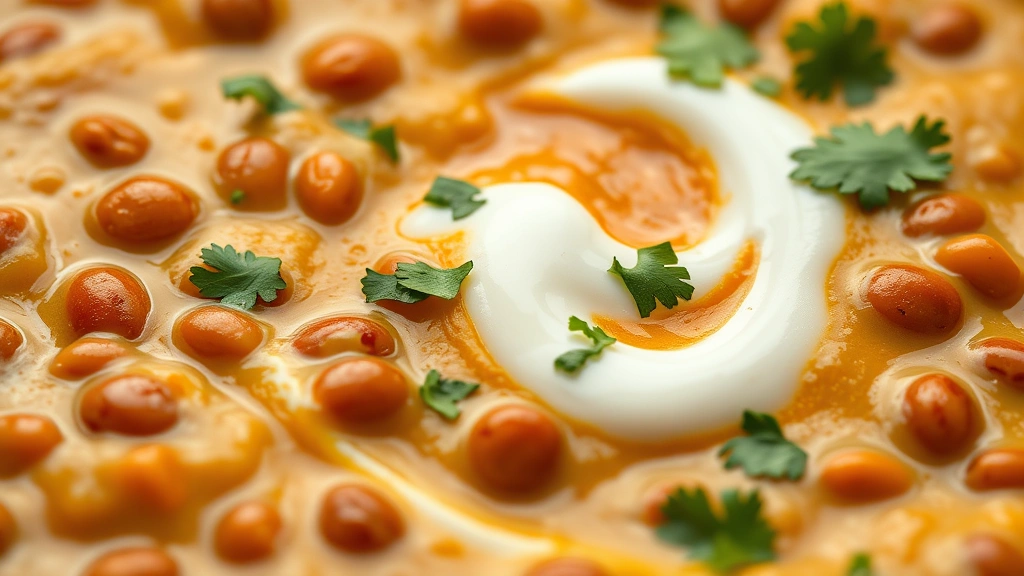
- **Garnish Ideas**: Beyond cilantro, top with a dollop of yogurt, fried onions, or a drizzle of cilantro oil for extra flavor and texture. Fresh mint also works beautifully as a garnish.
- **Serving Suggestions**: Serve alongside fragrant basmati rice, with warm naan or roti, cucumber raita, pickled onions, or a simple green salad. This daal pairs beautifully with tandoori chicken or roasted vegetables for a complete meal.
- **Vegan Adaptations**: Use vegetable broth and coconut oil instead of ghee. The curry is naturally vegan-friendly otherwise. Skip the yogurt garnish and use dairy-free alternatives if desired.
- **Spice Alternatives**: If you don’t have garam masala, you can substitute with additional cumin or coriander. If kasuri methi isn’t available, simply omit it—the curry will still be delicious.
- **Storage Tips**: Keep leftovers in an airtight container in the refrigerator for up to 4 days. The flavors will deepen, making it even more delicious. Reheat gently on the stovetop, adding water or broth as needed to reach desired consistency.