
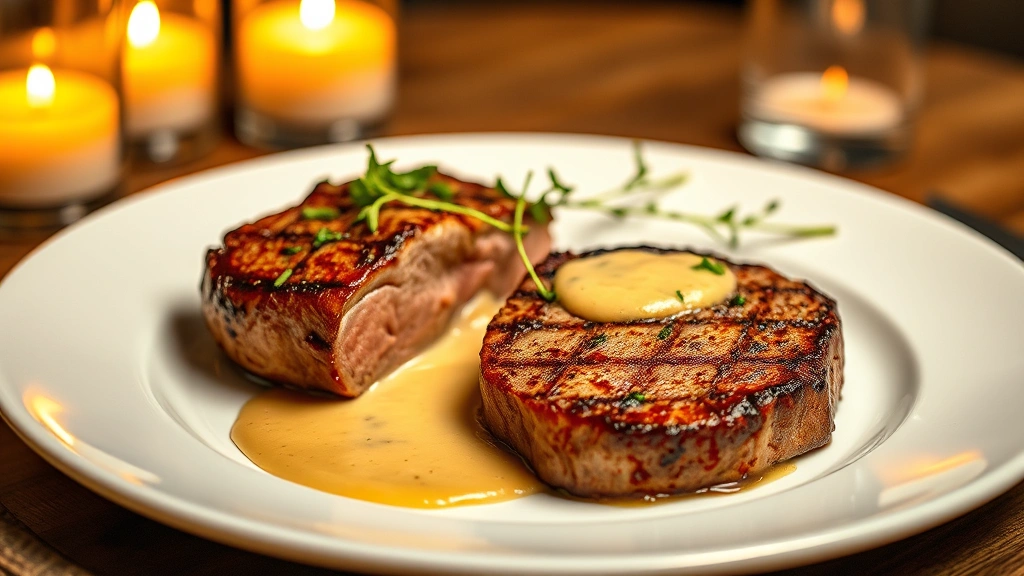
Deer tenderloin is one of the most prized cuts of venison, and when prepared correctly, it rivals the finest beef filet mignon. This elegant protein deserves a recipe that honors its delicate flavor and tender texture. The key to perfection lies in understanding that venison is naturally lean, which means it requires a thoughtful approach to cooking—we’re talking quick searing over high heat, a beautiful crust, and a perfectly pink center.
I’ve been cooking venison for years, and I can tell you that the biggest mistake people make is overcooking it. Because there’s so little fat in deer meat, it can become dry and tough faster than you’d expect. That’s why we’re using a reverse-sear method combined with a flavorful marinade and a finishing sauce that adds richness and moisture to every bite.
This recipe is perfect for a special dinner party or a celebratory meal. It comes together in about 45 minutes from start to finish, and the results are absolutely restaurant-worthy. Pair it with creamy mashed potatoes and roasted asparagus for a truly memorable meal.
The marinade I use features red wine, garlic, and fresh herbs that complement venison’s rich, slightly gamey notes without overwhelming them. If you’re new to cooking venison, this recipe will show you just how spectacular it can be. The pan-searing technique creates an incredible golden crust while keeping the interior perfectly medium-rare.
What I love most about this recipe is its versatility. You can prepare it for an intimate dinner for two or scale it up for a larger gathering. The beauty of tenderloin is that it’s an individual cut, so each person gets their own perfectly portioned piece. I’ve also included tips for adapting this recipe if you prefer your venison cooked to medium, and suggestions for alternative marinades that work beautifully with this elegant cut.
For more detailed information on cooking venison, Serious Eats has excellent resources on game meat preparation. You might also enjoy exploring Bon Appétit’s venison collection for additional inspiration. The New York Times Cooking section also features several sophisticated venison preparations worth exploring.
Ingredients
- 2 pounds deer tenderloin, cut into 4 equal steaks (about 6-8 ounces each)
- 1 cup dry red wine (Cabernet Sauvignon works beautifully)
- 4 cloves garlic, minced
- 3 tablespoons fresh rosemary, finely chopped
- 2 tablespoons fresh thyme, finely chopped
- 3 tablespoons olive oil, divided
- 2 tablespoons balsamic vinegar
- 1 teaspoon Dijon mustard
- Sea salt and freshly cracked black pepper to taste
- 4 tablespoons butter, divided
- 2 shallots, minced
- 1 cup beef or venison stock
- ½ cup heavy cream
- 2 tablespoons fresh parsley for garnish
- 1 tablespoon fresh chives for garnish
Instructions
- In a small bowl, whisk together the red wine, minced garlic, rosemary, thyme, 2 tablespoons of olive oil, balsamic vinegar, and Dijon mustard to create the marinade.
- Pat the deer tenderloin steaks dry with paper towels and season generously on both sides with sea salt and freshly cracked black pepper.
- Place the steaks in a shallow dish or resealable bag and pour the marinade over them, making sure each piece is well coated.
- Cover the dish with plastic wrap and refrigerate for at least 15 minutes, or up to 4 hours for deeper flavor development.
- Remove the steaks from the refrigerator 10 minutes before cooking to allow them to come to room temperature.
- Remove the steaks from the marinade, reserving the liquid for the sauce. Pat the steaks dry with paper towels to ensure a good sear.
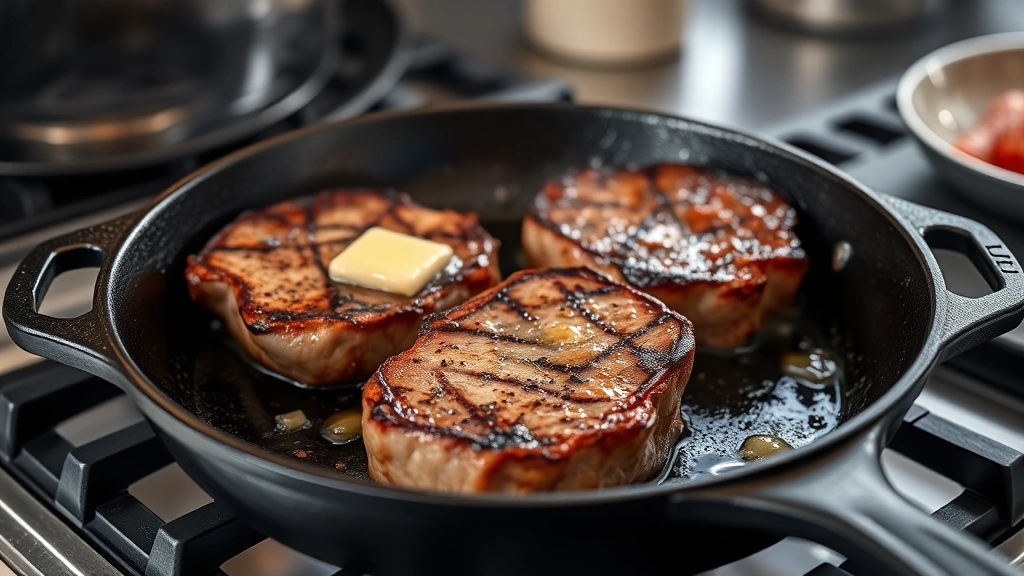
- Heat a large cast-iron skillet or stainless steel skillet over medium-high heat for 2-3 minutes until it’s very hot.
- Add the remaining 1 tablespoon of olive oil to the pan and swirl to coat evenly.
- Carefully place the deer steaks in the hot pan and sear without moving them for 3-4 minutes until a deep golden-brown crust forms on the first side.
- Flip the steaks and sear the other side for an additional 3-4 minutes for medium-rare doneness, adjusting timing based on thickness.
- Transfer the seared steaks to a warm plate and tent loosely with foil while you prepare the pan sauce.
- Reduce the heat to medium and add 2 tablespoons of butter to the same skillet.
- Add the minced shallots and sauté for 2 minutes until they become fragrant and begin to soften.
- Carefully pour the reserved marinade into the pan, scraping up all the browned bits from the bottom with a wooden spoon.
- Add the beef or venison stock and bring the mixture to a gentle simmer, cooking for 5-6 minutes until the sauce reduces by about one-third.
- Stir in the heavy cream and the remaining 2 tablespoons of butter, whisking until smooth and glossy.
- Taste the sauce and adjust seasoning with salt and pepper as needed.
- Return the venison steaks to the pan, nestling them into the sauce for just 1-2 minutes to gently warm through.
- Transfer each steak to a serving plate and spoon the rich pan sauce over the top.
- Garnish with fresh parsley and chives, and serve immediately with your choice of sides.
Pro Tips
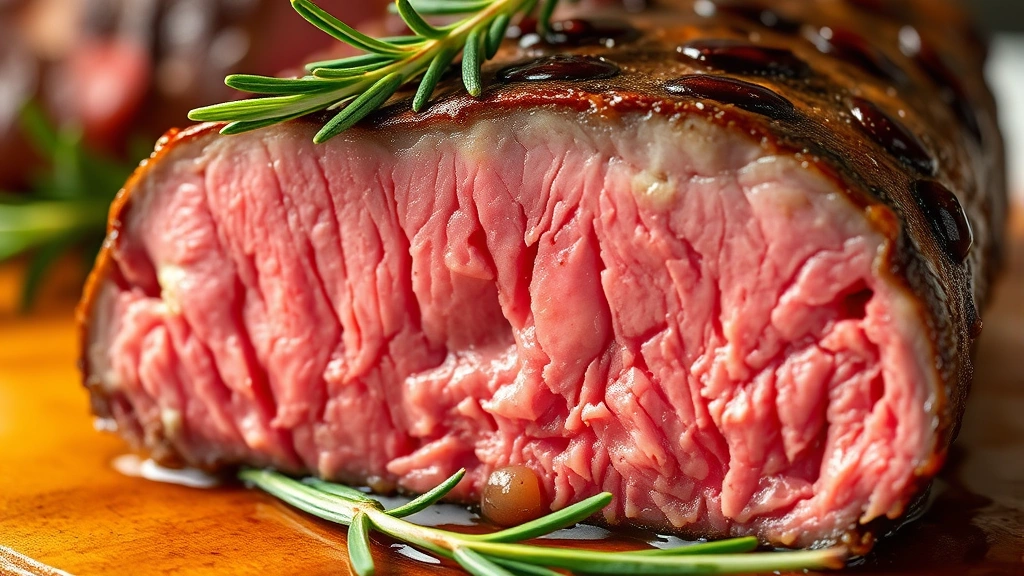
- Venison is significantly leaner than beef, so the cooking time is considerably shorter. Aim for medium-rare (130-135°F internal temperature) to keep the meat moist and tender. Use an instant-read meat thermometer for accuracy, as venison can dry out quickly if overcooked.
- If you prefer your venison cooked to medium rather than medium-rare, cook for an additional 1-2 minutes per side, but do not exceed 140°F internal temperature or the meat will become tough and dry.
- The quality of your venison matters tremendously. If you’re sourcing it from a hunter, ask about the age of the animal and how it was processed. Younger deer produce more tender meat. If purchasing from a specialty butcher or online, look for grass-fed or wild-caught venison.
- Room temperature meat cooks more evenly than cold meat straight from the refrigerator. Plan ahead and remove your steaks from the fridge about 10 minutes before cooking.
- Don’t skip the marinade. It not only adds flavor but also helps tenderize the lean meat through the acidity of the wine and vinegar. Even 15 minutes makes a noticeable difference.
- The pan must be very hot before adding the steaks. This ensures a proper crust develops through the Maillard reaction, which creates those delicious, flavorful browned bits that will flavor your sauce.
- Cast-iron or stainless steel skillets work best for this recipe. Avoid non-stick pans as they don’t develop the same beautiful crust and can’t handle the high heat needed for proper searing.
- For an elegant presentation, serve on warm plates with the steaks standing upright slightly in the sauce, surrounded by your chosen sides.
- Leftover venison can be refrigerated for up to 3 days and reheated gently in a 300°F oven, though it’s best enjoyed fresh. Store any pan sauce separately in an airtight container.
- If you don’t have access to venison stock, beef stock is an acceptable substitute and actually creates a more familiar flavor profile for those new to cooking game meats.
- This recipe scales beautifully. Simply multiply the ingredients by the number of servings needed, and adjust cooking times minimally since each steak sears independently.
- For a lighter version, substitute the heavy cream with crème fraîche or Greek yogurt, added at the very end just before serving to prevent curdling.