
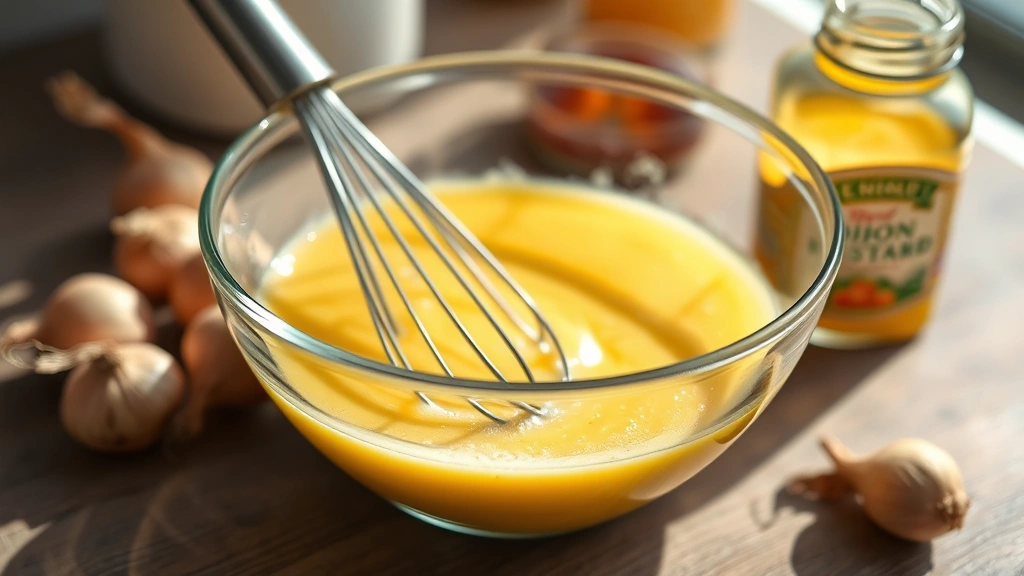
There’s something truly magical about a perfectly balanced vinaigrette, and when you master the art of making Dijon vinaigrette, you’ve unlocked one of the most versatile and essential skills in the kitchen. This classic French-inspired dressing is the foundation of countless salads, marinades, and dishes that grace elegant tables and casual weeknight dinners alike.
Dijon mustard is the star of this show, bringing its distinctive tangy bite and creamy texture that transforms simple oil and vinegar into something extraordinary. Unlike other mustards that can overpower a dish, Dijon has this sophisticated, refined quality that adds depth without screaming for attention. When you combine it with quality vinegar, the right ratio of oil, and a few carefully chosen aromatics, you create a vinaigrette that’s greater than the sum of its parts.
What makes this recipe so special is its simplicity paired with the technique required to emulsify it properly. Many home cooks make vinaigrettes that separate or taste harsh, but once you understand the science and method behind this version, you’ll never go back. The key lies in the emulsification process, where the mustard acts as an emulsifier, helping the oil and vinegar blend into a cohesive, silky dressing that clings beautifully to every leaf of lettuce or vegetable.
I’ve spent years perfecting this recipe, testing different ratios of vinegar to oil, experimenting with shallot versus garlic, and discovering that the whisking technique is just as important as the ingredients themselves. This vinaigrette is elegant enough for a composed salad at a dinner party, yet simple enough to drizzle over roasted vegetables on a Tuesday night. It’s the kind of recipe that belongs in every cook’s permanent repertoire, the one you’ll make again and again without consulting a recipe card.
The beauty of this Dijon vinaigrette extends far beyond salads. Use it as a marinade for chicken, brush it over grilled fish, or toss it with warm roasted vegetables for a side dish that tastes restaurant-quality. It’s also the perfect base for French potato salad, and it works wonderfully as a dipping sauce for crusty bread. Once you have this recipe down, you’ll find yourself reaching for it constantly.
For the best results, I recommend using a quality Dijon mustard from France if possible, as it has a finer texture and more refined flavor than many domestic brands. The vinegar you choose matters too—a good red wine vinegar or sherry vinegar will give you better results than a harsh, overly acidic option. These are small details, but they make a noticeable difference in the final product.
Many people ask me whether they should make this vinaigrette in a blender or by hand. My answer is always the same: by hand with a whisk. While a blender might seem convenient, whisking gives you more control over the emulsification process and allows you to feel when the dressing reaches that perfect, creamy consistency. Plus, there’s something satisfying about the ritual of whisking, and it takes less than five minutes to make.
This vinaigrette also stores beautifully in the refrigerator for up to two weeks, making it perfect for meal prep. I often make a batch on Sunday and use it throughout the week on different salads and vegetables. Just give it a good shake or whisk before using, as it may separate slightly during storage—this is completely normal and doesn’t affect the quality.
For a beautiful presentation at dinner parties, I sometimes add a tablespoon of fresh herbs like tarragon or chives to a portion of the vinaigrette, creating a variation that impresses guests. You can also experiment with different vinegars—white wine vinegar for a lighter touch, or aged balsamic for something richer. The foundation remains the same, but these small tweaks keep the recipe interesting.
One final tip: always dress your salad just before serving. Vinaigrette will make lettuce wilt if it sits for too long, so I recommend tossing greens with the dressing no more than five to ten minutes before eating. This ensures your salad maintains its crisp texture and fresh appeal.
Learn more about vinaigrette basics and explore how to properly emulsify dressings. For inspiration on what to serve this with, check out our guide to composed salads. You might also enjoy reading about classic French cooking techniques that elevate everyday dishes.
Ingredients
- 1 tablespoon Dijon mustard (preferably French)
- 2 tablespoons red wine vinegar or sherry vinegar
- 1 small shallot, minced very finely
- 1 small clove garlic, minced (optional)
- 3/4 cup extra virgin olive oil
- 1/2 teaspoon Kosher salt
- 1/4 teaspoon freshly ground black pepper
- 1/2 teaspoon honey or Dijon mustard (optional, for balance)
- 1 teaspoon fresh tarragon or Dijon mustard (optional, for variation)
Instructions
- Place the Dijon mustard in a medium mixing bowl, preferably one with a flat bottom that allows you to whisk comfortably without the bowl moving around.
- Add the minced shallot and garlic (if using) directly to the mustard, stirring to combine and allowing the shallot and garlic to sit for about one minute so their flavors begin to release.
- Pour the red wine vinegar over the mustard mixture and whisk together until the vinegar is fully incorporated, creating a smooth, homogeneous base.
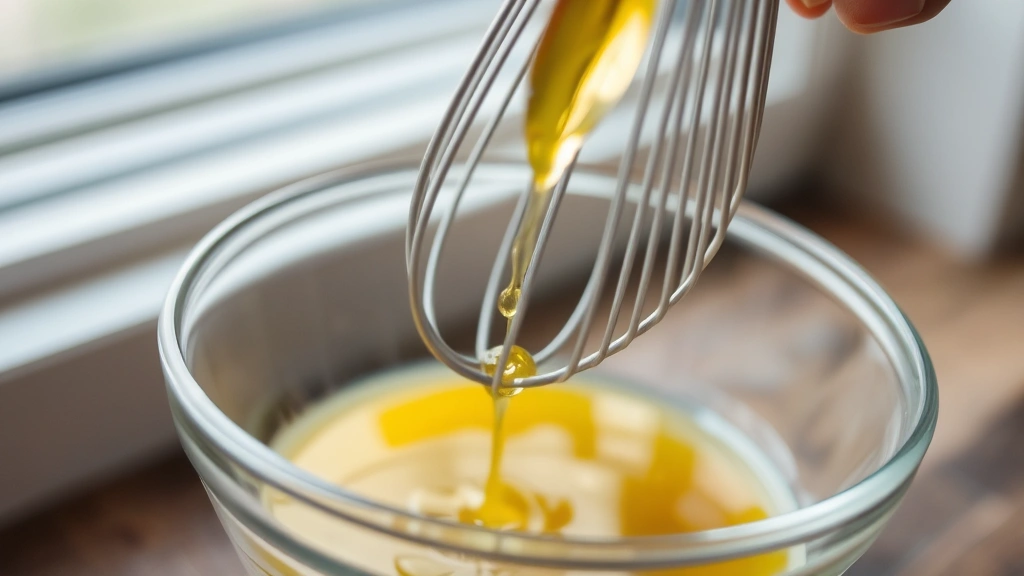
- While whisking constantly with a steady hand, begin adding the olive oil one small splash at a time—start with just a teaspoon or so.
- As you add each small amount of oil, whisk vigorously in the same direction until you see the mixture begin to thicken and emulsify, which typically happens after you’ve added about one-quarter of the oil.
- Once the mixture has thickened noticeably and the oil is fully incorporated, you can add the remaining oil in slightly larger amounts while continuing to whisk steadily.
- Continue whisking and adding oil until all of it has been incorporated into the vinaigrette, which should now have a creamy, slightly thickened consistency that coats the back of a spoon.
- Taste the vinaigrette and season with kosher salt and freshly ground black pepper, whisking to combine thoroughly.
- If the vinaigrette tastes too acidic or harsh, whisk in 1/2 teaspoon of honey to round out the flavors and add a touch of balance.
- For a more herbaceous version, whisk in 1 teaspoon of fresh tarragon or other fresh herbs if desired.
- Use the vinaigrette immediately on salads and vegetables, or transfer to a glass jar with a tight-fitting lid for storage in the refrigerator.
Pro Tips
- The emulsification process is crucial to achieving the perfect texture. The mustard contains natural emulsifiers that help bind the oil and vinegar together, creating a creamy dressing rather than a separated one. Patience and steady whisking are essential.
- Always start with a cold bowl and cold ingredients for the best emulsification results. Some cooks even chill their mixing bowls in the freezer for five minutes before starting.
- The ratio of oil to vinegar is typically three to one, though you can adjust this based on your personal preference. Some prefer a more acidic dressing with a one-to-one ratio, while others like it oilier with a four-to-one ratio.
- Shallots are preferred over onions in this recipe because they have a more delicate, refined flavor that doesn’t overpower the dressing. If you don’t have shallots, you can use red onion finely minced, but use less than you would shallot.
- For a smoother, more refined texture, you can strain out the minced shallot and garlic after whisking, creating a classic French-style vinaigrette without visible pieces.
- This vinaigrette can be made up to two weeks in advance and stored in an airtight glass jar in the refrigerator. It may separate slightly during storage, which is completely normal. Simply whisk or shake it vigorously before using to re-emulsify.
- If your vinaigrette breaks or fails to emulsify, start with a fresh egg yolk in a clean bowl, slowly whisk in the broken vinaigrette, and you can often rescue it.
- For variations, try adding different vinegars like white wine vinegar for a lighter version, or aged balsamic for something richer. Champagne vinegar creates a more delicate flavor profile.
- Fresh herbs like tarragon, chervil, or chives can be whisked in at the end for added flavor complexity. Dried herbs don’t work as well in this application.
- Room temperature ingredients emulsify better than cold ones, so if you’re having trouble emulsifying, let your ingredients sit at room temperature for thirty minutes before whisking.
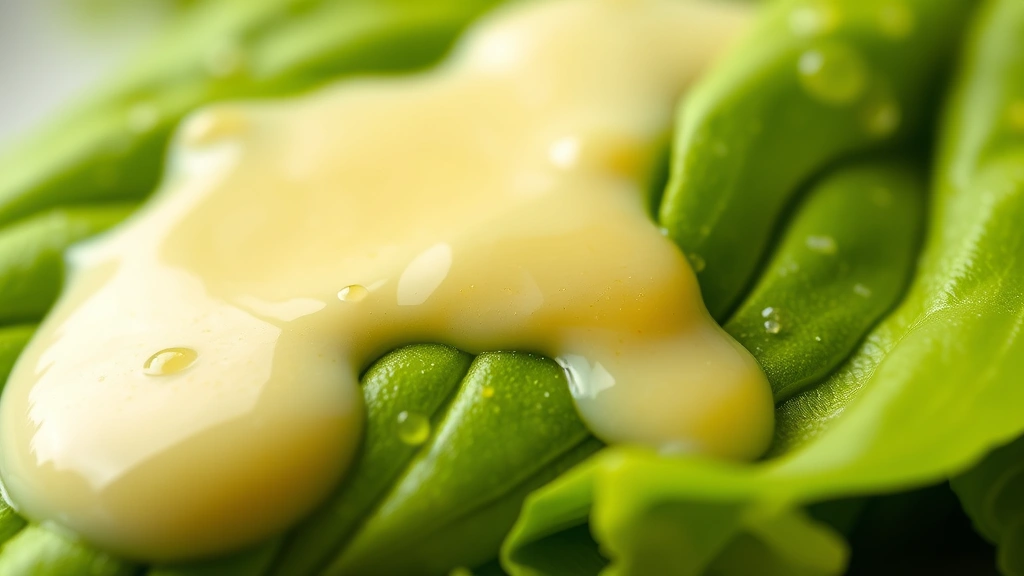
- This vinaigrette is perfect for dressing delicate lettuces like butter lettuce or frisée, but it also works beautifully on heartier greens like kale or romaine that can stand up to its bold flavor.
Pingback: Easy Chef Salad Recipe – So Tasty and Quick! – Simple Recipe Finder
Pingback: How to make the BEST Gnocchi Soup Recipe – So Delicious! – Simple Recipe Finder
Pingback: How to make the BEST Shrimp Salad Recipe – Quick & Easy! – Simple Recipe Finder