
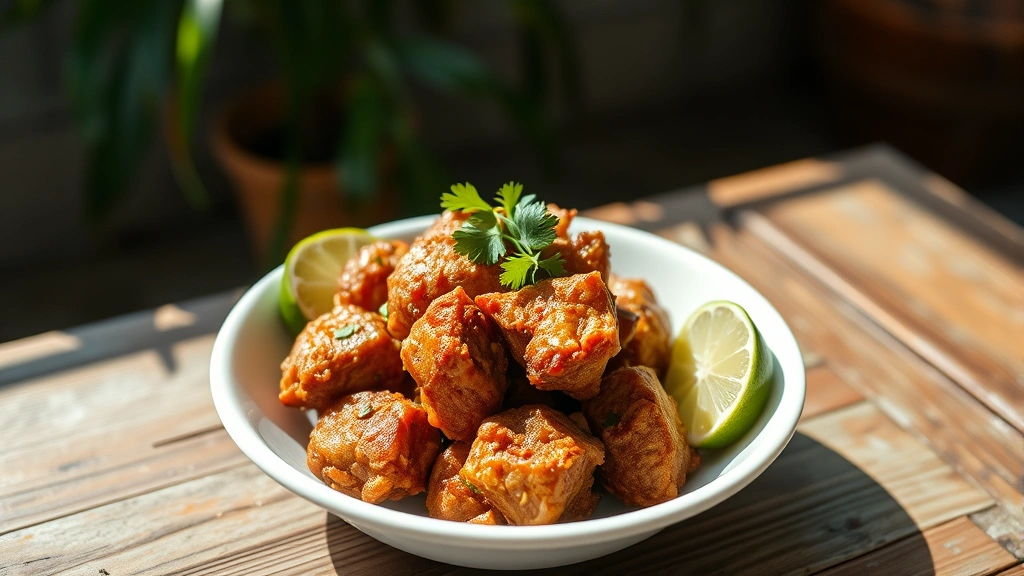
Haitian griot is one of the most beloved dishes in Caribbean cuisine, and once you master this recipe, you’ll understand why. This marinated fried pork is crispy on the outside, tender on the inside, and bursting with citrusy, garlicky flavor that transports you straight to Haiti with every bite. The key to authentic griot lies in the marinade—a vibrant combination of lime juice, orange juice, garlic, and Scotch bonnet peppers that infuses the meat with incredible depth.
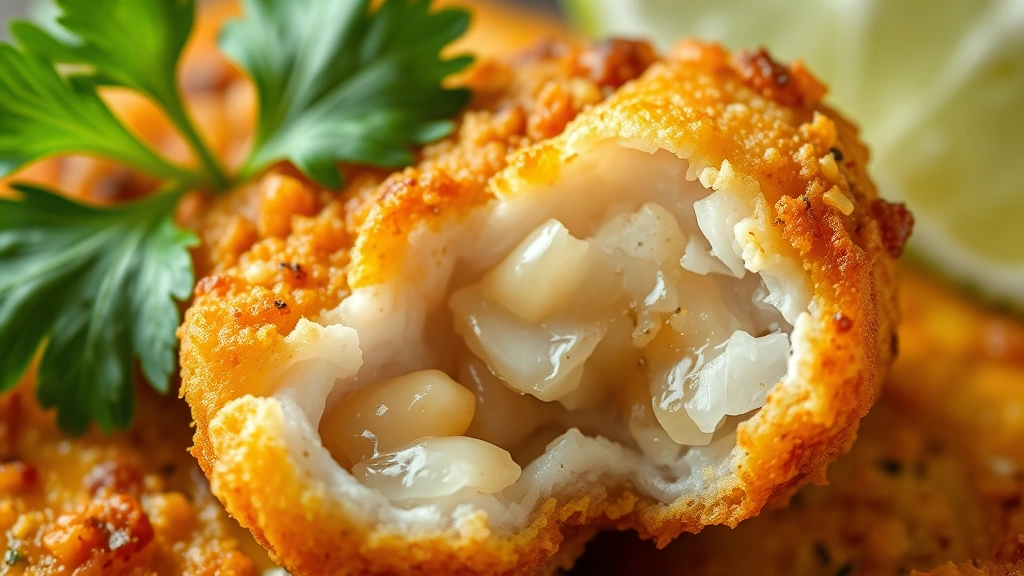
The magic happens when you marinate the pork for at least 4 hours, though overnight is truly ideal. This allows the citrus and spices to penetrate every fiber, creating meat that’s not just flavorful but also remarkably tender. What makes griot so special is the contrast of textures: the exterior gets a gorgeous golden crust when fried, while the inside remains succulent and juicy.
I’ve been making griot for years, and I’m excited to share my tried-and-true method with you. This recipe serves 6-8 people and is perfect for a family dinner, special occasion, or casual gathering with friends. Traditionally served with djon djon rice, fried plantains, or a simple salad, griot is a dish that celebrates Haitian culinary heritage in the most delicious way possible.
If you’re new to Haitian cooking, don’t be intimidated. This recipe is actually quite straightforward—it’s all about giving the marinade time to do its work. Once you’ve marinated the pork, the actual cooking process is simple frying. The result is a show-stopping dish that will impress everyone at your table. Let me walk you through my favorite method for creating the most delicious haitian griot you’ve ever tasted.
For more Caribbean-inspired proteins, check out my jerk chicken recipe, or explore Caribbean rice and beans as a perfect side dish. If you love bold flavors, you’ll also enjoy my mofongo recipe and crispy plantain chips. For additional inspiration on traditional Haitian cuisine, check out this Serious Eats guide to Haitian food, and for more Caribbean cooking techniques, visit Bon Appétit’s Caribbean pork recipes. The New York Times cooking section also features excellent Haitian recipes.
Ingredients
- 3 pounds pork shoulder, cut into 1.5-inch cubes
- 1 cup fresh lime juice (about 8-10 limes)
- ¾ cup fresh orange juice
- 8 cloves garlic, minced
- 2 Scotch bonnet peppers (or habanero), finely chopped (seeds removed for less heat)
- 2 tablespoons fresh thyme leaves
- 1 tablespoon dried oregano
- 2 teaspoons salt
- 1 teaspoon black pepper
- ½ teaspoon ground cloves
- ¼ teaspoon nutmeg
- 2 bay leaves
- 3 tablespoons vegetable oil or olive oil
- Oil for deep frying (about 4 cups vegetable oil)
- Fresh cilantro for garnish
- Lime wedges for serving

Instructions
- Pat the pork shoulder cubes dry with paper towels and place them in a large bowl or resealable container. Make sure the pieces are roughly the same size so they cook evenly.
- In a separate bowl, whisk together the fresh lime juice, orange juice, minced garlic, chopped Scotch bonnet peppers, fresh thyme, dried oregano, salt, black pepper, ground cloves, nutmeg, and bay leaves until well combined.
- Pour the marinade over the pork cubes, making sure every piece is well coated. If using a bowl, stir well; if using a container, seal and shake vigorously to distribute the marinade evenly.
- Cover the bowl with plastic wrap or seal the container, then refrigerate for at least 4 hours, but preferably overnight. The longer it marinates, the more tender and flavorful the pork will be.
- After marinating, remove the pork from the refrigerator about 30 minutes before cooking to bring it closer to room temperature. This helps ensure even cooking.
- Using a slotted spoon, transfer the marinated pork pieces to a colander, allowing the excess marinade to drain back into the bowl. Reserve about ½ cup of the marinade in a small bowl.
- Pat the drained pork pieces dry with paper towels. This step is crucial for achieving a crispy exterior when frying.
- Heat the oil for deep frying in a large, heavy-bottomed pot or Dutch oven to 350°F (175°C). Use a thermometer to ensure accurate temperature—this is essential for proper cooking.
- Working in batches to avoid overcrowding the pot, carefully add the pork pieces to the hot oil. Fry for 8-10 minutes, stirring occasionally, until the meat is golden brown and cooked through.
- Using a slotted spoon, transfer the fried pork pieces to a paper towel-lined plate to drain excess oil.
- In a small saucepan, heat the reserved ½ cup of marinade over medium heat for 2-3 minutes until it’s warm and fragrant.
- Transfer the drained griot to a serving platter and drizzle with the warm marinade sauce. Garnish with fresh cilantro and serve immediately with lime wedges on the side.
Pro Tips
- **Marinating time is crucial**: While 4 hours is the minimum, marinating overnight (12-24 hours) produces the most tender, flavorful griot. The citrus juice acts as a natural tenderizer, breaking down the protein fibers.
- **Choosing your pork**: Pork shoulder is ideal because it has enough fat to stay moist during frying. Avoid leaner cuts like pork loin, which can become dry. The fat content is what keeps the griot juicy inside while the exterior crisps up beautifully.
- **Heat level adjustment**: Scotch bonnet peppers are quite hot. If you’re sensitive to spice, remove the seeds completely or use just one pepper. If you love heat, keep the seeds and add an extra pepper. The heat should complement, not overpower, the other flavors.
- **Oil temperature matters**: This is non-negotiable. If your oil isn’t hot enough, the pork will absorb oil and become greasy rather than crispy. If it’s too hot, the outside will burn before the inside cooks through. Invest in a reliable thermometer.
- **Don’t skip the final marinade drizzle**: This warm sauce is essential to authentic griot. It adds moisture and reinforces those citrus and garlic flavors throughout the dish.
- **Serving suggestions**: Griot is traditionally served with djon djon rice (rice cooked in a special seasoning), fried plantains, or a fresh green salad. The acidity of the pork pairs beautifully with starchy sides.
- **Make-ahead tip**: You can prepare the marinade and pork up to 24 hours in advance. The actual frying should be done just before serving for maximum crispiness, but cooked griot can be gently reheated in a 300°F oven for about 10 minutes.
- **Leftover storage**: Cooked griot keeps in an airtight container in the refrigerator for up to 3 days. Reheat gently in the oven rather than the microwave to maintain texture.
- **Citrus freshness**: Always use fresh-squeezed citrus juice if possible. Bottled juice won’t provide the same vibrant flavor and tenderizing effect.
- **Bay leaves and aromatics**: Don’t skip the bay leaves and thyme—they add subtle aromatic complexity that distinguishes excellent griot from good griot.