
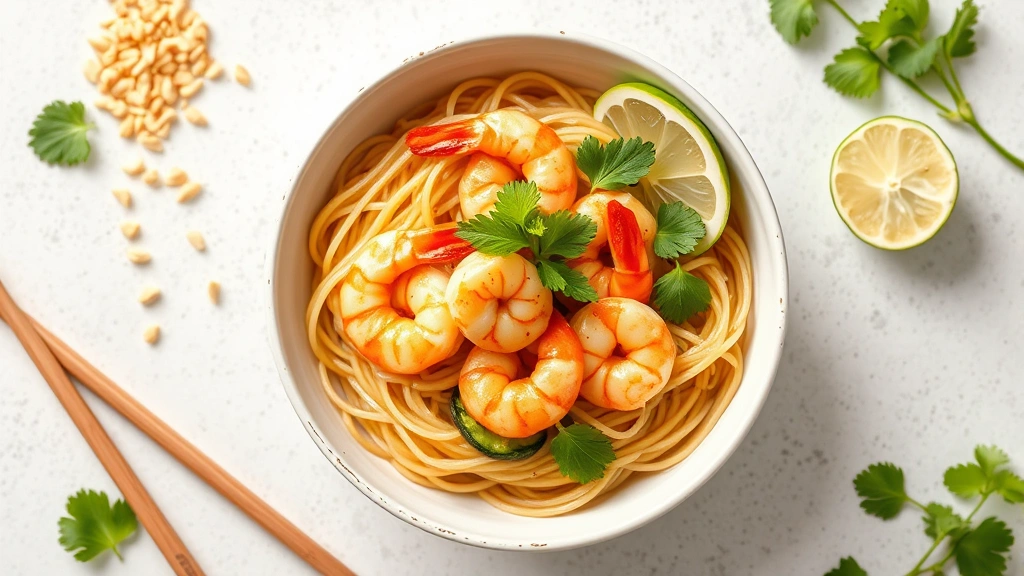
Glass noodles, also known as cellophane noodles or bean thread noodles, are a delicate and versatile ingredient that deserves a place in your regular cooking rotation. These translucent noodles made from mung bean starch have a subtle, slightly sweet flavor and a wonderfully tender texture when cooked properly. They’re a staple in Asian cuisine, particularly in Thai, Vietnamese, and Chinese dishes, and once you master the basics, you’ll find yourself reaching for them again and again.
This glass noodle recipe combines the best of both worlds: authentic Asian flavors with the simplicity that home cooks crave. The key to making the best glass noodle dish lies in understanding how to properly prepare these delicate strands, balance your flavors, and combine the right ingredients to create something truly spectacular. Whether you’re looking for a light appetizer, a satisfying main course, or a versatile side dish, this recipe delivers on all fronts.
What makes this recipe particularly special is its flexibility. You can customize it based on what proteins you prefer, whether that’s shrimp, chicken, pork, or tofu for a vegetarian option. The sauce—a perfect harmony of fish sauce, lime juice, and aromatics—brings everything together in a way that feels both restaurant-quality and achievable in your own kitchen. I’ve tested this recipe dozens of times, and I’m confident it will become your go-to glass noodle preparation.
Glass noodles have a fascinating texture when cooked properly. They should be tender but still have a slight bite to them, never mushy or overly soft. This is achieved by soaking them in hot water rather than boiling them in the traditional sense. The soaking method gives you more control over the final texture and helps them absorb flavors more effectively.
One of the best parts about this dish is how quickly it comes together. Once you have your ingredients prepped—and prep is crucial here—you can have a complete, delicious meal on the table in less than thirty minutes. This makes it perfect for busy weeknights when you want something that tastes like you spent hours in the kitchen but actually requires minimal effort.
The beauty of glass noodles also lies in their nutritional profile. They’re naturally low in fat and calories, making them a great choice if you’re watching your intake while still wanting something satisfying and delicious. They’re also gluten-free, which makes this recipe accessible to more people. Combined with fresh vegetables and lean protein, you’re looking at a well-balanced meal that happens to be absolutely delicious.
I love serving this dish both warm and at room temperature. It’s equally delicious fresh from the pan or as a make-ahead meal that you can enjoy the next day. The flavors actually deepen and meld together beautifully as it sits, making it an excellent candidate for meal prep. If you’re planning to make this ahead, I recommend keeping the sauce separate and tossing it in just before serving to maintain the best texture.
For those new to cooking with glass noodles, don’t be intimidated. This recipe is designed to be foolproof while still delivering impressive results. I’ve included detailed instructions and helpful tips throughout to ensure your success. By the end, you’ll not only have a delicious meal but also the confidence to experiment with glass noodles in other dishes.
Check out our Asian Noodle Bowls Guide for more inspiration, or learn more about selecting quality glass noodles. You might also enjoy our Stir-Fry Basics for additional techniques. For more detailed information on Asian noodle varieties, check out Serious Eats’ comprehensive noodle guide or Bon Appétit’s glass noodle salad. You can also find excellent variations at New York Times Cooking.
Ingredients
- 8 ounces dried glass noodles (cellophane noodles)
- 1 pound large shrimp, peeled and deveined (or protein of choice)
- 3 tablespoons fish sauce
- 3 tablespoons fresh lime juice
- 2 tablespoons palm sugar or brown sugar
- 3 cloves garlic, minced
- 2 Thai red chilies, thinly sliced (adjust to taste)
- 2 cups shredded carrots
- 2 cups shredded cabbage
- 1 cup fresh mint leaves, roughly chopped
- 1 cup fresh cilantro leaves, roughly chopped
- ½ cup roasted peanuts, crushed
- 3 green onions, cut into 2-inch pieces
- 2 tablespoons vegetable oil
- 2 tablespoons sesame oil
- ¼ cup water
- Salt and white pepper to taste
- Lime wedges for serving
Instructions
- Prepare your glass noodles by placing them in a large bowl and covering with hot water. Let them soak for 8-10 minutes until they’re tender but still have a slight firmness to them. Do not boil them, as this can make them mushy. Once softened, drain them thoroughly in a colander and set aside.
- While the noodles soak, prepare all your ingredients. Mince your garlic, slice your chilies, shred your vegetables, chop your fresh herbs, and crush your peanuts. Having everything ready before you start cooking will make the process smooth and stress-free. This is called mise en place, and it’s essential for successful cooking.
- Make your sauce by combining the fish sauce, lime juice, palm sugar, minced garlic, and sliced chilies in a small bowl. Stir well until the sugar is completely dissolved. Taste and adjust the flavors—it should be a balance of salty, sour, and sweet with a bit of heat from the chilies.
- Heat 1 tablespoon of vegetable oil in a large skillet or wok over medium-high heat. Once the oil is shimmering, add your shrimp and cook for 2-3 minutes on each side until they’re pink and cooked through. Season with a pinch of salt and white pepper. Remove the shrimp to a clean plate and set aside.
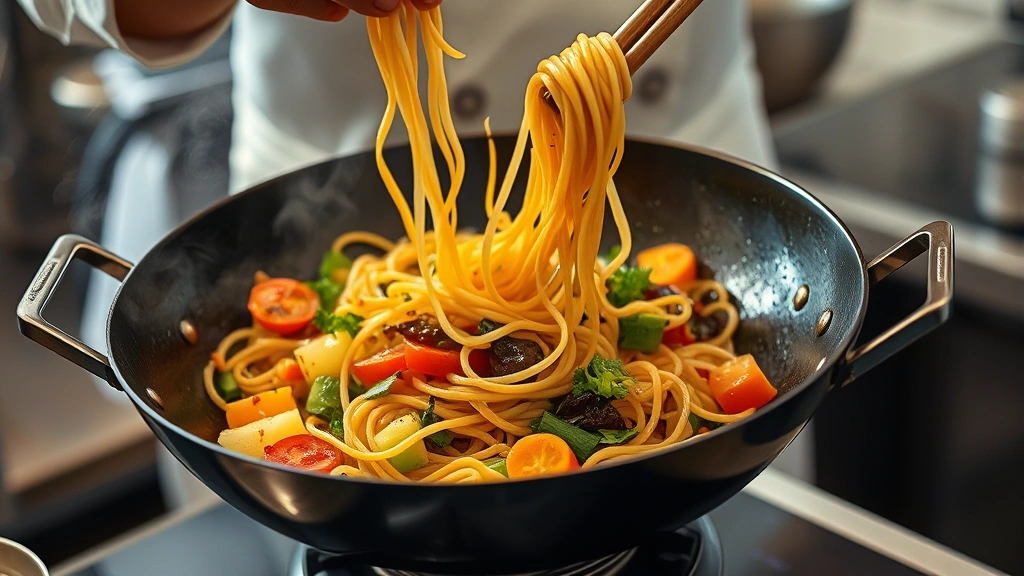
- In the same skillet, add the remaining tablespoon of vegetable oil along with the sesame oil. Add the shredded carrots and cabbage, cooking for 2-3 minutes until they’re slightly softened but still have a nice crunch. You want them to retain some texture rather than becoming completely limp.
- Add the drained glass noodles to the skillet with the vegetables. Pour the prepared sauce over the noodles and vegetables, tossing everything together gently but thoroughly. The noodles are delicate, so use a light hand to avoid breaking them. Cook for 1-2 minutes, stirring occasionally, until everything is well combined and heated through.
- Return the cooked shrimp to the skillet and toss gently to combine. Add the green onions and cook for another 30 seconds just until they’re heated through and slightly wilted. Add the ¼ cup of water to create a light sauce that coats the noodles beautifully.
- Remove the skillet from heat and gently fold in about three-quarters of the chopped mint and cilantro. Reserve some fresh herbs for garnish to add brightness and freshness to the final presentation. The residual heat will soften them slightly while keeping them fresh.
- Divide the glass noodle mixture among serving bowls or plates. Top each portion with crushed peanuts, remaining fresh mint and cilantro, and any additional lime wedges. Serve immediately while the noodles are still warm, or allow them to cool to room temperature for a refreshing cold noodle salad.
- If you prefer a vegetarian or vegan version, simply omit the shrimp and fish sauce, replacing the fish sauce with soy sauce or additional lime juice and a bit of vegetable broth for depth of flavor. You can also add crispy tofu cubes for protein.
Pro Tips
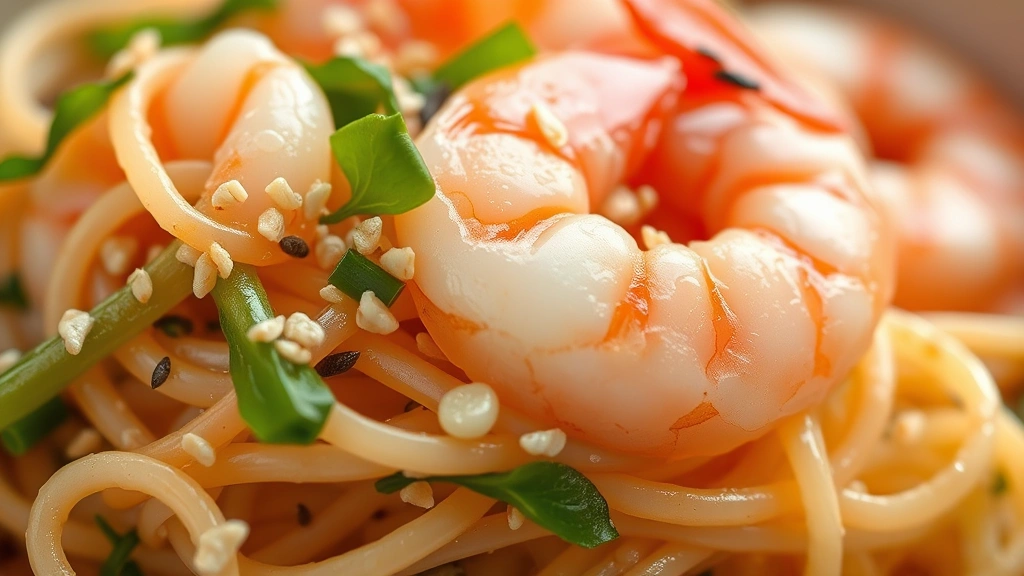
- Glass noodles can be found in the Asian section of most grocery stores, or you can order them online. Look for brands that are labeled as ‘cellophane noodles’ or ‘bean thread noodles.’ They should be stored in a cool, dry place and will keep for several months.
- The key to perfect glass noodles is avoiding overcooking them. They should be soaked, not boiled, for the best texture. The soaking method also allows them to absorb flavors more effectively from the sauce.
- Fish sauce is essential to authentic flavor, but if you don’t have it or prefer not to use it, substitute with soy sauce or tamari, though the flavor profile will be slightly different. Start with about 2 tablespoons and adjust to taste.
- Feel free to customize the vegetables based on what you have on hand. Snap peas, bell peppers, mushrooms, or broccoli would all work beautifully in this dish. The key is to maintain a variety of textures and colors.
- Fresh herbs are crucial to the final dish. While you can use dried cilantro or mint in a pinch, fresh herbs add a brightness and freshness that dried simply cannot match. If fresh herbs aren’t available, consider using green onions and a squeeze of lime juice instead.
- This recipe can be easily doubled or halved depending on your needs. It also reheats beautifully, though you may want to add a splash of water or broth when reheating to refresh the noodles.
- Make this dish vegetarian by omitting the shrimp and replacing the fish sauce with additional soy sauce or tamari. Add crispy baked tofu or cashews for protein and a satisfying crunch.
- The noodles can be prepared up to 24 hours in advance and stored in the refrigerator. The sauce can also be made ahead and stored separately. Combine them just before serving for the best results.
- Leftover glass noodles make an excellent cold noodle salad. Simply combine all components and serve chilled, or allow to come to room temperature.
- For a spicier version, add more chilies to the sauce or include a teaspoon of chili oil. You can also serve extra chili sauce on the side for those who prefer additional heat.