
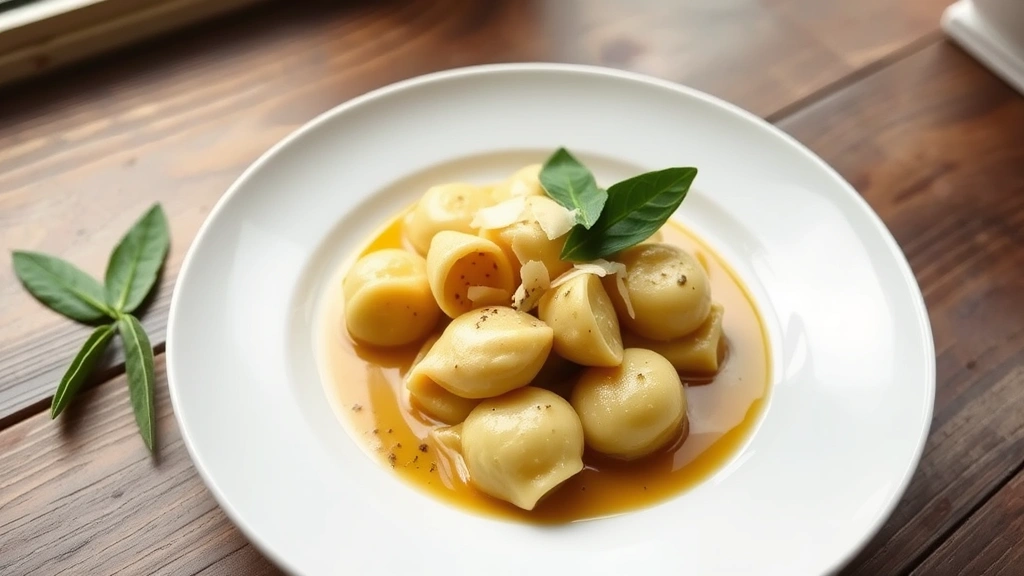
Gnudi, the delicate Italian cousin of gnocchi, are pillowy ricotta and spinach dumplings that melt on your tongue. This traditional Tuscan dish is surprisingly simple to make at home, requiring just a handful of quality ingredients and a bit of patience. Unlike gnocchi, which relies on potatoes for structure, gnudi depend on a perfect balance of ricotta, flour, and eggs to create their signature light, airy texture.
The beauty of gnudi lies in their simplicity and elegance. The combination of creamy ricotta, earthy spinach, and nutty Parmesan creates a sophisticated flavor profile that pairs beautifully with brown butter sage sauce or fresh tomato sauce. Once you master the basic technique, you’ll find yourself making gnudi regularly for weeknight dinners and special occasions alike.
What makes gnudi different from other Italian dumplings is their texture and composition. While gnocchi rely on potatoes for their structure, gnudi are primarily ricotta-based, making them richer and more delicate. The key to perfect gnudi is using the best quality ricotta you can find—ideally fresh ricotta from an Italian market or specialty cheese shop. The spinach should be fresh and thoroughly dried to prevent excess moisture, which can make your gnudi gummy and heavy.
This recipe comes together in just a few simple steps. First, you’ll combine fresh ricotta, chopped spinach, Parmesan cheese, flour, and eggs to create a soft dough. After chilling the mixture in the refrigerator, you’ll gently shape the gnudi using two spoons, creating those characteristic oval shapes. The gnudi are then poached in boiling salted water until they float to the surface—a telltale sign they’re cooked through and ready to enjoy.
For the sauce, I recommend a simple brown butter and sage preparation, which allows the delicate flavor of the gnudi to shine. The nutty, caramelized butter and aromatic sage complement the ricotta and spinach beautifully. Alternatively, you can serve your gnudi with a light tomato sauce, pesto, or even just a drizzle of good quality olive oil and fresh Parmesan.
Perfect gnudi should be light and pillowy, with a tender interior and a slight firmness on the outside from poaching. They shouldn’t be dense or gummy, which often happens when too much flour is added or the ricotta quality is compromised. The spinach should be finely chopped and well-incorporated into the mixture, adding color and earthy flavor without creating lumps.
One of the best things about gnudi is that they can be made ahead of time. You can shape and freeze them on a baking sheet, then store them in an airtight container for up to three months. When you’re ready to cook them, simply add extra time to the poaching—frozen gnudi may take an additional 2-3 minutes to cook through. This makes them perfect for entertaining or meal prep.
For more information on Italian ricotta-based dishes, check out our guide to ricotta recipes and explore the versatility of this creamy cheese. You might also enjoy learning about Italian dumplings and their regional variations.
If you’re looking for sauce inspiration beyond the traditional brown butter sage, consider our collection of classic pasta sauces that work beautifully with gnudi. According to Serious Eats’ guide to ricotta gnocchi, understanding the science behind ricotta dumplings can help you troubleshoot any issues. For additional inspiration, Bon Appétit’s gnudi recipe offers a modern take on this classic dish.
The beauty of mastering gnudi is that once you understand the basic technique, you can experiment with different cheeses, herbs, and sauces. Some regional variations include additions like ricotta di bufala for extra richness or different herbs like mint or basil. The possibilities are endless, and this recipe serves as a perfect foundation for your own creative variations.
Ingredients
- 1 pound fresh ricotta cheese, drained if watery
- 10 ounces fresh spinach, cooked, squeezed dry, and finely chopped
- 1 cup freshly grated Parmigiano-Reggiano cheese, plus more for serving
- 2 large eggs
- 1/2 cup all-purpose flour
- 1/4 teaspoon freshly grated nutmeg
- Salt and freshly ground black pepper to taste
- 6 tablespoons unsalted butter
- 12-15 fresh sage leaves
- Water for poaching
- Sea salt for the poaching water
Instructions
- In a large bowl, combine the drained ricotta cheese, chopped spinach, Parmigiano-Reggiano, eggs, flour, nutmeg, and a pinch of salt and black pepper. Stir gently with a wooden spoon until all ingredients are just combined. The mixture should come together but remain light and airy—do not overmix or the gnudi will become dense.
- Cover the bowl with plastic wrap and refrigerate the mixture for at least 30 minutes. This resting period allows the flour to fully hydrate and makes shaping the gnudi much easier.
- Fill a large pot with water and bring it to a boil. Add a generous amount of sea salt—the water should taste like the sea. Adjust the heat to maintain a gentle boil.
- While the water heats, prepare a serving dish by gently warming a large shallow bowl or platter. You can also prepare your sauce during this time if using brown butter sage or another cooked sauce.
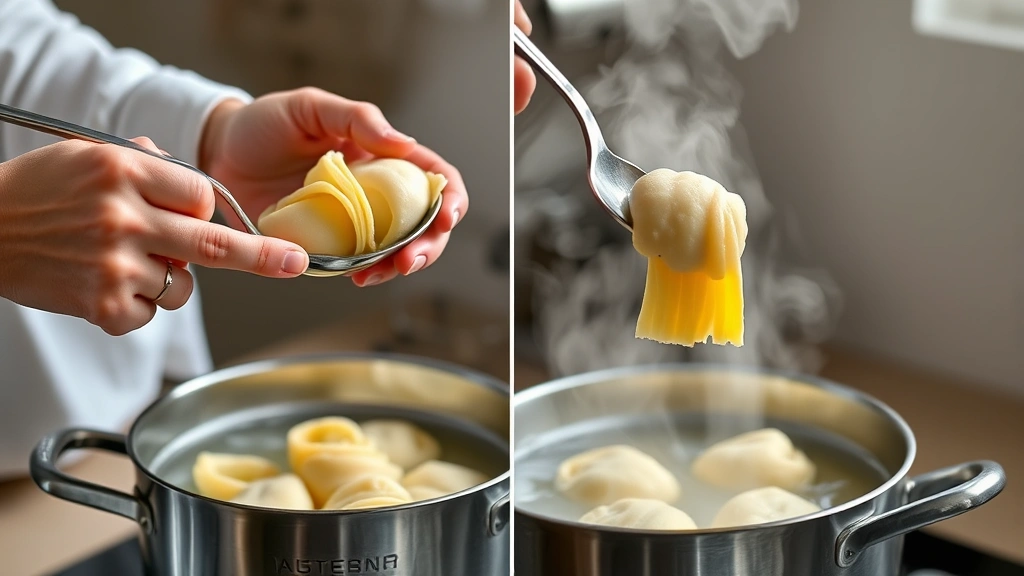
- Remove the ricotta mixture from the refrigerator. Using two dampened spoons (dip them frequently in cold water to prevent sticking), gently scoop a spoonful of the mixture with one spoon, then use the other spoon to gently push it into an oval shape. Drop the shaped gnudi directly into the boiling water.
- Repeat the shaping and dropping process with the remaining mixture, working in batches to avoid overcrowding the pot. You should be able to fit about 8-10 gnudi in the pot at a time.
- Gently stir the gnudi once after dropping them into the water to prevent them from sticking to the bottom of the pot. Maintain a gentle boil throughout cooking.
- Cook the gnudi for approximately 3-4 minutes. They are done when they float to the surface and stay afloat for about 30 seconds. Use a slotted spoon to remove them and transfer them to the prepared serving dish.
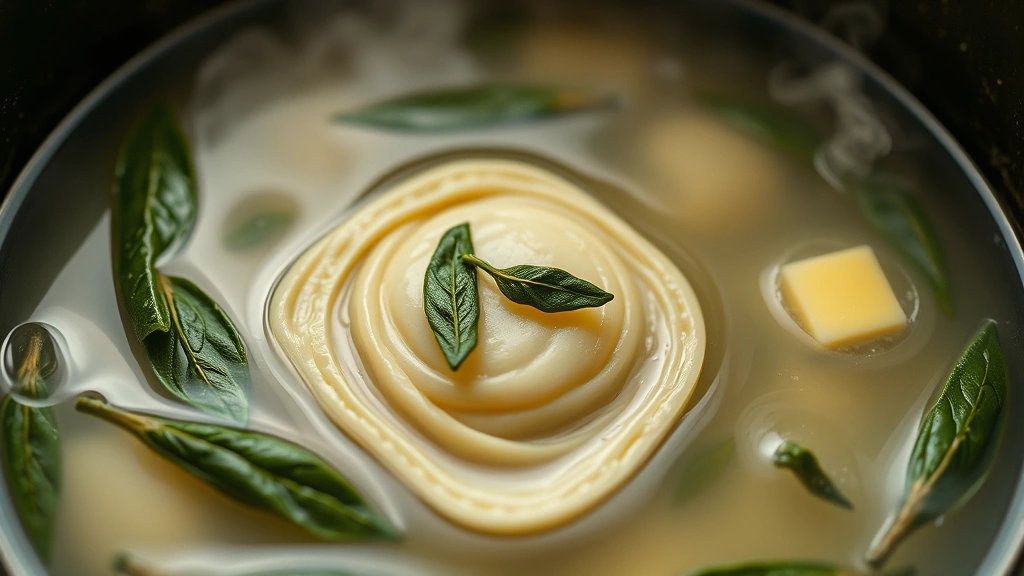
- While the remaining gnudi cook, prepare the brown butter sage sauce by melting the butter in a small skillet over medium heat. Continue cooking, stirring occasionally, for 3-4 minutes until the butter turns golden brown and has a nutty aroma.
- Add the fresh sage leaves to the brown butter and cook for another 30 seconds, allowing the sage to infuse the butter with its aromatic flavor.
- Pour the warm brown butter sage sauce over the cooked gnudi and gently toss to coat evenly. Avoid over-stirring, as gnudi are delicate and can break apart easily.
- Transfer the sauced gnudi to serving plates or bowls. Top with additional freshly grated Parmigiano-Reggiano cheese and a crack of black pepper. Serve immediately while hot.
- For frozen gnudi, do not thaw them before cooking. Simply drop them directly into boiling salted water and cook for 5-7 minutes, until they float and remain at the surface for 30 seconds.
Pro Tips
- **Ricotta Quality Matters**: Use the freshest, highest-quality ricotta you can find. Avoid ricotta from the supermarket dairy case if possible; seek out Italian markets or specialty cheese shops for fresher options. If your ricotta is watery, drain it through cheesecloth for several hours or overnight before using.
- **Spinach Preparation is Critical**: Fresh spinach should be cooked, thoroughly squeezed dry, and finely chopped. Excess moisture is the primary cause of heavy, gummy gnudi. After cooking the spinach, wrap it in a clean kitchen towel and squeeze hard to remove as much liquid as possible.
- **Don’t Overmix**: Gently combine the ingredients until just mixed. Overmixing develops gluten in the flour, making the gnudi tough and dense rather than light and airy. Use a gentle hand and a wooden spoon rather than a mixer.
- **Flour Amount**: The amount of flour can vary slightly depending on the moisture content of your ricotta and spinach. Start with 1/2 cup and add more by the tablespoon if the mixture seems too soft to hold its shape.
- **Shaping Technique**: Keep two spoons and a small bowl of cold water nearby while shaping. Frequently dip the spoons in cold water to prevent the mixture from sticking. The gnudi should be roughly oval-shaped and about the size of a small egg.
- **Gentle Boiling**: Maintain a gentle, rolling boil rather than a vigorous one. Aggressive boiling can cause the gnudi to break apart or absorb too much water.
- **Make Ahead**: Shaped gnudi can be frozen on a parchment-lined baking sheet, then transferred to a freezer bag for up to 3 months. Cook directly from frozen, adding 2-3 minutes to the cooking time.
- **Sauce Variations**: While brown butter sage is classic, gnudi also pair beautifully with tomato sauce, pesto, béchamel, or simply good olive oil and Parmesan.
- **Serving**: Gnudi are best served immediately after cooking and saucing. They don’t hold well and should not be reheated, as they can become tough and rubbery.
- **Cheese Selection**: Use freshly grated Parmigiano-Reggiano rather than pre-grated cheese, which contains anti-caking agents. The quality difference is noticeable in the final dish.