
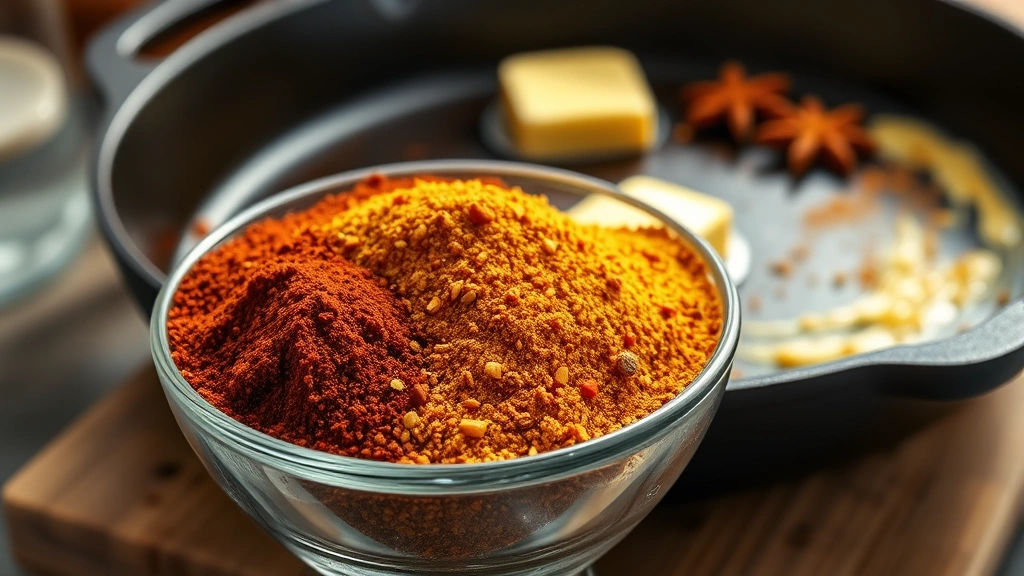
Blackening spice is the secret weapon every home cook needs in their pantry! This iconic Cajun and Creole seasoning blend brings authentic New Orleans flavor to everything from fish and chicken to vegetables and even popcorn. Created in the 1970s by Chef Paul Prudhomme at his legendary restaurant K-Paul’s Louisiana Kitchen, blackening has become a cornerstone technique in American cuisine. The magic happens when this bold spice mixture hits a scorching hot cast-iron skillet, creating a caramelized, crispy crust while keeping the inside tender and juicy.
What makes blackening spice so special is the perfect balance of warm spices, smoky paprika, and a touch of heat that builds beautifully on your palate. Unlike many commercial spice blends that rely heavily on salt, a homemade version lets you control the sodium while maximizing flavor impact. The combination of garlic, onion, cayenne, and paprika creates depth, while dried herbs add complexity. This recipe yields enough to fill a small jar, perfect for keeping on hand for weeknight dinners or entertaining guests.
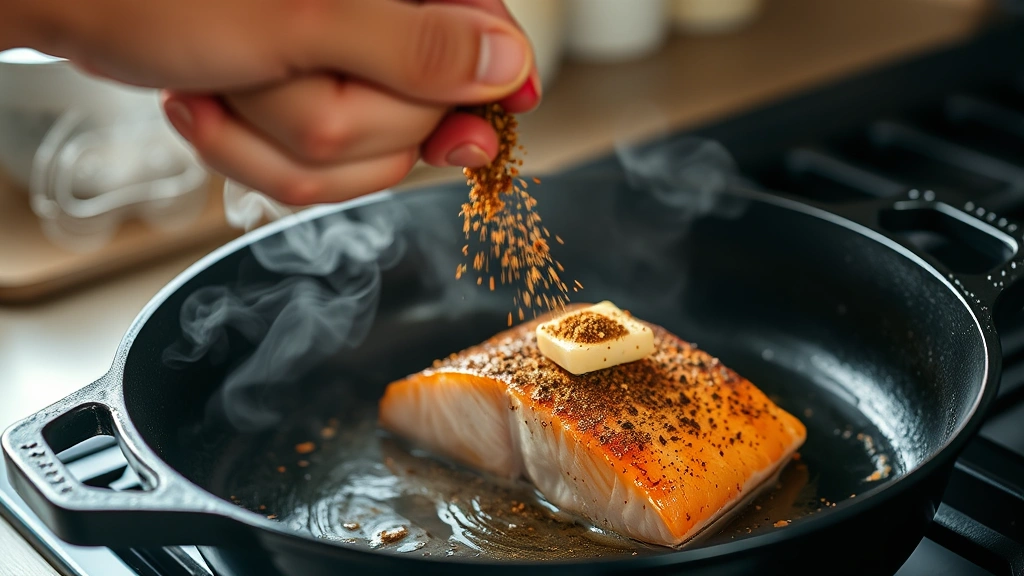
The beauty of blackening is its versatility. While traditionally used for fish—particularly redfish, which became so popular it nearly disappeared from Gulf waters—this spice works equally well on shrimp, chicken, pork, and even tofu. You can use it as a dry rub, mix it into butter for compound butter, or even sprinkle it on roasted vegetables. The technique itself is simple: coat your protein, sear it in a smoking-hot cast-iron skillet with butter or oil, and let the spices create that signature dark, flavorful crust. The intense heat causes the spices to bloom and caramelize, creating layers of flavor that you simply cannot achieve with gentle cooking methods.
Making your own blackening spice blend takes just minutes and costs a fraction of pre-packaged versions. Plus, you can adjust the heat level to your preference—add more cayenne for fire, or dial it back if you’re cooking for sensitive palates. Store it in an airtight container and it stays fresh for months, making it an invaluable pantry staple. Whether you’re recreating your favorite restaurant dish at home or experimenting with new flavor combinations, this Cajun cooking guide will help you master the technique.
Let’s dive into creating this essential spice blend and learn how to use it to transform your cooking. From the first whiff of these aromatic spices toasting in the pan to that first bite of perfectly blackened protein, you’re about to discover why this technique has remained popular for decades. This isn’t just a spice recipe—it’s a gateway to bold, confident cooking that impresses every single time.
Ingredients
- 2 tablespoons sweet paprika
- 2 tablespoons smoked paprika
- 1 tablespoon garlic powder
- 1 tablespoon onion powder
- 1 tablespoon dried oregano
- 1 tablespoon dried thyme
- 2 teaspoons cayenne pepper
- 2 teaspoons black pepper
- 1 teaspoon white pepper
- 1 teaspoon salt
- ½ teaspoon dried red pepper flakes (optional, for extra heat)
- ¼ teaspoon ground cloves (optional, for warmth)
Instructions
- Gather all your dried spices and herbs, ensuring they’re fresh and fragrant—old spices won’t deliver the bold flavor this blend needs.
- Pour both the sweet paprika and smoked paprika into a small mixing bowl, creating the flavorful base of your blend.
- Add the garlic powder and onion powder, stirring to combine and distribute these aromatic powders evenly throughout.
- Measure out the dried oregano and thyme, crushing them slightly between your fingers as you add them to release their essential oils and maximize flavor.
- Sprinkle in the cayenne pepper, black pepper, and white pepper, stirring well to ensure the heat is evenly distributed throughout the blend.
- Add the salt, mixing thoroughly so every ingredient is well incorporated and there are no clumps.
- If desired, add the dried red pepper flakes for additional heat and the ground cloves for subtle warmth and complexity.
- Stir the entire mixture vigorously for 30 seconds to ensure all spices are fully combined and well distributed.
- Transfer the finished spice blend to a clean, dry glass jar with an airtight lid, or use a spice shaker for easy application.
- Label your jar with the contents and date so you remember when you made it and what’s inside.
- Store in a cool, dark, dry place away from direct sunlight and heat sources for maximum freshness and flavor retention.
Pro Tips
- **Storage and Shelf Life**: Keep your blackening spice in an airtight container away from heat, light, and moisture. Properly stored, it maintains peak flavor for 4-6 months. Glass containers work better than plastic, which can absorb and retain spice oils. If you notice the aroma fading, it’s time to make a fresh batch.
- **Customizing Heat Levels**: This recipe provides a moderate heat level. For milder blackening spice, reduce cayenne to 1 teaspoon or eliminate the red pepper flakes entirely. For intense heat that builds throughout your meal, increase cayenne to 3 teaspoons and add ½ teaspoon of habanero powder. Remember that heat intensifies when spices are cooked, so start conservatively.
- **Using the Spice Blend**: For blackened fish or chicken, use 1-2 tablespoons per pound of protein. Create a thick crust by patting the spice directly onto moistened protein, then sear in a smoking-hot cast-iron skillet with butter or oil. The high heat activates the spices, creating that signature dark, caramelized exterior. Cook until the spice crust is nearly black and the protein is cooked through.
- **Paprika Matters**: The paprika you choose significantly impacts flavor. Sweet paprika provides fruity notes, while smoked paprika adds campfire depth. Spanish smoked paprika (pimentón) offers superior quality compared to supermarket versions. For the most authentic New Orleans flavor, seek out high-quality paprika—it’s worth the investment.
- **Optional Additions**: Experiment by adding ½ teaspoon of garlic salt for extra savory depth, ¼ teaspoon of ground cumin for earthiness, or a pinch of ground mustard for subtle tang. Some cooks add dried basil or fennel seed for complexity. Keep notes on modifications you enjoy so you can recreate your perfect blend.
- **Cooking Technique**: The key to successful blackening is high heat and a dry spice crust. Pat your protein dry, apply the spice liberally, and use a smoking-hot cast-iron skillet—don’t be intimidated by the smoke! The spices should caramelize and darken significantly. This isn’t burning; it’s the Maillard reaction creating incredible depth of flavor.
- **Versatile Applications**: Beyond the traditional fish and chicken, try blackening shrimp for appetizers, coating pork chops for dinner, seasoning roasted cauliflower steaks for vegetarian meals, or mixing into cream cheese for a dip. Sprinkle on popcorn for a bold snack, add to deviled eggs, or mix into compound butter for grilled vegetables.
- **Make It Spicier**: If you prefer intensely spicy blackening seasoning, double the cayenne pepper, add ½ teaspoon of ghost pepper powder, and include a full teaspoon of red pepper flakes. This version creates heat that builds and intensifies with each bite—perfect for those who love serious spice.
- **Companion Ingredients**: When blackening at home, have ready a fresh squeeze of lemon juice, quality butter, and perhaps a quick remoulade or tartar sauce. These brighten the rich, smoky spices and provide balanced, complete dishes that rival restaurant versions.