
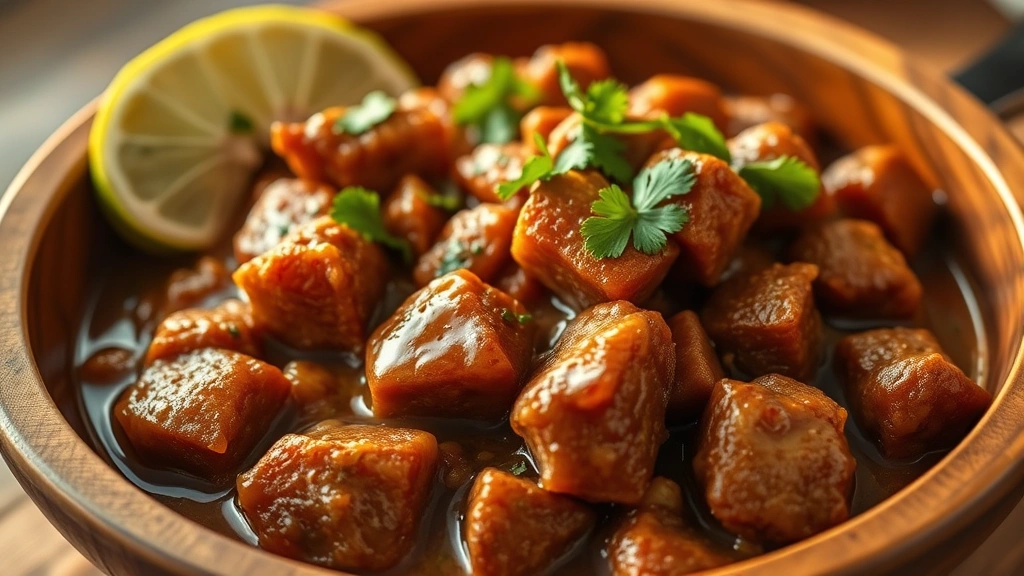
Brazilian cuisine has long celebrated the transformative power of natural ingredients, and this Mounjaro with Apple Cider Vinegar recipe brings together traditional South American flavors with a modern wellness twist. Mounjaro, a beloved Brazilian preparation, becomes even more special when enhanced with the tangy brightness of apple cider vinegar, creating a dish that’s both comforting and invigorating.
This recipe draws inspiration from traditional Brazilian cooking methods while incorporating the remarkable benefits of apple cider vinegar. The combination creates a perfectly balanced dish that works wonderfully as a main course or elegant side. Whether you’re hosting a dinner party or simply want to elevate your weeknight meal, this recipe delivers restaurant-quality results from your own kitchen.
The beauty of this dish lies in its versatility. You can serve it warm as a hearty main, or let it cool to room temperature for a refreshing summer meal. The apple cider vinegar not only adds depth of flavor but also helps preserve the ingredients while boosting digestive health—a win-win in any cook’s book.
What makes this recipe truly special is how the vinegar’s acidity cuts through rich flavors while complementing the natural sweetness of Brazilian ingredients. The preparation is straightforward enough for weeknight cooking yet impressive enough for entertaining. I’ve included tips throughout to help you achieve that perfect balance of flavors.
For more inspiration on tropical ingredient preparation and working with fermented ingredients, check out our comprehensive guides. You might also enjoy exploring authentic Brazilian side dishes to complete your meal.
According to Bon Appétit, the key to mastering Brazilian cuisine is understanding how acid and fat work together. This recipe exemplifies that principle perfectly. Serious Eats emphasizes the importance of quality vinegar selection, which we’ll discuss in detail below.
The cooking process is designed to develop complex flavors while maintaining the integrity of each ingredient. From the initial sauté to the final vinegar addition, every step has been carefully considered. New York Times Cooking highlights how traditional techniques combined with quality ingredients create memorable meals.
This dish pairs beautifully with rice, fresh greens, or roasted vegetables. The acidic component makes it particularly refreshing when served alongside creamy sides or rich proteins. Whether you’re new to Brazilian cooking or a seasoned enthusiast, this recipe offers something special for your table.
Ingredients
- 2 pounds Brazilian mounjaro root, peeled and cut into 1-inch cubes
- 1 cup apple cider vinegar (preferably raw and unfiltered)
- 4 tablespoons extra virgin olive oil
- 1 large yellow onion, thinly sliced
- 4 cloves garlic, minced
- 2 jalapeños, seeded and finely chopped
- 1 red bell pepper, diced
- 2 teaspoons sea salt
- 1 teaspoon freshly ground black pepper
- 1 teaspoon ground cumin
- ½ teaspoon smoked paprika
- ¼ teaspoon cayenne pepper (optional)
- 1 cup vegetable or chicken broth
- 2 bay leaves
- 3 sprigs fresh cilantro
- 2 tablespoons honey or maple syrup
- 1 tablespoon fresh lime juice
- Fresh cilantro and lime wedges for garnish
Instructions
- Begin by preparing your mounjaro root: wash thoroughly under cool running water, then carefully peel away the papery brown skin using a vegetable peeler or sharp knife. Cut the peeled root into uniform 1-inch cubes to ensure even cooking throughout.
- Heat olive oil in a large, heavy-bottomed Dutch oven or deep skillet over medium-high heat, allowing it to shimmer but not smoke.
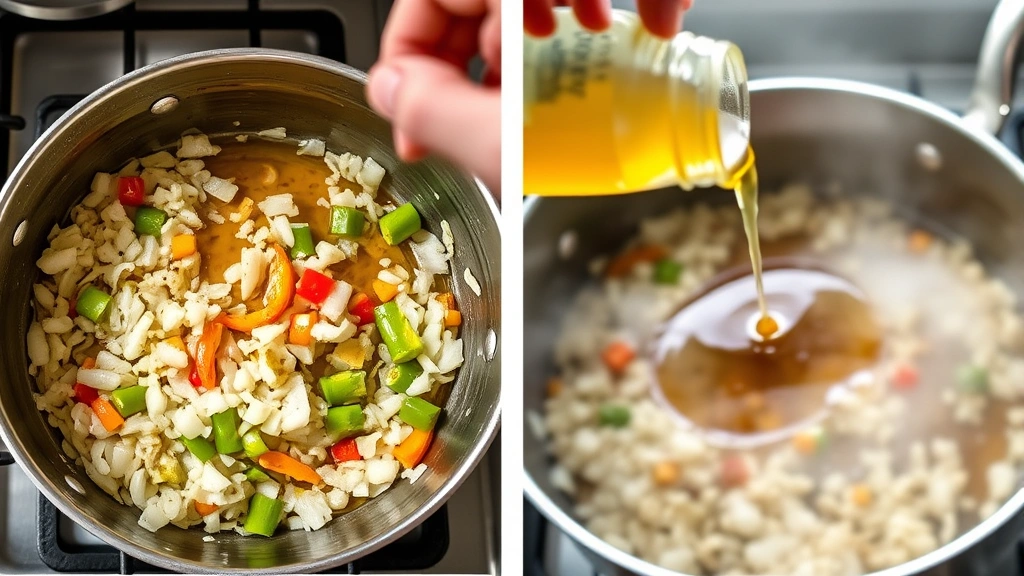
- Add the thinly sliced onion to the hot oil and sauté for 4-5 minutes, stirring occasionally, until the onion becomes translucent and begins to develop golden edges.
- Stir in the minced garlic and chopped jalapeños, cooking for an additional 1-2 minutes until fragrant, being careful not to burn the garlic.
- Add the diced red bell pepper and cook for another 2 minutes, allowing the vegetables to begin softening slightly.
- In a small bowl, combine the sea salt, black pepper, ground cumin, smoked paprika, and cayenne pepper if using. Sprinkle this spice blend over the vegetables and stir well to coat evenly.
- Cook the spice mixture for 30 seconds, stirring constantly, until the spices become fragrant and bloom in the hot oil.
- Add the cubed mounjaro root to the pot, stirring gently to combine with the spiced vegetables. Cook for 2-3 minutes, allowing the root to begin absorbing the flavors.
- Pour in the apple cider vinegar, scraping up any flavorful browned bits stuck to the bottom of the pot (this is called deglazing and adds tremendous depth of flavor).
- Add the vegetable or chicken broth, bay leaves, and fresh cilantro sprigs to the pot, stirring gently.
- Bring the mixture to a boil over medium-high heat, then immediately reduce the heat to medium-low and cover with a lid, leaving it slightly ajar.
- Simmer for 20-25 minutes, stirring occasionally and checking that the mounjaro is becoming tender. The root should be fork-tender but not falling apart.
- Once the mounjaro is cooked through and tender, remove the bay leaves and cilantro sprigs using tongs or a slotted spoon.
- Taste the dish and adjust seasonings as needed, adding more salt, vinegar, or spices according to your preference.
- Stir in the honey or maple syrup and fresh lime juice, mixing gently until well combined. The sweetness and citrus will balance the acidity of the vinegar beautifully.
- Cook uncovered for an additional 2-3 minutes, allowing the liquid to reduce slightly and the flavors to meld together.
- Remove from heat and let rest for 5 minutes before serving, which allows the flavors to settle and the dish to reach the perfect serving temperature.
- Transfer to a serving dish, garnish generously with fresh cilantro and lime wedges, and serve immediately while still warm.
Pro Tips
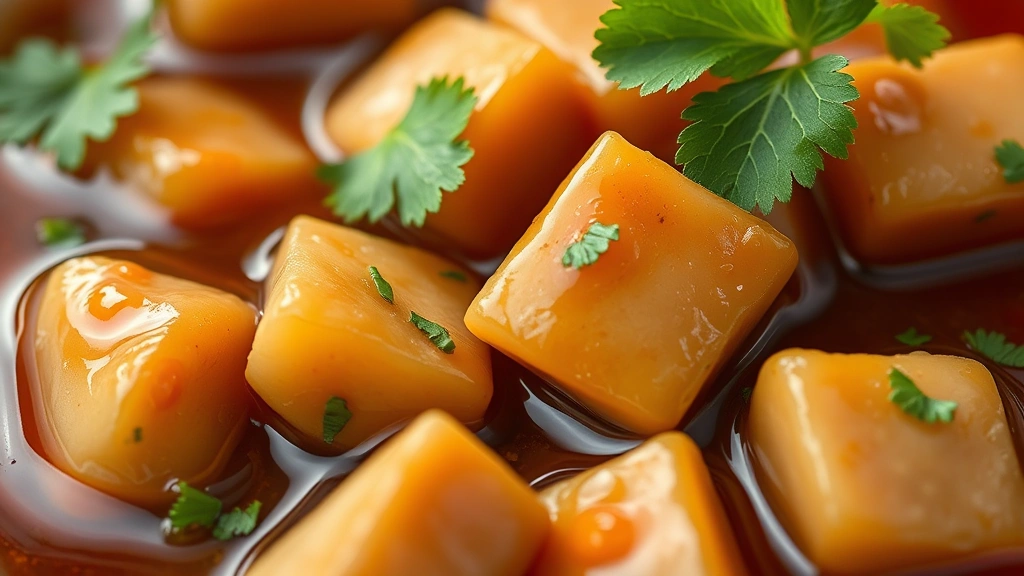
- **Selecting Your Mounjaro**: Look for firm roots without soft spots or blemishes. The skin should feel papery and dry, indicating proper storage. Avoid any with a fermented smell, as this indicates spoilage.
- **Apple Cider Vinegar Quality Matters**: Use raw, unfiltered apple cider vinegar when possible for maximum health benefits and complex flavor. The “mother” (the cloudy sediment) contains beneficial enzymes and probiotics that enhance both taste and nutrition.
- **Customizing the Heat Level**: The jalapeños and cayenne pepper provide warmth to this dish. For a milder version, seed both peppers thoroughly or omit the cayenne entirely. For those who prefer more heat, add another jalapeño or increase the cayenne to ½ teaspoon.
- **Make-Ahead Instructions**: This dish actually improves after sitting in the refrigerator for a day or two, as the flavors deepen and meld. Store in an airtight container for up to 5 days. Reheat gently on the stovetop with a splash of water or broth to restore the desired consistency.
- **Serving Suggestions**: Serve alongside fluffy white rice, quinoa, or roasted vegetables. The acidic vinegar component makes this particularly refreshing when paired with creamy elements like avocado or a dollop of Greek yogurt.
- **Ingredient Substitutions**: If you cannot find mounjaro root, yuca (cassava) or malanga make excellent substitutes with similar textures. Sweet potato offers a slightly sweeter alternative if needed.
- **Timing and Temperature**: Maintaining medium-low heat during simmering prevents the mounjaro from breaking down too quickly. If your root pieces are noticeably larger or smaller than 1 inch, adjust cooking time accordingly—check for tenderness starting at 18 minutes.
- **Vinegar Variations**: While apple cider vinegar is traditional for this recipe, white wine vinegar or rice vinegar can be used as alternatives, though they’ll produce subtly different flavor profiles.
- **Nutritional Benefits**: Apple cider vinegar aids digestion and may help stabilize blood sugar levels. Mounjaro root provides fiber and essential minerals including potassium and manganese.
- **Scaling the Recipe**: This recipe doubles beautifully for larger gatherings. Simply multiply all ingredients by two and increase the simmer time by 5-10 minutes to ensure even cooking.
- **Storage Tips**: Keep any leftovers in the refrigerator in an airtight glass container. The dish will keep for 4-5 days and actually tastes better after a day or two as flavors continue to develop.