
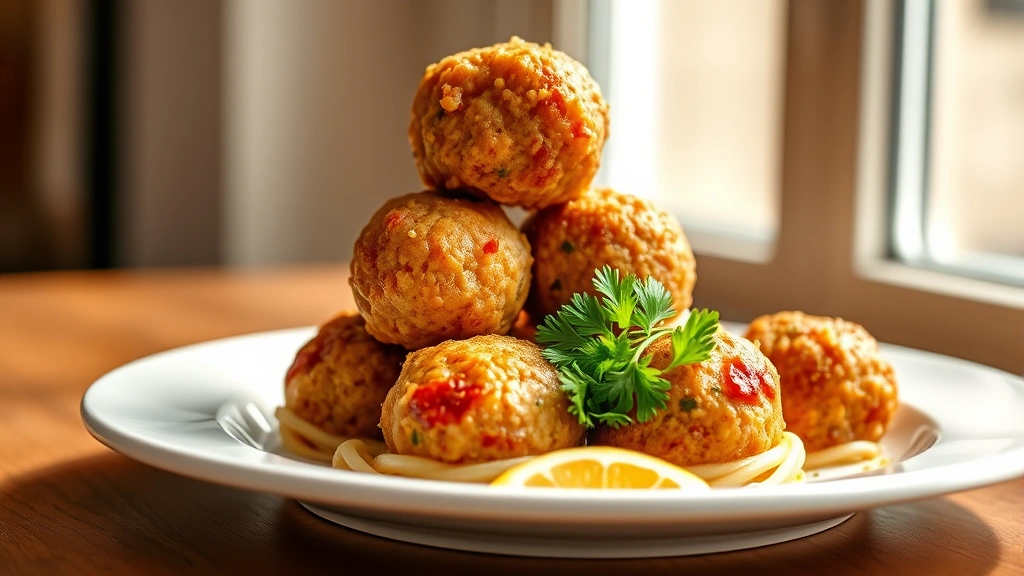
A binder is the secret ingredient that holds your favorite dishes together—literally! Whether you’re making meatballs, veggie burgers, or casseroles, understanding how to use the right binder transforms your cooking game. This comprehensive guide walks you through everything you need to know about binders, from classic eggs and breadcrumbs to modern alternatives like aquafaba and chia seeds.
Binders are essential in the kitchen, acting as the glue that keeps ingredients from falling apart during cooking. The most common binder is the humble egg, which has been used for centuries to hold everything from meatloaf to crab cakes together. But there’s so much more to explore! If you’re looking to master homemade meatballs, you’ll want to understand how different binders affect texture and flavor. For vegetarian cooking, check out our guide on creating the perfect veggie burger, where binders are absolutely crucial.
The beauty of knowing how to use binders properly is that it opens up endless possibilities in the kitchen. You can create easy weeknight casseroles that hold together beautifully, craft gluten-free baked goods with confidence, or develop homemade chicken nuggets that stay tender inside with a crispy exterior.
For more inspiration on binding ingredients, check out Bon Appétit’s meatball technique, explore Serious Eats’ burger science, and discover New York Times’ chicken patty secrets. Understanding binders also helps you troubleshoot common cooking problems—like why your meatloaf falls apart or your veggie patties crumble. We’ll cover traditional options like panko breadcrumbs and beaten eggs, plus innovative alternatives for dietary restrictions. You’ll learn the science behind why certain binders work better for specific dishes, how to adjust ratios for different textures, and pro tips from professional chefs. Whether you’re meal prepping for the week or hosting a dinner party, mastering binders means your dishes will have perfect texture, moisture, and structural integrity every single time.
Ingredients
- 2 large eggs (or 1/2 cup aquafaba for vegan)
- 1 cup panko breadcrumbs or regular breadcrumbs
- 1/4 cup whole milk or plant-based milk
- 1/2 cup grated Parmesan cheese (optional)
- 1 teaspoon salt
- 1/2 teaspoon black pepper
- 1/2 teaspoon garlic powder
- 1/2 teaspoon onion powder
- 1/4 teaspoon Italian seasoning
- 1 pound ground meat, finely chopped vegetables, or cooked grains (depending on recipe)
- 2 tablespoons fresh parsley, finely chopped (optional)
- 1 tablespoon lemon zest (optional)
- Oil for cooking
Instructions
- Begin by gathering all your ingredients and measuring them out into separate bowls. This mise en place approach ensures you won’t miss anything and your binder mixture comes together smoothly.
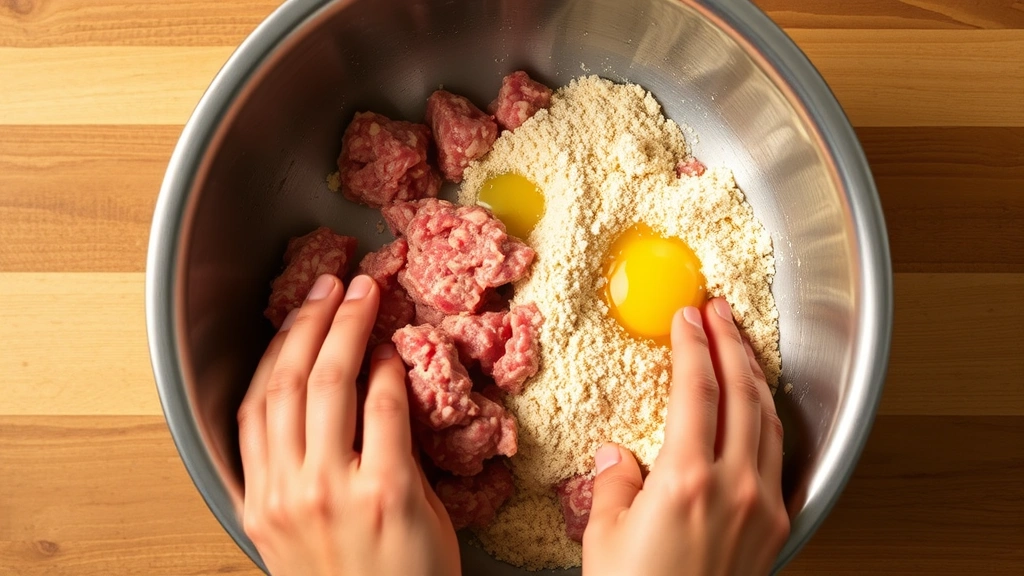
- In a large mixing bowl, crack your eggs and whisk them vigorously for about 30 seconds until they’re completely combined and slightly frothy. If you’re using aquafaba, whisk it the same way to incorporate air.
- Pour the milk into the egg mixture and whisk again for about 15 seconds until fully incorporated. The milk helps distribute the binder more evenly throughout your mixture.
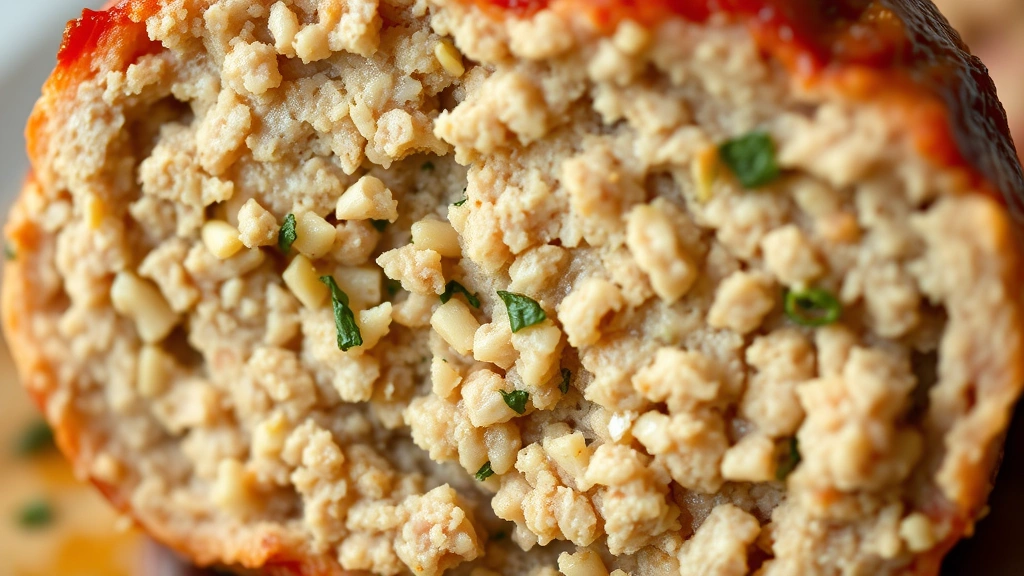
- Add the panko breadcrumbs to the egg and milk mixture, stirring gently with a fork until you achieve a paste-like consistency. The breadcrumbs should be moistened but not soggy—you’re looking for a texture similar to wet sand.
- Sprinkle in the salt, black pepper, garlic powder, onion powder, and Italian seasoning. Stir thoroughly to distribute all seasonings evenly throughout the mixture. Taste a tiny bit on your finger (before adding raw meat or vegetables) to adjust seasonings if needed.
- If using cheese, fold it gently into the binder mixture now, stirring until evenly distributed. The cheese adds flavor and can help with binding as well.
- Add your main ingredient—whether that’s ground meat, finely chopped vegetables, or cooked grains—to the binder mixture. Use a gentle folding motion rather than aggressive stirring to avoid overworking the mixture, which can make the final product tough.
- If you’ve added fresh parsley or lemon zest, fold these in now at the very end. These delicate ingredients are best added last to preserve their flavor and appearance.
- Let the mixture rest for 5 minutes at room temperature. This allows the breadcrumbs to fully absorb the liquid and helps everything hold together better during cooking.
- Form the mixture into your desired shapes—balls for meatballs, patties for burgers, or loaves for meatloaf. Wet your hands slightly with water to prevent sticking, but don’t make them too wet.
- If you’re making meatballs or patties, place them on a parchment-lined baking sheet. If you’re making a loaf, press the mixture into a loaf pan lined with parchment paper for easy removal.
- Heat your oil in a large skillet over medium-high heat until it shimmers and is just beginning to smoke. For baked applications, preheat your oven to 375°F (190°C).
- Working in batches to avoid overcrowding the pan, carefully place your formed mixture into the hot oil. Don’t move them for the first 2-3 minutes—this creates a golden crust that helps everything stay together.
- Once the bottom is golden brown, gently turn each piece and cook the other side for another 2-3 minutes until golden all over. For a loaf, bake for 30-35 minutes until the internal temperature reaches 160°F (71°C) for meat-based recipes.
- Transfer finished pieces to a paper towel-lined plate to drain excess oil. This step is crucial for achieving the perfect texture without greasiness.
- Let everything cool for 5 minutes before serving. This resting period allows the binder to set completely, ensuring your creations hold together perfectly when plated.
- Serve your binder-based dish warm with your choice of sauce, side dishes, or toppings. Store any leftovers in an airtight container in the refrigerator for up to 4 days, or freeze for up to 3 months.
Pro Tips
- **Egg as a Binder:** Eggs are the most versatile and reliable binder because they contain proteins that coagulate when heated, creating a network that traps moisture and holds ingredients together. One large egg can typically bind up to 1 pound of meat or vegetables.
- **Breadcrumb Ratio:** The ratio of breadcrumbs to liquid should be roughly 1:1 by volume. Too many breadcrumbs create a dense, dry product, while too few result in a mixture that falls apart. Panko breadcrumbs work best because they’re larger and create a lighter texture than regular breadcrumbs.
- **Milk Alternatives:** Dairy milk works beautifully, but you can substitute with any plant-based milk, beef or vegetable broth, or even water. Each liquid brings slightly different flavor notes—broth adds savory depth while water lets other flavors shine.
- **Vegan Binders:** Beyond aquafaba (chickpea liquid), you can use ground flaxseed mixed with water (1 tablespoon flax + 3 tablespoons water = 1 egg), mashed banana or applesauce for sweet applications, or even silken tofu for creamier dishes.
- **Cheese Benefits:** Parmesan doesn’t just add flavor—the salt in cheese helps bind ingredients together and adds umami depth. Other firm cheeses work similarly.
- **Overworking Prevention:** Mix your binder mixture gently and combine with your main ingredients using a folding motion. Overworking develops gluten (if using wheat breadcrumbs) and activates proteins, resulting in tough, rubbery textures.
- **Resting Time:** Allowing your mixture to rest for 5-10 minutes before cooking is crucial. This gives the breadcrumbs time to fully hydrate and helps everything bind together more securely during cooking.
- **Temperature Control:** When pan-frying, medium-high heat creates a golden crust while keeping the inside tender. Too low heat results in a greasy product; too high heat burns the outside before the inside cooks through.
- **Storage Solutions:** Uncooked binder mixtures can be refrigerated for up to 24 hours before cooking. Cooked dishes keep for 4 days in the refrigerator and freeze beautifully for up to 3 months. Thaw overnight in the refrigerator before reheating.
- **Seasoning Strategy:** Season your binder mixture generously since the breadcrumbs dilute flavors. Don’t be shy with salt, garlic, and herbs—they’re essential for creating truly flavorful dishes.