
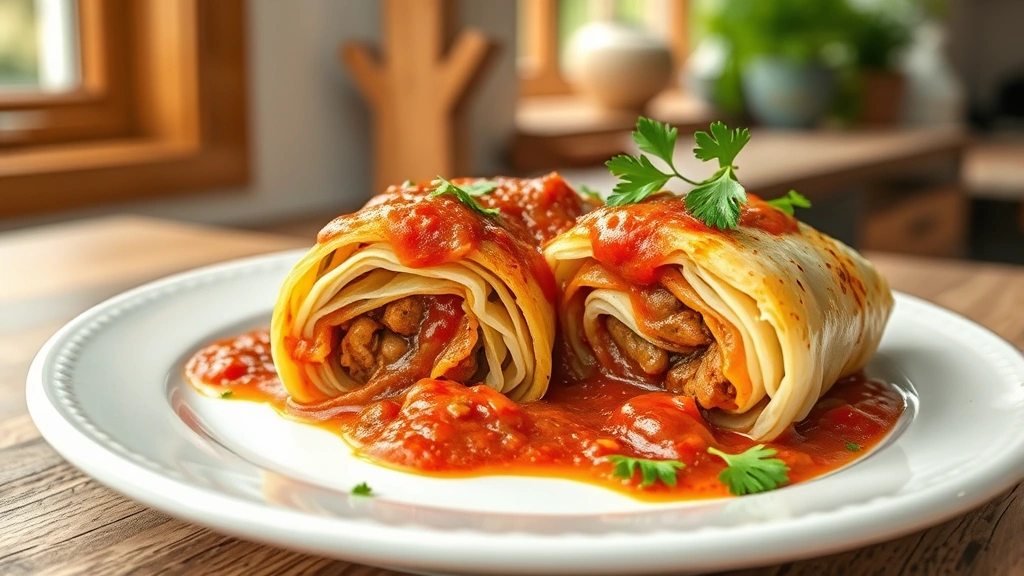
There’s something absolutely magical about homemade vegan cabbage rolls – they’re the kind of comforting, wholesome dish that brings people together around the table. This recipe has been perfected over countless dinner parties and family gatherings, and I’m thrilled to share my secrets for making the absolute best vegan cabbage rolls that even non-vegans will devour.
Cabbage rolls are a classic dish found in cuisines all around the world, from Eastern Europe to Asia, and each region brings its own special touch. My version combines the heartiness of a savory filling with tender, perfectly steamed cabbage leaves, all enveloped in a rich, tangy tomato sauce that’s absolutely divine. The beauty of going vegan with this dish is that you can load up on vegetables, grains, and legumes to create a filling that’s not only delicious but also packed with nutrition.
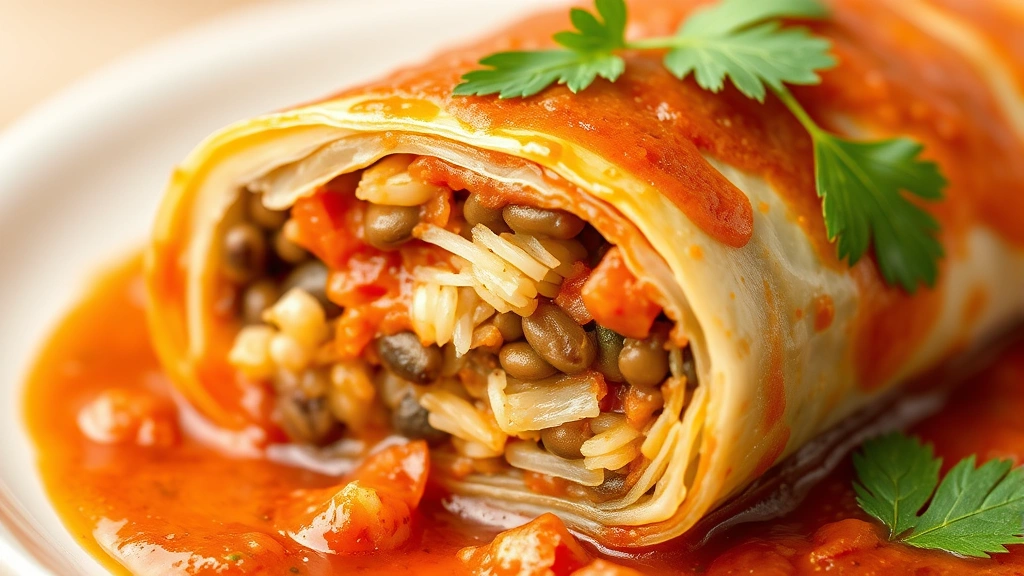
What makes these cabbage rolls truly special is the attention to detail – from selecting the right cabbage and preparing it properly, to crafting a filling that has just the right balance of flavors and textures. I like to use a combination of brown rice, lentils, and finely chopped vegetables to create a filling that’s hearty and satisfying. The key is to not skip any steps and to let the rolls simmer in that gorgeous tomato sauce until they’re absolutely tender.
I’ve been making these for years, and they’ve become a staple in my kitchen. They’re perfect for meal prep, they freeze beautifully, and they taste even better the next day when all those flavors have had time to meld together. Whether you’re cooking for a special dinner or just want to impress yourself with a home-cooked meal, these vegan comfort food classics are absolutely worth your time.
One of my favorite things about this recipe is how versatile it is. You can easily customize the filling to suit your preferences or what you have on hand. Some people love adding mushrooms for extra umami, while others prefer to keep it simple with just rice and beans. I’ve even made versions with quinoa instead of rice for those looking for a complete protein option.
The guide to cooking grains perfectly complements this recipe, as getting your rice cooked just right is crucial. You want it cooked through but not mushy – it will continue to cook slightly as the rolls bake in the sauce. I always recommend cooking your grains a bit al dente for the best texture in the finished rolls.
If you’re new to vegan cooking basics, this is actually a wonderful recipe to start with because it teaches you so many fundamental techniques. You’ll learn how to properly steam and soften cabbage leaves, how to create a flavorful filling, and how to build layers of flavor in a sauce. These are skills that will serve you well in countless other recipes.
The how to make tomato sauce from scratch is an investment that truly pays off in this dish. While you can certainly use canned tomato sauce, homemade sauce elevates these rolls to another level entirely. The depth of flavor you get from slowly simmering tomatoes with garlic, herbs, and a touch of sweetness is unmatched.
What I love most about serving these is watching people’s faces light up when they take that first bite. There’s something about the combination of the tender cabbage, the savory filling, and that rich sauce that just makes people happy. They’re comfort food at its finest, and they prove that vegan cooking doesn’t mean sacrificing any of the warmth and satisfaction you get from traditional dishes.
These rolls are also incredibly budget-friendly, which is another reason I adore them. Cabbage is inexpensive, rice and lentils are pantry staples, and a good tomato sauce is easy to make from scratch. You can feed a family of four for under fifteen dollars, and everyone will leave the table completely satisfied. It’s the kind of recipe that reminds us that simple, wholesome food doesn’t have to be fancy or expensive to be absolutely delicious.
I encourage you to make these rolls with love and attention, tasting as you go and adjusting the seasonings to your preference. Every kitchen is different, every stove cooks differently, and your personal taste preferences matter. This recipe is a framework, and you’re the artist – feel free to make it your own while keeping these fundamental techniques in mind.
Ingredients
- 1 large head of green cabbage
- 1 cup cooked brown rice (or jasmine rice)
- 1 cup cooked green or brown lentils
- 1 medium yellow onion, finely diced
- 3 cloves garlic, minced
- 1 cup finely chopped mushrooms (cremini or baby bella)
- 1 medium carrot, finely diced
- 1 red bell pepper, finely diced
- 2 tablespoons olive oil
- 1 teaspoon dried oregano
- 1 teaspoon dried basil
- 1/2 teaspoon smoked paprika
- 1/2 teaspoon ground cumin
- Salt and freshly ground black pepper to taste
- 1/4 teaspoon red pepper flakes
- 3 cups tomato sauce or crushed tomatoes
- 1 tablespoon balsamic vinegar
- 1 tablespoon maple syrup or agave nectar
- 1 tablespoon fresh lemon juice
- 2 cups vegetable broth
- Fresh parsley for garnish
- Nutritional yeast (optional, for serving)
Instructions
- Bring a large pot of salted water to a boil. Carefully remove the core from the cabbage using a sharp knife, and gently place the entire head into the boiling water. This will help soften the leaves so they’re easier to peel away.
- After about 8-10 minutes, when the outer leaves are soft and pliable, carefully remove the cabbage using tongs and place it on a cutting board. Once it’s cool enough to handle, gently peel away the leaves one at a time.
- Continue boiling the cabbage and peeling leaves until you have 12-14 usable leaves (you’ll need 6 for the rolls and extras in case any tear). Set the leaves aside on a clean kitchen towel.
- Chop the remaining cabbage into bite-sized pieces and set aside – you’ll use this for the bottom of the baking dish and to layer with the rolls.
- Heat 2 tablespoons of olive oil in a large skillet over medium heat. Add the diced onion and cook for about 4 minutes until softened and fragrant.
- Add the minced garlic, diced carrot, diced bell pepper, and chopped mushrooms to the skillet. Sauté for another 6-8 minutes, stirring occasionally, until the vegetables are tender and any moisture from the mushrooms has evaporated.
- Stir in the dried oregano, basil, smoked paprika, cumin, red pepper flakes, salt, and pepper. Cook for 1 minute more until the spices are fragrant.
- Remove the skillet from heat and stir in the cooked brown rice and cooked lentils until everything is well combined. Taste and adjust seasonings as needed – this filling should be flavorful and well-seasoned.
- In a small bowl, whisk together the tomato sauce, vegetable broth, balsamic vinegar, maple syrup, and fresh lemon juice. Set this sauce aside.
- Preheat your oven to 375°F (190°C). Lightly oil a 9×13 inch baking dish or similar sized casserole dish.
- Spread a thin layer of the tomato sauce on the bottom of the prepared baking dish, then scatter some of the chopped raw cabbage over the sauce.
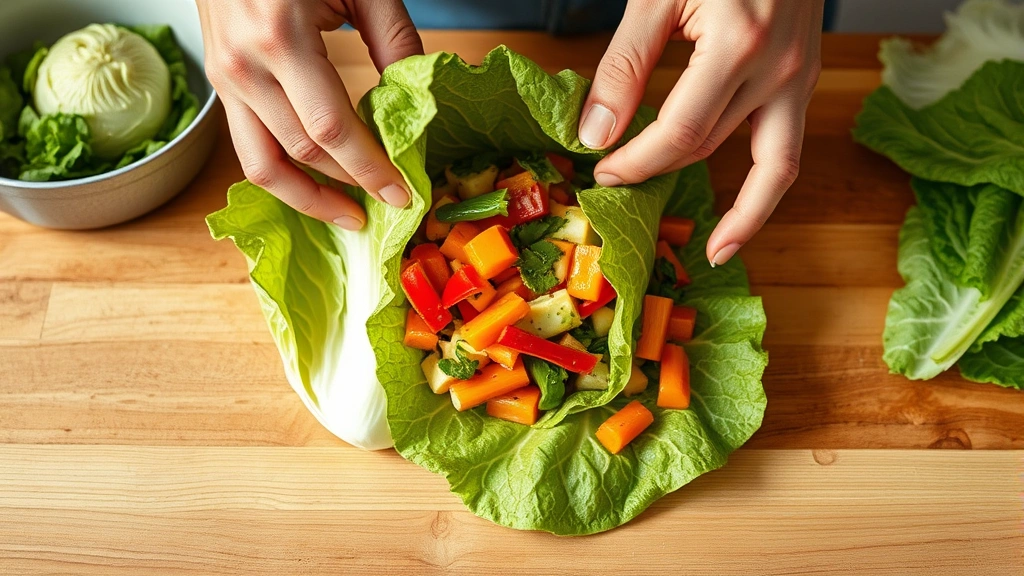
- Lay one of the softened cabbage leaves on a clean work surface. Place about 1/3 cup of the filling in the center of the leaf, leaving about an inch on either side.
- Fold the sides of the cabbage leaf toward the center, covering part of the filling, then roll the leaf tightly away from you to enclose the filling completely. The roll should be snug but not overstuffed.
- Place the filled roll seam-side down in the prepared baking dish. Repeat with the remaining cabbage leaves and filling until all rolls are made.
- Pour the remaining tomato sauce mixture over and around the cabbage rolls, making sure they’re well coated. Scatter any remaining chopped cabbage around the rolls.
- Cover the baking dish tightly with aluminum foil and bake for 40-45 minutes, until the rolls are tender and the sauce is bubbling around the edges.
- Remove the foil and bake for an additional 5-10 minutes to allow the sauce to reduce slightly and the tops of the rolls to develop a bit of color.
- Remove from the oven and let rest for 5 minutes before serving. Garnish with fresh parsley and a sprinkle of nutritional yeast if desired.
Pro Tips
- **Cabbage Selection**: Choose a head of cabbage that feels heavy for its size and has tightly packed leaves. Green cabbage works beautifully in this recipe, but you can also use Napa cabbage for a more delicate flavor.
- **Grain Options**: While brown rice is my go-to, you can substitute with white rice, jasmine rice, or even quinoa. Just make sure whatever grain you use is fully cooked before adding it to the filling.
- **Lentil Choices**: Green lentils hold their shape better than red lentils and provide a wonderful texture. If you can’t find green lentils, brown lentils work well too.
- **Vegetable Flexibility**: Feel free to customize the vegetables in the filling based on what you have on hand. Zucchini, celery, spinach, and sun-dried tomatoes all work beautifully.
- **Make-Ahead Instructions**: You can assemble the rolls up to 2 days in advance, cover them tightly, and refrigerate until ready to bake. You may need to add 10-15 extra minutes to the baking time if they’re coming straight from the refrigerator.
- **Freezing**: These rolls freeze beautifully for up to 3 months. Freeze them unbaked in the baking dish covered with plastic wrap and then foil. Thaw overnight in the refrigerator before baking, or bake directly from frozen, adding about 30 minutes to the total cooking time.
- **Sauce Consistency**: If your sauce is too thin after baking, you can simmer the uncovered dish on the stovetop for a few minutes to reduce it. If it’s too thick, add a bit more vegetable broth.
- **Flavor Development**: This dish actually tastes better the next day as all the flavors have time to meld together. Make these a day ahead and reheat gently for the best flavor.
- **Serving Suggestions**: Serve these rolls with crusty bread to soak up the sauce, a simple green salad, or alongside some roasted vegetables. They pair wonderfully with a crisp white wine or a full-bodied red.
- **Nutritional Benefits**: This is a complete meal in itself, providing protein from the lentils and rice, fiber from the vegetables and grains, and plenty of micronutrients from the cabbage and other vegetables.
- **Leftover Storage**: Store leftovers in an airtight container in the refrigerator for up to 4 days. Reheat gently on the stovetop with a splash of vegetable broth to restore moisture.