

Bigos, the beloved Polish hunter’s stew, is a rustic masterpiece that improves with time and tastes even better as leftovers. This traditional dish combines tender meat, sauerkraut, and fresh cabbage in a rich, savory broth that’s both comforting and complex. While it may seem intimidating, making bigos at home is surprisingly straightforward and incredibly rewarding. The beauty of this stew lies in its flexibility—you can use whatever meats you have on hand, from pork and beef to game, and the long, slow cooking process allows all the flavors to meld together beautifully.
What makes bigos truly special is how it brings people together. In Poland, families have been making this dish for generations, often preparing large batches to share during cold winter months. The aroma alone will have your guests asking what’s cooking in your kitchen! This recipe walks you through the traditional method while keeping things manageable for home cooks. Polish comfort food has a special way of warming both body and soul, and bigos is the quintessential example.
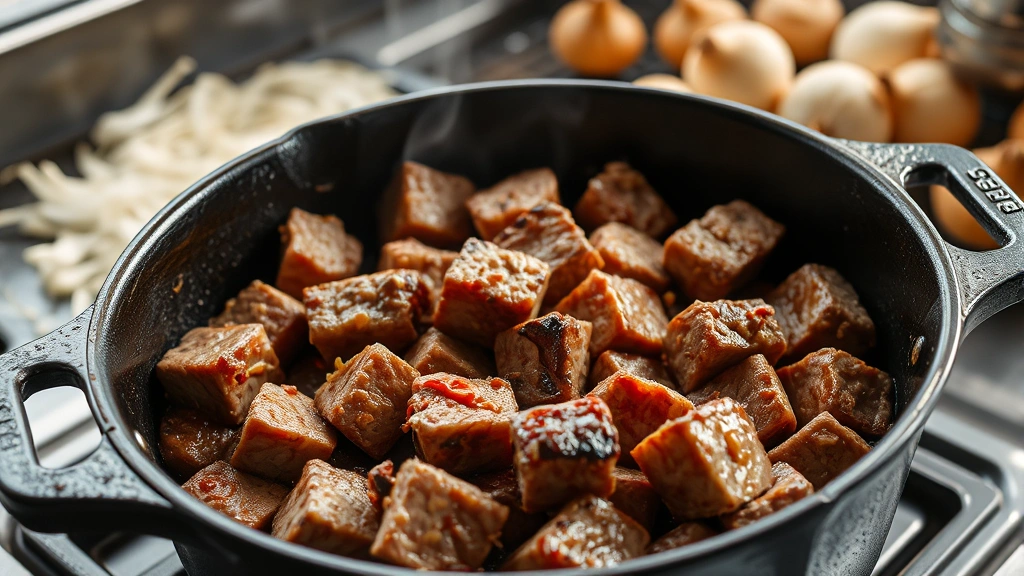
The key to exceptional bigos is patience and quality ingredients. Don’t rush the initial browning of the meat—those caramelized bits add incredible depth to your stew. The combination of sauerkraut and fresh cabbage creates a beautiful balance of tangy and mild flavors, while the tomato paste and broth tie everything together. Many home cooks are surprised to learn that slow cooking techniques like this actually save time overall, since the meat becomes fall-apart tender and requires no additional preparation.
Bigos is also incredibly forgiving. Unlike some recipes that require precise measurements and timing, this stew actually welcomes improvisation. Add extra mushrooms if you love them, include some Polish kielbasa for extra richness, or adjust the sourness by adding more or less sauerkraut. This flexibility makes it perfect for using up odds and ends from your refrigerator. Budget-friendly cooking doesn’t get much better than this.
For an authentic experience, serve your bigos with crusty rye bread to soak up every drop of the delicious broth. A dollop of sour cream on top adds richness and helps balance the tanginess. This is the kind of meal that makes your kitchen smell incredible and leaves everyone asking for seconds. Whether you’re cooking for a special occasion or just want a weeknight dinner that tastes like you spent all day in the kitchen, bigos delivers on every front. Check out Bon Appétit’s take on Polish stew for additional inspiration, or learn more from Serious Eats’ comprehensive bigos guide for deeper culinary context.
Ingredients
- 2 pounds pork shoulder, cut into 1-inch cubes
- 1 pound beef chuck, cut into 1-inch cubes
- 6 ounces Polish kielbasa, sliced into rounds
- 8 ounces mushrooms, cleaned and sliced
- 1 large onion, diced
- 4 cloves garlic, minced
- 2 tablespoons tomato paste
- 1 can (28 ounces) crushed tomatoes
- 4 cups sauerkraut, drained and rinsed
- 4 cups fresh green cabbage, shredded
- 4 cups beef broth
- 2 tablespoons apple cider vinegar
- 2 bay leaves
- 1 teaspoon caraway seeds
- 1 teaspoon dried marjoram
- ½ teaspoon dried thyme
- Salt and freshly ground black pepper to taste
- 3 tablespoons vegetable oil
- 2 tablespoons butter
- Sour cream for serving
Instructions
- Pat the pork and beef cubes dry with paper towels and season generously with salt and pepper on all sides. This helps create a better crust during browning.
- Heat 1½ tablespoons of vegetable oil in a large Dutch oven or heavy-bottomed pot over medium-high heat until shimmering but not smoking.
- Working in batches to avoid crowding the pan, brown the pork cubes for 4-5 minutes per side until deeply caramelized. Transfer to a plate and repeat with remaining pork, then beef cubes. Set all browned meat aside.
- Reduce heat to medium and add the remaining 1½ tablespoons oil and the butter to the pot. Add the diced onion and cook for 5-7 minutes, stirring occasionally, until softened and starting to turn golden.
- Add the minced garlic and cook for 1 minute until fragrant, stirring constantly to prevent burning.
- Stir in the tomato paste and cook for 2 minutes, allowing it to deepen in color slightly.
- Add the crushed tomatoes, scraping up any browned bits from the bottom of the pot. These fond bits contain incredible flavor and should be fully incorporated.
- Return all the browned meat to the pot along with any accumulated juices. Stir well to combine.
- Add the beef broth, sauerkraut, fresh cabbage, kielbasa, bay leaves, caraway seeds, marjoram, and thyme. Stir thoroughly to ensure all ingredients are well distributed and the broth covers the meat.
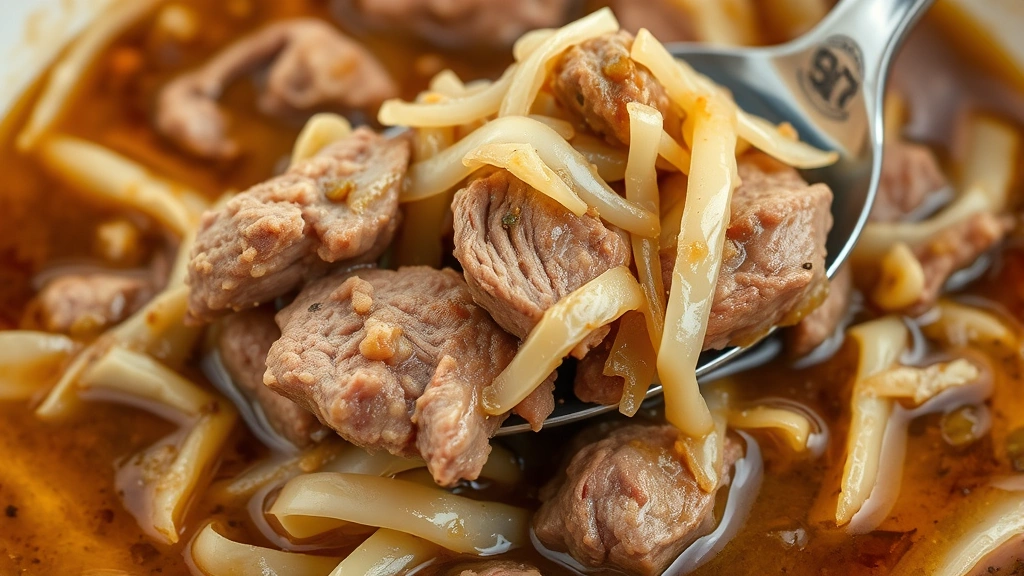
- Bring the mixture to a gentle simmer over medium-high heat, then reduce heat to low. Cover and simmer for 2 to 2½ hours, stirring occasionally, until the meat is fork-tender and easily breaks apart.
- Taste the bigos and add the apple cider vinegar. Adjust seasoning with additional salt, pepper, or vinegar as needed. The stew should have a balanced flavor with subtle tanginess.
- If the bigos seems too thin, simmer uncovered for 15-20 minutes to reduce the broth slightly and concentrate flavors. If too thick, add additional broth or water.
- Remove bay leaves before serving. Ladle into bowls and top each serving with a generous dollop of sour cream.
- Serve hot with crusty rye bread, dark bread, or boiled potatoes on the side.
Pro Tips
- **Make-Ahead Magic**: Bigos actually tastes better the next day or even a few days later, as the flavors continue to develop and meld together. Make it up to 4 days ahead and refrigerate, or freeze for up to 3 months. Simply reheat gently on the stovetop, adding a splash of broth if needed.
- **Meat Variations**: This recipe works beautifully with any combination of meats. Try using pork and venison for a more traditional hunter’s stew, or substitute some of the beef with lamb for deeper, richer flavors. Smoked pork works wonderfully too.
- **Sauerkraut Selection**: Quality matters here. Look for sauerkraut in the refrigerated section of your grocery store rather than the canned varieties, as fresh sauerkraut has better flavor and texture. Some home cooks prefer to rinse it lightly to reduce extreme sourness, while others embrace the tang.
- **Vegetable Additions**: Feel free to add diced carrots, parsnips, or celery during the cooking process. Some cooks include dried prunes or raisins for subtle sweetness that balances the sourness beautifully.
- **Serving Suggestions**: Traditional accompaniments include boiled potatoes, rye bread, or noodles. A dollop of sour cream is almost mandatory—it adds richness and helps balance the acidity of the sauerkraut.
- **Mushroom Upgrade**: Use a mix of mushroom varieties like cremini, oyster, and shiitake for more complex, umami-rich flavor. Dried mushrooms reconstituted in warm water also work wonderfully.
- **Wine Option**: Some recipes add ½ cup of dry red wine or Polish vodka for additional depth, added after browning the meat. This is optional but adds sophistication.
- **Cooking Vessel**: A Dutch oven with a tight-fitting lid is ideal for even heat distribution and moisture retention, but any large, heavy-bottomed pot works well.
- **Flavor Adjustments**: Taste frequently during the last 30 minutes of cooking. The balance between tanginess, richness, and savory depth should feel harmonious. Add more vinegar for tang, tomato paste for umami, or broth for balance.
- **Storage and Reheating**: Store in an airtight container in the refrigerator for up to 4 days. Reheat gently over medium-low heat on the stovetop, stirring occasionally, until warmed through. The stew thickens as it cools, so you may need to thin it slightly with additional broth when reheating.
- **Texture Perfection**: The meat should be so tender it falls apart with a spoon. If after 2½ hours it’s still tough, continue cooking and checking every 15-20 minutes. Older, tougher cuts of meat may require longer cooking times.
- **Authentic Polish Experience**: In Poland, bigos is traditionally made in larger batches and eaten throughout the week. Many families have their own special recipes passed down through generations, so don’t hesitate to make this recipe your own and adjust it to your preferences.