
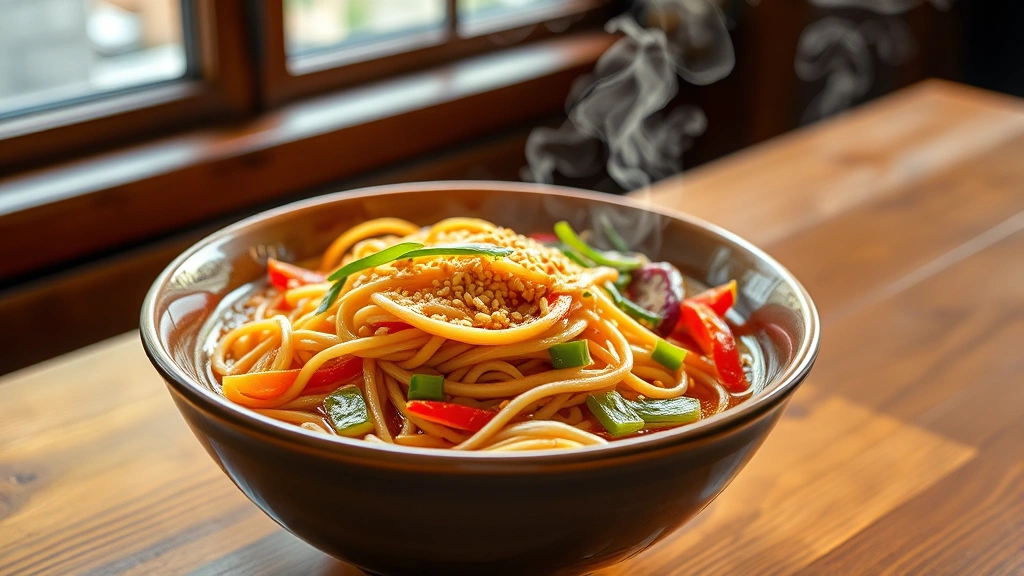
There’s something absolutely magical about a bowl of perfectly cooked Asian noodles – the way they glisten with sauce, the aromatic steam rising from the bowl, and that first satisfying slurp. This recipe is my go-to when I want restaurant-quality noodles without the fuss. What makes this dish so special isn’t just the noodles themselves, but the combination of fresh ingredients, bold flavors, and simple techniques that come together in minutes.
I’ve been making variations of this dish for years, and I’ve finally perfected the formula that delivers maximum flavor with minimal effort. The secret lies in building layers of umami through a combination of soy sauce, sesame oil, and a touch of ginger and garlic. Whether you’re a weeknight dinner warrior or someone looking to impress guests with an easy yet elegant meal, this Asian noodle recipe is your answer.
What I love most about this recipe is its versatility. You can customize it based on what you have in your pantry and what proteins appeal to you. The beauty of Asian cuisine is that it celebrates balance – the interplay of savory, sweet, spicy, and aromatic elements. This dish hits all those notes beautifully, and once you master the base technique, you’ll find yourself making it again and again.
The cooking method is straightforward enough for beginners but sophisticated enough to satisfy even the most discerning palates. I’m sharing my exact process, complete with timing and temperature notes, so you can replicate restaurant results at home. This pairs beautifully with homemade Asian sauce, and I often prepare a quick vegetable stir-fry on the side.
For the sauce component, I recommend checking out Serious Eats’ guide to Asian noodle sauces for additional inspiration. You might also enjoy Bon Appétit’s take on sesame noodles, which offers another delicious variation. If you’re interested in the protein options, the New York Times has an excellent soy-sauce chicken recipe that works wonderfully with noodles.
The beauty of this recipe is that it teaches you fundamental cooking principles that extend far beyond just noodles. You’ll learn how to properly sear proteins, build depth of flavor, and balance seasonings – skills that will elevate your entire cooking repertoire. I’m excited to share this with you!
Ingredients
- 1 pound fresh or dried Asian egg noodles (ramen, chow mein, or lo mein)
- 8 ounces protein of choice: chicken breast, shrimp, beef sirloin, or extra-firm tofu
- 3 tablespoons soy sauce
- 2 tablespoons sesame oil
- 1 tablespoon rice vinegar
- 1 tablespoon honey or sugar
- 3 cloves garlic, minced
- 1 tablespoon fresh ginger, minced
- 2 tablespoons vegetable oil for cooking
- 1 teaspoon sriracha or chili paste (optional)
- 4 cups mixed vegetables: bell peppers, snap peas, carrots, broccoli florets
- 3 green onions, sliced on the bias
- 2 tablespoons sesame seeds
- 1/4 cup low-sodium chicken or vegetable broth
- Salt and white pepper to taste
- Optional garnish: fresh cilantro, lime wedges, crispy fried onions
Instructions
- Prepare your sauce by whisking together soy sauce, sesame oil, rice vinegar, honey, minced garlic, ginger, sriracha if using, and broth in a small bowl. Set aside at room temperature.
- Bring a large pot of salted water to a rolling boil. The water should taste like the sea – this is your only opportunity to season the noodles themselves.
- Cut your chosen protein into bite-sized pieces, approximately 1/2 to 3/4 inch, ensuring even sizing for uniform cooking.
- Pat the protein dry with paper towels – this is crucial for achieving a good sear and developing flavor through the Maillard reaction.
- Add noodles to the boiling water and cook according to package directions, usually 3-5 minutes for fresh noodles or 6-8 minutes for dried. Stir occasionally to prevent sticking.
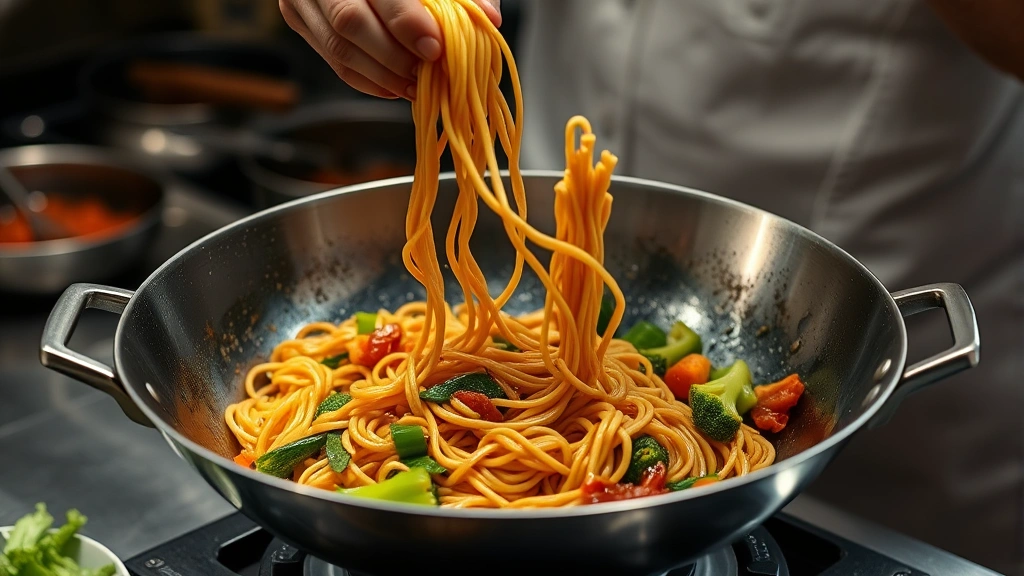
- While noodles cook, heat vegetable oil in a large wok or skillet over medium-high heat until it shimmers and just begins to smoke slightly.
- Add the protein to the hot oil in a single layer without stirring for 2-3 minutes, allowing it to develop a golden crust on the first side.
- Stir and continue cooking for another 2-3 minutes until the protein is nearly cooked through. For chicken, this means no pink remains; for shrimp, it should be mostly opaque; for tofu, it should be lightly golden.
- Remove the protein to a clean plate and set aside, leaving approximately 1 tablespoon of oil in the wok.
- Add your prepared vegetables to the same wok and stir-fry over medium-high heat for 3-4 minutes until they’re tender-crisp with slight color.
- Drain the cooked noodles in a colander, reserving 1/4 cup of pasta water for adjusting sauce consistency if needed.
- Return the cooked protein to the wok with the vegetables, then add the drained noodles directly to the wok.
- Pour the prepared sauce over the noodles and protein, tossing constantly for 2-3 minutes until everything is evenly coated and heated through.
- If the mixture seems too dry, add reserved pasta water one tablespoon at a time until you reach your desired consistency – the sauce should coat the noodles but not pool at the bottom.
- Taste and adjust seasonings with additional soy sauce for saltiness, sesame oil for richness, or rice vinegar for brightness.
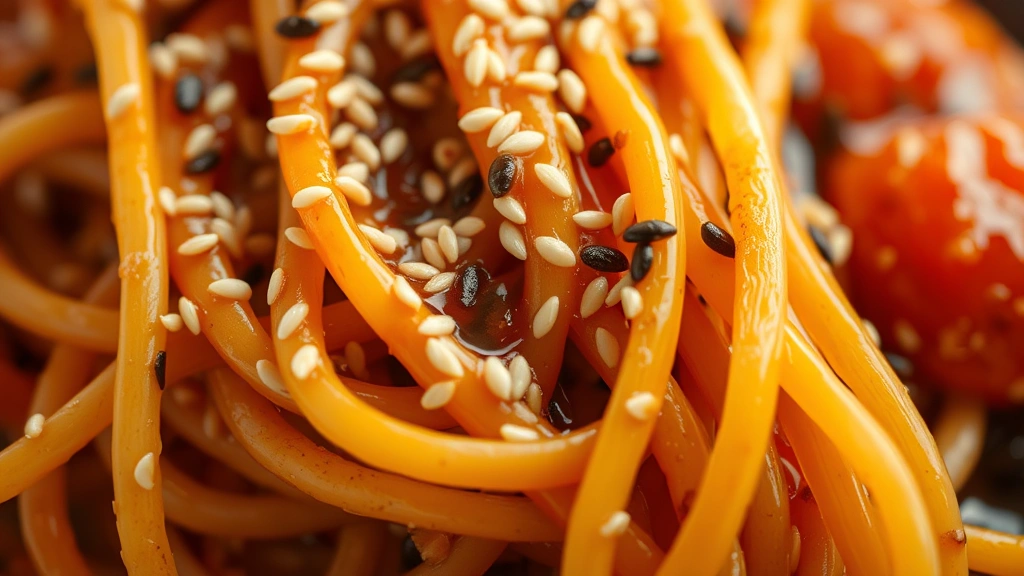
- Divide noodles among serving bowls and garnish generously with sliced green onions, sesame seeds, and any optional toppings like cilantro or lime wedges.
- Serve immediately while hot, providing lime wedges on the side for guests to adjust brightness and tang to their preference.
Pro Tips
- Noodle Selection: The type of noodle you choose will affect the final dish’s character. Fresh egg noodles create a tender, delicate texture, while dried ramen noodles offer more chew and structure. For gluten-free options, look for rice noodles or legume-based alternatives, which work equally well with this sauce.
- Protein Flexibility: This recipe is wonderfully adaptable. Thinly sliced chicken breast cooks quickly and absorbs flavors beautifully. Shrimp brings sweetness and cooks in just 2-3 minutes, so watch carefully to avoid overcooking. Beef sirloin provides heartiness and pairs wonderfully with the umami-rich sauce. For a vegetarian option, extra-firm tofu pressed and cubed works equally well, though it benefits from a slightly longer sear time to develop texture.
- Make-Ahead Tips: The sauce can be prepared up to 3 days in advance and stored in an airtight container in the refrigerator. You can also chop all vegetables and protein the morning of serving, storing them separately. However, don’t cook the noodles until you’re ready to serve – they’ll continue absorbing moisture and become mushy if prepared too far ahead.
- Vegetable Variations: Feel free to use whatever vegetables you have on hand. Bok choy, mushrooms, baby corn, water chestnuts, and asparagus all work beautifully. The key is cutting them into uniform sizes so they cook evenly. Softer vegetables like zucchini should be added toward the end of cooking, while harder vegetables like broccoli and carrots should go in first.
- Sauce Depth: For deeper umami complexity, consider adding a teaspoon of miso paste or oyster sauce to the sauce mixture. These additions won’t overpower the dish but will add savory complexity that makes people ask for your recipe. Alternatively, a splash of fish sauce adds authentic Asian restaurant depth, though use sparingly – it’s pungent but transforms the flavor profile beautifully.
- Temperature Control: Proper heat management is crucial for success. High heat at the beginning creates the protein’s flavorful crust, but medium-high heat for vegetables prevents burning while allowing them to develop color. The final tossing should happen at medium heat to prevent sauce from breaking and noodles from becoming mushy.
- Sesame Oil Quality: Invest in good quality toasted sesame oil – the flavor difference is remarkable. Regular sesame oil lacks the characteristic nutty aroma. A little goes a long way, and toasted sesame oil burns easily, so add it toward the end of cooking or use it exclusively in the sauce where heat exposure is minimal.
- Serving Strategy: For dinner parties, have all components prepared and ready to go, then execute the final cooking just before serving. This dish is best enjoyed immediately while noodles have optimal texture and everything is at proper temperature. Leftover noodles can be refrigerated for up to 3 days and reheated gently with a splash of water or broth.
- Customization Levels: This recipe’s base ratio of 3 tablespoons soy sauce to 2 tablespoons sesame oil can be memorized and used as a template for improvisation. Once you understand these proportions, you can experiment with different aromatics, proteins, and vegetables confidently.