

Bagna cauda is one of those magical Italian dishes that transforms simple ingredients into something absolutely extraordinary. This traditional Piedmontese appetizer—whose name literally means “hot bath” in Italian—is a luxurious, garlicky anchovy sauce that’s meant for dipping fresh vegetables, bread, and more. It’s the kind of dish that feels fancy and impressive but requires minimal cooking skills, making it perfect for entertaining.
The beauty of bagna cauda lies in its simplicity. With just a handful of quality ingredients—anchovies, garlic, butter, olive oil, and perhaps a splash of cream—you create a sauce so flavorful and comforting that your guests will be fighting over the last bite. This recipe has been enjoyed in the Piedmont region of northern Italy for centuries, and it’s easy to see why. Whether you’re hosting a dinner party or looking for an elegant appetizer to serve at your next gathering, this bagna cauda recipe will not disappoint.
What makes this version special is the balance of flavors and the technique for melting the anchovies perfectly so they dissolve into the sauce rather than remaining as distinct pieces. I’ve also included tips for keeping your bagna cauda warm throughout your meal and suggestions for the best vegetables to serve alongside it. Italian appetizers don’t get much better than this, and once you master bagna cauda, you’ll be making it again and again.
Many people are intimidated by recipes that feature anchovies, but trust me—when prepared correctly, they simply melt into the background and create an umami-rich depth that makes everyone ask, “What’s in this?” The anchovies aren’t meant to taste fishy; they’re meant to enhance and deepen all the other flavors. Garlic-based appetizers are some of my favorites, and this dish showcases garlic at its most elegant and refined.
For those looking to expand their vegetable dips repertoire, bagna cauda is an absolute must-try. It’s perfect for vegetable platters, and the warm, garlicky nature of the sauce makes even the simplest raw vegetables taste restaurant-quality. I’ve served this at countless dinner parties, and it’s always the star of the show.
Ingredients
- 8 anchovy fillets in oil, drained
- 1 cup (2 sticks) unsalted butter
- ½ cup extra virgin olive oil
- 8-10 garlic cloves, minced very finely
- ¼ teaspoon red pepper flakes (optional, for subtle heat)
- 3 tablespoons heavy cream (optional, for richness)
- Sea salt to taste
- Freshly ground black pepper to taste
- Fresh parsley for garnish (optional)
- White truffle oil for drizzling (optional, for extra elegance)
Instructions
- Mince the garlic cloves as finely as possible—almost to a paste-like consistency. This ensures they’ll cook evenly and won’t have any harsh, raw edges in the finished sauce.
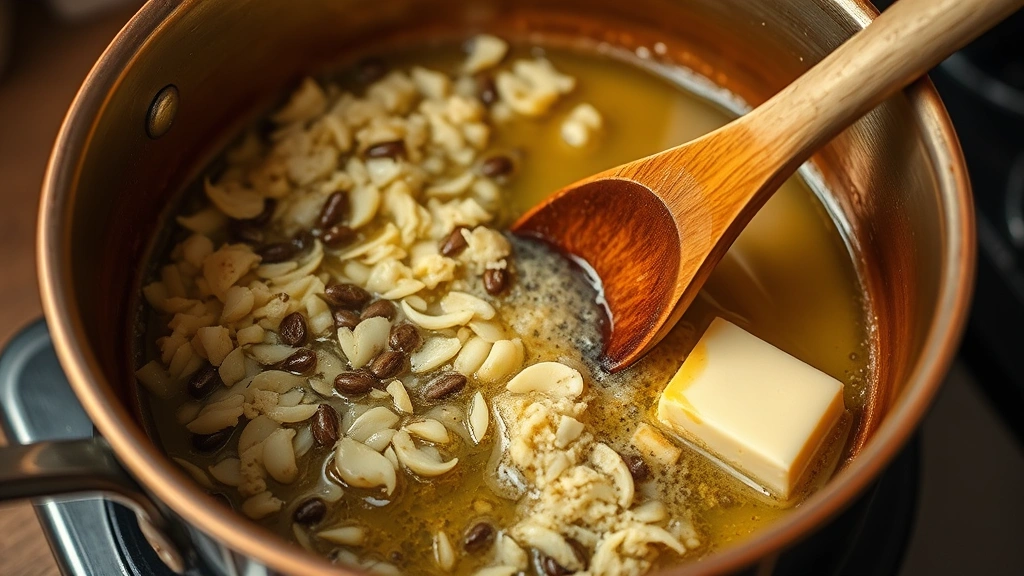
- In a heavy-bottomed saucepan or skillet, combine the butter and olive oil over very low heat. The key is to use low heat; you want everything to warm gently without any sizzling or browning.
- Once the butter and oil are warm and the butter has melted completely, add the minced garlic to the pan. Stir gently and cook for about 2-3 minutes, stirring occasionally, until the garlic becomes very fragrant but is still pale in color—do not let it brown.
- Add the drained anchovy fillets to the pan. Using a wooden spoon, gently press and stir the anchovies into the warm butter and oil, breaking them down and allowing them to dissolve completely into the sauce. This should take about 3-4 minutes.
- If the anchovies aren’t dissolving smoothly, you can use the back of your spoon to really mash them against the side of the pan. The goal is to have no visible pieces of anchovy remaining—they should be fully incorporated into a smooth sauce.
- Once the anchovies have completely dissolved, add the red pepper flakes if using, and stir to combine. Taste the sauce and add sea salt and freshly ground black pepper to your preference. Be judicious with salt since the anchovies and oil are already quite salty.
- For an extra-luxurious version, stir in the heavy cream. This adds richness and rounds out the flavors beautifully. Stir until fully incorporated and the sauce is silky and smooth.
- Transfer the bagna cauda to a fondue pot, small slow cooker on the warming setting, or a small decorative serving bowl if serving immediately. You want to keep it warm but not hot—a gentle warmth is ideal.
- If you’re not serving immediately, transfer to a small pot and cover. You can reheat gently over low heat just before serving, adding a splash more olive oil if it has thickened.
- Arrange your prepared vegetables and bread on a platter around the bagna cauda. Provide small forks, skewers, or bread for dipping.
- Just before serving, you can drizzle the surface with a tiny bit of white truffle oil and garnish with fresh chopped parsley for an elegant presentation.
- Encourage guests to keep the bagna cauda at a comfortable dipping temperature throughout the meal—if it cools too much, gently reheat it or add a splash of warm oil to bring it back to temperature.
Pro Tips
- Anchovy quality matters: Use good-quality anchovies packed in oil, preferably from Italy or Spain. Avoid the salty, overly pungent varieties. The better your anchovies, the better your bagna cauda will taste.
- Temperature control is crucial: This dish must be made over very low heat. High heat will cause the garlic to brown and the sauce to separate. Low and slow is the only way to go.
- Make it ahead: You can prepare bagna cauda several hours in advance and reheat it gently just before serving. Store it in an airtight container in the refrigerator.
- Best vegetables for serving: Raw fennel (it’s traditional!), bell peppers, carrots, celery, cherry tomatoes, radishes, endive, asparagus (lightly blanched), and mushrooms all work beautifully.
- Bread pairing: Crispy grissini (breadsticks), toasted bread cubes, or torn pieces of crusty Italian bread are perfect for scooping up the sauce.
- Cream is optional but recommended: While traditional bagna cauda is made without cream, adding it creates a more luxurious, rounded sauce that many people prefer.
- Keep it warm: A small fondue pot or a slow cooker on the “warm” setting is perfect for keeping bagna cauda at the ideal serving temperature throughout your meal.
- Garlic prep: Pre-mincing your garlic is important. If you add whole cloves or roughly chopped garlic, they won’t cook evenly and you’ll end up with harsh, raw garlic flavors.
- Leftover sauce: Any remaining bagna cauda can be tossed with pasta, drizzled over eggs, or used as a sauce for grilled vegetables or fish. It keeps for up to a week refrigerated.
- Wine pairing: Serve with a crisp white wine like Cortese, Gavi, or even Pinot Grigio to complement the rich, garlicky sauce.