
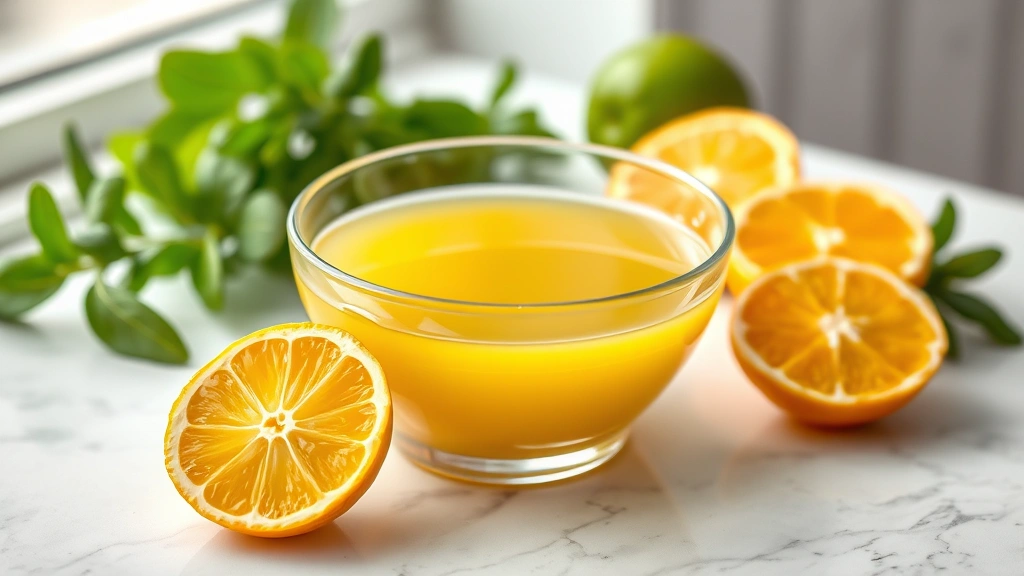
A citrus vinaigrette is one of those essential recipes that every home cook should have in their arsenal. This bright, zesty dressing transforms simple salads into something truly special, and it’s incredibly versatile enough to work with everything from delicate greens to hearty grain bowls. What makes a citrus vinaigrette truly perfect is finding that ideal balance between the acidity of fresh citrus juice, the richness of quality oil, and just the right amount of seasoning to make every ingredient shine.
The beauty of this recipe lies in its simplicity and flexibility. Unlike heavy cream-based dressings, a citrus vinaigrette lets the natural flavors of your ingredients speak for themselves. Whether you’re using fresh lemon juice, lime, orange, or a combination of citrus fruits, you’ll create a dressing that’s bright enough for spring salads yet substantial enough to dress hearty winter greens. I love making this vinaigrette in large batches because it keeps beautifully in the refrigerator for up to two weeks, making weeknight dinner preparation so much easier.
What I’ve learned over years of recipe testing is that the key to the perfect citrus vinaigrette involves three crucial elements: quality ingredients, proper emulsification, and understanding the citrus-to-oil ratio. This isn’t just about whisking together juice and oil; it’s about creating a balanced, harmonious dressing that clings to your greens rather than pooling at the bottom of your bowl. The addition of a touch of honey or Dijon mustard helps create an emulsion that’s more stable and luxurious.
I’ve included salad basics tips and tricks throughout this recipe to help you master vinaigrette-making. You’ll also find other citrus recipes that pair beautifully with this dressing, plus spring salad ideas to inspire your next meal. For additional inspiration, check out Bon Appétit’s lemon vinaigrette and Serious Eats’ vinaigrette guide.
This recipe makes about one cup of dressing, which is perfect for serving 4-6 people generously or making enough for several salads throughout the week. The measurements are flexible, so don’t hesitate to adjust based on your personal preferences and the type of citrus you’re using. Fresh, quality ingredients make all the difference here.
Ingredients
- ⅓ cup fresh lemon juice (about 2-3 lemons)
- 2 tablespoons fresh lime juice (about 1 lime)
- 1 tablespoon fresh orange juice
- 1 teaspoon Dijon mustard
- 1 teaspoon honey or maple syrup
- 1 small clove garlic, minced
- ¾ cup extra-virgin olive oil
- ¼ teaspoon kosher salt, plus more to taste
- ⅛ teaspoon freshly ground black pepper, plus more to taste
- Pinch of red pepper flakes (optional)
- 1 teaspoon fresh thyme or tarragon (optional but recommended)
Instructions
- Gather all your ingredients and have them ready before you begin. Fresh citrus juice makes a tremendous difference in this vinaigrette, so if possible, squeeze your citrus by hand rather than using bottled juice. Cut your lemons, limes, and orange in half and juice them using a citrus juicer or by hand, straining out any seeds or pulp.
- In a small bowl or glass measuring cup, combine the fresh lemon juice, lime juice, and orange juice. Take a moment to taste the citrus blend—this is your foundation, and it should taste bright and balanced without any single citrus flavor overpowering the others.
- Add the Dijon mustard, honey, and minced garlic to the citrus juices. The mustard acts as an emulsifier and adds subtle depth, while the honey provides a touch of sweetness that balances the acidity. The garlic adds savory complexity.
- Using a small whisk or fork, stir these ingredients together until the mustard and honey are fully incorporated and the mixture is well combined. Make sure there are no lumps of mustard remaining.
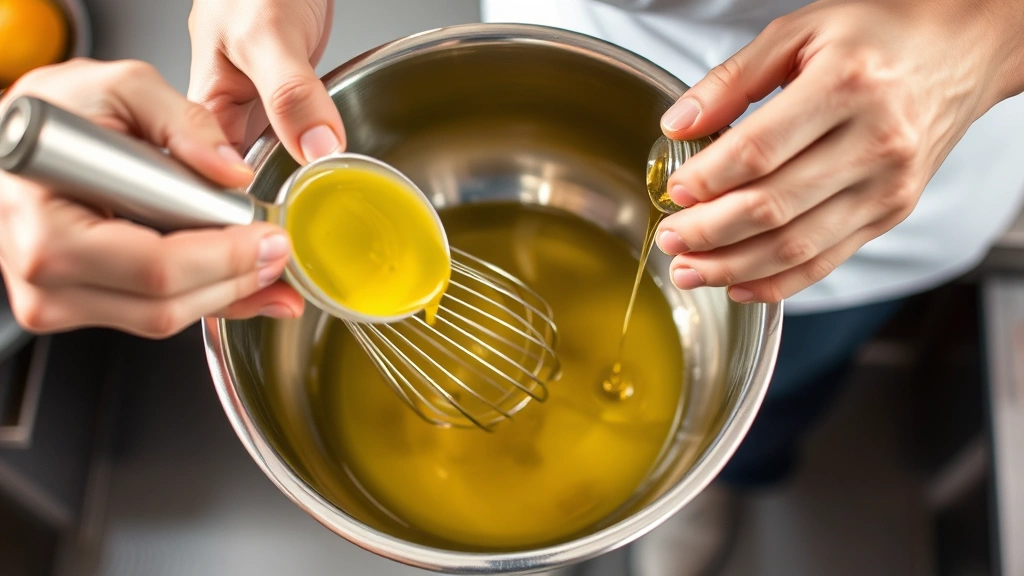
- Begin adding the extra-virgin olive oil in a very slow, steady stream while whisking constantly. Start with just a drizzle—about a tablespoon at a time. The key to a proper emulsion is patience and consistency in your whisking motion.
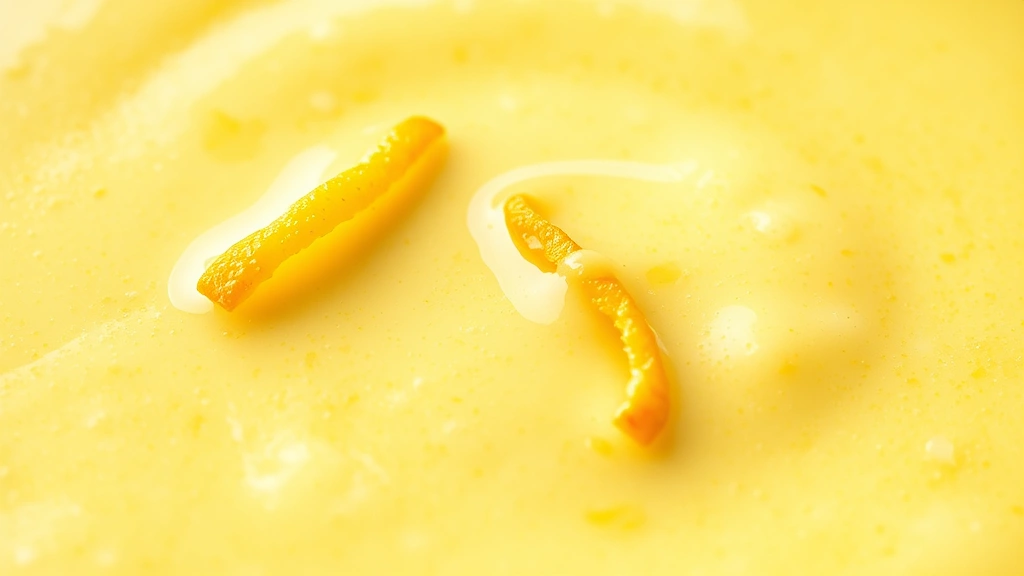
- Continue whisking and gradually increase the amount of oil you’re adding as the vinaigrette begins to emulsify and thicken. You should see the mixture become slightly creamy and lighter in color. This typically takes 3-4 minutes of whisking.
- Once all the oil is incorporated, taste your vinaigrette and season with kosher salt and freshly ground black pepper. Start with the ¼ teaspoon salt and ⅛ teaspoon pepper, then adjust to your preference. Remember that salted greens will need less salt in the dressing.
- If you’re using optional red pepper flakes or fresh herbs like thyme or tarragon, whisk them in now. These additions add wonderful depth and complexity to the vinaigrette.
- Give the vinaigrette a final vigorous whisk to ensure everything is well combined. It should have a slightly thick, creamy consistency that clings to greens rather than dripping off immediately.
- Transfer the vinaigrette to a clean glass jar with a tight-fitting lid if you’re storing it, or use it immediately on your salad. If using immediately, you can also serve it directly from the bowl using a spoon or whisk to drizzle it over greens.
- If the vinaigrette separates during storage (which is normal and not a problem), simply whisk it again before serving or shake well in a closed jar until recombined.
Pro Tips
- **Citrus Selection**: While this recipe uses a combination of lemon, lime, and orange for complexity, you can absolutely make this with just one type of citrus. Pure lemon vinaigrette is classic and elegant, while a lime-based version works beautifully with Mexican-inspired salads. Grapefruit juice creates a more sophisticated, slightly bitter version that pairs wonderfully with bitter greens like arugula or endive.
- **Oil Quality Matters**: Extra-virgin olive oil is the best choice for this vinaigrette. The fruity, peppery notes of quality olive oil complement the bright citrus beautifully. Avoid “light” olive oil or refined oils, which don’t provide enough flavor. If you want a more neutral dressing, you can use half extra-virgin olive oil and half neutral oil like avocado or grapeseed oil.
- **Emulsification Science**: The reason we whisk constantly while adding oil is to create an emulsion—a stable suspension of oil droplets in the acidic liquid. The mustard and honey help this process by acting as emulsifiers. If your vinaigrette breaks (the oil separates), simply start with a fresh egg yolk or another teaspoon of mustard in a clean bowl and slowly whisk in the broken vinaigrette, which will bring it back together.
- **Storage and Shelf Life**: This vinaigrette keeps beautifully in a glass jar in the refrigerator for up to two weeks. The flavors actually improve slightly after a day as the ingredients meld together. If the oil solidifies in the cold, simply let it sit at room temperature for 15 minutes before serving, or whisk in a tiny bit more room-temperature oil.
- **Ratio Adjustments**: The traditional vinaigrette ratio is 1 part acid to 3 parts oil. This recipe uses approximately ⅓ cup juice to ¾ cup oil, which is close to that ratio and creates a nicely balanced dressing. If you prefer a more acidic, bright dressing, reduce the oil to ½ cup. For a richer, more subtle dressing, increase the oil to 1 cup.
- **Flavor Variations**: Add minced fresh herbs like basil, parsley, or dill for herbaceous notes. A teaspoon of whole grain mustard adds texture. Fresh ginger adds warmth and complexity. A touch of soy sauce or tamari adds umami depth. Shallots, finely minced, add an elegant onion flavor that’s more refined than raw garlic.
- **Pairing Suggestions**: This citrus vinaigrette works beautifully with spring greens, baby spinach, arugula, and butter lettuce. It’s equally at home on grain bowls with quinoa or farro. Try it on roasted vegetables, grilled fish, or chicken salads. It complements fresh fruit in salads wonderfully.
- **Make-Ahead Tips**: Prepare this vinaigrette up to a week in advance without the fresh herbs. Add herbs just before serving for maximum freshness. You can also make a larger batch and portion it into small jars for grab-and-go salad dressings throughout the week.
- **Temperature Matters**: The vinaigrette emulsifies best when all ingredients are at room temperature. Cold oil and cold juice won’t emulsify as easily. If you’ve stored it in the refrigerator, let it sit out for 15 minutes before whisking.
- **Sweetness Balance**: Some people prefer their vinaigrette slightly sweeter, while others like it more tart. Start with the teaspoon of honey and adjust to your taste. A touch more honey creates a more balanced, crowd-pleasing dressing, while less honey emphasizes the bright acidity.
Pingback: How to make the Perfect Pan Fried Cod Recipe (So Simple!) – Simple Recipe Finder