
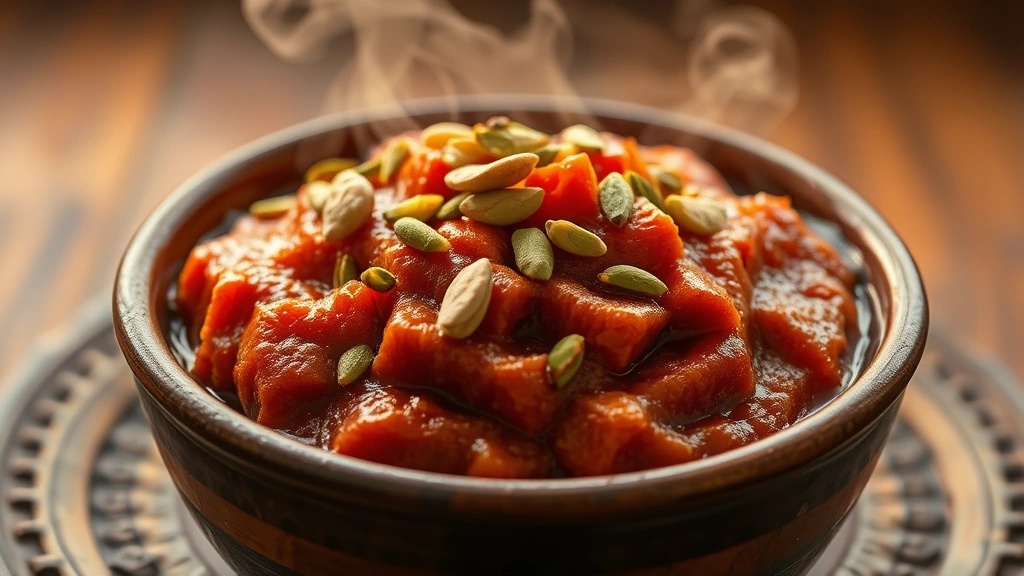
Carrot halwa, also known as gajar ka halwa, is a beloved Indian dessert that transforms simple carrots into a rich, decadent treat. This traditional sweet has been gracing Indian tables for generations, particularly during winter months when fresh carrots are at their peak. The beauty of this recipe lies in its simplicity—just a handful of ingredients combine to create something truly magical.
Making carrot halwa at home is easier than you might think, and the results are absolutely worth the effort. The key to the best carrot halwa is patience and constant stirring, which allows the grated carrots to caramelize and develop deep, complex flavors. Unlike store-bought versions, homemade halwa has a fresher taste and you can control the sweetness level to your preference.
This recipe yields a silky, melt-in-your-mouth texture that’s enhanced with ghee, milk, and a touch of cardamom. Whether you’re serving this at a festive gathering or as a simple weeknight dessert, carrot halwa is guaranteed to impress. The warming spices and rich flavors make it perfect for cooler months, though it’s delicious year-round.
What makes this halwa truly special is the combination of textures and flavors. The soft, jammy carrots provide natural sweetness, while the nuts add a delightful crunch. The warming spices like cardamom and cinnamon elevate this humble dessert into something restaurant-quality.
For the best results, use fresh, firm carrots and don’t rush the cooking process. The longer you cook and stir, the deeper the color and more developed the flavors become. Many home cooks make the mistake of cooking on too high heat, which can cause the halwa to become grainy. Medium heat is your friend here.
This dessert is perfect for holiday gatherings and special occasions, but it’s also wonderful to make on a cozy winter evening. Serve it warm or at room temperature, topped with your favorite nuts and a dollop of whipped cream or ice cream for extra indulgence.
For more inspiration on Indian desserts, check out Bon Appétit’s carrot halwa guide and Serious Eats’ detailed instructions. You can also explore New York Times’ take on this classic for additional variations and techniques.
Ingredients
- 1 kg (2.2 lbs) fresh red carrots, peeled and finely grated
- 1 cup whole milk
- 1 cup heavy cream or evaporated milk
- 1 cup ghee (clarified butter), divided
- 1 cup sugar, or to taste
- 1/2 cup roasted cashews, chopped
- 1/2 cup roasted raisins
- 6-8 green cardamom pods, crushed
- 1/4 teaspoon ground cinnamon
- Pinch of nutmeg
- 1/4 teaspoon rose water (optional)
- 2-3 tablespoons chopped pistachios for garnish
- Salt to taste
Instructions
- Begin by preparing your ingredients. Peel the carrots and grate them finely using a box grater or food processor. You should have about 4 cups of grated carrots. Set aside.
- In a large, heavy-bottomed pan or wok, heat 1/2 cup of ghee over medium heat until it’s shimmering and fragrant.
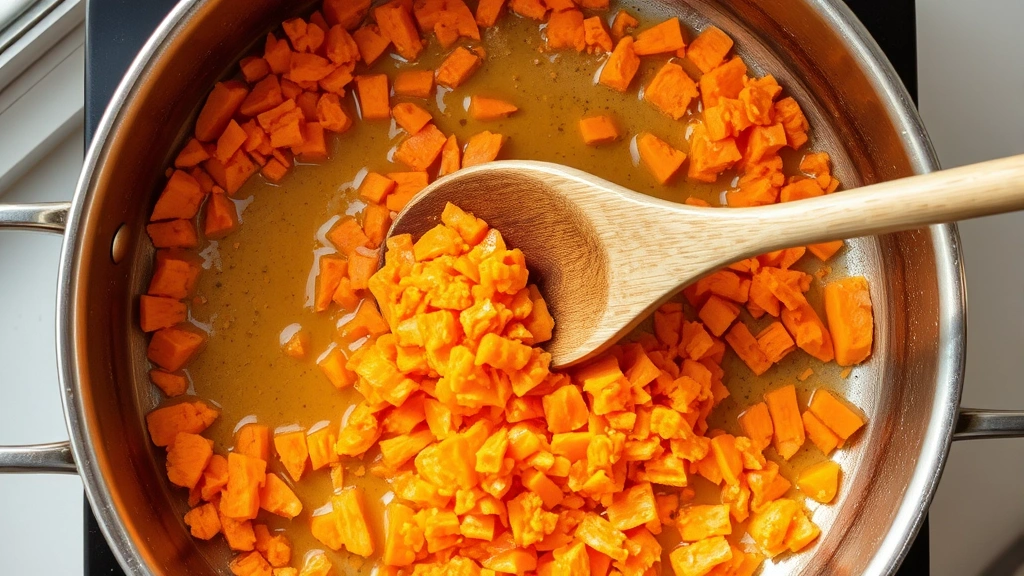
- Add the grated carrots to the hot ghee and stir well to combine. The carrots will start to soften and release their natural juices.
- Continue cooking and stirring constantly for 8-10 minutes until the carrots are fully cooked and the raw smell disappears. The mixture should become more uniform in texture.
- Pour in the milk and heavy cream, stirring continuously to incorporate. The halwa will become more liquid at this point, which is normal.
- Keep the heat at medium and continue stirring frequently to prevent sticking and ensure even cooking. This process will take approximately 20-25 minutes.
- As the halwa cooks, the liquid will gradually reduce and the mixture will start to thicken. You’ll notice the color deepening from bright orange to a deeper reddish-brown tone.
- Once most of the liquid has evaporated and the halwa has a pudding-like consistency, add the sugar gradually while stirring constantly. Taste as you go to achieve your desired sweetness level.
- Add the crushed cardamom pods, ground cinnamon, and a pinch of nutmeg. Stir well to distribute the spices evenly throughout the halwa.
- Add the remaining 1/2 cup of ghee in small portions, stirring continuously. This will give the halwa its characteristic rich, glossy appearance and amazing flavor.
- Add the roasted cashew pieces and raisins, folding them gently into the halwa. Reserve some cashews and pistachios for garnish.
- If using rose water, drizzle it over the halwa and mix well to incorporate the delicate floral notes.
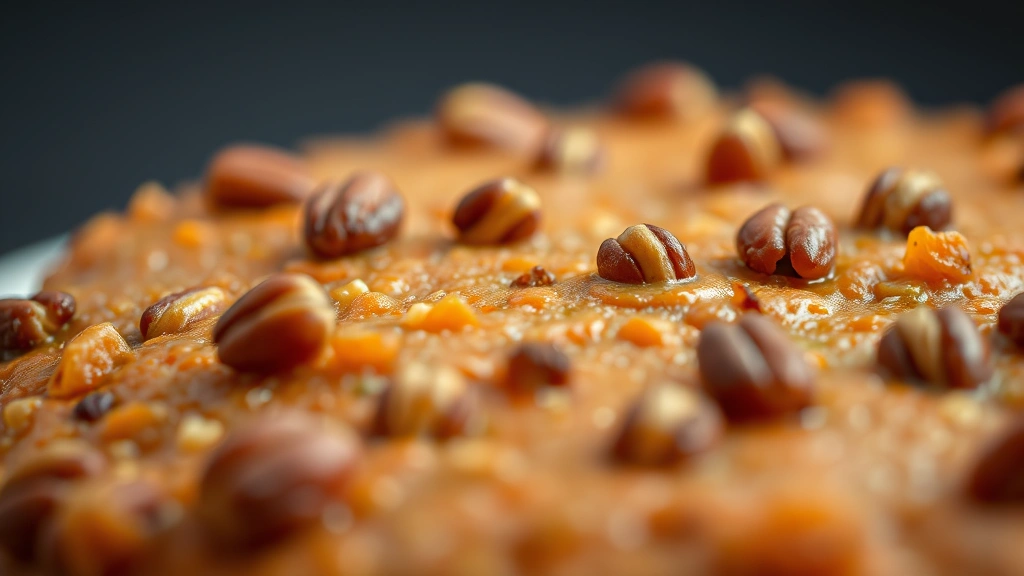
- Continue cooking and stirring for another 3-5 minutes until the halwa pulls away slightly from the sides of the pan. The mixture should have a jam-like consistency.
- Remove from heat and transfer the warm halwa to a serving dish or individual bowls.
- Garnish generously with chopped pistachios, remaining cashews, and a light sprinkle of cinnamon.
- Serve warm or at room temperature. Halwa can be enjoyed on its own or with a scoop of vanilla ice cream or a dollop of whipped cream for extra indulgence.
Pro Tips
- **Carrot Selection**: Use fresh, bright red or orange carrots for the best flavor and color. Avoid using pre-packaged grated carrots as they tend to be drier and won’t yield the same creamy texture.
- **Ghee Quality**: The quality of ghee directly impacts the final taste. If possible, use homemade or high-quality store-bought ghee. It should smell fragrant and buttery, not rancid or off.
- **Constant Stirring**: This is crucial for preventing lumps and ensuring even cooking. The constant stirring also helps the carrots caramelize properly, developing deeper flavors and a beautiful color.
- **Milk Alternatives**: If you prefer, you can substitute regular milk with condensed milk for extra sweetness and creaminess. Adjust sugar accordingly to avoid over-sweetening.
- **Cooking Time Variations**: The total cooking time may vary depending on the water content of your carrots and the size of your pan. Higher altitude areas may require slightly longer cooking times.
- **Texture Preference**: For a smoother halwa, cook longer and stir more vigorously. For a more rustic texture with visible carrot pieces, reduce cooking time slightly and stir less frequently.
- **Storage**: Carrot halwa keeps well in an airtight container in the refrigerator for up to 5 days. You can also freeze it for up to 2 months. Reheat gently on the stovetop with a splash of milk or in the microwave.
- **Spice Adjustments**: Feel free to adjust the cardamom, cinnamon, and nutmeg to your taste preference. Some people prefer a more heavily spiced version, while others like it subtle.
- **Nut Variations**: Almonds, pine nuts, or walnuts can be substituted for cashews and pistachios. You can also make a nut-free version for those with allergies.
- **Sugar Substitutes**: While traditional halwa uses white sugar, you can experiment with jaggery, brown sugar, or honey for different flavor profiles. Each will give a slightly different taste and color.
- **Rose Water**: This ingredient is optional but adds a beautiful floral note. Use sparingly as it can easily overpower the other flavors. Start with 1/4 teaspoon and add more if desired.
- **Special Occasions**: This halwa is perfect for Diwali, weddings, and other Indian festivals. It’s also a wonderful gift when packaged in decorative containers.