
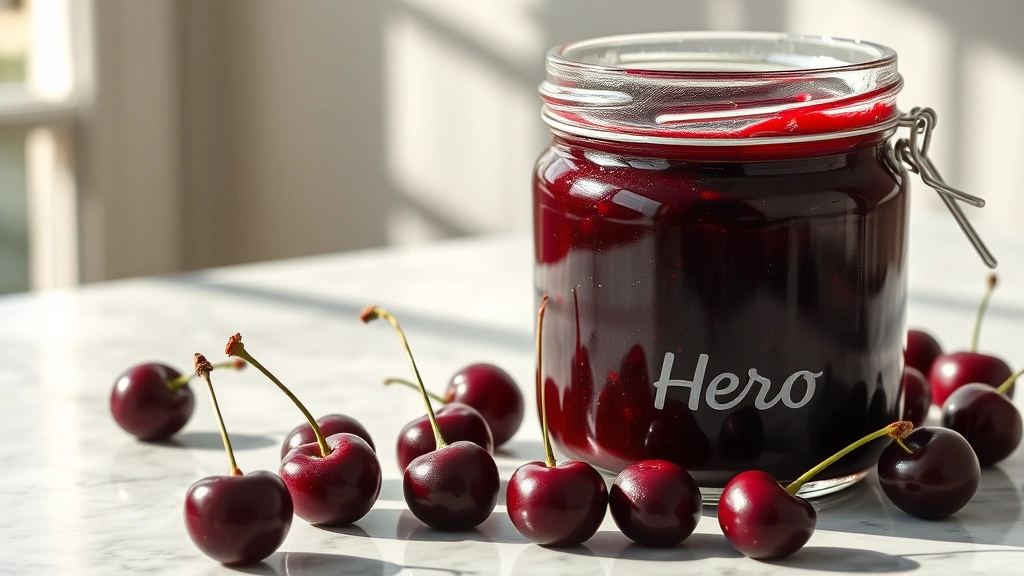
There’s something absolutely magical about homemade cherry confiture that simply cannot be replicated by store-bought versions. This beautiful, jewel-toned preserve captures the essence of fresh summer cherries in a jar, and I’m thrilled to share my best-kept secret for making the most luscious, perfectly-set confiture that will have everyone asking for your recipe.
Confiture is essentially a French-style jam that’s silkier and more refined than traditional American jam. The key to achieving that restaurant-quality result lies in understanding the balance between fruit, sugar, and cooking time. What makes this cherry confiture truly special is the addition of a touch of almond extract and a hint of vanilla, which elevates the cherry flavor in ways you won’t expect. When you master the basics of jam-making, you’ll find that confiture is simply the more elegant cousin that deserves a place on your finest china.
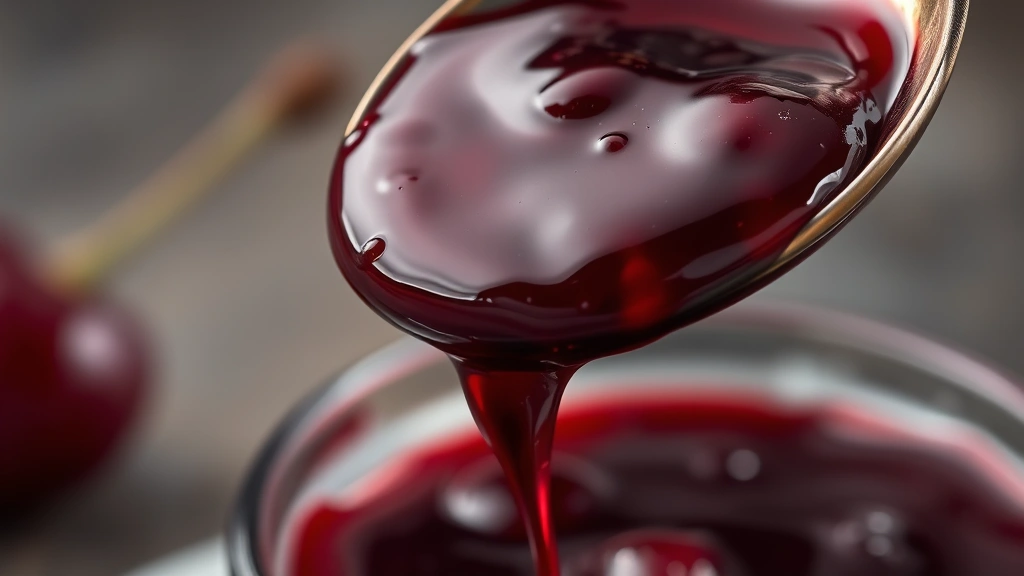
I’ve been making this recipe for over a decade, perfecting it through countless batches and learning from both successes and the occasional crystallized disaster. The most important lesson I’ve learned is that patience truly pays off. Rushing the cooking process or using under-ripe cherries will result in a jam that’s either too runny or tastes flat. The cherries need to be perfectly ripe—deep red with just a hint of give when you press them—and the cooking process must be monitored carefully to achieve that glossy, spoonable consistency that makes your morning toast absolutely sing.
Fresh cherry season is relatively short, making it crucial to prepare this confiture when cherries are at their peak. If you’re fortunate enough to have access to a local farmers market or cherry orchard, I highly recommend investing in a few pounds of the freshest cherries available. The difference between these and supermarket cherries is truly night and day. Your finished confiture will taste like pure summer in every single spoonful.
This recipe yields about four 8-ounce jars of confiture, which is perfect for gifting to friends and family or keeping on hand for special breakfast occasions. The confiture keeps beautifully for up to one year when properly canned, though honestly, it rarely lasts that long in my house. I love serving it alongside soft cheeses, swirled into yogurt, or simply spooned over vanilla ice cream for an elegant dessert. Understanding proper canning techniques ensures your confiture stays fresh and safe to enjoy throughout the year.
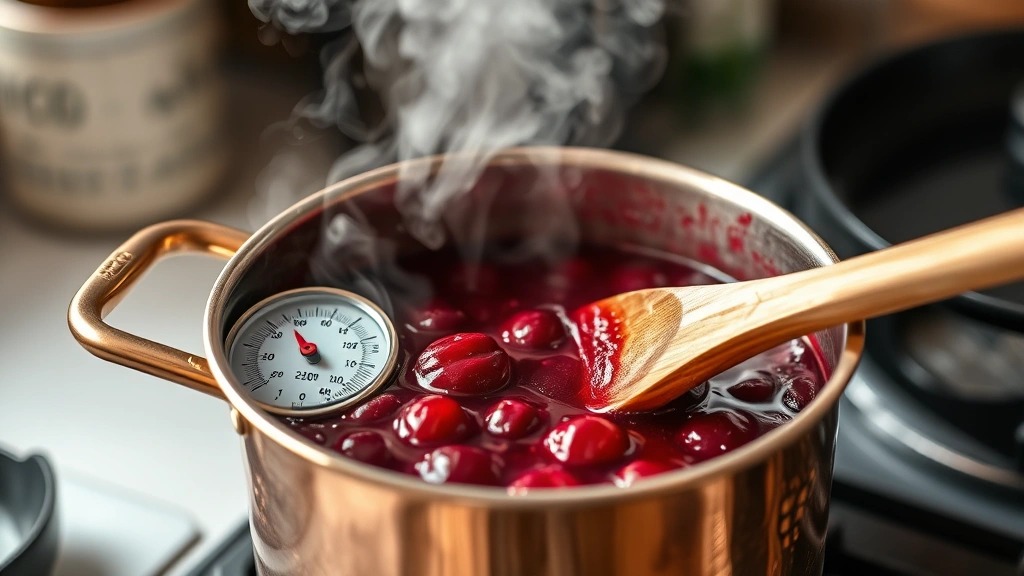
For the most authentic results, I recommend investing in a proper jam thermometer and a large, heavy-bottomed stainless steel pot. These tools make all the difference in achieving consistent results. The thermometer takes the guesswork out of determining when your confiture has reached the perfect set, which occurs at 220°F (104°C). A quality thermometer is worth every penny and will serve you well for years of preserve-making adventures.
One final tip before we dive into the recipe: don’t skip the maceration step. Allowing the cherries to sit with the sugar overnight seems like it might be optional, but it’s actually essential. This process draws out the cherry juices, allowing the fruit to cook more evenly and creating a more vibrant, flavorful final product. Trust me on this one—those few extra hours make all the difference between good jam and absolutely extraordinary confiture.
For detailed guidance on the canning process itself, Serious Eats offers excellent step-by-step canning instructions. Additionally, Bon Appétit has wonderful variations on fruit preserves, and The New York Times offers their own take on cherry jam-making.
Ingredients
- 3 pounds fresh Bing or sweet cherries, pitted and halved
- 2¾ cups granulated sugar
- 3 tablespoons fresh lemon juice
- ¼ teaspoon almond extract
- ½ teaspoon pure vanilla extract
- Pinch of sea salt
- 2 tablespoons butter
- ½ teaspoon pectin (optional, for a firmer set)
Instructions
- Pit and halve your fresh cherries, collecting any juices that escape during the process. Place the halved cherries and their juices into a large, non-reactive bowl (stainless steel or glass work beautifully). Add the granulated sugar, stirring well to combine.
- Cover the cherry-sugar mixture with plastic wrap or a clean kitchen towel and allow it to macerate at room temperature for 12-24 hours. This crucial step allows the fruit to release its natural juices and begin breaking down, which will result in a more flavorful, silkier confiture.
- After maceration, transfer the cherry mixture (including all accumulated juices) to a large, heavy-bottomed stainless steel pot, preferably one with a 6-8 quart capacity. This size allows proper evaporation and reduces the risk of boiling over.
- Add the fresh lemon juice and a pinch of sea salt to the pot, stirring well to combine. Place your jam thermometer on the side of the pot where you can easily read it throughout cooking.
- Bring the mixture to a boil over medium-high heat, stirring occasionally with a wooden spoon to ensure even heating and to prevent sticking on the bottom of the pot. Once at a rolling boil, reduce the heat to medium and maintain a steady, gentle boil.
- Continue cooking, stirring every 5-10 minutes, until the mixture reaches 220°F (104°C) on your thermometer. This typically takes 40-50 minutes. You’ll notice the mixture becoming darker, glossier, and more viscous as it cooks.
- About 5 minutes before you expect the confiture to reach the proper temperature, add the butter, almond extract, vanilla extract, and pectin (if using). Stir well to incorporate these final ingredients, which will enhance the flavor and help achieve the perfect consistency.
- When the confiture reaches 220°F (104°C), remove the pot from heat immediately. Skim any foam from the surface using a clean spoon or skimmer, as this foam can cloud the final product.
- Ladle the hot confiture into sterilized 8-ounce jars, leaving ¼ inch of headspace at the top of each jar. Wipe the rims of the jars with a clean, damp cloth to remove any drips.
- Place the sterilized lids on the jars and screw the bands on until they’re snug but not overly tight. Process the jars in a boiling water bath for 10 minutes (adjusting for altitude if necessary, adding 1 minute for every 1,000 feet above sea level).
- Remove the jars from the boiling water bath using a jar lifter and place them on a clean kitchen towel in a draft-free location. Allow them to cool completely at room temperature for 12-24 hours before checking the seals.
- Once completely cooled, check each jar to ensure the lid has sealed properly by pressing down on the center of the lid—it should not flex or pop back up. Any jars that haven’t sealed should be refrigerated and used within 3 weeks.
Pro Tips
- **Choosing Your Cherries**: Bing cherries are my preferred choice for confiture because of their deep color, rich flavor, and perfect sugar content. However, Rainier cherries (though lighter in color) and sour cherries also make excellent confitures with slightly different flavor profiles. Avoid over-ripe cherries that are soft or have begun to ferment, as these will result in a jam with poor flavor and texture. Conversely, under-ripe cherries lack sufficient pectin and won’t set properly.
- **The Maceration Step**: While this overnight maceration may seem like an extra step, it’s absolutely worth the wait. This process hydrates the fruit and allows it to break down gradually, resulting in a more velvety texture and deeper cherry flavor in your final confiture. If you’re short on time, you can macerate for at least 4-6 hours, though overnight is truly ideal.
- **Temperature Matters**: Investing in a reliable jam thermometer is essential for consistent results. The difference between 218°F and 220°F might seem negligible, but it’s the difference between confiture that’s slightly too soft and confiture with the perfect spoonable consistency. Clip your thermometer to the side of the pot at the beginning of cooking so you can monitor progress easily.
- **Pectin Considerations**: This recipe naturally contains sufficient pectin from the fruit and lemon juice to achieve a proper set without added pectin. However, if you prefer a slightly firmer confiture or if you’re using very ripe cherries (which contain less natural pectin), adding ½ teaspoon of powdered pectin in the final minutes of cooking will help achieve your desired consistency.
- **Flavor Enhancements**: The almond and vanilla extracts are subtle but transformative additions that complement cherry beautifully. If you’re not a fan of almond extract, you can substitute ¼ teaspoon of rose water or 1 tablespoon of kirsch (cherry liqueur) for a different flavor dimension. Some people also enjoy adding a single star anise or a 2-inch piece of cinnamon stick during cooking, removing it before jarring.
- **Storage and Shelf Life**: Properly canned confiture will keep unopened for up to one year in a cool, dark pantry. Once opened, store in the refrigerator and use within 3-4 weeks. You can also freeze confiture in ice cube trays for convenient portions that thaw quickly.
- **Troubleshooting**: If your confiture doesn’t set properly and remains too runny, you can re-cook it. Return the opened jars to a pot, add 1 teaspoon of powdered pectin mixed with 1 tablespoon of sugar per jar, bring to a boil, and re-process. If your confiture crystallizes over time, this usually indicates too much sugar or insufficient cooking—next time, reduce sugar slightly and ensure you reach 220°F.
- **Serving Suggestions**: Serve confiture on warm buttered toast, alongside soft cheeses like brie or ricotta, swirled into Greek yogurt for breakfast, or spooned over vanilla ice cream for dessert. It’s also wonderful with duck, pork, or venison as a sophisticated condiment.
- **Gifting**: This confiture makes an absolutely beautiful gift in attractive jars tied with ribbon. Include a handwritten label with the contents and date made for a personal touch that recipients will truly appreciate.