
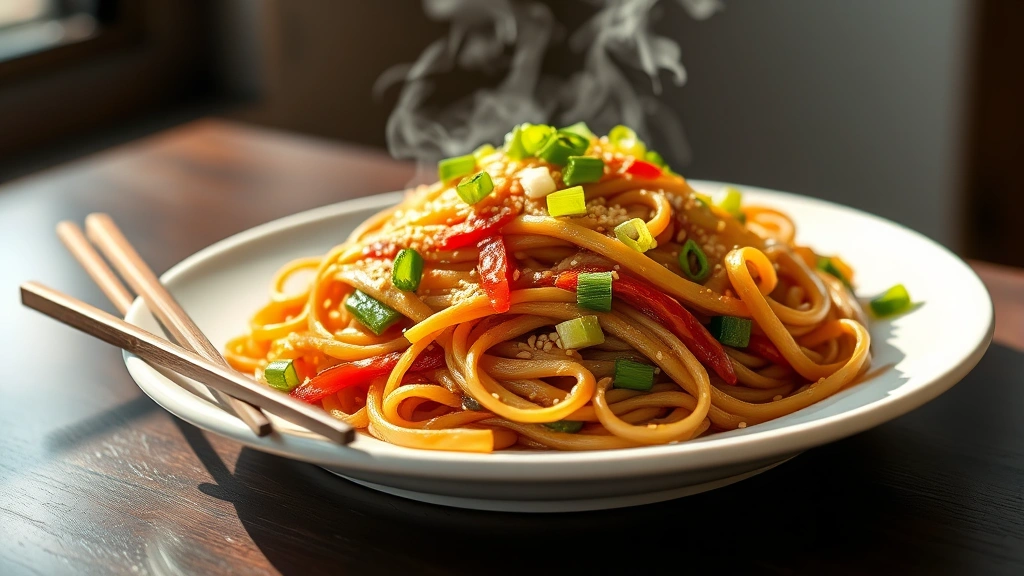
There’s something absolutely magical about Panda Express Chow Mein – that perfect balance of crispy noodles, tender vegetables, and savory sauce that keeps us coming back for more. Today, I’m thrilled to share my copycat recipe that captures all that delicious flavor right in your own kitchen!
I’ve been recreating restaurant favorites for years, and this one has become a total crowd-pleaser. The secret to achieving that signature Panda Express taste lies in a few key techniques: getting your wok or large skillet screaming hot, using the right balance of soy sauce and oyster sauce, and most importantly, not overcrowding your pan so everything gets that gorgeous caramelization.
What I absolutely love about making this at home is the customization factor. You can load it up with your favorite vegetables, adjust the heat level to your preference, and control exactly how much sauce coats those beautiful noodles. Plus, it’s ready in about 20 minutes from start to finish – faster than driving to the restaurant!
The beauty of this recipe is its versatility. Whether you’re meal prepping for the week, looking for a quick weeknight dinner, or wanting to impress guests with your wok skills, this Panda Express Chow Mein delivers every single time. I’ve also included tips for making it vegetarian, adding protein options, and even how to store and reheat leftovers so you can enjoy restaurant-quality chow mein whenever the craving strikes.
Let’s dive into creating this delicious homemade version that tastes just like your favorite takeout – but so much better because you made it yourself!
Ingredients
- 1 pound chow mein noodles (or crispy fried chow mein noodles)
- 3 tablespoons vegetable oil, divided
- 3 cloves garlic, minced
- 1 tablespoon fresh ginger, minced
- 2 cups shredded cabbage
- 1 cup shredded carrots
- 1 bell pepper (any color), julienned
- 1 cup snap peas
- 4 green onions, cut into 1-inch pieces
- ¼ cup soy sauce
- 2 tablespoons oyster sauce
- 1 tablespoon sesame oil
- 2 teaspoons sugar
- 1 teaspoon cornstarch mixed with 2 tablespoons water
- ½ teaspoon white pepper
- ¼ teaspoon red pepper flakes (optional)
- 2 tablespoons chicken or vegetable broth
- Sesame seeds for garnish
- Extra green onions for serving
Instructions
- Cook your chow mein noodles according to package directions. If using fresh chow mein noodles, boil them for 2-3 minutes until just tender. If using pre-cooked crispy noodles, skip this step. Drain well and set aside – try to separate any clumps while they cool slightly.
- While the noodles cook, prepare your sauce by whisking together soy sauce, oyster sauce, sesame oil, sugar, white pepper, and chicken broth in a small bowl. Set this flavor-packed mixture aside.
- Have all your vegetables prepped and within arm’s reach – this is crucial because once you start cooking, things move quickly! Arrange cabbage, carrots, bell pepper, snap peas, garlic, and ginger on a cutting board or in small bowls.
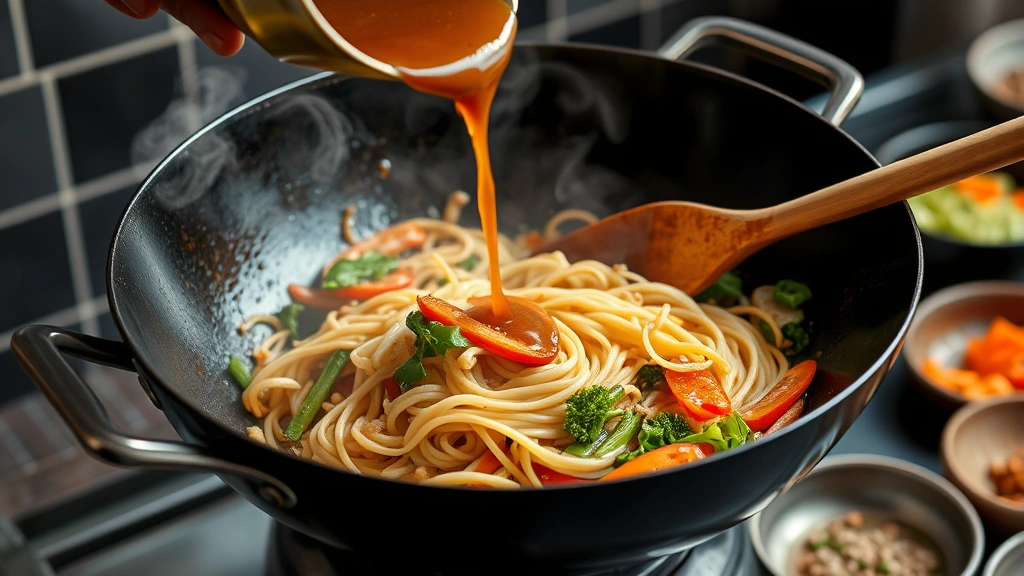
- Heat a large wok or skillet over high heat until it’s smoking hot. This is the key to achieving that authentic Panda Express texture and flavor. Add 1 tablespoon of vegetable oil and swirl to coat the entire surface.
- Add the minced garlic and ginger to the hot oil and stir constantly for about 30 seconds until fragrant. Don’t let them burn – you’re looking for that amazing aromatic quality to infuse the oil.
- Add the shredded cabbage and carrots to the wok and stir-fry for 2-3 minutes, tossing frequently so everything cooks evenly and gets slightly caramelized. You want some color and texture here.
- Add the julienned bell pepper and snap peas to the wok, continuing to stir-fry for another 2 minutes. These vegetables should maintain a bit of their crunch – you’re not looking for mushy vegetables here.
- Push all the vegetables to the sides of the wok, creating a space in the center. Add the remaining 2 tablespoons of oil to the center and let it heat for just a few seconds.
- Add your cooked chow mein noodles to the center of the wok, breaking them apart gently with your spatula or tongs. Let them sit for 1-2 minutes to get some color and texture, then start tossing everything together.
- Pour your prepared sauce over the noodles and vegetables, using your tongs or spatula to toss everything together constantly for about 2 minutes. The sauce should coat every strand of noodle beautifully.
- Add the cornstarch slurry (cornstarch mixed with water) to the wok while continuing to toss. This will thicken the sauce slightly and give it that glossy, restaurant-quality appearance. Cook for another 30 seconds.
- Add the green onions and toss everything together one final time, about 30 seconds, just until the green onions are slightly softened and fragrant. This step adds that fresh, bright flavor that makes this dish so crave-worthy.
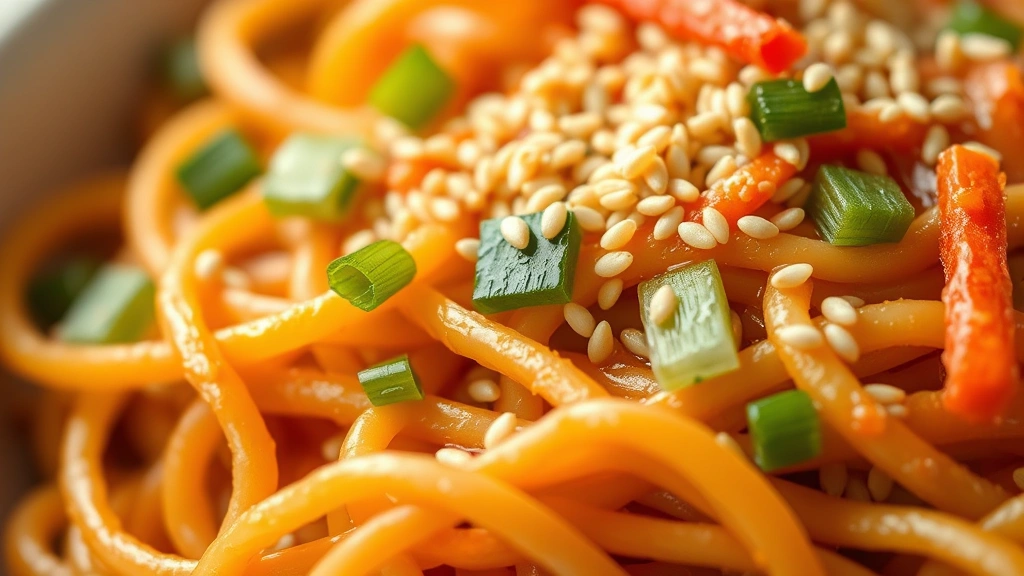
- Transfer your finished Panda Express Chow Mein to a serving platter or individual bowls. Garnish generously with sesame seeds and additional sliced green onions.
- Serve immediately while hot and enjoy your homemade restaurant-quality chow mein! This dish is best served right away, but see the notes section for reheating instructions if you have leftovers.
Pro Tips
- **Noodle Selection Matters**: Traditional chow mein uses either fresh alkaline noodles or crispy fried chow mein noodles. If you can’t find chow mein noodles, thin egg noodles or ramen noodles (cooked and drained) work in a pinch. For extra crispiness like Panda Express, try using crispy fried chow mein noodles – they create that signature texture.
- **The Wok is Essential**: While you can use a large skillet, a wok is really the best tool for this recipe. The sloped sides allow you to keep ingredients moving constantly and ensure even cooking. If you don’t have a wok, use the largest skillet you have and work in batches if necessary.
- **Don’t Overcrowd the Pan**: This is the biggest mistake people make. If you overcrowd your wok, the ingredients steam instead of stir-fry, and you won’t get that beautiful caramelization. If you’re doubling the recipe, cook it in two batches.
- **Vegetable Customization**: Feel free to swap in your favorite vegetables. Broccoli, mushrooms, water chestnuts, baby corn, or bamboo shoots all work beautifully. Stick to vegetables that cook quickly in high heat – tender vegetables are better than hard ones that won’t cook through.
- **Protein Additions**: To make this heartier, add cooked chicken, shrimp, beef, or tofu. Stir it in after the vegetables and before adding the sauce. About ½ to ¾ pound of protein works well for this recipe. For vegetarian options, try adding extra-firm tofu or chickpeas.
- **Sauce Adjustments**: Taste your sauce before serving and adjust to your preference. Like it saucier? Add more broth. Prefer it spicier? Increase the red pepper flakes or add a teaspoon of sriracha. Too salty? Add a bit more sugar and broth to balance it out.
- **Make-Ahead Tips**: You can prep all your vegetables several hours ahead of time. Store them in separate containers in the refrigerator. The sauce can also be mixed together several hours in advance. Just cook the noodles and do your stir-frying when you’re ready to eat.
- **Storage and Reheating**: Leftover chow mein keeps in an airtight container in the refrigerator for up to 3 days. To reheat, place in a wok or large skillet over medium-high heat, add a splash of broth or water to prevent sticking, and toss frequently until heated through, about 3-4 minutes. You can also microwave in a covered microwave-safe bowl for 1-2 minutes, stirring halfway through.
- **Sesame Oil Quality**: Don’t skip the sesame oil – it’s what gives this dish that authentic Panda Express flavor. Use toasted sesame oil (not light sesame oil) for maximum flavor impact. It’s often located in the Asian foods aisle.
- **Temperature Control**: Keep your heat on high throughout the cooking process. This creates those slightly crispy, caramelized edges on the noodles and vegetables that make this dish so addictive. If your ingredients are sticking, it means your heat might not be high enough.
- **Serving Suggestions**: Serve with extra soy sauce on the side for those who want additional saltiness. A squeeze of fresh lime juice adds a nice brightness. Pair with fried rice or spring rolls for a complete restaurant-style meal at home.