
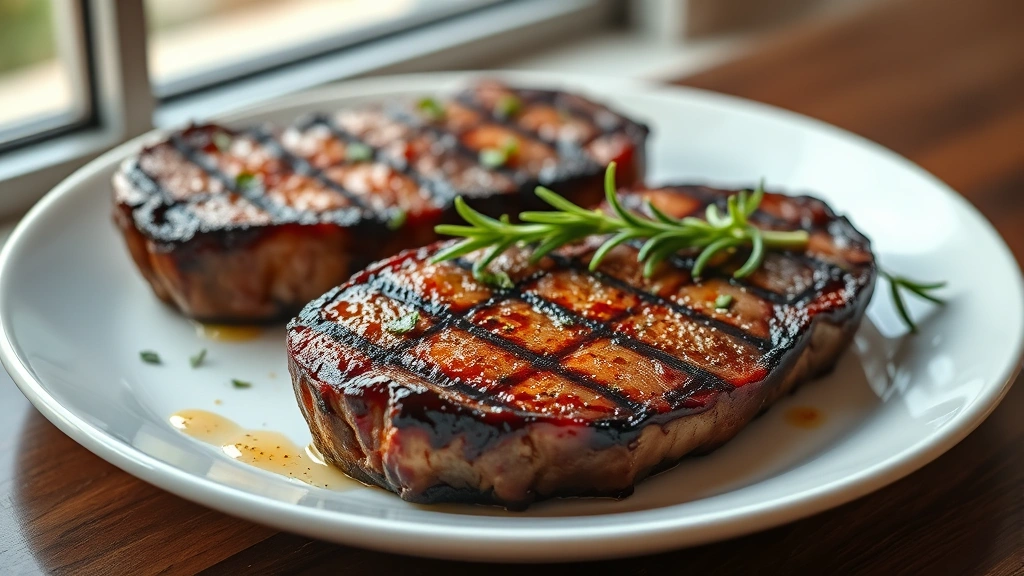
While Minecraft’s blast furnace is a game mechanic rather than a culinary creation, we can draw inspiration from the industrial smelting process to create an impressive cast iron skillet seared steak with a charred, caramelized crust that rivals any high-heat cooking method. This guide explores the real-world chemistry behind achieving that perfect “blast furnace” sear on your protein.
The blast furnace in Minecraft represents the ultimate in efficient smelting—it processes ores twice as fast as a regular furnace. In the kitchen, we can channel this same philosophy of speed and efficiency by using extremely high heat, proper preparation, and premium ingredients. Just as the game’s blast furnace requires specific materials (iron ingots, a furnace, and smooth stone), creating the perfect seared steak requires quality beef, proper seasoning, and the right equipment.
This recipe draws from professional steakhouse techniques and the principles of the Maillard reaction, which is the chemical process that creates that beautiful golden-brown crust. When proteins and sugars in meat are exposed to high heat above 300°F, they undergo a transformation that creates hundreds of new flavor compounds. It’s chemistry at its finest—much like the magical transformation that occurs inside Minecraft’s blast furnace.
Whether you’re a casual home cook or someone who appreciates the precision and efficiency that both Minecraft and professional cooking demand, this guide will help you achieve restaurant-quality results. We’ll cover everything from selecting the right cut of beef to mastering the searing technique that will make your dinner guests wonder if you’ve installed a blast furnace in your kitchen.
The key to success lies in understanding that like Minecraft’s blast furnace, which operates at peak efficiency with the right fuel and materials, your kitchen setup and technique must be optimized. This means investing in a quality cast iron or stainless steel skillet, ensuring your meat is properly dried, and committing to high heat without fear. Let’s dive into creating that perfect crust.
Ingredients
- 2 premium beef steaks (ribeye or New York strip, 1.5-2 inches thick)
- 3 tablespoons kosher salt, divided
- 2 tablespoons freshly ground black pepper, divided
- 4 tablespoons unsalted butter, divided
- 6 cloves garlic, smashed
- 4-5 fresh rosemary sprigs
- 3-4 fresh thyme sprigs
- 2 tablespoons high smoke-point oil (avocado or refined vegetable)
- Sea salt for finishing
- Fleur de sel (optional, for garnish)
Instructions
- Remove steaks from refrigerator 40-45 minutes before cooking to allow them to reach room temperature. This ensures even cooking throughout the meat and is crucial for achieving that perfect crust without overcooking the interior.
- Pat steaks completely dry using paper towels, pressing firmly on both sides and edges. Moisture is the enemy of a good sear, as it creates steam which prevents the Maillard reaction from occurring. Don’t skip this step.
- Season both sides of each steak generously with kosher salt and freshly ground black pepper, using approximately 1.5 tablespoons of salt and 1 tablespoon of pepper per steak. Allow the seasoned steaks to rest for 10-15 minutes, which helps the salt penetrate the meat.
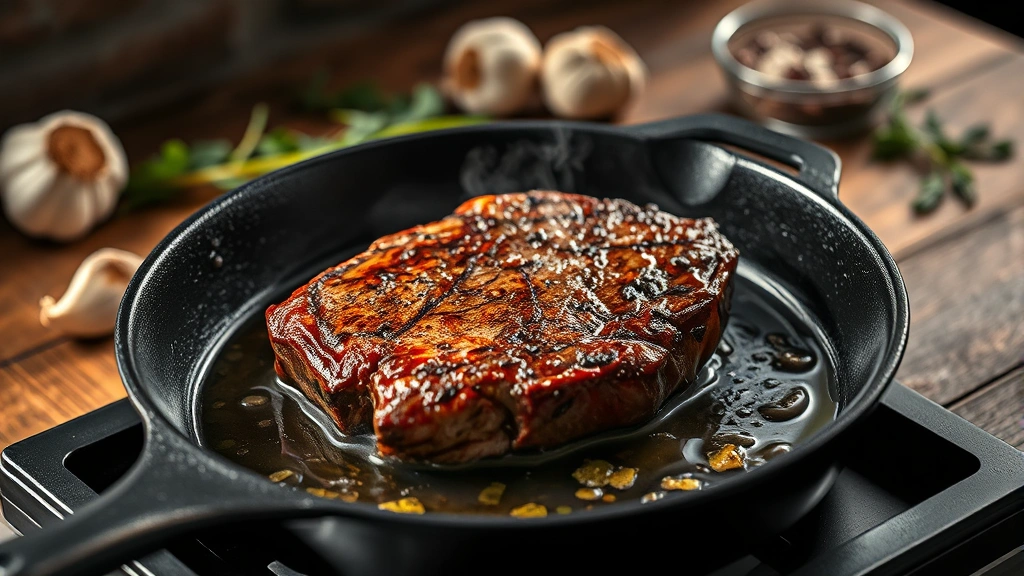
- Place your cast iron or heavy-bottomed stainless steel skillet over high heat and allow it to preheat for 5 minutes until it’s smoking hot. This intense heat is your blast furnace—the higher the temperature, the better the crust formation.
- Once the skillet is properly heated and smoking, carefully add the high smoke-point oil, immediately followed by the steaks. You should hear a loud sizzle—this is the sound of the Maillard reaction beginning. Do not move the steaks for 3-4 minutes.
- After 3-4 minutes without movement, flip the steaks only once and sear the other side for another 3-4 minutes. Resist the urge to move them around, as constant movement prevents proper crust development.
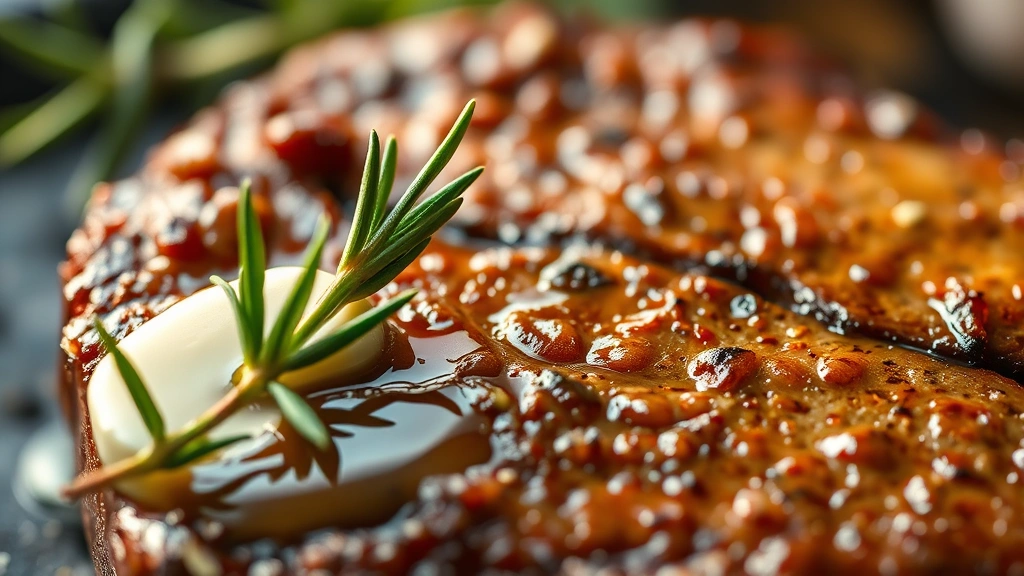
- In the final minute of searing, add 2 tablespoons of butter, smashed garlic cloves, and half of the fresh rosemary and thyme to the pan, tilting the skillet to baste the steaks with the foaming herb butter.
- Remove steaks from the skillet and transfer to a cutting board or warm plate. Add the remaining 2 tablespoons of butter to the pan with the remaining herbs, creating a finishing butter sauce.
- Let steaks rest for 5-7 minutes before serving. This resting period allows the juices to redistribute throughout the meat, resulting in a more tender and juicy bite. While they rest, spoon the herb butter over the steaks.
- Finish with a sprinkle of sea salt and fleur de sel if desired, and serve immediately with the pan juices spooned over the top. Optionally, serve alongside roasted vegetables, a baked potato, or a fresh salad for a complete meal.
Pro Tips
- The Maillard reaction is the key to achieving that perfect blast furnace crust. This chemical reaction between amino acids and reducing sugars occurs at temperatures above 300°F and creates hundreds of complex flavor compounds that are impossible to achieve at lower temperatures.
- Never skip the drying step. Even a small amount of surface moisture will create steam, which will lower the temperature of your skillet and prevent proper browning. Pat your steaks dry multiple times if necessary.
- Room temperature meat cooks more evenly than cold meat straight from the refrigerator. The exterior won’t need to spend as much time over heat to cook the interior, which means you have more control over the final doneness level.
- Kosher salt has larger crystals than table salt and dissolves more slowly, allowing for better penetration into the meat during the resting period. Regular table salt works in a pinch but adjust quantities as it’s denser and saltier by volume.
- The resting period is absolutely crucial. During cooking, heat pushes moisture toward the surface and center of the meat. Resting allows these juices to redistribute evenly, resulting in a more tender steak that retains its juices when cut.
- For medium-rare (the recommended doneness for premium steaks), aim for an internal temperature of 130-135°F. Use an instant-read thermometer inserted horizontally into the thickest part of the steak, away from bone if present.
- Cast iron skillets retain heat better than stainless steel, making them ideal for this technique, but stainless steel also works well. Avoid non-stick pans, as they cannot withstand the high heat necessary for proper searing.
- Quality matters significantly. Premium beef with good marbling (fat distribution) will taste noticeably better than lower-quality cuts. Look for USDA Prime or high Choice grades from a trusted butcher.
- Don’t flip your steaks multiple times. This disrupts the crust formation and causes the meat to release moisture. One flip is ideal for even cooking on both sides.
- If your steaks are thicker than 2 inches, you may want to finish them in a preheated 400°F oven for 5-10 minutes after the initial sear to ensure the interior reaches your desired temperature without overcooking the crust.
- Herb butter adds incredible flavor but is optional. If you prefer a simpler preparation, you can skip it, though it genuinely enhances the final dish and is worth the minimal effort.
- Always let your steaks rest on a cutting board or plate, not back in the hot skillet. The residual heat will continue cooking the exterior slightly, which is desirable, but you don’t want added heat from the pan.