
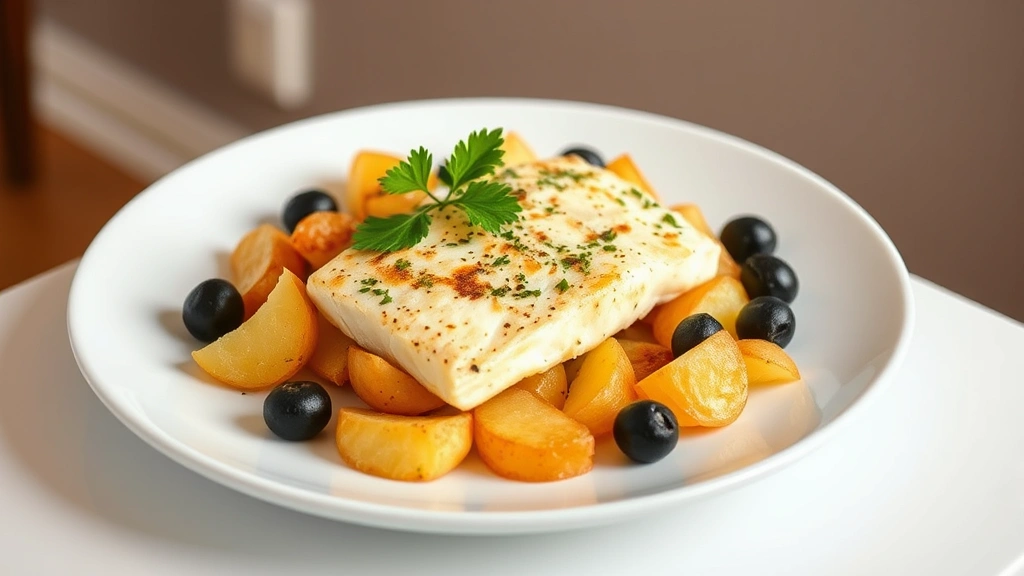
Bacalhau à Brás is one of Portugal’s most beloved comfort dishes—crispy, golden shoestring potatoes tossed with tender salt cod, olives, and a silky egg yolk sauce. This elegant yet rustic recipe has graced Portuguese tables for generations, and once you master the technique, you’ll understand why it’s considered the crown jewel of Portuguese cuisine.
The magic of this dish lies in its contrasts: the delicate flaked cod against crispy potato matchsticks, the richness of egg yolk binding everything together, and bright notes from Kalamata olives and fresh parsley. While it may look complicated, bacalhau à brás is surprisingly approachable for home cooks. The key is starting with quality salt cod and taking time to properly rehydrate and desalt it—this single step determines whether your final dish will be sublime or disappointing.
What makes bacalhau à brás special is its textural complexity. Unlike creamy potato gratins or heavy casseroles, this dish celebrates lightness and refinement. The shoestring potatoes (brás refers to the thin cut) are fried until they’re impossibly crispy, creating a contrast with the moist, flaky cod. Then everything comes together with a silky egg yolk emulsion that coats each component without weighing it down.
This recipe serves 4 as a main course or 6 as part of a traditional Portuguese meal with simple Portuguese salad and crusty bread. It’s perfect for dinner parties because you can prepare the components ahead of time and assemble everything in just minutes. I’ve included detailed instructions for working with salt cod, plus troubleshooting tips to ensure your bacalhau à brás turns out perfect every time.
For an authentic experience, serve this alongside Portuguese green beans or a simple tomato rice pilaf. A crisp white wine like Vinho Verde makes the perfect pairing, cutting through the richness while complementing the delicate flavors. This is one of those dishes that transforms simple ingredients into something truly extraordinary—the kind of meal that reminds you why Portuguese cooking has endured and evolved for centuries.
For more detailed information about salt cod preparation, check out Serious Eats’ salt cod guide. If you’re interested in other Portuguese cod recipes, Bon Appétit has excellent variations. For techniques on perfect egg yolk emulsions, The New York Times has detailed guidance. You might also enjoy exploring Portuguese custard tarts for dessert, and learn more about Portuguese cuisine fundamentals.
Ingredients
- 1 lb (450g) salt cod (bacalhau), skin and bones removed
- 2 lbs (900g) russet potatoes
- Vegetable oil for deep frying (about 2 quarts)
- 6 large egg yolks
- 1/2 cup (120ml) extra virgin olive oil
- 3 cloves garlic, minced
- 1/2 cup (60g) Kalamata olives, pitted and halved
- 1/4 cup fresh flat-leaf parsley, finely chopped
- 2 tablespoons fresh lemon juice
- Salt and freshly ground black pepper to taste
- 1/4 teaspoon smoked paprika (optional but traditional)
- Pinch of cayenne pepper (optional)
Instructions
- Prepare the salt cod by placing it in a large bowl or container and covering completely with cold water. Refrigerate for 24 hours, changing the water 3-4 times throughout the day. This process removes excess salt while keeping the cod moist and tender. After the final soak, taste a small piece—it should be pleasantly salty but not overwhelming.
- Drain the desalted cod and place it in a large pot of cold water. Bring to a gentle simmer over medium heat and cook for 15-20 minutes, until the cod is just cooked through and flakes easily with a fork. Do not boil vigorously, as this will make the cod tough and stringy.
- Remove the cooked cod to a plate and let it cool slightly. Using your fingers or two forks, carefully flake the cod into bite-sized pieces, removing any remaining small bones. Set aside on paper towels to drain excess moisture.
- Peel the potatoes and cut them into thin matchsticks, about 1/8-inch thick and 2-3 inches long. Place the cut potatoes in a bowl of cold water as you work to prevent browning. This is crucial for achieving the traditional brás cut.
- Drain the potatoes thoroughly in a colander and pat them completely dry with paper towels. Moisture is the enemy of crispy potatoes, so take extra time here. Spread them on clean kitchen towels if needed.
- Heat the vegetable oil to 350°F (175°C) in a heavy-bottomed pot or deep fryer. Use a thermometer to maintain consistent temperature. Working in batches to avoid overcrowding, fry the potatoes for 3-4 minutes until they are golden brown and crispy, stirring occasionally.
- Using a slotted spoon, transfer the fried potatoes to a paper towel-lined plate to drain. Sprinkle lightly with salt while still warm. Keep the finished batches warm in a 200°F (95°C) oven while finishing the remaining potatoes.
- Make the egg yolk emulsion by whisking the egg yolks in a separate bowl. Slowly drizzle in the extra virgin olive oil while whisking constantly, just as you would when making mayonnaise. Add the lemon juice gradually to achieve a thick, creamy consistency. Season with salt and pepper to taste.
- In a large skillet, warm 1 tablespoon of the remaining olive oil over medium heat. Add the minced garlic and sauté for 30 seconds until fragrant, being careful not to burn it.
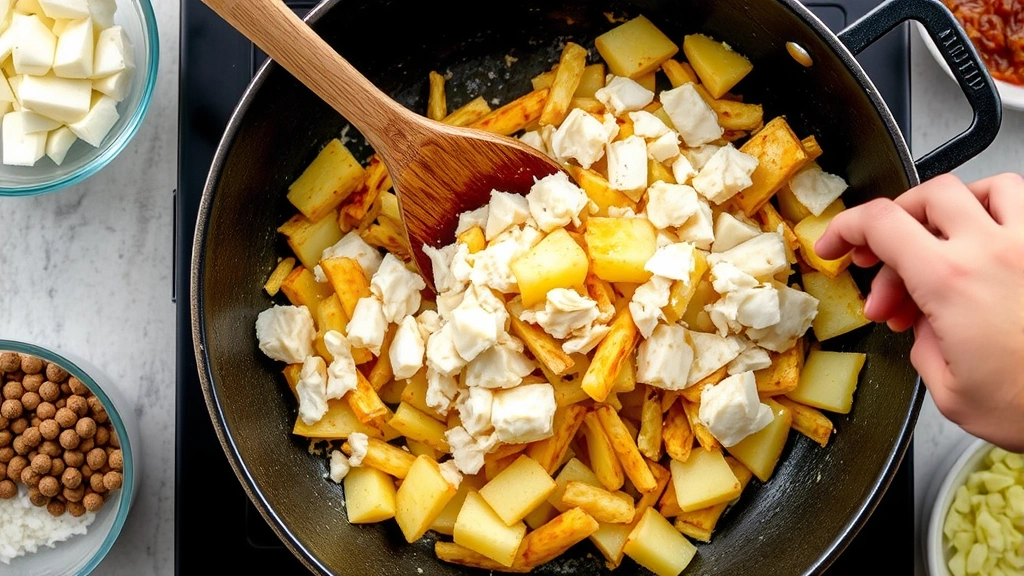
- Add the flaked cod to the skillet and stir gently to warm through, about 2-3 minutes. The cod should be heated but not cooked further.
- Remove the skillet from heat and add the crispy potatoes and halved olives. Pour the egg yolk emulsion over everything and toss gently but thoroughly, using a wooden spoon or spatula to coat all components evenly.
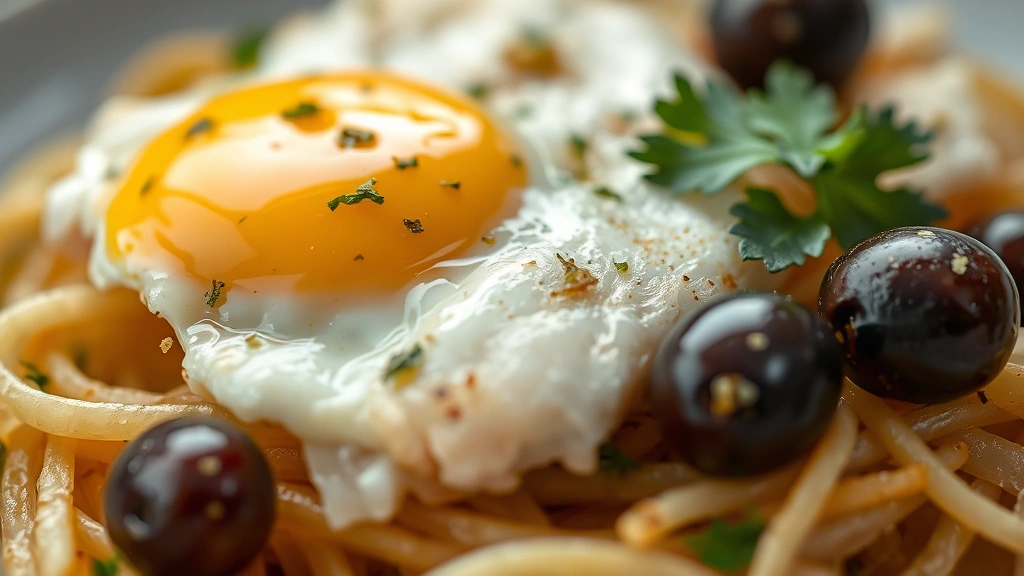
- Divide the bacalhau à brás among serving plates. Garnish generously with fresh parsley and a light dusting of smoked paprika if desired. Serve immediately while the potatoes are still crispy and the dish is warm.
Pro Tips
- Salt Cod Selection: Quality salt cod makes an enormous difference in the final dish. Look for cod that is light golden in color, not yellowish or overly dark. The pieces should be relatively uniform in thickness for even cooking. Buy from reputable sources that specialize in Portuguese or Mediterranean ingredients.
- Desalting Time: While 24 hours is traditional, some home cooks use 12-18 hours if time is limited. However, don’t rush this step—inadequate desalting results in an inedibly salty dish. Taste a small piece before cooking to verify proper desalting.
- Potato Cutting: A mandoline slicer makes creating uniform matchsticks much easier and safer than using a knife. If using a mandoline, use the guard to protect your fingers. Alternatively, a very sharp chef’s knife works fine—just take your time and cut carefully.
- Oil Temperature: Maintaining consistent frying temperature is critical. If the oil is too cool, potatoes absorb oil and become greasy rather than crispy. Too hot, and they brown before cooking through. An instant-read thermometer is essential.
- Frying in Batches: Never overcrowd the pot when frying potatoes. This drops the oil temperature and causes steaming rather than frying. Better to work in multiple small batches for superior results.
- Egg Yolk Emulsion: This is essentially a warm mayonnaise without mustard. If it breaks or separates, whisk a fresh egg yolk in a clean bowl, then slowly add the broken emulsion to it while whisking constantly—it usually comes back together.
- Make-Ahead Strategy: You can prepare the cod and fry the potatoes several hours ahead. Store them separately at room temperature. Reheat potatoes in a 350°F oven for 5 minutes to re-crisp them before assembling. Make the egg yolk emulsion just before serving.
- Serving Size: This is a rich dish—small portions are satisfying. The recipe makes approximately 4 generous main course servings or 6 smaller portions as part of a multi-course Portuguese meal.
- Wine Pairing: Serve with Vinho Verde, a crisp white wine from Portugal’s Minho region. Its slight effervescence and acidity complement the richness of the dish perfectly.
- Variations: Some traditional recipes include a small amount of béchamel sauce mixed with the egg yolks. If you prefer, make a light béchamel using butter, flour, and milk, then fold it into the egg yolk mixture for extra richness.