
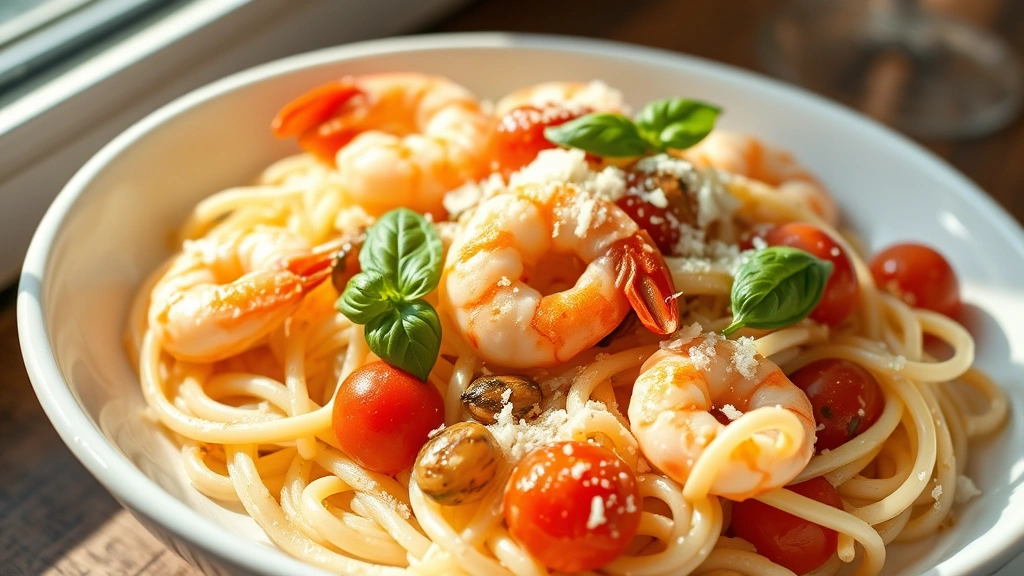
There’s something absolutely magical about a perfectly crafted pescatarian pasta dish—it’s elegant, nourishing, and proves that you don’t need meat to create something truly memorable at the dinner table. This Tasty Pescatarian Pasta Recipe is a celebration of fresh seafood, vibrant vegetables, and quality ingredients that come together in about 30 minutes.
I’ve been making variations of this dish for years, and it never fails to impress both my family and dinner guests. The beauty of pescatarian cooking is that it opens up a world of incredible flavors, especially when you’re working with seafood. Whether you’re exploring pescatarian meals for the first time or you’re a seasoned pro, this recipe is versatile enough to adapt to whatever fresh ingredients you have on hand.
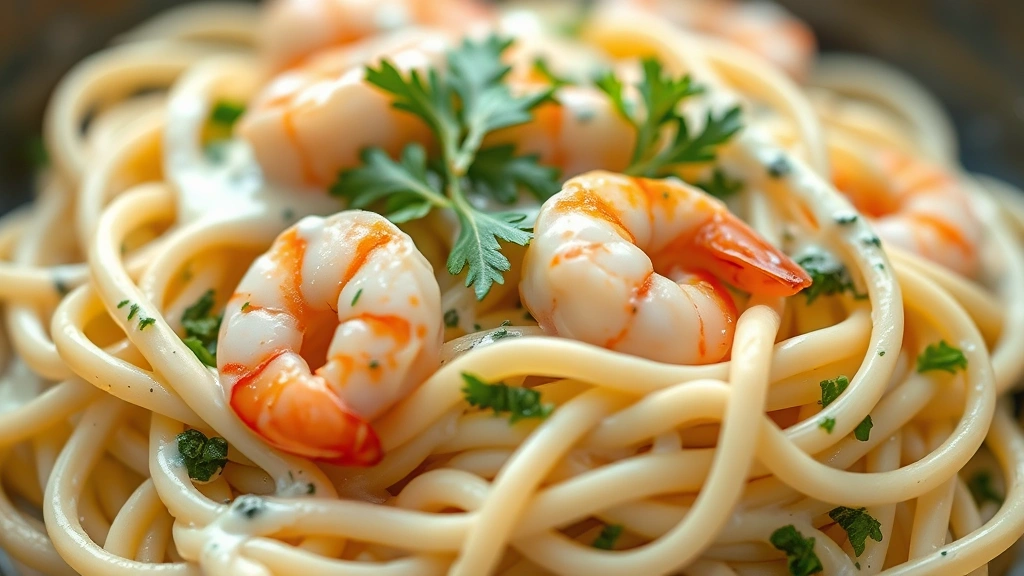
What makes this pasta truly special is the combination of tender shrimp or scallops with a light, garlicky white wine sauce that clings beautifully to every strand of pasta. The key is not to overthink it—fresh ingredients and simple technique are your best friends here. I love adding fresh herbs like parsley and basil at the end, which brings a brightness that elevates the entire dish.
This recipe is perfect for weeknight dinner ideas when you want something that feels restaurant-quality but doesn’t require hours in the kitchen. The acidic white wine cuts through the richness of the butter and creates a sauce that’s both luxurious and light. You can easily double this recipe for entertaining, or keep it simple for a romantic dinner for two.
If you’re new to pescatarian cooking, I recommend checking out some seafood pasta techniques to ensure your shrimp or scallops are cooked perfectly every time. Overcooking seafood is the biggest mistake people make, so timing is everything. The seafood should be just opaque and tender—it continues cooking slightly from residual heat even after you remove it from the pan.
For those looking to explore more options, consider trying different types of seafood like mussels, clams, or a combination of both shrimp and scallops. You can also explore pasta sauce variations by swapping the white wine for a light tomato base or adding roasted red peppers for sweetness. The foundation of this recipe is so solid that it adapts beautifully to your preferences.
I also recommend investing in good quality pasta—it makes a noticeable difference in the final dish. Whether you choose linguine, fettuccine, or spaghetti is entirely up to you, though I find that wider noodles like fettuccine or linguine work best with this creamy, seafood-laden sauce. The pasta should be al dente, with just a slight firmness when you bite into it.
This dish pairs wonderfully with a crisp white wine like Pinot Grigio or Sauvignon Blanc, fresh crusty bread for soaking up the sauce, and a simple green salad dressed with lemon vinaigrette. You can also find excellent inspiration and techniques on Serious Eats’ pescatarian section, which offers incredible depth on seafood cookery.
Once you master this basic technique, you’ll find yourself making variations of it constantly. It’s one of those recipes that becomes a foundation for so much more—a true kitchen workhorse that never gets old.
Ingredients
- 1 pound large shrimp or sea scallops, peeled and deveined if using shrimp
- 1 pound linguine or fettuccine pasta
- 4 tablespoons unsalted butter, divided
- 3 tablespoons extra virgin olive oil
- 6 cloves garlic, minced
- 1 cup dry white wine (Sauvignon Blanc or Pinot Grigio)
- 1 cup chicken or vegetable broth
- ½ cup heavy cream
- Zest of 1 lemon
- 3 tablespoons fresh lemon juice
- ½ teaspoon red pepper flakes, optional
- ½ cup fresh parsley, chopped
- ¼ cup fresh basil, chopped
- ½ cup grated Parmesan cheese
- Sea salt and freshly ground black pepper to taste
- 2 cups fresh cherry tomatoes, halved
- ½ cup dry white wine for deglazing
Instructions
- Bring a large pot of salted water to a rolling boil. Add the pasta and cook according to package directions until al dente, usually 9-11 minutes. Reserve 1 cup of pasta cooking water before draining. Set the cooked pasta aside.
- Pat the shrimp or scallops dry with paper towels—this is crucial for getting a beautiful golden sear. Season generously with sea salt and freshly ground black pepper on both sides.
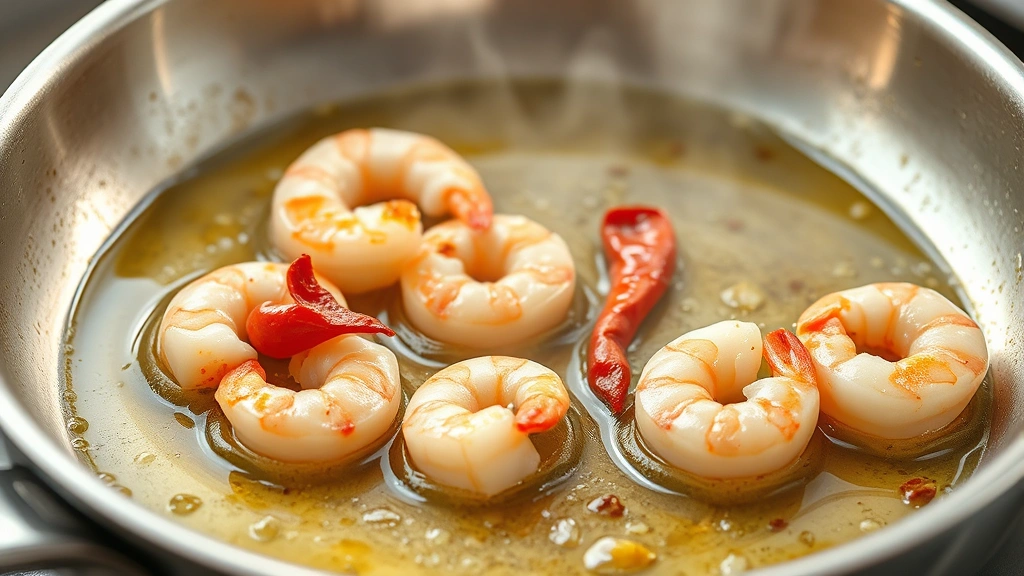
- Heat 2 tablespoons of butter with 1 tablespoon of olive oil in a large skillet over medium-high heat. Once the butter is foaming and the oil is shimmering, carefully add the seafood in a single layer.
- Cook the shrimp or scallops for 2-3 minutes on the first side without moving them—you want a golden crust to form. Flip and cook for another 2-3 minutes until just opaque in the center. Transfer to a clean plate and set aside.
- In the same skillet, reduce heat to medium and add the remaining 2 tablespoons of butter with the remaining 2 tablespoons of olive oil. Add the minced garlic and sauté for 30-45 seconds until fragrant, being careful not to burn it.
- Pour in the white wine and use a wooden spoon to scrape up any browned bits from the bottom of the pan—these are liquid gold and packed with flavor. Let the wine reduce by half, about 2-3 minutes.
- Add the broth and bring to a gentle simmer. Add the cherry tomatoes and red pepper flakes if using. Simmer for 3-4 minutes, allowing the flavors to meld together.
- Reduce the heat to low and stir in the heavy cream, lemon zest, and lemon juice. Taste and adjust the seasoning with additional salt and pepper as needed. The sauce should be balanced between bright and rich.
- Return the cooked seafood to the skillet and gently stir to combine. Let it warm through for about 1 minute—do not overcook or the seafood will become tough.
- Add the cooked pasta directly to the sauce along with ½ cup of the reserved pasta water. Toss gently to coat every strand of pasta with the silky sauce, adding more pasta water if needed to reach your desired consistency.
- Remove from heat and stir in the fresh parsley and basil, reserving some for garnish. Add half of the Parmesan cheese and toss gently to combine.
- Divide the pasta among serving bowls and top with the remaining fresh herbs, lemon zest, and Parmesan cheese. Serve immediately with crusty bread and additional fresh cracked pepper.
Pro Tips
- **Seafood Selection**: Choose either shrimp or scallops depending on your preference and availability. If using shrimp, look for large ones (16-20 count) for the best texture. For scallops, choose “dry” scallops rather than “wet” ones, which have been treated with sodium tripolyphosphate and won’t sear properly.
- **Timing is Everything**: Seafood cooks incredibly quickly and becomes rubbery if overcooked. Start checking your shrimp or scallops at the minimum time—they should be just opaque in the center. They’ll continue cooking slightly from residual heat after being removed from the pan.
- **Pasta Water is Your Friend**: Always reserve pasta cooking water before draining. This starchy liquid is essential for achieving a silky sauce that clings to the pasta beautifully. Start with ½ cup and add more as needed.
- **Wine Selection Matters**: Use a wine you’d actually enjoy drinking. The wine’s acidity and flavor will carry through into the finished dish. Avoid anything labeled “cooking wine” as these often contain added salt.
- **Make it Lighter**: If you prefer a lighter version, reduce the heavy cream to ¼ cup and increase the broth to 1¼ cups. The sauce will be thinner but still delicious and less heavy.
- **Add More Vegetables**: This recipe easily accommodates additional vegetables. Consider adding sliced zucchini, asparagus, artichoke hearts, or roasted red peppers. Add them in the last few minutes of cooking.
- **Herb Flexibility**: While parsley and basil are traditional, fresh tarragon, dill, or chives also work beautifully with seafood. Add herbs at the very end to preserve their bright flavor and color.
- **Make Ahead Notes**: You can prep all your ingredients ahead of time, but cook the pasta and seafood right before serving for best results. The sauce can be made slightly ahead and gently reheated.
- **Variations**: For a more Mediterranean twist, add sun-dried tomatoes and kalamata olives. For a spicier version, increase the red pepper flakes or add a splash of hot sauce. For a richer sauce, finish with a knob of cold butter swirled in at the end.
- **Storage**: Leftovers can be refrigerated for up to 2 days, though seafood pasta is best enjoyed fresh. Reheat gently over low heat with a splash of water or broth to restore moisture.