
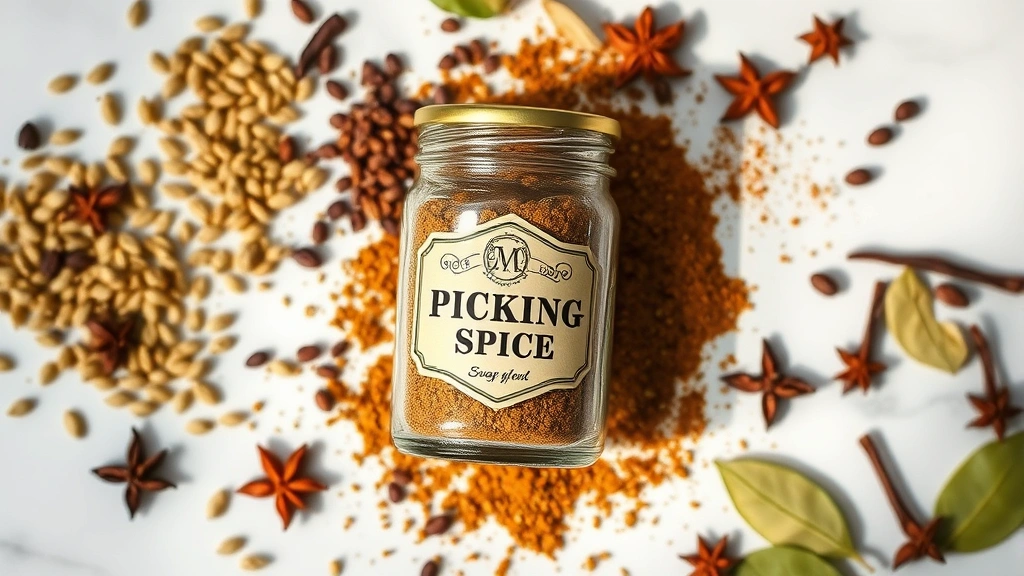
Homemade pickling spice is the secret ingredient that transforms ordinary vegetables into extraordinary pickles! This easy recipe gives you complete control over the blend, letting you customize the heat, sweetness, and aromatic profile to suit your taste. Store-bought versions can’t compare to the fresh, vibrant flavors you’ll achieve by toasting and combining these whole spices yourself.
Pickling spice is a warm, aromatic blend traditionally used in preserving vegetables, fruits, and even meats. The beauty of making your own is that you can adjust the ratios based on your preferences—add more red pepper flakes if you like heat, or increase the mustard seeds for a sharper bite. This versatile blend works beautifully in homemade dill pickles, bread and butter pickles, and even mixed pickled vegetables.
What makes this recipe so special is the toasting step. When you toast whole spices, their essential oils release, intensifying their flavors dramatically. This is why homemade pickling spice tastes infinitely better than pre-ground versions that have been sitting in warehouse storage for months. You’ll notice the difference immediately when you crack open a jar of your own pickles made with this blend.
The ingredients are simple pantry staples that you likely already have on hand. If you don’t, they’re inexpensive and readily available at any grocery store. This recipe makes enough for several batches of pickles, so you can store it in an airtight container for months. I recommend making a fresh batch every few months to ensure maximum flavor potency.
Whether you’re a pickling novice or a seasoned pro, this recipe will become your go-to reference. It’s been tested countless times and refined to deliver that perfect balance of warmth, spice, and subtle sweetness that makes pickles absolutely irresistible. Check out quick pickle methods for inspiration on what to pickle first, and don’t miss our guide to canning basics if you’re planning to preserve your creations.
For more detailed pickling techniques, consult Bon Appétit’s quick pickle guide, explore Serious Eats’ comprehensive pickle collection, and reference The New York Times’ pickling recipes. You’ll also want to bookmark Bon Appétit’s spice guide and Serious Eats’ spice blend collection for future reference.
Ingredients
- 2 tablespoons yellow mustard seeds
- 1 tablespoon black peppercorns
- 1 tablespoon coriander seeds
- 1 teaspoon red pepper flakes (adjust to taste)
- 1 teaspoon whole allspice berries
- 1 teaspoon whole cloves
- 3-4 dried bay leaves, crumbled
- 1/2 teaspoon dill seeds (optional but recommended)
- 1/4 teaspoon ground ginger
- 1/4 teaspoon ground turmeric (for color and warmth)
Instructions
- Gather all your whole spices and place them on a clean, flat surface so you can see what you’re working with. This helps ensure you have everything before you begin toasting.
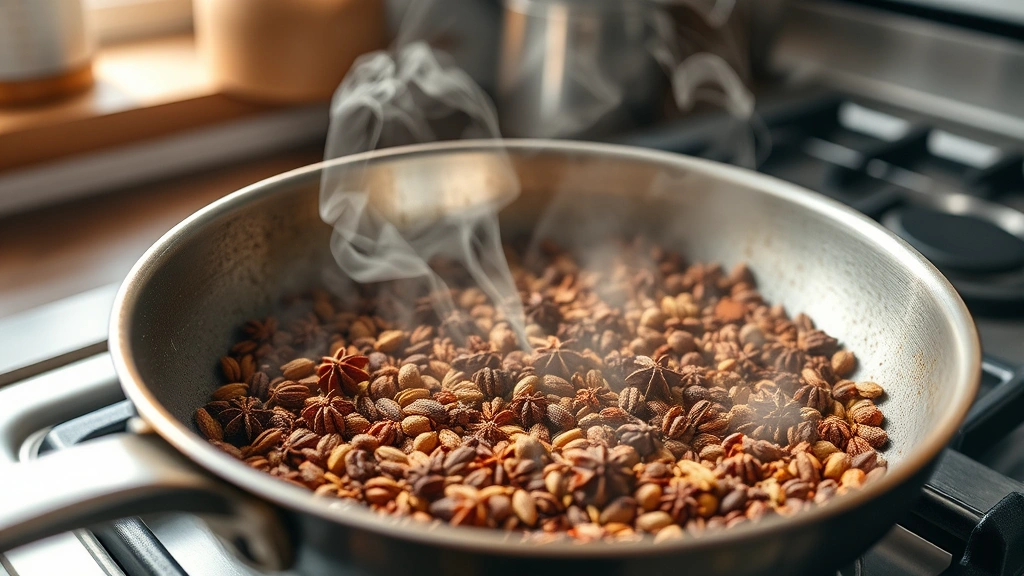
- Pour the mustard seeds, black peppercorns, coriander seeds, allspice berries, and cloves into a small skillet or saucepan with no added oil or liquid.
- Place the skillet over medium heat and toast the spices for 3-5 minutes, shaking the pan frequently. You’ll know they’re ready when they become fragrant and you can smell the warm, toasty aroma filling your kitchen.
- Remove the skillet from heat immediately once the spices are fragrant—they’ll continue to cook slightly from residual heat, so don’t let them darken too much or they’ll become bitter.
- Pour the toasted spices onto a clean plate or cutting board and let them cool for 2-3 minutes until they’re safe to handle.
- Add the toasted spices to a spice grinder, coffee grinder dedicated to spices, or a mortar and pestle.
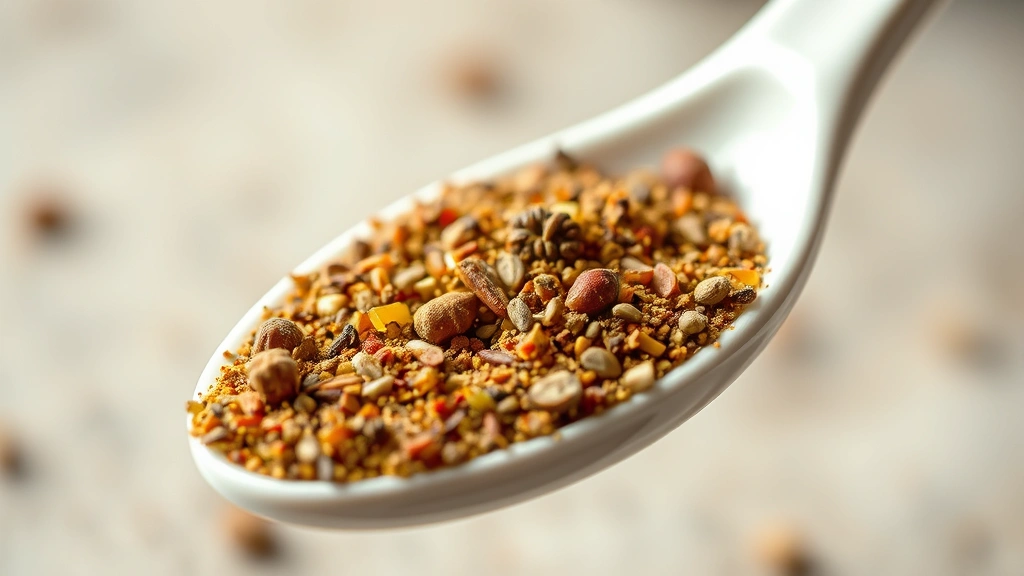
- Pulse or grind the toasted spices until they reach your desired consistency—some prefer a coarse blend with visible seeds, while others like a finer powder. I recommend a medium-coarse blend that has some texture but isn’t chunky.
- Transfer the ground spice mixture to a small bowl and stir in the crumbled bay leaves, dill seeds if using, ground ginger, and ground turmeric until evenly combined.
- Taste a tiny pinch and adjust seasonings as needed—add more red pepper flakes for heat, more mustard seeds for tang, or more cloves for warmth.
- Store the finished pickling spice in an airtight glass jar or container away from direct sunlight and heat. It will keep for up to 3 months, though it’s best used within the first month for maximum flavor.
- To use in pickling recipes, add 1-2 tablespoons of pickling spice per quart of pickling liquid, adjusting based on your preference and the specific recipe you’re following.
Pro Tips
- Toasting whole spices before grinding is absolutely crucial for developing deep, complex flavors. This step takes just minutes but makes a dramatic difference in the final product.
- You can adjust this recipe based on personal preferences—reduce red pepper flakes if you prefer milder pickles, or add more cloves if you love warm spice flavors.
- If you don’t have a spice grinder, a coffee grinder works perfectly, or you can use a mortar and pestle for a more hands-on approach. Just wash thoroughly before and after use.
- Bay leaves should be crumbled before adding to the blend to distribute them evenly throughout the mixture.
- Store pickling spice in a cool, dark place in an airtight container. Glass jars work best as they don’t absorb spice oils like plastic containers can.
- This spice blend works beautifully not just for pickling, but also for brining meats, seasoning soups, or adding warmth to stews and braised dishes.
- Make a double or triple batch when you have the time, so you always have fresh pickling spice on hand for spontaneous pickling projects.
- If any of your spices seem stale or old, consider purchasing fresh ones for the best results. The flavor difference will be noticeable.
- You can customize this blend by adding other whole spices like star anise, cardamom pods, or fennel seeds based on the flavor profile you’re going for.
- Ground spices (like ginger and turmeric) can be added at the end without toasting, as they’re already processed and would burn quickly if toasted separately.
- This recipe makes enough for approximately 4-5 quarts of pickled vegetables, depending on how much you use per batch.