
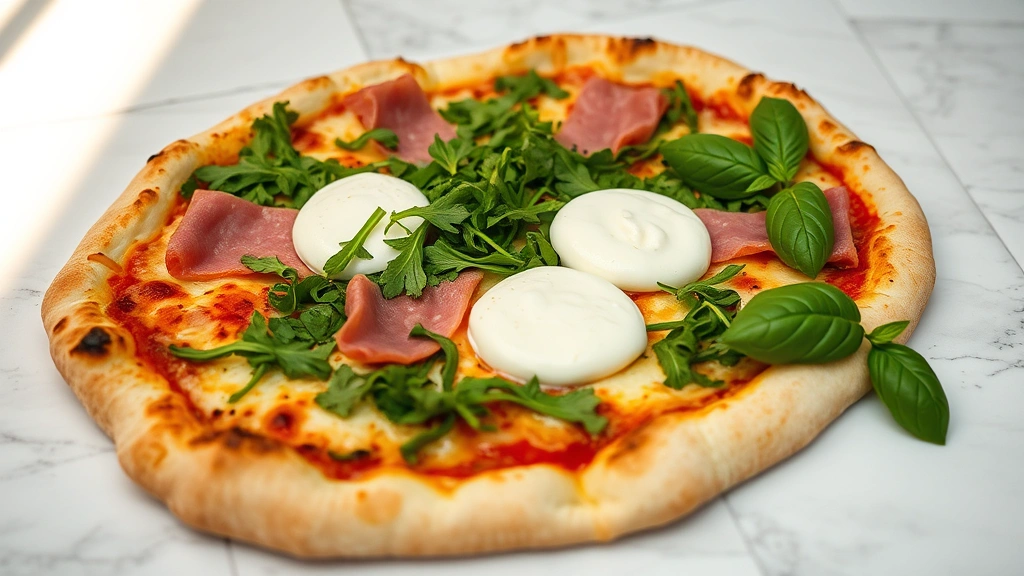
There’s something undeniably elegant about a slice of prosciutto pizza—the way those delicate, salty ribbons of cured meat curl slightly under the heat, creating pockets of savory perfection against a crispy, wood-fired crust. This isn’t just any pizza; it’s an Italian-inspired masterpiece that brings together the best of simple, quality ingredients to create something truly spectacular.
I’ve been making prosciutto pizza for years, and I’ve learned that the secret to achieving restaurant-quality results at home comes down to a few key principles. First, you need a proper pizza dough with the right balance of hydration and fermentation time. Second, you want to use high-quality prosciutto di Parma—the real stuff, not the thin-sliced deli variety. And third, timing is everything: the prosciutto should go on after the pizza comes out of the oven, so it stays tender and doesn’t become papery.
This recipe has become a favorite at dinner parties because it feels fancy but is surprisingly straightforward to execute. Whether you’re using a wood-fired oven, a pizza stone in your home oven, or even a cast-iron skillet, these techniques will help you create pizzas that taste like they came straight from a trattoria in Rome. The combination of creamy burrata, peppery arugula, shaved Parmigiano-Reggiano, and that prosciutto creates layers of flavor and texture that keep people coming back for more.
If you’re new to pizza making, don’t worry—I’ll walk you through every step. For more guidance on mastering pizza dough, check out our ultimate pizza dough guide. You might also enjoy our complete guide to burrata cheese and our collection of Italian appetizer recipes. For professional techniques, I recommend checking out Serious Eats’ pizza guide and Bon Appétit’s pizza recipes.
Ingredients
- 1 pound pizza dough (store-bought or homemade)
- 3 tablespoons extra-virgin olive oil, divided
- 1 cup whole milk ricotta cheese
- 4 ounces fresh mozzarella, torn into pieces
- 1/2 cup grated Parmigiano-Reggiano cheese
- 2 cloves garlic, minced
- Salt and freshly ground black pepper to taste
- 1/4 teaspoon red pepper flakes
- 6 ounces prosciutto di Parma, thinly sliced
- 2 cups fresh arugula
- 4 ounces burrata cheese, torn into pieces
- 2 tablespoons aged balsamic vinegar
- Fresh basil leaves for garnish
- Cornmeal or flour for dusting
Instructions
- Remove your pizza dough from the refrigerator 30 minutes before you plan to cook. If using homemade dough that hasn’t been cold-fermented, let it come to room temperature. This makes stretching much easier and helps develop better flavor.
- Preheat your oven to 475°F (245°C) if using a standard home oven, or heat your pizza stone on the middle rack for at least 30 minutes. If you have access to a wood-fired oven, preheat to 800-900°F.
- In a small bowl, combine the ricotta cheese, 1 tablespoon of olive oil, minced garlic, salt, pepper, and red pepper flakes. Mix until smooth and well combined. This is your pizza sauce base.
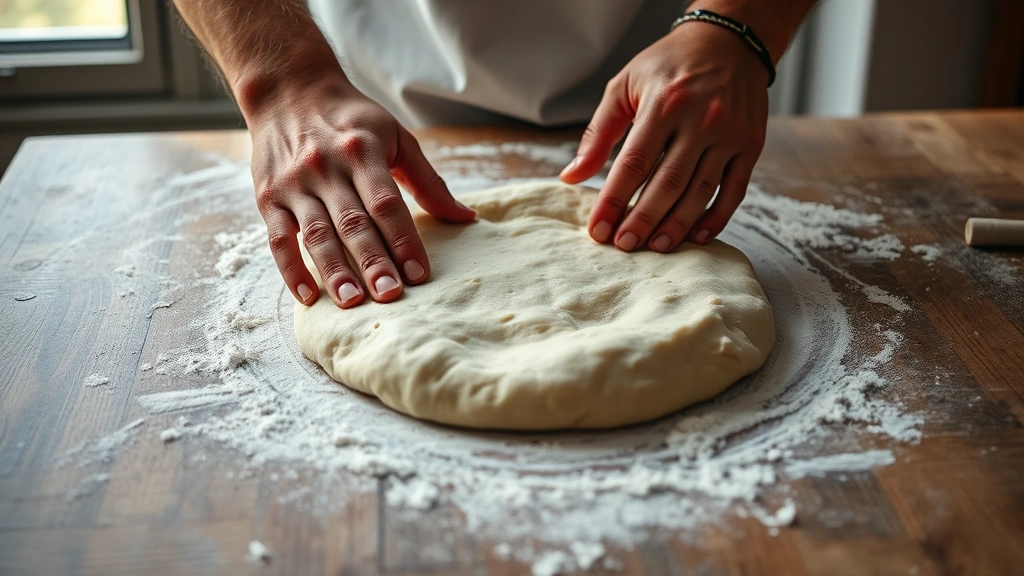
- Divide your pizza dough into two equal portions. On a lightly floured work surface, gently stretch one portion into a thin circle, about 12 inches in diameter. Don’t overwork the dough—let gravity and your fingertips do most of the work.
- Transfer the stretched dough to a pizza peel or baking sheet dusted with cornmeal. This prevents sticking and helps create a crispy crust.
- Spread half of the ricotta mixture evenly over the dough, leaving about a 1/2-inch border around the edges for the crust.
- Scatter half of the torn mozzarella pieces over the ricotta base, distributing them evenly across the pizza.
- Sprinkle half of the grated Parmigiano-Reggiano over the mozzarella layer.
- Drizzle with a light coating of extra-virgin olive oil.
- Carefully slide the pizza onto your preheated pizza stone or into the oven. Bake for 12-15 minutes, until the crust is golden brown and the cheese is bubbling and slightly browned in spots.
- While the pizza bakes, repeat steps 4-9 with your second portion of dough.
- Remove the first pizza from the oven and let it cool for just 1-2 minutes on the stone or peel.
- Arrange the prosciutto slices over the hot pizza—they’ll soften slightly from the residual heat. Don’t let them bake in the oven, or they’ll become too crispy.
- Divide the fresh arugula into two portions. Just before serving, toss one portion with a pinch of salt, pepper, and a light drizzle of olive oil.
- Top the prosciutto pizza with the dressed arugula, followed by pieces of torn burrata cheese.
- Drizzle with aged balsamic vinegar and garnish with fresh basil leaves.
- Cut into slices and serve immediately while the crust is still crispy and the cheese is warm.
- Repeat steps 12-16 with the second pizza while your guests enjoy the first one.
Pro Tips
- **Pizza Dough**: If you’re making dough from scratch, prepare it at least 4-8 hours in advance and refrigerate. This cold fermentation develops better flavor and makes the dough easier to stretch. Store-bought dough works great in a pinch—just let it come to room temperature before using.
- **Prosciutto Selection**: Always use authentic prosciutto di Parma from Italy if possible. The delicate flavor and texture of true prosciutto is what elevates this pizza from good to exceptional. Domestic or lesser-quality prosciutto will result in a noticeably different (and less impressive) final product.
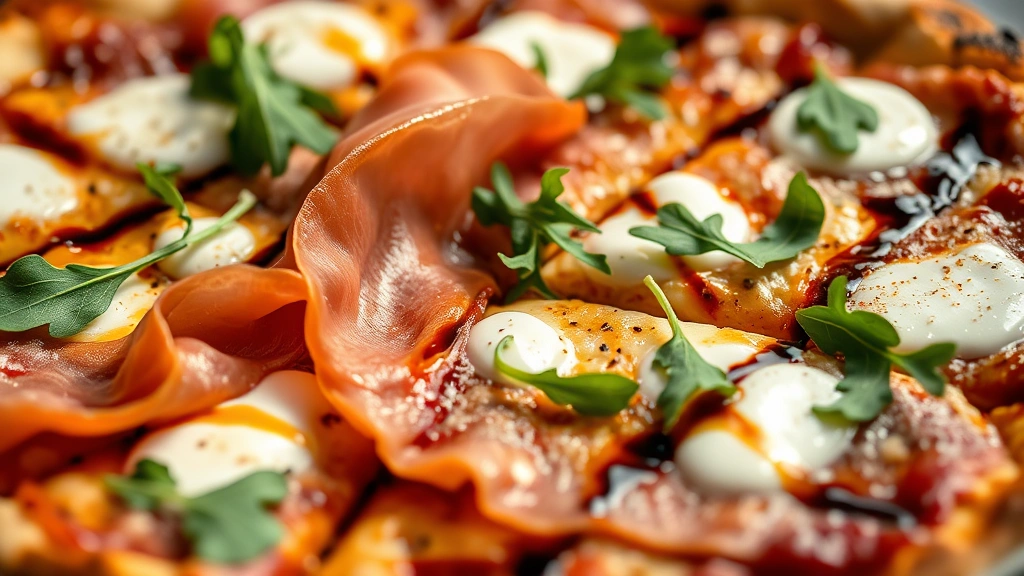
- **Timing is Critical**: Add the prosciutto after the pizza comes out of the oven, never before. If baked directly on the pizza, prosciutto becomes brittle and loses its tender, silky quality. The residual heat will warm it perfectly without cooking it further.
- **Cheese Combinations**: While this recipe uses ricotta, mozzarella, and Parmigiano, you can experiment with additions like fresh goat cheese or smoked mozzarella. Just keep the total amount of cheese consistent to maintain proper baking.
- **Arugula Freshness**: Add the arugula at the very last moment, just before serving. The warm pizza will slightly wilt it, creating the perfect tender texture. If added too early, it becomes limp and loses its peppery bite.
- **Burrata Substitution**: If you can’t find burrata, fresh mozzarella works, but burrata’s creamy center adds a luxurious element that’s worth seeking out. Check specialty cheese shops or Italian markets.
- **Oven Variations**: Home ovens bake at lower temperatures than pizza ovens, so expect slightly softer crusts. For crispier results, place your pizza stone on the lowest oven rack. If using a cast-iron skillet, preheat it and cook on the stovetop over medium-high heat for 3-4 minutes, then finish under the broiler for 2-3 minutes.
- **Make-Ahead Tips**: Prepare your ricotta mixture up to 4 hours in advance and store in the refrigerator. Stretch your dough 30 minutes before baking for best results. Don’t prepare the arugula salad ahead—dress it just before topping the pizza.
- **Balsamic Reduction**: For deeper flavor, use aged balsamic vinegar or create a quick reduction by simmering balsamic vinegar over low heat until it’s syrupy (about 5 minutes). A small drizzle goes a long way.
- **Serving Suggestions**: Pair this prosciutto pizza with a crisp white wine like Pinot Grigio or a light red like Barbera. A simple side salad or caprese salad complements it beautifully.
- **Leftover Storage**: While pizza is best enjoyed fresh, leftovers keep in an airtight container in the refrigerator for up to 3 days. Reheat in a 350°F oven for 5-7 minutes to restore crispness. Don’t refrigerate with the arugula on top; add fresh arugula when reheating.