
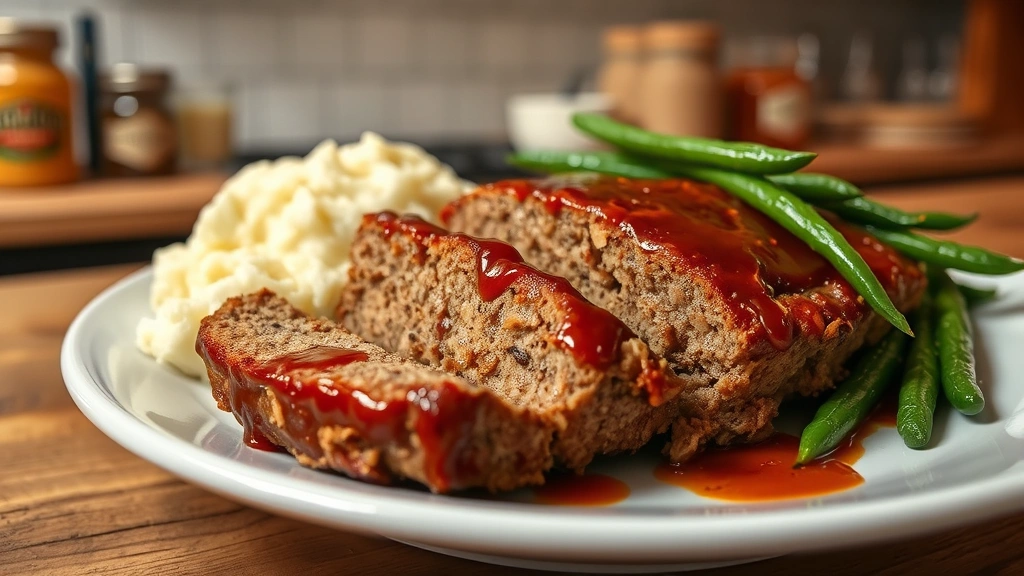
There’s something wonderfully nostalgic and deeply comforting about a perfectly made meatloaf, and this Quaker Oats version is a game-changer that will have your family asking for seconds. Using old-fashioned rolled oats as a binder creates an incredibly moist and tender texture that stays juicy even when reheated, making it perfect for weeknight dinners and meal prep.
This recipe brings together classic flavors with the humble oat—a secret ingredient that many traditional meatloaf recipes overlook. The oats absorb moisture from the meat mixture and help distribute it evenly throughout, preventing that dry, dense texture you sometimes get with breadcrumb-only versions. I’ve been making this since my grandmother first shared her trick with me, and I’ve refined it over the years to achieve what I believe is the absolute perfect balance of texture, flavor, and that beautiful caramelized exterior.
What makes this meatloaf truly special is the combination of ground beef with a touch of ground pork, which adds richness and prevents the meat from being too lean and crumbly. The homemade glaze on top creates a sticky, slightly sweet exterior that caramelizes beautifully in the oven, while the interior remains tender and packed with flavor. This is the kind of dish that transforms simple ingredients into something restaurant-worthy, yet it couldn’t be easier to prepare.
I love serving this with creamy mashed potatoes and a simple green salad, but it’s also fantastic sliced thin for sandwiches the next day (if there are any leftovers!). The meal prep potential is fantastic—it actually tastes better on day two or three. Whether you’re cooking for a family of four or planning ahead for the week, this recipe scales beautifully and delivers consistent, delicious results every single time.
For the best results, I recommend using quality ground beef and taking your time to gently mix the ingredients without overworking the meat. The texture and moisture content of your finished meatloaf depends heavily on a light hand during mixing. You’ll also want to invest in a good instant-read thermometer to ensure perfectly cooked meat every time.
If you’ve never tried making meatloaf at home before, or if your previous attempts have been disappointing, I’m confident this recipe will change your mind. The Quaker Oats truly are the secret ingredient that makes all the difference. Check out Serious Eats’ comprehensive meatloaf guide for additional variations, and explore Bon Appétit’s creative takes on this classic comfort food. For more traditional approaches, The New York Times offers their own tested version that’s worth exploring.
Ingredients
- 2 pounds ground beef (80/20 blend)
- ½ pound ground pork
- 1 cup Quaker old-fashioned rolled oats
- 1 medium yellow onion, finely diced
- 3 cloves garlic, minced
- 2 large eggs
- ⅓ cup whole milk
- ½ cup ketchup
- 2 tablespoons Worcestershire sauce
- 2 tablespoons fresh parsley, chopped
- 1 teaspoon salt
- ½ teaspoon black pepper
- ½ teaspoon paprika
- ¼ teaspoon cayenne pepper
- ½ cup ketchup (for glaze)
- 2 tablespoons brown sugar (for glaze)
- 1 tablespoon apple cider vinegar (for glaze)
- 1 tablespoon Dijon mustard (for glaze)
- Cooking spray or butter for preparing the loaf pan
Instructions
- Preheat your oven to 350°F. Line a standard loaf pan with parchment paper or lightly spray it with cooking spray, making sure to coat the sides and bottom thoroughly. You can also use a 9×5-inch loaf pan or a 9×13-inch baking dish depending on your preference—the baking dish will create a slightly flatter loaf that cooks a bit faster.
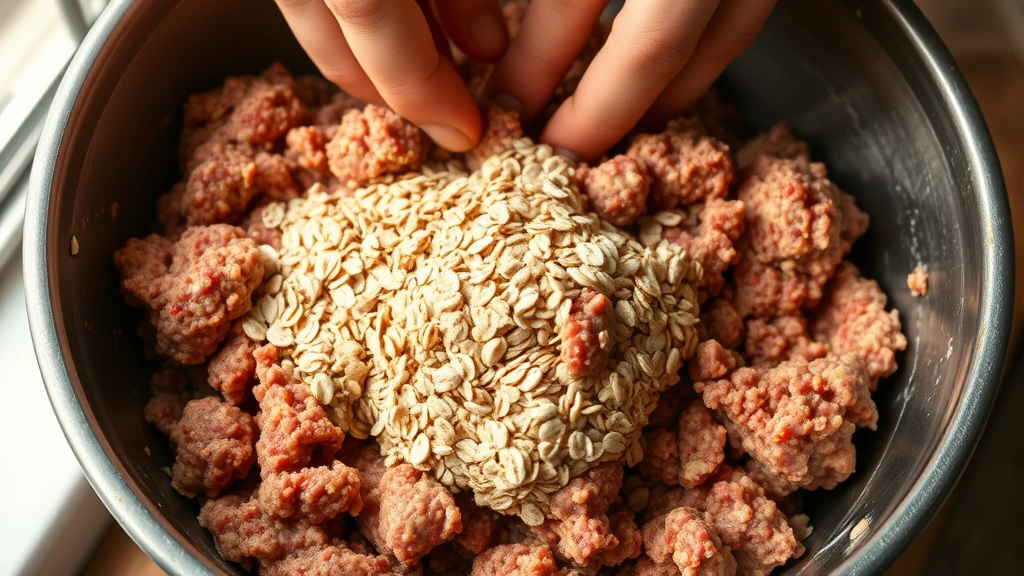
- In a small bowl, combine the Quaker oats with the whole milk and let it sit for 2-3 minutes, stirring occasionally. This allows the oats to fully absorb the milk and become soft and creamy, which is crucial for creating that moist interior texture. Set aside while you prepare the other ingredients.
- In a large mixing bowl, add the finely diced onion and minced garlic. Pour the soaked oat mixture over top. This helps distribute the aromatics evenly throughout the meatloaf.
- In a separate small bowl, whisk together the 2 large eggs and then add them to the oat mixture along with the ½ cup ketchup, 2 tablespoons Worcestershire sauce, chopped fresh parsley, salt, black pepper, paprika, and cayenne pepper. Stir until everything is well combined.
- Add the ground beef and ground pork to the mixture. Using your hands or a large spoon, gently combine all ingredients, being careful not to overwork the meat mixture. Overmixing develops gluten in the meat, which makes the meatloaf tough and dense. Mix just until everything is evenly distributed, about 30-45 seconds of gentle mixing.
- Transfer the meat mixture to your prepared loaf pan, pressing it gently and evenly into the pan. Smooth the top with a spatula so it’s relatively even. Don’t pack it too tightly—you want it compact enough to hold together but loose enough to remain tender.
- In a small bowl, prepare the glaze by whisking together the ½ cup ketchup, 2 tablespoons brown sugar, 1 tablespoon apple cider vinegar, and 1 tablespoon Dijon mustard until smooth. This sweet and tangy glaze will create a delicious caramelized exterior.
- Spread the glaze evenly over the top of the meatloaf, reserving about 2 tablespoons to brush on halfway through cooking. The glaze should coat the entire top surface.
- Place the loaf pan on a baking sheet (this catches any drippings and makes cleanup easier) and transfer it to your preheated 350°F oven. Bake for 25 minutes.
- After 25 minutes, brush the reserved glaze over the top of the meatloaf. Return it to the oven and bake for another 20-25 minutes, until the internal temperature reaches 160°F when measured with an instant-read thermometer inserted into the thickest part of the meatloaf.
- Remove the meatloaf from the oven and let it rest in the pan for 5 minutes before attempting to slice. This resting period allows the juices to redistribute throughout the meat, ensuring a moist finished product. The temperature will continue to rise slightly during this resting period.
- Run a thin knife around the edges of the meatloaf to loosen it from the pan. If using parchment paper, carefully lift the meatloaf out using the parchment as handles. If in a loaf pan, carefully invert onto a serving platter or cutting board.
- Slice the meatloaf into ½-inch to ¾-inch thick slices using a sharp serrated knife, wiping the knife between cuts for clean slices. Transfer to a serving platter and drizzle any pan juices over the top.
- Serve immediately with your choice of sides, such as creamy mashed potatoes, roasted vegetables, or a fresh green salad. Store any leftovers in an airtight container in the refrigerator for up to 4 days, or freeze for up to 3 months.
Pro Tips
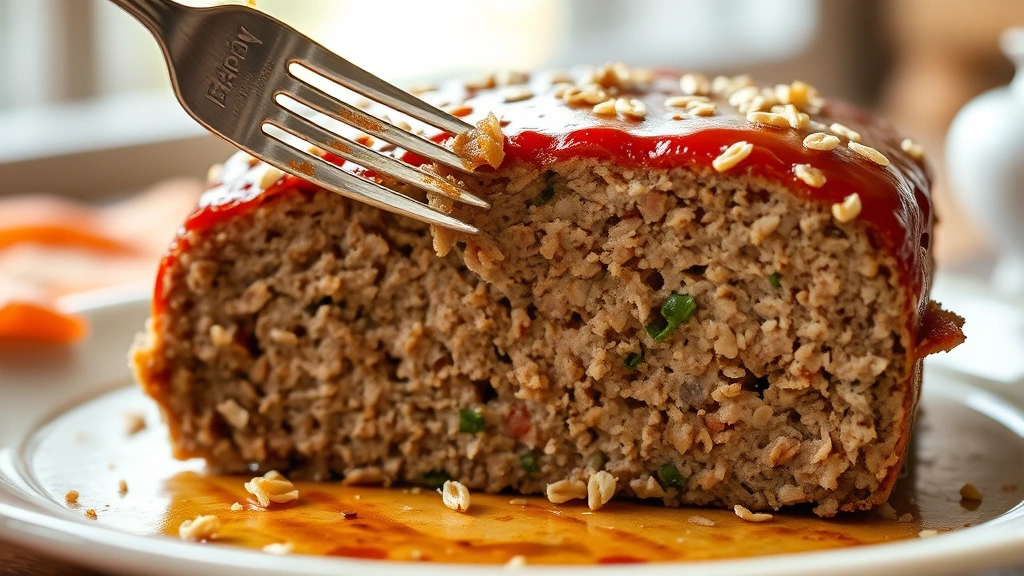
- The Quaker Oats are truly the star ingredient in this recipe. They act as a binder, add moisture, and create an incredibly tender crumb structure. Don’t skip this step or substitute with breadcrumbs—the texture will be noticeably different.
- The combination of ground beef and ground pork is important. The pork adds fat and flavor that keeps the meatloaf from being too dense. If you only have beef available, you can make the recipe with all beef, but increase the ground pork percentage to at least 15-20% of the total meat mixture.
- Don’t skip the soaking step with the oats and milk. This is what creates the distinctive moist texture that makes this recipe special. The oats need time to fully absorb the liquid.
- Gently mixing the ingredients is crucial for tender meatloaf. Overworking the meat develops muscle fibers and creates a tough, dense texture similar to sausage. Use your hands or a large spoon and mix just until combined.
- For the most accurate cooking time, use an instant-read thermometer. Insert it into the thickest part of the meatloaf without touching the pan. The target temperature is 160°F for food safety.
- The resting period after cooking is important—don’t skip it. It allows the juices to redistribute and keeps the meatloaf moist when you slice it.
- This meatloaf is excellent for meal prep. It actually tastes better on day two or three as the flavors meld together. Slice leftovers for sandwiches or reheat slices with a bit of extra sauce.
- The glaze can be customized to your preferences. Try adding a teaspoon of smoked paprika for depth, or a splash of bourbon for a more sophisticated flavor profile.
- If your meatloaf is browning too quickly on top, tent it loosely with aluminum foil for the second half of cooking.
- Leftover meatloaf makes fantastic sandwiches. Toast bread, layer with slices of meatloaf, add a spread of mayo mixed with any leftover glaze, and top with lettuce and tomato.
- You can double this recipe and freeze unbaked meatloaves for up to 3 months. Bake directly from frozen, adding 15-20 minutes to the cooking time and checking the internal temperature carefully.