
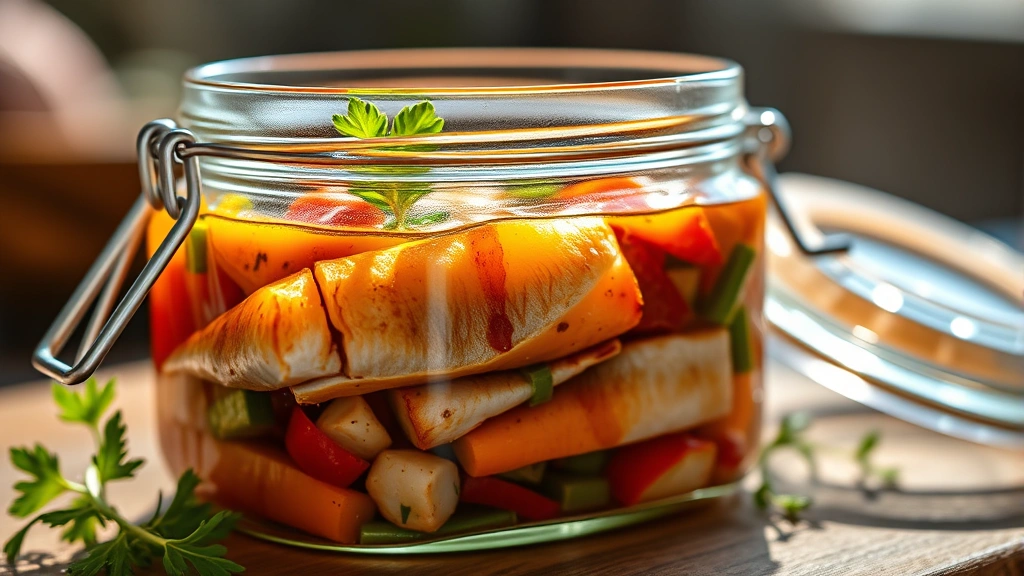
Escabeche is one of those magical dishes that gets better with time—a Spanish and Latin American classic that transforms simple ingredients into something absolutely spectacular. This pickled fish or vegetable dish is bright, tangy, and absolutely bursting with flavor. It’s the kind of recipe that looks fancy enough to serve at a dinner party, but honestly, it’s so easy you’ll find yourself making it on a regular Tuesday night.
The beauty of escabeche lies in its versatility and the way the flavors develop as it sits. Whether you’re using fish, chicken, or vegetables, the vinegar-based marinade with its aromatic spices creates this incredible depth that keeps you coming back for bite after bite. I love serving it as an appetizer, but it’s equally delicious as a light lunch or dinner component.
What makes this the BEST escabeche recipe is the perfect balance we’ve struck between the acidity of the vinegar, the warmth of the spices, and the freshness of the aromatics. We’re not overdoing it with any one element—instead, each component plays its part to create a harmonious whole. The chickpea salad makes an excellent accompaniment, as do these shishito peppers for a complete tapas spread.
I’ve been making escabeche for years now, and I’ve tested countless variations to bring you this foolproof version. The technique is straightforward, the ingredients are accessible, and the results are nothing short of restaurant-quality. Whether you’re new to this dish or you’re a longtime fan, I promise this recipe will become a go-to in your kitchen. Let me walk you through exactly how to make it.
Serious Eats has an excellent deep dive into escabeche history, and Bon Appétit’s vegetable version offers another great perspective. For more seafood inspiration, check out New York Times’ escabeche guide. I also love pairing this with a heavy cream pasta for a complete meal, or even serving it alongside chicken alfredo for an interesting flavor contrast.
Ingredients
- 2 pounds white fish fillets (cod, halibut, or sea bass work beautifully), or 2 pounds mixed vegetables like bell peppers, carrots, and onions
- 1 cup white wine vinegar
- 1/2 cup olive oil
- 1/2 cup water
- 4 cloves garlic, thinly sliced
- 1 medium onion, sliced into rings
- 2 carrots, cut into thin batons
- 1 red bell pepper, sliced into strips
- 2 bay leaves
- 1 teaspoon whole cumin seeds
- 1 teaspoon whole coriander seeds
- 6-8 whole black peppercorns
- 4-5 whole cloves
- 1/2 teaspoon red pepper flakes (adjust to taste)
- 1 teaspoon salt, plus more to taste
- 1/2 teaspoon sugar
- Fresh thyme sprigs (about 3-4)
- 2 tablespoons fresh parsley, chopped
- Zest of 1 lemon
- Oil for frying the fish (if using fish)
Instructions
- If using fish, pat it completely dry with paper towels and season generously with salt and pepper on both sides. Let it sit at room temperature for 10 minutes while you prepare everything else. This step is crucial for getting a nice golden exterior.
- Heat 2-3 tablespoons of oil in a large skillet over medium-high heat. Once shimmering, carefully place the fish in the pan and cook for 3-4 minutes per side until golden brown and cooked through. Transfer to a plate lined with paper towels to drain. If using vegetables only, skip this step.
- In the same skillet (or a fresh one), heat the remaining oil over medium heat. Add the sliced garlic and cook for about 1 minute until fragrant, being careful not to burn it.
- Add the sliced onion and carrot batons to the skillet and sauté for 3-4 minutes, stirring occasionally, until they begin to soften slightly. You want them to still have some texture.
- Add the red bell pepper strips and cook for another 2 minutes, stirring gently.
- In a small dry skillet, toast the cumin seeds, coriander seeds, black peppercorns, and cloves over medium heat for about 1-2 minutes until fragrant. This step awakens the spices and deepens their flavor considerably.
- Add the toasted spices to the vegetable mixture along with the bay leaves, red pepper flakes, thyme sprigs, salt, and sugar. Stir everything together and cook for about 1 minute until the spices are well distributed and the kitchen smells absolutely amazing.
- Pour in the white wine vinegar and water, stirring to combine. Bring the mixture to a gentle simmer and let it cook for 3-4 minutes. The vinegar smell will be strong at first but will mellow as it cooks.
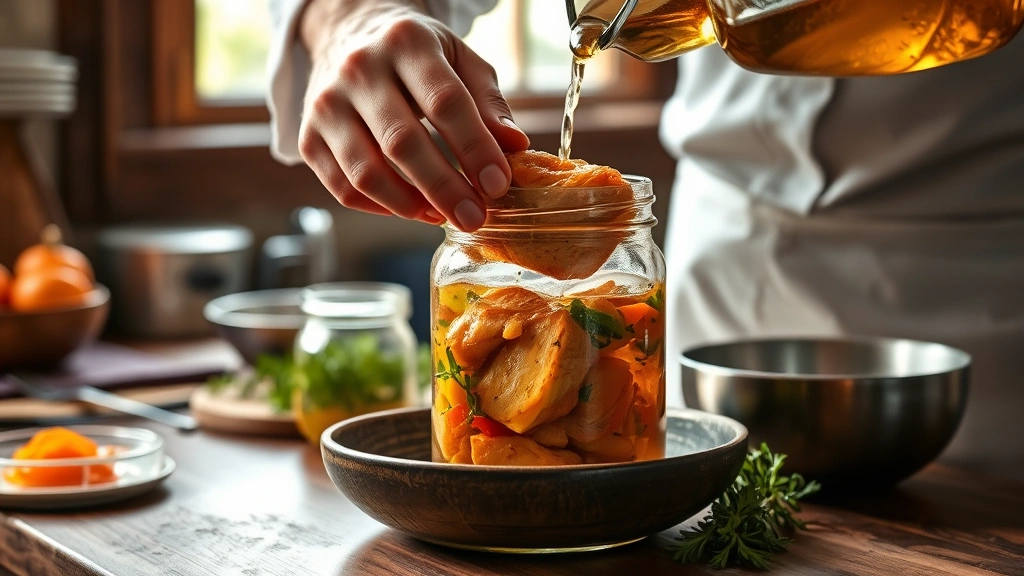
- If using fish, gently layer the cooked fish pieces into a clean glass jar or container. Pour the warm marinade with all the vegetables and spices over the fish, making sure everything is submerged. If using only vegetables, simply transfer everything to your storage container.
- Sprinkle the fresh parsley and lemon zest over the top of the escabeche. Let it cool to room temperature, about 20-30 minutes.
- Cover the container with a lid and refrigerate for at least 24 hours before serving. The flavors will continue to develop and marry together beautifully.
- To serve, use a slotted spoon to transfer the escabeche to a serving platter, arranging the fish or vegetables attractively with some of the marinated vegetables and aromatics. Drizzle with a little of the pickling liquid and additional fresh parsley if desired.
Pro Tips
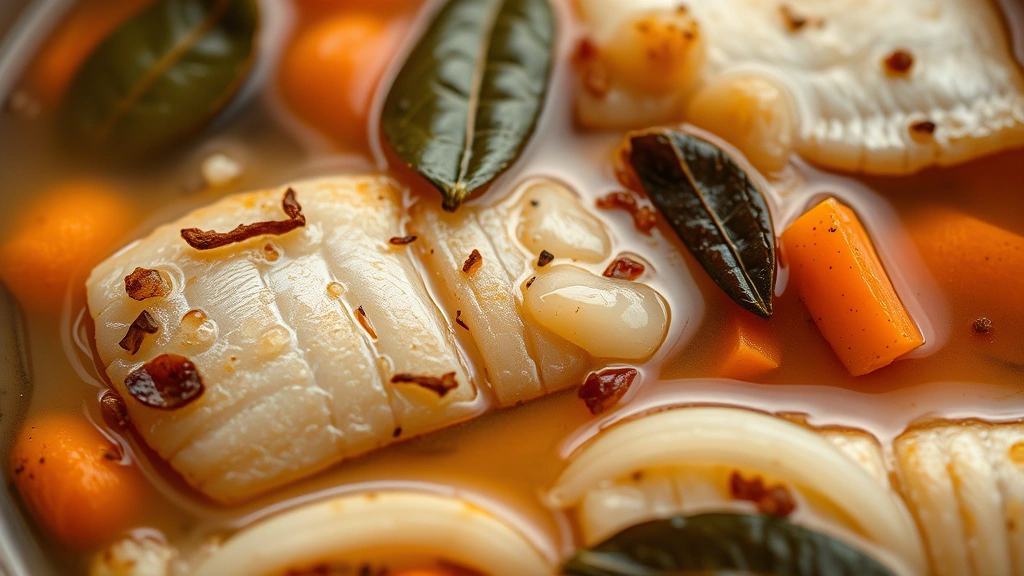
- Escabeche is actually better the next day and even better 2-3 days later, making it perfect for meal prep or entertaining. The flavors deepen and become more complex as they sit in the refrigerator.
- This recipe is incredibly forgiving and versatile. You can use any firm white fish, or swap it entirely for chicken breast, shrimp, or mushrooms. Even eggplant works beautifully.
- The pickling liquid can be adjusted to your taste preferences. If you like it more acidic, increase the vinegar; if you prefer it milder, add more water. Some people also like to add a splash of sherry vinegar for extra depth.
- Make sure your vinegar is good quality—it really makes a difference in the final taste. I prefer white wine vinegar for its mild, clean flavor, but you can also use sherry vinegar or champagne vinegar.
- When toasting the spices, watch them carefully. You want them fragrant and slightly darkened, but not burned. If they burn, they’ll taste bitter and ruin the whole dish.
- Store your escabeche in an airtight glass container in the refrigerator for up to 2 weeks. The flavors stay fresh and bright throughout this time.
- Escabeche is traditionally served cold or at room temperature, making it perfect for hot summer days. It’s also wonderful as part of a tapas spread alongside crusty bread, cheese, and olives.
- For a vegetarian or vegan version, simply omit the fish and load up on vegetables like zucchini, summer squash, green beans, or even cauliflower. The cooking time will be the same.
- The beautiful golden color of the escabeche makes it absolutely gorgeous served in a clear glass jar, making it perfect for gifting or displaying at a dinner party.
- Pair this with Spanish wines like Albariño or Tempranillo for an authentic experience, or serve with a crisp Sauvignon Blanc for a lighter pairing.