
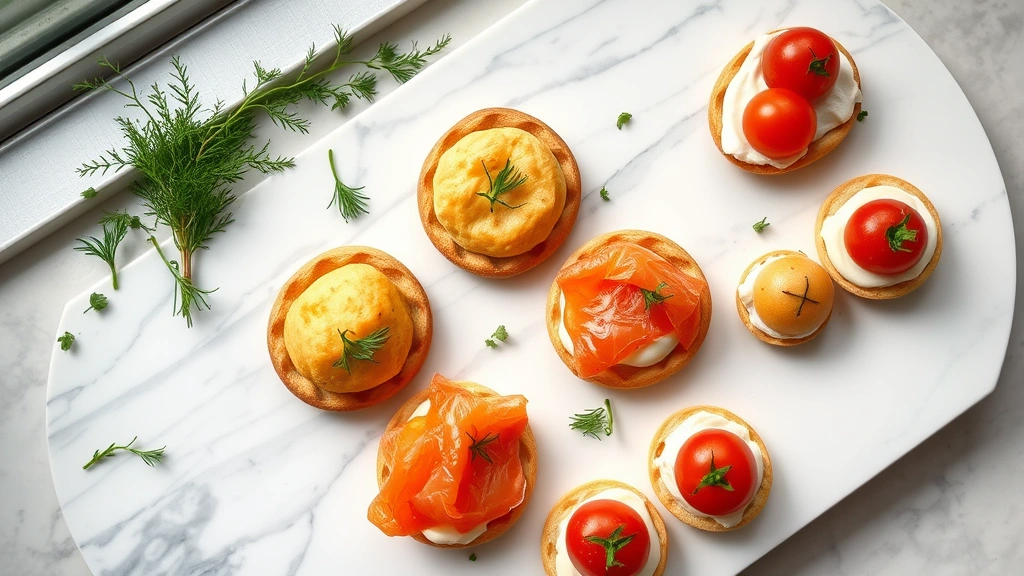
There’s something absolutely magical about French appetizers—they’re the epitome of elegance and simplicity combined. Whether you’re hosting a dinner party or simply want to impress your guests with sophisticated flavors, mastering a few classic French appetizers is essential. These timeless starters have graced tables from Parisian bistros to home kitchens worldwide, and for good reason: they’re absolutely delicious.
French cuisine has long been celebrated for its refined techniques and impeccable flavor combinations. Appetizers, or “hors d’oeuvres” as the French call them, are the perfect introduction to this culinary tradition. From creamy pâtés to delicate canapés, from baked cheese gougères to classic escargot, French appetizers showcase the best of what this cuisine has to offer. The beauty of these dishes lies not just in their taste, but in how accessible they truly are for home cooks willing to learn the fundamentals.
What makes French appetizers so special is the attention to detail and the quality of ingredients used. The French believe in using fresh, high-quality components and letting them shine through. This philosophy means you don’t need complicated techniques or hard-to-find ingredients—just good fundamentals and respect for the food itself. Whether you’re preparing simple roasted peppers or more elaborate creations, the key is understanding the core principles that make these dishes work.
In this comprehensive guide, we’ll explore multiple French appetizer options that will transform your entertaining. I’ll walk you through several classic preparations, from the indulgent to the refreshingly light, ensuring you have a complete arsenal of recipes to draw from. Each appetizer builds on fundamental French cooking techniques that you can apply to countless other dishes. You’ll learn how to properly prepare ingredients, understand flavor balancing, and present your creations with the polish that makes French cuisine so admirable.
One of my favorite aspects of French appetizers is their versatility. You can prepare them ahead of time, which makes entertaining less stressful and more enjoyable. Many can be assembled hours before guests arrive, allowing you to focus on hosting rather than cooking. This make-ahead quality, combined with their impressive appearance, makes French appetizers perfect for any occasion.
Let me share some of my go-to French appetizer recipes that have consistently impressed my guests. These recipes range from vegetable-based options to cheese-forward creations, ensuring there’s something for every palate. I’ve included detailed instructions and helpful tips based on years of preparing these dishes. The recipes below represent the foundation of French appetizer making—once you master these, you’ll be equipped to explore even more possibilities.
For those interested in exploring complementary flavors, consider pairing your appetizers with fresh chickpea salad for a lighter option or building a spread that includes multiple textures and flavors. The key is creating balance on your appetizer board. I always recommend offering both hot and cold options, with a mix of vegetable-based, cheese-based, and meat-based selections.
The recipes I’ve included here are designed for both beginner and experienced cooks. While some might seem intimidating at first glance, each one breaks down into manageable steps. French cooking isn’t about being complicated—it’s about being precise and intentional. By following these instructions carefully and understanding the “why” behind each step, you’ll develop confidence in the kitchen and create restaurant-quality appetizers at home.
I particularly love how French appetizers can be tailored to your preferences and dietary needs. Whether you want to create a vegetarian spread, focus on seafood options, or stick with classic meat-based preparations, the French tradition accommodates all preferences. Many of these recipes can be adapted based on what you have available, though I always recommend using the best quality ingredients you can source.
When preparing French appetizers, remember that presentation matters as much as flavor. The French understand that we eat with our eyes first. Take time to arrange your appetizers thoughtfully on platters, garnish appropriately, and serve at the correct temperature. These small touches elevate your spread from simply delicious to genuinely impressive.
As you explore these recipes, don’t be afraid to experiment. French cuisine is built on solid foundations, but within those foundations, there’s room for creativity. Once you understand how these appetizers work, you can make substitutions and adjustments to suit your taste. This is how cooking truly becomes enjoyable—when you move from following recipes to understanding principles.
I hope you’ll find these French appetizer recipes as delightful as I do. Whether you’re entertaining formally or casually, these dishes will add a touch of French sophistication to your table. Happy cooking, and enjoy the compliments that will surely follow!
Ingredients
- 2 cups all-purpose flour
- 1 cup water
- 8 tablespoons unsalted butter
- 4 large eggs
- 1 cup Gruyère cheese, finely grated
- ½ teaspoon salt
- ¼ teaspoon white pepper
- ¼ teaspoon nutmeg
- 250 grams pâté de foie gras
- 8-10 slices good quality bread or crackers
- 2 tablespoons cornichons, finely chopped
- 1 tablespoon Dijon mustard
- 3 tablespoons crème fraîche
- Fresh chives for garnish
- 200 grams smoked salmon
- 100 grams cream cheese, softened
- 2 tablespoons fresh dill
- 1 lemon, zested and juiced
- Sea salt and cracked pepper to taste
- 24 cherry tomatoes
- 100 grams fresh mozzarella, cut into small pieces
- 3 tablespoons high-quality olive oil
- 12 fresh basil leaves
- Balsamic vinegar for drizzling
Instructions
- To make classic French cheese gougères, preheat your oven to 400°F (200°C) and line a baking sheet with parchment paper. These light, airy cheese puffs are a quintessential French appetizer that showcases fundamental pastry technique.
- In a medium saucepan, combine water, butter, salt, white pepper, and nutmeg over medium heat. Bring to a gentle boil, stirring occasionally until the butter is completely melted and incorporated.
- Remove the saucepan from heat and allow it to cool for approximately 2 minutes. This cooling period is crucial—it prevents the eggs from cooking prematurely when added.
- Add the flour all at once to the cooled mixture and stir vigorously with a wooden spoon until a thick paste forms. Return the pan to medium heat and continue stirring for 1-2 minutes, allowing the paste to dry out slightly. This step, called “drying the paste,” is essential for proper structure.
- Transfer the paste to a mixing bowl and allow it to cool for 5 minutes. Add the eggs one at a time, beating thoroughly after each addition until completely incorporated. The mixture should become smooth and glossy after each egg addition.
- Fold in the grated Gruyère cheese gently but thoroughly, reserving 2 tablespoons for topping. The cheese should be evenly distributed throughout the mixture.
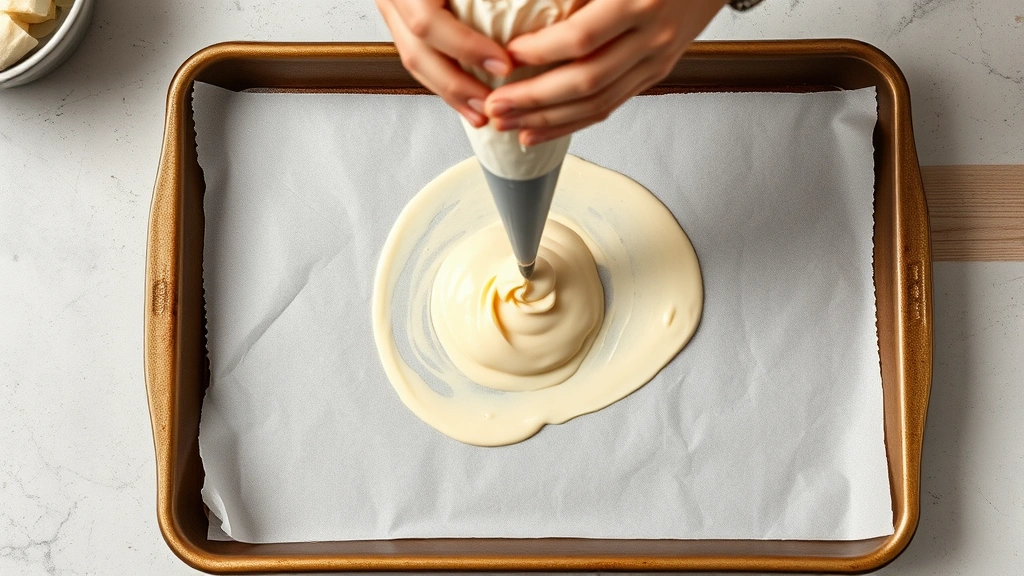
- Transfer the mixture to a piping bag fitted with a round nozzle. Pipe 1-inch mounds onto the prepared baking sheet, spacing them about 2 inches apart. You should have approximately 24-30 gougères.
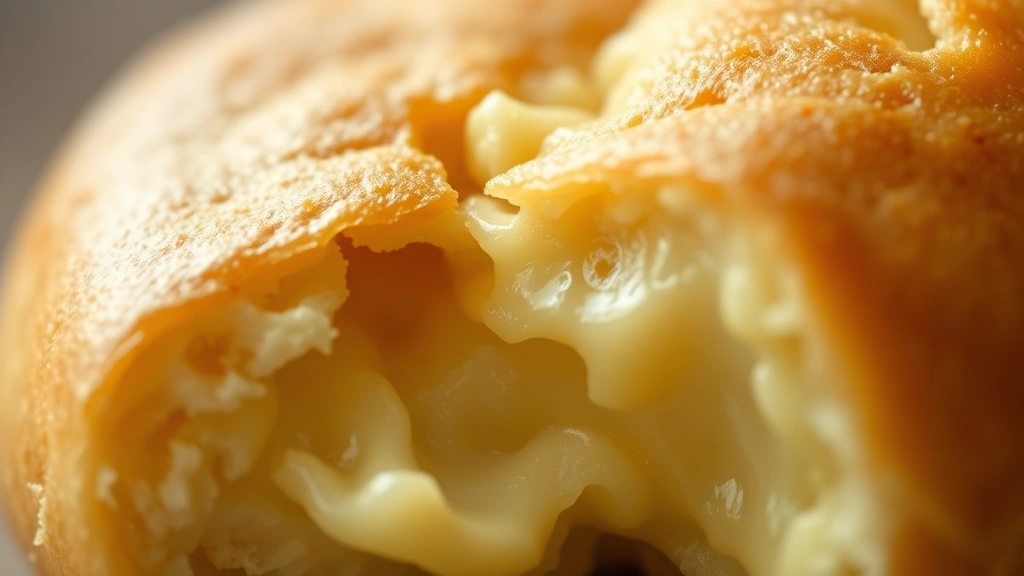
- Sprinkle the reserved cheese over each gougère. Bake in the preheated oven for 25-30 minutes, until the gougères are puffed, golden brown, and sound hollow when tapped on the bottom.
- Remove from the oven and serve immediately while still warm and crispy. Gougères are best enjoyed fresh from the oven, though they can be reheated briefly if needed.
For the pâté canapés, begin by selecting high-quality bread or crackers as your base. Thin, crispy toasts work beautifully for this classic preparation.
- Spread a generous layer of pâté de foie gras onto each piece of bread or cracker, using approximately 1 teaspoon per piece. Work gently to avoid breaking delicate crackers.
- In a small bowl, combine the finely chopped cornichons, Dijon mustard, and crème fraîche. This classic French condiment adds brightness and complexity to the rich pâté.
- Top each pâté-covered canapé with a small spoonful of the cornichon-mustard mixture. Garnish with fresh chopped chives and a tiny pinch of sea salt.
- Arrange on a serving platter and serve immediately. These canapés are best enjoyed within an hour of preparation to maintain textural contrast.
For smoked salmon canapés, begin with the same quality bread or cracker base, ensuring pieces are uniform for a polished presentation.
- In a small bowl, combine softened cream cheese, fresh dill, lemon zest, and half of the lemon juice. Season with sea salt and cracked pepper to taste. The cream cheese should be spreadable but hold its shape.
- Spread a thin layer of the herbed cream cheese onto each bread piece or cracker. Do not over-spread—less is more for elegant appetizers.
- Cut smoked salmon into small strips or fold into quarters. Arrange one piece of salmon on top of each cream cheese-covered base.
- Finish each canapé with a small squeeze of fresh lemon juice, a sprinkle of additional fresh dill, and a grinding of black pepper. Serve immediately for best texture and flavor.
For the Caprese-inspired appetizer, which bridges French and Italian traditions, begin by preparing the tomatoes and mozzarella.
- Gently halve each cherry tomato lengthwise. Pat the tomato halves dry with paper towels to remove excess moisture, which helps them hold their shape and prevents sogginess.
- Cut fresh mozzarella into small cubes or use small mozzarella balls (bocconcini) if available. Pat these dry as well to ensure the best texture.
- In a small bowl, whisk together high-quality olive oil, remaining lemon juice, sea salt, and cracked pepper. This vinaigrette should be balanced and bright.
- On a serving platter or on individual appetizer spoons, arrange a tomato half, a piece of mozzarella, and a small basil leaf. Drizzle lightly with the olive oil vinaigrette.
- Add a tiny drizzle of balsamic vinegar to finish. These appetizers are best assembled no more than 30 minutes before serving to maintain the integrity of the vegetables.
Pro Tips
- French appetizers are best served at room temperature or slightly warm, never cold from the refrigerator, as this mutes their delicate flavors
- When selecting cheese for gougères, use imported Gruyère if possible—the flavor is significantly superior to domestic versions and worth the investment
- Pâté de foie gras can be expensive; for budget-friendly alternatives, use chicken liver pâté or a high-quality French country pâté, which are equally delicious
- Make-ahead strategy: Gougères can be prepared up to 2 hours ahead and reheated in a 350°F oven for 5 minutes; canapé bases can be toasted and stored in an airtight container for up to 8 hours, then topped just before serving
- The key to elegant presentation is consistency—ensure all appetizers on a platter are uniform in size and appearance for a professional look
- Quality ingredients make an enormous difference with French appetizers; splurge on good butter, fresh herbs, and imported cheese when possible
- When preparing multiple appetizers, set up an assembly line system: arrange all bases, spread spreads, add proteins, then garnish—this ensures efficiency and consistency
- French appetizers pair beautifully with dry white wines such as Sauvignon Blanc, Chablis, or Champagne; consider beverages when planning your menu
- Don’t prepare appetizers too far in advance—French cuisine celebrates fresh flavors, and appetizers are best enjoyed within 1-2 hours of preparation
- For vegetarian guests, focus on cheese gougères, tomato-based options, and vegetable canapés; ensure you have adequate non-meat options available
- Leftover gougères can be stored in an airtight container for up to 2 days and reheated gently; they won’t be quite as spectacular as fresh but are still quite good
- When plating, odd numbers (3, 5, 7) of appetizers create more visually pleasing arrangements than even numbers—this is a fundamental principle of French plating
- Keep appetizers small—one or two bites per piece is ideal; oversized appetizers are difficult to eat while mingling and appear less refined
- Fresh herbs should be added as close to serving time as possible to maintain their vibrant color and fresh flavor
- Consider offering a mix of temperatures: some warm gougères, some room-temperature canapés, and some fresh tomato-based appetizers for textural and temperature variety