
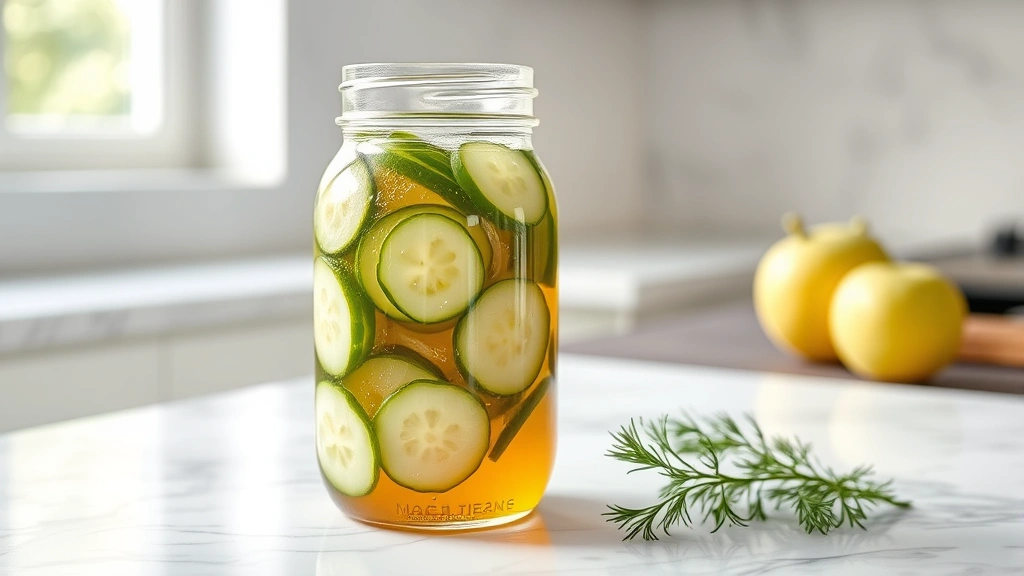
This cucumber onion vinegar recipe is an absolute game-changer for your kitchen! It’s the perfect tangy condiment that brings brightness to salads, sandwiches, and so much more. I absolutely love making this at home because it’s incredibly simple, budget-friendly, and tastes infinitely better than anything you can buy at the store.
What I adore most about this recipe is its versatility. You can use it on pasta dishes, drizzle it over grilled vegetables, or use it as a marinade for chicken and fish. The combination of crisp cucumbers and sweet onions creates this beautiful harmony of flavors that’s both refreshing and sophisticated. It’s the kind of condiment that makes you feel like you’re eating at a fancy restaurant, but you made it right in your own kitchen!
I grew up watching my grandmother make pickled vegetables, and while this vinegar isn’t quite the same as traditional pickling, it captures that same spirit of preservation and flavor development. The beauty of this recipe is that it requires absolutely no special equipment or canning knowledge. Just fresh ingredients, a clean jar, and a little patience.
This recipe is perfect for meal prep too! Make a big batch at the beginning of the week, and you’ll have it on hand for quick flavor boosts throughout your cooking. Whether you’re making pickled red onions or looking to complement your chicken alfredo, this vinegar is your secret weapon.
The key to the best cucumber onion vinegar is using the freshest ingredients possible. I always buy my cucumbers and onions from the farmers market when I can, and I use a good quality vinegar as the base. White vinegar works beautifully, but you could also experiment with apple cider vinegar or white wine vinegar depending on what flavor profile you’re going for.
One of my favorite ways to use this vinegar is on grilled shishito peppers – the acidity cuts through the richness perfectly! I also love it on creamy alfredo dishes to add a bright, fresh counterpoint to the richness.
Making your own cucumber onion vinegar is honestly so much more economical than buying it pre-made, and it stores beautifully in your pantry for months. Plus, it makes an absolutely gorgeous homemade gift for the food lovers in your life! The golden color and visible cucumbers and onions make it look like you spent hours on it, but it’s truly one of the easiest recipes you’ll ever make.
I hope you love this recipe as much as I do. It’s become a staple in my kitchen, and I’m confident it will become one of yours too! Let me know how you use it – I’d love to hear your favorite ways to enjoy this delicious vinegar.
For more inspiration on vinegar-based recipes, check out Bon Appétit’s vinegar collection or Serious Eats’ pickling guide. You might also enjoy New York Times Cooking for more condiment ideas, and explore Bon Appétit’s vinaigrette recipes to use your homemade vinegar in new ways, or Serious Eats’ pickling techniques for more preservation inspiration!
Ingredients
- 2 cups fresh cucumbers, thinly sliced (about 2-3 medium cucumbers)
- 1 large yellow onion, thinly sliced
- 2 cups white vinegar (or apple cider vinegar)
- 2 tablespoons sugar
- 1 tablespoon salt
- 1 teaspoon mustard seeds
- 1 teaspoon black peppercorns
- 3-4 fresh dill sprigs (optional but recommended)
- 2 cloves garlic, smashed
- 1/2 teaspoon red pepper flakes (optional, for a little heat)
Instructions
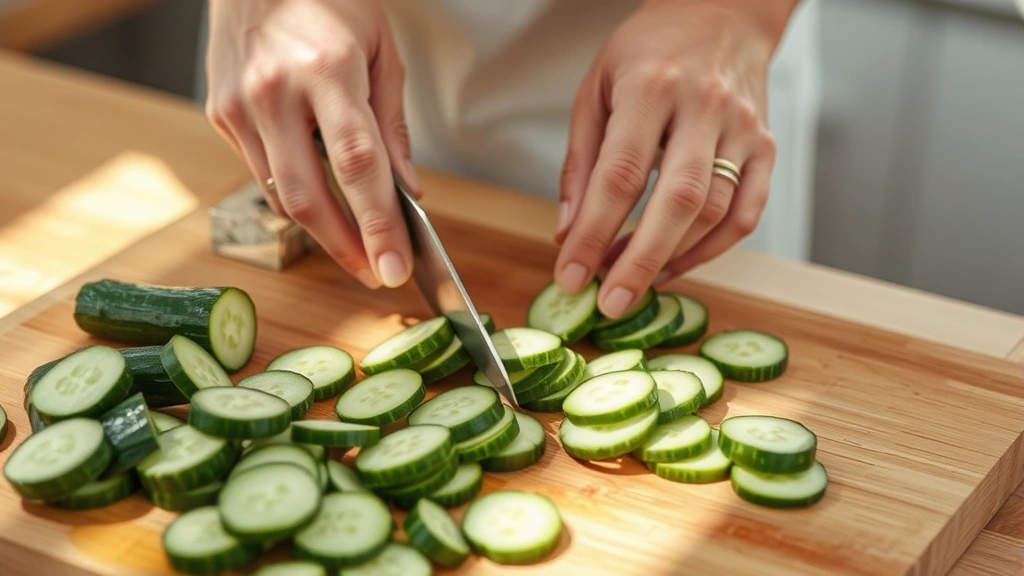
- Start by preparing your ingredients. Wash your cucumbers thoroughly under cool running water and pat them dry completely with a clean kitchen towel. Slice them into thin, even rounds – this helps them infuse with flavor more quickly and evenly. The thinner you slice them, the faster they’ll absorb all those delicious vinegar flavors.
- Peel your onion and slice it into thin half-moons. Try to make the slices as uniform as possible so they cook and infuse at the same rate. Set both your cucumbers and onions aside in a clean bowl.
- Find a clean glass jar – a quart-sized Mason jar works perfectly for this recipe. You want glass rather than plastic because vinegar can react with plastic over time. Make sure your jar is completely clean and dry before you begin.
- In a medium saucepan, combine your white vinegar, sugar, salt, mustard seeds, black peppercorns, smashed garlic cloves, and red pepper flakes if you’re using them. Stir everything together over medium heat until the sugar and salt are completely dissolved. You don’t need to bring it to a boil – just heat it until you see steam rising from the surface.
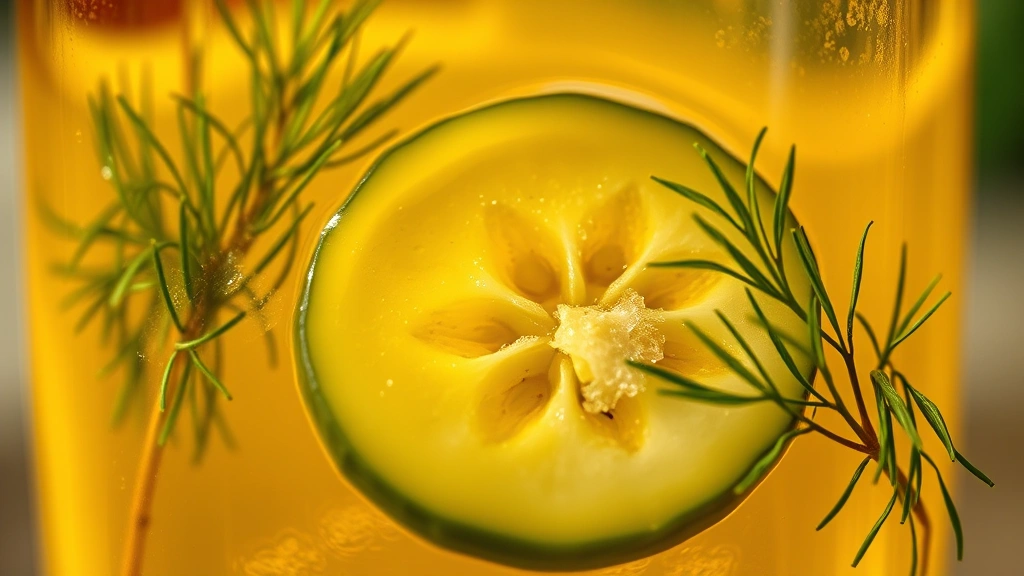
- While your vinegar mixture is heating, layer your sliced cucumbers and onions into your clean glass jar, alternating between the two. Add the fresh dill sprigs as you go if you’re using them – they add such a beautiful flavor. Fill the jar until you’ve used all your vegetables, leaving about an inch of space at the top.
- Once your vinegar mixture has cooled for about 2-3 minutes (you want it hot but not scalding), carefully pour it over the cucumbers and onions in your jar. Make sure all the vegetables are completely covered with the vinegar liquid. If needed, use a clean spoon or fork to gently push the vegetables down so they’re submerged.
- Allow the jar to cool completely to room temperature before sealing it. This usually takes about 30-45 minutes. Once it’s cool, seal the jar tightly with its lid.
- Place your jar in a cool, dark pantry or cupboard. This is when the magic happens! The cucumbers and onions will begin infusing with all those wonderful vinegar flavors. Let it sit for at least 3 days, but ideally 5 days, before opening and tasting it.
- After 3-5 days, open your jar and taste a small spoonful. You can use it immediately if you like the flavor, or let it infuse longer if you want it more intense. Remember that the longer it sits, the softer the vegetables will become, but the flavor will only get better.
- Once you’re happy with the flavor, you can eat it right from the jar, or strain out the vegetables and reserve just the vinegar for use in dressings and marinades. Both options are delicious – it really depends on how you plan to use it!
- Store your finished cucumber onion vinegar in the refrigerator or a cool pantry. It will keep for several months, though the flavor is absolutely best within the first month or two when the vegetables are still relatively firm.
Pro Tips
- This recipe is completely customizable! Feel free to add other vegetables like bell peppers, carrots, or jalapeños for different flavor profiles. Just maintain the same ratio of vegetables to vinegar.
- If you prefer a sweeter vinegar, add an extra tablespoon of sugar. If you like it more tangy, use an extra 1/2 cup of vinegar or reduce the sugar by half.
- Fresh dill is absolutely wonderful in this recipe, but you could also experiment with other fresh herbs like tarragon, basil, or cilantro depending on what flavors you enjoy.
- The vegetables will soften over time in the vinegar. If you prefer them to stay crispier, strain out the vegetables after 3-4 days and keep just the vinegar in the jar. The vinegar will maintain its flavor for months.
- This recipe makes a perfect homemade gift! Simply pour it into a decorative jar with a pretty label describing the contents and any suggested uses. Your friends will absolutely love it.
- You can use different types of vinegar as your base. White vinegar is the most classic choice, but apple cider vinegar adds a slightly fruity note, and white wine vinegar creates a more sophisticated flavor.
- Don’t throw away the cucumbers and onions after straining! They make a delicious topping for sandwiches, burgers, hot dogs, or salads. You can also chop them up and mix them into cream cheese for a unique spread.
- For a spicier version, add 3-4 whole Thai chilis or increase the red pepper flakes to 1 full teaspoon. You could also add sliced jalapeños for a fresher heat.
- Make sure your jar is completely clean and dry before starting. Any residual water or food particles can affect both the flavor and shelf life of your vinegar.
- This vinegar is perfect as a base for vinaigrettes, as a marinade for meats and vegetables, drizzled over roasted vegetables, or even as a finishing touch on soups and stews.
- If you notice any cloudiness or strange smells developing, discard the batch as it may have spoiled. Properly made vinegar should stay clear and smell pleasantly tangy.