
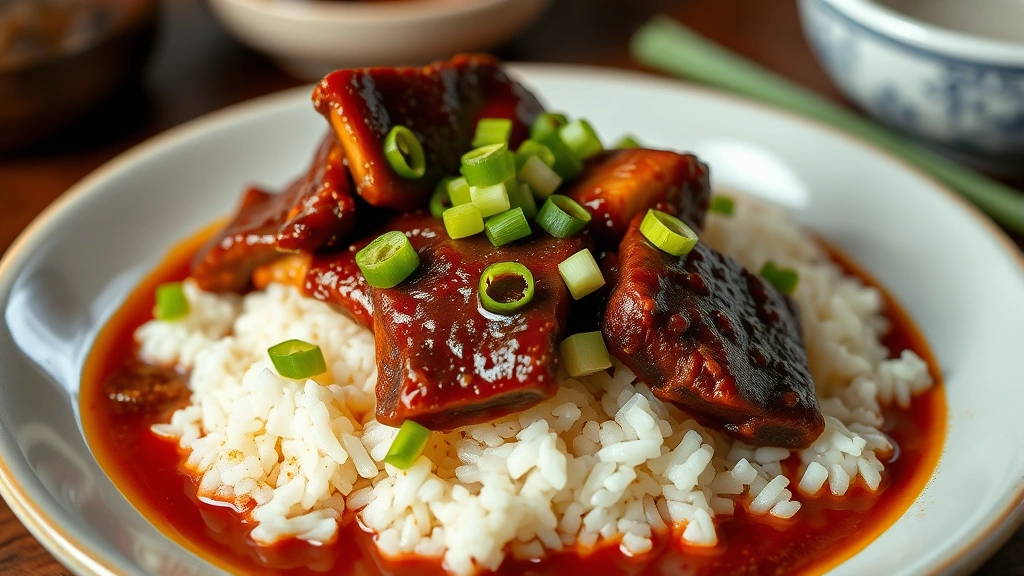
Humba is a beloved Filipino braised pork dish that’s deeply savory, slightly sweet, and absolutely irresistible. This traditional recipe features tender pork belly slow-cooked in a rich sauce made with soy sauce, vinegar, and warm spices like bay leaves and black pepper. It’s the kind of comfort food that brings families together and tastes even better the next day.
What makes humba so special is its perfect balance of flavors—the umami richness of soy sauce combined with the tangy brightness of vinegar creates a sauce that’s complex and crave-worthy. The pork becomes fall-apart tender after hours of braising, and the sauce reduces into a glossy, flavorful glaze that coats every piece of meat. This is Filipino home cooking at its finest, and once you master this recipe, you’ll understand why it’s a staple at family gatherings and special occasions.
Humba is incredibly versatile and pairs beautifully with steamed white rice, making it a complete meal that satisfies from the first bite to the last. The recipe is also quite forgiving—it’s nearly impossible to overcook since the low, slow braising method ensures the pork stays moist and tender. Whether you’re cooking for a weeknight family dinner or preparing a feast for guests, humba delivers impressive results with minimal stress. I love serving this with pickled red onions on the side for a fresh contrast to the rich, savory meat.
Many Filipino cooks have their own versions of humba, and this recipe represents the classic preparation that has been passed down through generations. Some families add potatoes or hard-boiled eggs, while others keep it simple with just the pork and sauce. The beauty of humba is that it’s adaptable to your preferences and pantry staples. Once you’ve made this basic version, you’ll feel confident experimenting with your own additions and adjustments.
For best results, use pork belly with a good ratio of meat to fat—this cut becomes incredibly tender and flavorful during the long braising process. The fat renders into the sauce, creating that signature rich, glossy texture that makes humba so memorable. According to Serious Eats, braising is one of the most forgiving cooking techniques, making it perfect for home cooks of all skill levels. This recipe serves 6-8 people and actually tastes better when made a day or two ahead, making it ideal for meal prep or entertaining.
Ingredients
- 3 pounds pork belly, cut into 2-inch cubes
- 1/2 cup soy sauce
- 1/4 cup white vinegar or calamansi vinegar
- 1/4 cup brown sugar
- 8 cloves garlic, minced
- 1 medium onion, quartered
- 1 tablespoon black peppercorns, crushed
- 4 bay leaves
- 1 teaspoon salt, or to taste
- 2 tablespoons vegetable oil
- 2 cups water or chicken broth
- 1/2 teaspoon ground ginger (optional)
- 2-3 medium potatoes, cubed (optional)
- Fresh green onions for garnish
Instructions
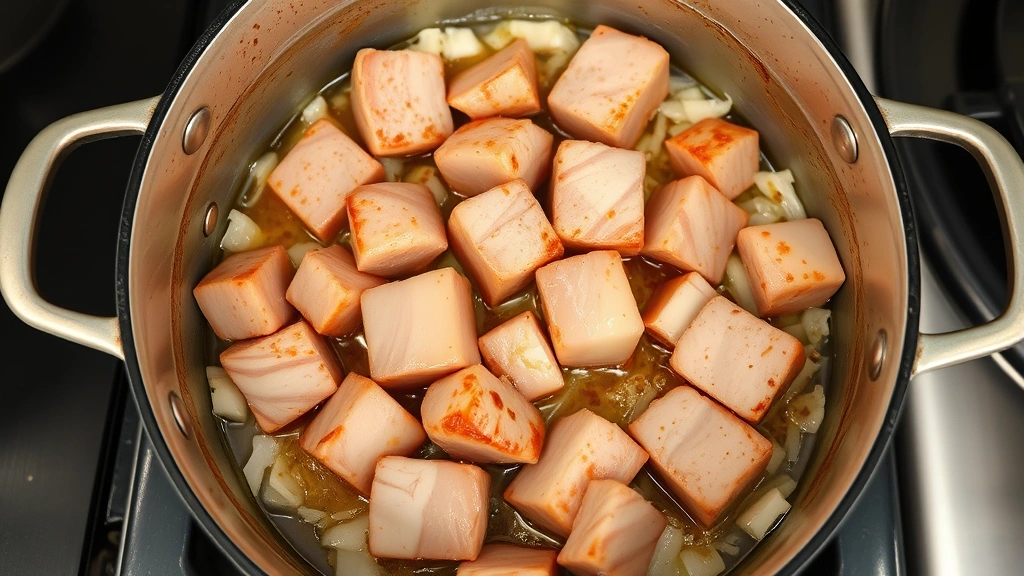
- Heat the vegetable oil in a large, heavy-bottomed pot or Dutch oven over medium-high heat. Working in batches to avoid crowding the pan, brown the pork belly cubes on all sides until they develop a golden crust, about 3-4 minutes per batch. This step is crucial as it adds depth of flavor to the final dish. Transfer the browned pork to a plate and set aside.
- In the same pot, sauté the minced garlic and quartered onion until fragrant and the onion begins to soften, about 2-3 minutes. Stir frequently to prevent the garlic from burning, as burnt garlic can impart a bitter taste to your humba.
- Return the browned pork to the pot, stirring gently to combine with the garlic and onion mixture. Let everything cook together for about 1 minute to marry the flavors.
- Add the soy sauce, vinegar, brown sugar, crushed black peppercorns, bay leaves, salt, and ginger (if using). Stir well to dissolve the sugar and evenly coat the pork with the sauce.
- Pour in the water or chicken broth, making sure the pork is mostly submerged in the liquid. If needed, add a bit more liquid to ensure the pork has enough braising liquid.
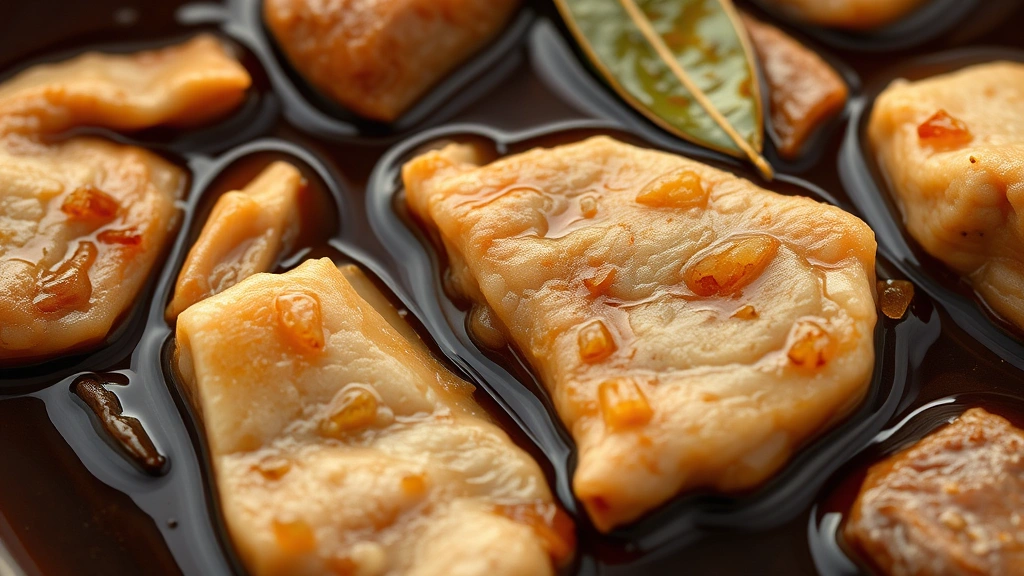
- Bring the mixture to a boil, then immediately reduce the heat to low. Cover the pot with a lid, leaving it slightly ajar to allow some evaporation, and simmer gently for about 1 hour 30 minutes to 2 hours, until the pork is very tender and easily pierced with a fork.
- If using potatoes, add them to the pot during the last 30 minutes of cooking so they have time to become tender but don’t fall apart. Stir occasionally and skim off any excess fat that rises to the surface if desired, though some of this fat contributes to the sauce’s richness.
- After the pork has cooked for about 1 hour 30 minutes, taste the sauce and adjust the seasonings. You may want to add more soy sauce for saltiness, vinegar for tanginess, or brown sugar for sweetness, depending on your preference.
- If the sauce seems too thin and watery, increase the heat to medium and simmer uncovered for an additional 15-20 minutes, stirring occasionally, until the sauce reduces and becomes glossy and thick. The sauce should coat the back of a spoon when ready.
- Once the pork is tender and the sauce has reached your desired consistency, remove from heat. The humba can be served immediately, but it tastes even better if refrigerated for a few hours or overnight, allowing the flavors to meld and intensify.
- To reheat, simply place the pot over low heat and warm through gently, stirring occasionally. You may need to add a splash of water if the sauce has thickened too much during storage.
- Serve the humba over steamed white rice, garnished with fresh green onions. The rich, savory sauce pairs beautifully with plain rice, allowing the sauce to shine as the star of the plate.
Pro Tips
- Pork belly is the traditional cut for humba because the fat renders during cooking, creating an incredibly tender, flavorful result. If pork belly is unavailable, you can substitute with pork shoulder or pork butt, though the texture will be slightly different.
- The balance of soy sauce and vinegar is key to authentic humba flavor. The soy provides umami and saltiness, while the vinegar adds brightness and prevents the dish from becoming too heavy.
- Brown sugar is traditional, but you can substitute with palm sugar (muscovado) for a more authentic Filipino flavor. Regular white sugar can also be used if that’s what you have on hand.
- For extra depth, try adding 1-2 tablespoons of soy sauce during the last 15 minutes of cooking. Some cooks also add a splash of fish sauce for additional umami complexity.
- Humba freezes beautifully for up to 3 months, making it perfect for meal prep. Cool completely before transferring to freezer containers or bags. Thaw overnight in the refrigerator before reheating.
- Common additions include hard-boiled eggs added during the last 10 minutes of cooking, or potatoes as mentioned in the recipe. Some families also add liver or kidney for extra richness, though this is less common in modern preparations.
- Crushed black peppercorns add more texture and flavor than ground pepper. If you don’t have a mortar and pestle, you can crack them with the bottom of a heavy skillet.
- The longer humba sits, the better it tastes as the flavors continue to develop. Many families make this dish 2-3 days in advance and reheat it for serving.
- This dish pairs beautifully with creamy side dishes or with pickled vegetables for contrast. The acidity of pickled red onions cuts through the richness beautifully.
- For a lighter version, you can use pork loin instead of belly, though the texture will be less tender and moist. Reduce cooking time by about 30 minutes if using a leaner cut.
- According to New York Times Cooking, braising is an excellent technique for developing complex flavors in meat dishes. The long, slow cooking breaks down connective tissue and allows flavors to meld beautifully.
- If your sauce becomes too thick, thin it with a splash of water or broth. If it’s too thin, simmer uncovered to reduce. The sauce should be thick enough to coat the meat but still have some fluidity.
- Bay leaves should be removed before serving, as they’re not meant to be eaten. Count them as you add them so you can account for them all.