
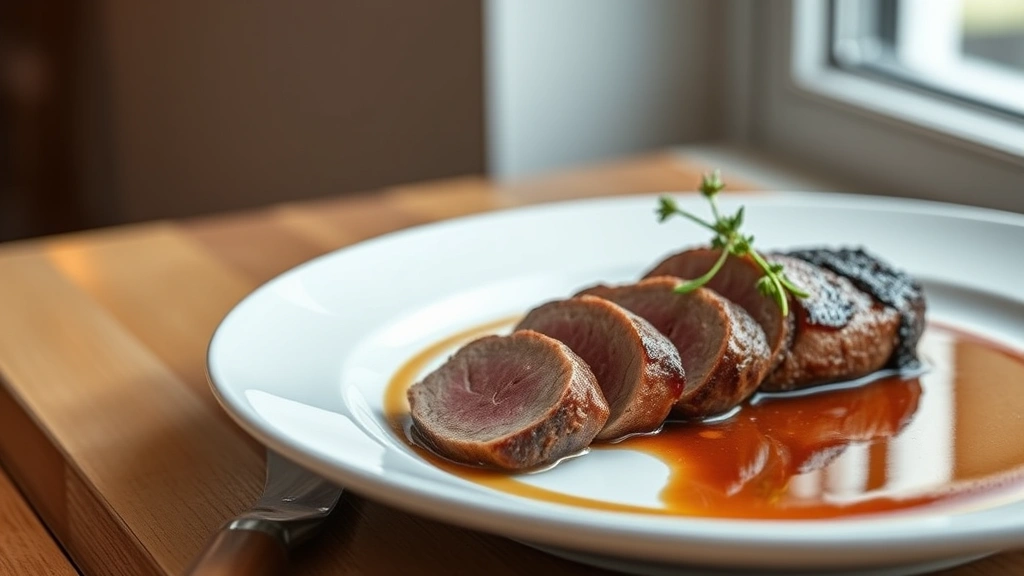
There’s something truly special about preparing deer tenderloin at home—it’s a dish that feels both elegant and deeply satisfying. This beautiful cut of venison is incredibly lean and tender, making it perfect for a show-stopping dinner that will have your guests asking for the recipe. The key to perfection is respecting the meat’s delicate nature and using simple, complementary flavors that let the venison shine.
Deer tenderloin is one of the most prized cuts from a harvested deer, and for good reason. It’s incredibly tender with a subtle, slightly gamey flavor that pairs beautifully with rich sauces and bold seasonings. Unlike tougher cuts that require long braising, this premium cut benefits from quick, high-heat cooking that creates a beautiful crust while keeping the interior perfectly pink and juicy.
In this comprehensive guide, I’m sharing my go-to method for creating restaurant-quality deer tenderloin right in your own kitchen. We’ll cover everything from selecting and preparing your meat, to seasoning techniques, cooking temperatures, and plating suggestions. Whether you’re a seasoned hunter looking to elevate your wild game dishes or someone new to cooking venison, this recipe will help you achieve stunning results every single time.
The beauty of this preparation is its versatility. You can serve it alongside elegant sides like roasted shishito peppers for a modern twist, or pair it with a creamy heavy cream Alfredo sauce for something more traditional. You could even create a composed plate with fresh greens like you’d find in a chickpea salad. The options are truly endless, and that’s what makes this recipe so special—it’s a canvas for your culinary creativity.
I’ve tested this recipe countless times, and I’m confident that following these steps will result in a perfectly cooked, restaurant-quality deer tenderloin every single time. The technique is straightforward, but the results are absolutely stunning. Let me walk you through exactly how to achieve venison perfection.
For more inspiration on elegant protein preparations, check out this easy chicken Alfredo recipe that uses similar searing and sauce techniques. You might also enjoy exploring heavy cream pasta recipes that would pair beautifully with leftover venison if you’re preparing extra. Now, let’s create something absolutely delicious!
For external inspiration and technique verification, I recommend checking Bon Appétit’s venison steak techniques and Serious Eats’ comprehensive venison guide. The New York Times venison with mushroom sauce is also an excellent reference for understanding wild game preparation. These resources will deepen your understanding of venison cookery and help you troubleshoot any questions that arise.
Ingredients
- 2 pounds deer tenderloin, trimmed of silverskin and excess fat
- 2 tablespoons kosher salt
- 1 tablespoon freshly ground black pepper
- 2 teaspoons garlic powder
- 1 teaspoon dried thyme
- 1 teaspoon dried rosemary
- 3 tablespoons high-heat cooking oil (such as avocado or grapeseed oil)
- 4 tablespoons unsalted butter, divided
- 6 cloves garlic, smashed
- 4 sprigs fresh thyme
- 4 sprigs fresh rosemary
- ½ cup beef or venison stock
- ¼ cup red wine (optional but recommended)
- 2 tablespoons Dijon mustard
- 1 tablespoon honey
- Sea salt and cracked pepper to taste
Instructions
- Remove the deer tenderloin from the refrigerator and allow it to rest at room temperature for 30 minutes. This is crucial for even cooking throughout the meat.
- While the meat is coming to temperature, prepare your work surface. Pat the tenderloin completely dry with paper towels—moisture is the enemy of a good crust, and removing it will help you achieve that beautiful, golden exterior.
- In a small bowl, combine the kosher salt, black pepper, garlic powder, dried thyme, and dried rosemary. Mix thoroughly to distribute the seasonings evenly.
- Rub the seasoning mixture all over the deer tenderloin, making sure to coat all sides generously. Don’t be shy here—this is what creates flavor.
- Heat your oven to 400°F. This temperature will finish cooking the venison gently after we achieve a beautiful crust on the stovetop.
- Place a cast-iron skillet or heavy-bottomed stainless steel pan over medium-high heat. Allow it to preheat for 2-3 minutes until it’s smoking hot—this is essential for proper searing.
- Add the high-heat cooking oil to the hot pan. Let it heat for about 30 seconds until it just begins to shimmer and smoke.
- Carefully place the seasoned tenderloin in the hot pan. Do not move it for the first 2-3 minutes—let it develop a beautiful, caramelized crust on one side.
- After 2-3 minutes, flip the tenderloin carefully and sear the other side for another 2-3 minutes. You should hear a satisfying sizzle when the meat hits the pan.
- Sear the remaining sides of the tenderloin, rotating every 2-3 minutes until all sides are beautifully browned. This should take about 10-12 minutes total.
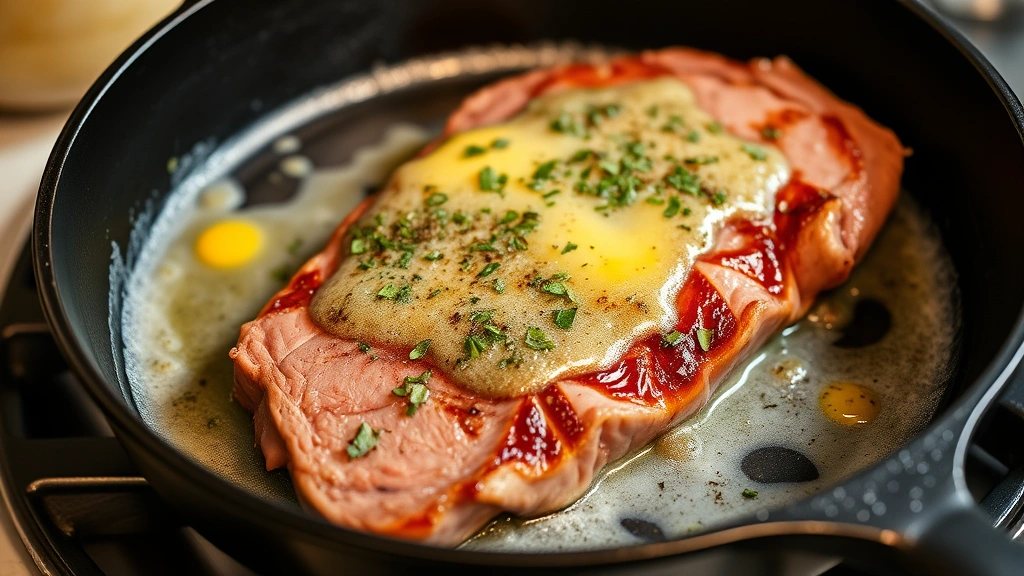
- Reduce the heat to medium and add 2 tablespoons of butter to the pan. Once melted, add the smashed garlic cloves, fresh thyme sprigs, and fresh rosemary sprigs.
- Tilt the pan toward you and baste the tenderloin with the foaming butter mixture continuously for 2-3 minutes. This adds incredible flavor and color to the meat.
- Transfer the entire skillet to the preheated 400°F oven. Cook for 8-12 minutes, depending on the thickness of your tenderloin and your desired doneness.
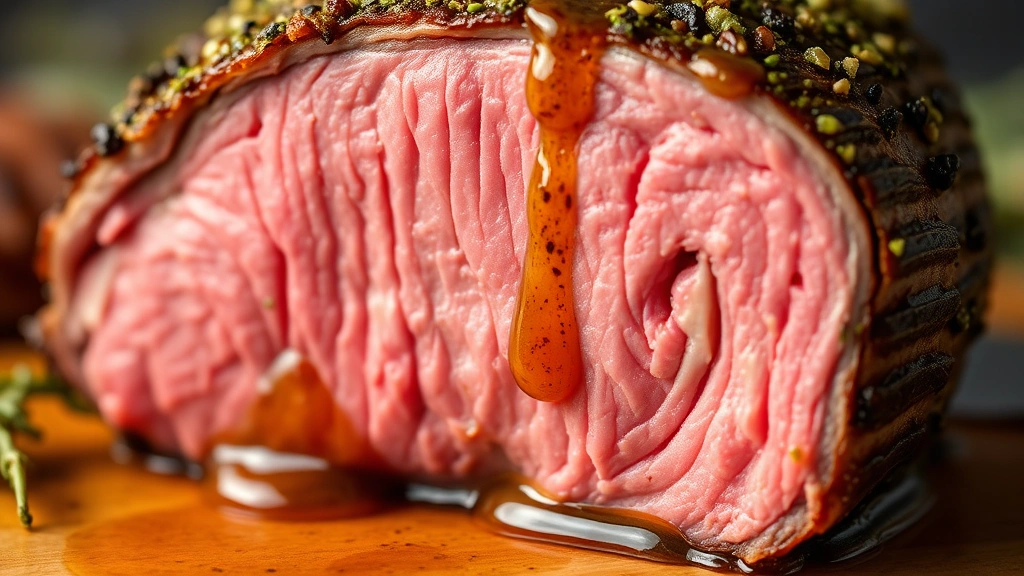
- For medium-rare (recommended for venison), aim for an internal temperature of 130-135°F when measured with a meat thermometer inserted into the thickest part of the meat.
- Remove the skillet from the oven and transfer the tenderloin to a clean cutting board. Let it rest for 5-7 minutes—this is non-negotiable as it allows the juices to redistribute throughout the meat.
- While the meat rests, place the skillet back on the stovetop over medium heat. Remove the herb sprigs and garlic cloves with a slotted spoon.
- Pour the beef or venison stock and red wine (if using) into the pan, scraping up all the delicious browned bits from the bottom. These are pure flavor.
- Let the liquid reduce by half, which should take about 3-4 minutes. Stir in the Dijon mustard and honey, whisking until smooth.
- Add the remaining 2 tablespoons of butter to the sauce and whisk until it’s fully incorporated and the sauce is glossy and rich.
- Taste the sauce and adjust the seasoning with sea salt and cracked pepper as needed.
- Slice the rested venison tenderloin into ½-inch to ¾-inch thick slices, cutting against the grain for maximum tenderness.
- Arrange the sliced venison on a serving platter or individual plates. Spoon the warm pan sauce over the top and serve immediately while everything is hot.
Pro Tips
- Silverskin Removal: Before cooking, carefully trim away the thin, silver-colored connective tissue covering the tenderloin using a sharp knife. This tissue won’t break down during cooking and creates an unpleasant texture. A thin blade works best for this task.
- Temperature Control: Venison is extremely lean, meaning it can become tough if overcooked. Invest in a good meat thermometer and don’t be afraid to remove the meat at 130-135°F for medium-rare. The residual heat will continue cooking it as it rests.
- Resting Period: This is absolutely crucial and shouldn’t be skipped. The resting period allows muscle fibers to relax and reabsorb the juices, resulting in incredibly tender, juicy meat. Set a timer so you don’t forget!
- Oil Selection: Use an oil with a high smoke point such as avocado oil, grapeseed oil, or refined vegetable oil. Extra virgin olive oil will burn at these temperatures and won’t give you the crust you want.
- Pan Choice: Cast iron is ideal because it retains heat beautifully and can go from stovetop to oven seamlessly. If using stainless steel, ensure the handle is oven-safe before transferring to the oven.
- Source of Venison: If you’re not a hunter, quality venison is increasingly available from specialty butchers, farmers markets, and online retailers. Look for bright red color and avoid any with an overly gamey smell.
- Wine Pairing: Pair this dish with a full-bodied red wine such as a Burgundy, Cabernet Sauvignon, or Pinot Noir. The tannins complement the rich venison beautifully.
- Make-Ahead Options: You can prepare the seasoning mixture up to 24 hours in advance. Season the meat just before cooking for best results.
- Storage: Leftover venison can be refrigerated in an airtight container for up to 3 days. Reheat gently in a low oven to avoid overcooking.
- Scaling the Recipe: This recipe can be easily doubled or halved depending on your needs. Simply adjust cooking times slightly if working with a larger piece of meat.