
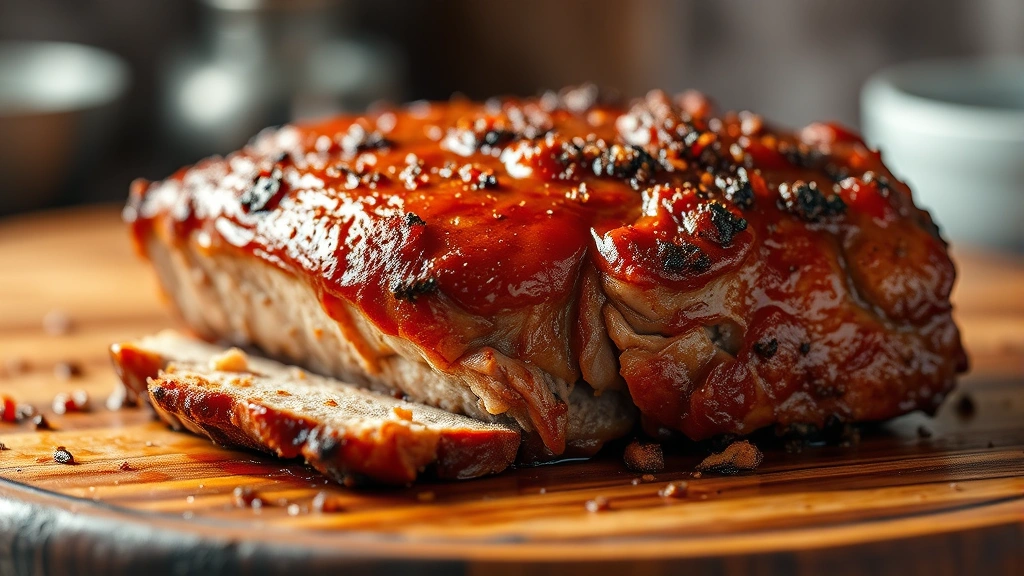
There’s nothing quite like the aroma of perfectly seasoned BBQ coming off the grill, and honestly, it all starts with an incredible dry rub. After years of experimenting with different flavor combinations, I’ve finally perfected the ultimate dry rub recipe that transforms any cut of meat into pure BBQ magic. This is the same blend I use for everything from brisket to ribs to chicken, and it never fails to impress.
What makes a truly exceptional dry rub? It’s all about balance—you need sweetness to complement the savory spices, a hint of heat to keep things interesting, and enough depth to make people ask what your secret ingredient is. This recipe checks all those boxes and then some. The beauty of a quality dry rub is that it creates an incredible bark on your meat while keeping the inside incredibly juicy and flavorful.
I’ve tested this formula at family gatherings, backyard competitions, and casual weeknight cookouts, and the results are consistently outstanding. Whether you’re smoking low and slow or grilling hot and fast, this dry rub adapts beautifully to any cooking method. The key is understanding how each ingredient contributes to the final flavor profile—the brown sugar adds caramelization, the paprika brings color and mild sweetness, and the combination of spices creates a complex, restaurant-quality seasoning that’ll make your guests think you’ve been doing this for decades.
One thing I love about this dry rub is its versatility. While it’s perfect for traditional BBQ cuts, I also use it on grilled vegetables, roasted chicken, and even as a finishing salt for burgers. Once you master this base recipe, you’ll find yourself reaching for it again and again. Check out my Quick Tasty Bacon Carbonara Recipe and Best Heavy Cream Alfredo Sauce Recipe for other flavor-packed dishes that are equally impressive.
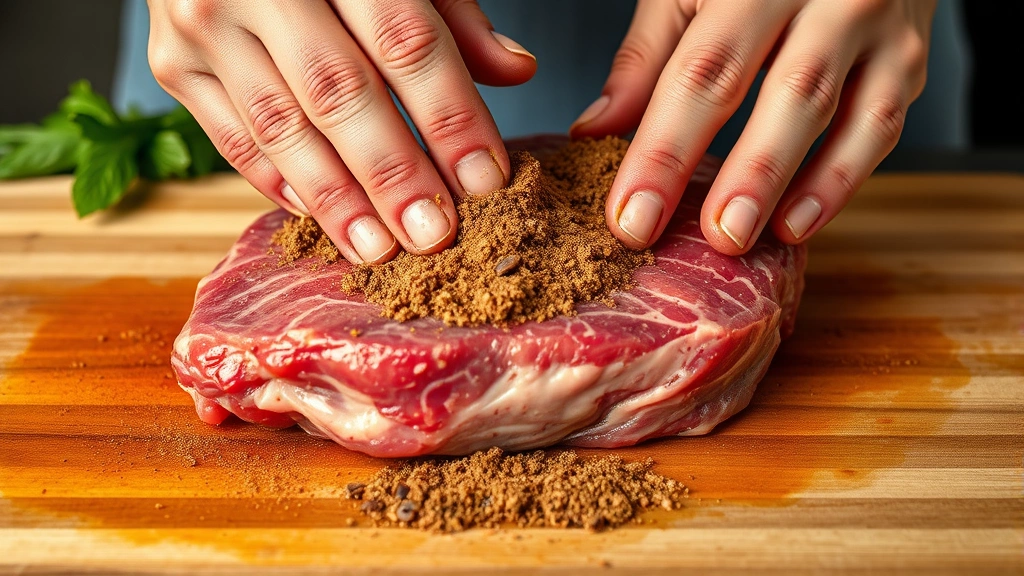
The technique for applying the rub is just as important as the rub itself. You want to massage it thoroughly into the meat, making sure every surface is covered and the seasoning really adheres. I recommend applying it at least 30 minutes before cooking, but overnight is even better—it allows the flavors to penetrate deeper and creates an even more impressive bark. This dry rub recipe makes enough for multiple uses, so you can keep it on hand for your next backyard gathering. For more delicious sides and accompaniments, don’t miss my Delicious Heavy Cream Pasta Recipe, Perfect Pickled Red Onions Recipe, and Best Shishito Peppers Recipe for the perfect finishing touches.
For more inspiration and techniques, check out Serious Eats and Bon Appétit for advanced BBQ methods. You can also explore The New York Times Cooking for additional seasoning inspiration and techniques that will elevate your BBQ game even further.
Ingredients
- ½ cup packed brown sugar
- ¼ cup paprika (smoked or sweet)
- 3 tablespoons kosher salt
- 2 tablespoons freshly ground black pepper
- 2 tablespoons garlic powder
- 2 tablespoons onion powder
- 1 tablespoon chili powder
- 1 tablespoon cumin
- 1 tablespoon mustard powder
- 1 teaspoon cayenne pepper
- 1 teaspoon ground ginger
- 1 teaspoon dried thyme
- ½ teaspoon ground coriander
- ½ teaspoon smoked paprika (if using sweet paprika above)
Instructions
- In a large mixing bowl, combine the brown sugar and smoked paprika, breaking up any clumps in the brown sugar with the back of a spoon or fork until the mixture is smooth and well combined.
- Add the kosher salt, freshly ground black pepper, garlic powder, and onion powder to the bowl, stirring well to combine all ingredients evenly.
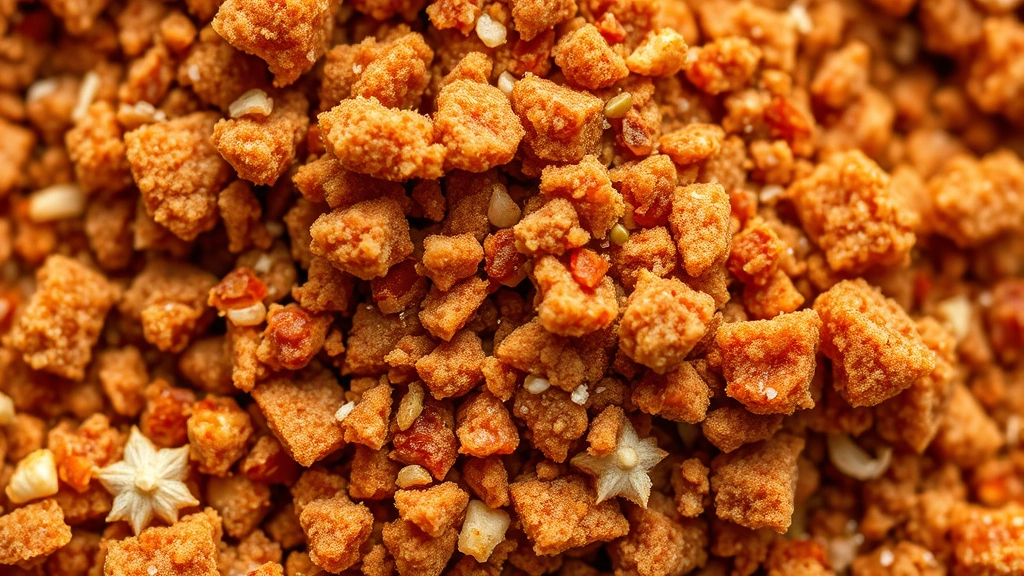
- Stir in the chili powder, cumin, mustard powder, cayenne pepper, ground ginger, dried thyme, ground coriander, and additional smoked paprika, mixing thoroughly until you have a uniform, well-blended dry rub with no visible clumps.
- If you prefer a finer texture, pulse the mixture in a food processor 3-4 times for a few seconds until the larger brown sugar pieces are broken down, being careful not to over-process or create a paste.
- Transfer the dry rub to an airtight container or mason jar and store in a cool, dark place for up to 6 months, though it’s best used within 3 months for maximum flavor potency.
- When ready to use on meat, pat the surface of your protein completely dry with paper towels to ensure the rub adheres properly and creates a better bark.
- Generously coat all sides of the meat with the dry rub, using about 3-4 tablespoons per pound of meat, pressing gently to ensure the seasoning sticks to the surface.
- Massage the rub thoroughly into the meat using your fingers, working it into every crevice and making sure complete coverage is achieved for even cooking and flavor distribution.
- Allow the seasoned meat to rest at room temperature for at least 30 minutes before cooking, or refrigerate uncovered overnight for deeper flavor penetration and better bark formation.
- Cook your meat according to your preferred method—smoking, grilling, or roasting—being careful not to disturb the rub during the initial cooking phase to allow the bark to form properly.
Pro Tips
- This dry rub recipe is completely customizable based on your personal preferences and heat tolerance. If you prefer less heat, reduce the cayenne pepper to ½ teaspoon or omit it entirely. For those who love spice, increase it to 1½ teaspoons.
- The brown sugar is essential for creating that beautiful caramelized bark that makes BBQ so visually appealing and delicious. Don’t skip it or substitute with white sugar, as the molasses content in brown sugar is crucial for proper caramelization and adds depth of flavor.
- For a sweeter rub, increase the brown sugar to ¾ cup. For a more savory, less sweet version, reduce it to ⅓ cup. This is completely flexible based on your BBQ style preferences.
- Make this rub in batches and store in airtight containers as gifts for BBQ-loving friends and family. Label them with cooking instructions and serving suggestions for a thoughtful, personalized present.
- The mustard powder adds a subtle tang and helps the rub adhere to the meat while adding complexity to the flavor profile. Don’t overlook this ingredient—it makes a significant difference.
- If you’re cooking for someone with a sodium sensitivity, you can reduce the kosher salt to 2 tablespoons, though this will impact the overall flavor balance and preservation qualities if storing.
- This rub works exceptionally well on pork ribs, beef brisket, chicken breasts, turkey legs, and even fish. Experiment with different proteins to find your favorite application.
- The ratio of spices can be adjusted based on what’s in your pantry, but try to maintain the basic structure of brown sugar as your base, paprika for color and flavor, and the supporting cast of spices for depth and complexity.
- Fresh spices make a tremendous difference in the final flavor. If your spices have been sitting in your cabinet for over a year, consider replacing them with fresh versions for the most vibrant, flavorful results.
- Apply the rub the night before cooking for the most impressive results. The extended contact time allows the flavors to penetrate the meat and creates a superior bark during the cooking process.