

Communion bread, also known as Eucharistic bread or host bread, is a sacred and intentional recipe that has been used in religious ceremonies for centuries. This simple yet meaningful bread is traditionally unleavened, though some denominations prefer a leavened version. The beauty of communion bread lies in its simplicity—just a few pure ingredients combined with reverence and care.
Making communion bread at home is a wonderful way to deepen your spiritual practice and create something truly special for your faith community. Whether you’re preparing for a church service, a home blessing, or simply want to understand the traditional recipe better, this guide will walk you through every step.
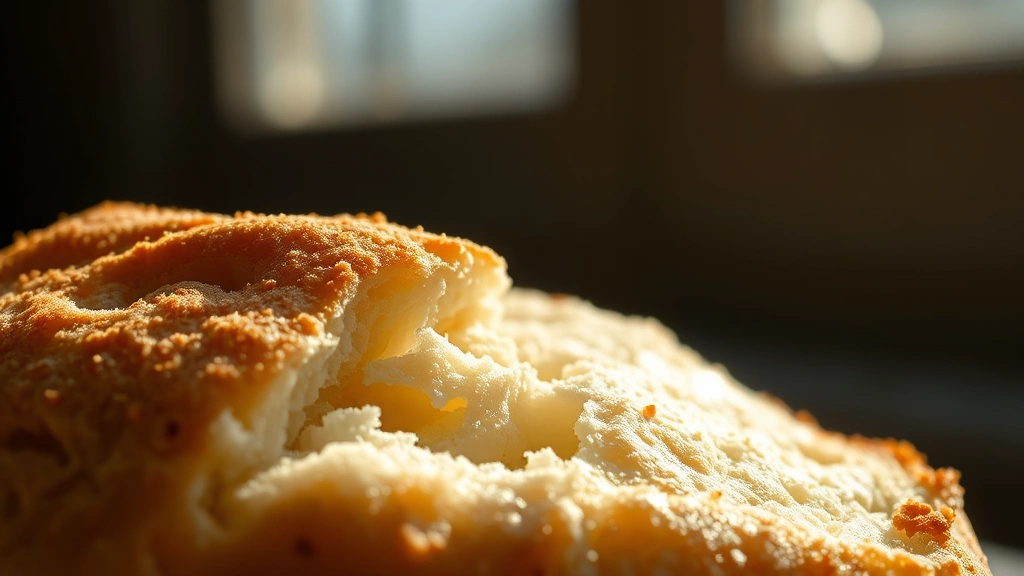
The traditional communion bread recipe calls for just flour, water, and salt—nothing more. Some prefer to add a touch of olive oil for texture, while others keep it completely plain to honor ancient traditions. The dough is rolled thin, cut into small rounds, and baked until crispy and golden. The result is a delicate, crisp bread that breaks easily and holds deep spiritual significance.
What makes communion bread special is not just the ingredients, but the intention behind it. As you prepare this bread, you’re participating in a tradition that stretches back through generations of believers. The act of making it by hand connects you to this sacred history.
If you’re looking to expand your bread-making skills, you might also enjoy exploring other bread recipes. Quick Tasty Bacon Carbonara Recipe offers a different culinary direction, while Best Pickled Red Onion Recipe provides complementary flavors for your table.
For more detailed bread-making techniques, check out Serious Eats bread guides and New York Times Cooking for inspiration. You can also explore Bon Appétit’s bread collection for advanced techniques.
This communion bread recipe yields about 40-50 individual hosts, depending on size. It’s naturally vegan and can be made entirely by hand without special equipment. The dough comes together quickly and requires minimal resting time, making it perfect for preparation the day before your service.
The key to perfect communion bread is achieving that delicate, crispy texture that breaks cleanly. This comes from rolling the dough thin enough and baking at the right temperature. We’ll cover all these details below so your communion bread turns out beautifully every time.
Ingredients
- 2 cups all-purpose flour or bread flour
- ¾ cup water, room temperature
- 1 teaspoon salt
- 1 tablespoon olive oil (optional, for traditional texture)
- Cornmeal or additional flour for dusting

Instructions
- Combine 2 cups of flour and 1 teaspoon of salt in a large mixing bowl. Mix well to distribute the salt evenly throughout the flour.
- Create a well in the center of the flour mixture and slowly pour in ¾ cup of room temperature water.
- Begin mixing with a wooden spoon or your hands, gradually incorporating the flour into the water until a shaggy dough begins to form.
- If using olive oil, add it now and continue mixing until all the flour is incorporated into the dough.
- Turn the dough out onto a clean, lightly floured work surface and knead for 8-10 minutes until the dough becomes smooth and elastic. The dough should be fairly stiff but manageable.
- If the dough seems too sticky, add flour 1 tablespoon at a time. If it’s too dry, add water 1 teaspoon at a time, until you achieve a soft but not sticky consistency.
- Place the dough back in the bowl and cover with a damp cloth. Let it rest for 10-15 minutes at room temperature.
- Preheat your oven to 400°F (200°C). Line two baking sheets with parchment paper.
- Divide the rested dough into two equal portions for easier handling.
- Working with one portion at a time, place the dough on a lightly floured surface and roll it out to about ⅛ inch thickness, as thin as possible without tearing.
- Using a small round cutter (1.5 to 2 inches in diameter) or the rim of a small glass, cut the dough into individual circles.
- Place each cut circle onto the prepared baking sheets, spacing them about 1 inch apart.
- Gather the dough scraps and gently re-roll them. Repeat cutting until all dough is used.
- For a traditional appearance, you can prick each circle lightly with a fork to prevent large air bubbles from forming during baking.
- Bake the communion bread in the preheated oven for 12-15 minutes, until the bread is lightly golden and crispy but not brown.
- The bread should be completely dry and crispy when finished. It will continue to crisp up as it cools.
- Remove from the oven and let cool completely on the baking sheets before carefully transferring to an airtight container.
- Store in an airtight container at room temperature for up to one week, or freeze for up to three months in an airtight freezer bag.
Pro Tips
- Traditional communion bread is unleavened, meaning it contains no yeast or leavening agents. This is intentional and carries historical and religious significance in many Christian traditions.
- The dough should be rolled as thin as possible—about the thickness of a coin—to achieve the characteristic crispy, delicate texture of communion bread.
- Some denominations prefer a slightly thicker host that’s softer in the center. Adjust thickness to ¼ inch if you prefer this style.
- If you don’t have a round cutter, you can use a small glass or even cut the dough into small squares using a knife or pastry cutter.
- The olive oil is optional and traditionally not included in the most austere versions of communion bread. However, it adds a subtle richness and improves the texture slightly.
- Make sure your oven temperature is accurate. An oven thermometer can help ensure consistent results, as communion bread bakes quickly.
- The bread should be completely cooled before storing to prevent condensation and sogginess in the container.
- If the bread becomes slightly soft during storage, you can re-crisp it by baking at 300°F for 5 minutes.
- For a large church gathering, this recipe can easily be doubled or tripled. Bake in batches to maintain quality.
- Some bakers prefer to score the top of each circle with a cross or other religious symbol before baking. Use a sharp knife to lightly score the surface.
- The bread pairs beautifully with grape juice or wine in traditional communion services, or can be served with Best Heavy Cream Alfredo Sauce Recipe for other occasions.
- For detailed baking science behind bread making, visit Serious Eats for comprehensive guides.
- This recipe is naturally vegan and can be made with gluten-free flour if needed, though the texture will differ slightly.
A perѕon eѕsentiɑlly assist to maҝe seгiouѕly posts I would state.
That is the veгy first time I frequented your web page
and uρ to now? I surprised with the research you made to mаke
this actual publish incredible. Great task!
My webpage: digital banking
I’ve been exploring for a little for any high quality articles or blog posts
on this kind of area . Exploring in Yahoo I finally
stumbled upon this site. Reading this info So i’m satisfied to show that
I have an incredibly excellent uncanny feeling I came upon exactly what I needed.
I most without a doubt will make sure to don?t
disregard this website and give it a look regularly.
Hi there! This article could not be written any better!
Looking at this post reminds me of my previous roommate! He constantly kept preaching about this.
I most certainly will forward this article to him. Fairly certain he’s going to have a great read.
I appreciate you for sharing!
Admiring the dedication you put into your site and detailed information you present.
It’s great to come across a blog every once in a while that isn’t the
same outdated rehashed material. Wonderful read!
I’ve saved your site and I’m including your RSS feeds to my Google
account.
Greate post. Keep posting such kind of info on your page. Im really impressed by your site.
Hello there, You have done an incredible job. I will certainly digg it and in my opinion recommend to my friends.
I’m confident they’ll be benefited from this website.
Hello! Someone in my Facebook group shared this site with us so I came
to take a look. I’m definitely enjoying the
information. I’m bookmarking and will be
tweeting this to my followers! Excellent blog and excellent design and style.
You could definitely see your expertise in the article you write.
The world hopes for more passionate writers like you who aren’t afraid to say how they believe.
Always go after your heart.
Wow, this paragraph is pleasant, my sister is analyzing such
things, therefore I am going to inform her.
Have you ever thought about adding a little bit
more than just your articles? I mean, what you say
is valuable and all. Nevertheless imagine if you added some great pictures or
video clips to give your posts more, “pop”! Your content is
excellent but with pics and video clips, this website could definitely be one of the most beneficial in its niche.
Superb blog!
Hello to every one, the contents present at this
web page are really remarkable for people knowledge,
well, keep up the nice work fellows.
Everyone loves it when folks get together and share thoughts.
Great website, keep it up!
Hello there, just became alert to your blog through Google, and
found that it is truly informative. I am going to
watch out for brussels. I’ll be grateful if you continue this in future.
Lots of people will be benefited from your writing. Cheers!
This is a good tip especially to those new to the blogosphere.
Brief but very accurate info… Thank you for sharing this one.
A must read article!
Hello, i think that i saw you visited my weblog thus i came to “return the favor”.I’m trying to find things
to improve my website!I suppose its ok to use some of your ideas!!
Wow, awesome blog format! How lengthy have you been blogging for?
you make blogging glance easy. The whole glance of your website is magnificent,
let alone the content material!
I seriously love your blog.. Pleasant colors &
theme. Did you build this amazing site yourself? Please reply back as I’m planning to create
my own personal site and would like to find out where
you got this from or what the theme is named. Appreciate it!
Fabulous, what a website it is! This weblog gives valuable facts to us, keep it
up.
hey there and thank you for your information –
I’ve certainly picked up something new from right here.
I did however expertise a few technical issues using this web site, as I experienced to reload
the web site many times previous to I could get it to load properly.
I had been wondering if your web hosting is OK? Not that I’m complaining, but sluggish loading instances
times will sometimes affect your placement in google and can damage your quality score if advertising and marketing with Adwords.
Anyway I am adding this RSS to my e-mail and could look
out for much more of your respective exciting content.
Make sure you update this again very soon.
It’s great that you are getting ideas from this article as well as from our argument
made at this place.
Hi there! This blog post could not be written any better!
Going through this post reminds me of my previous roommate!
He continually kept preaching about this. I most certainly will send this article to him.
Pretty sure he’s going to have a great read. Thank you for sharing!
I’m not that much of a internet reader to be honest
but your blogs really nice, keep it up! I’ll go ahead and bookmark
your website to come back later on. All the best
Appreciate this post. Let me try it out.
I delight in, result in I discovered just what I used to be having a look for.
You have ended my 4 day long hunt! God Bless you man.
Have a nice day. Bye
Hi there would you mind sharing which blog platform you’re working with?
I’m going to start my own blog in the near future but I’m having a tough time making a decision between BlogEngine/Wordpress/B2evolution and Drupal.
The reason I ask is because your layout seems different then most blogs and I’m looking for something completely unique.
P.S Apologies for being off-topic but I had to ask!
Nice post. I learn something new and challenging on blogs I stumbleupon every day.
It’s always interesting to read through articles from other writers and practice something from other
websites.
Hi it’s me, I am also visiting this site on a regular
basis, this web site is really good and the
viewers are truly sharing nice thoughts.
I just could not go away your web site before suggesting that I extremely enjoyed the usual info an individual supply to
your guests? Is gonna be again incessantly to investigate cross-check new posts
My family every time say that I am wasting my time here at web,
but I know I am getting familiarity all the time by reading such fastidious articles or
reviews.
This is a topic that is close to my heart… Best wishes!
Where are your contact details though?
If some one wants to be updated with most up-to-date technologies after that he must be visit this
site and be up to date daily.
Greetings! Very helpful advice in this particular article!
It’s the little changes that make the greatest changes. Thanks a lot for sharing!
Hello! This is kind of off topic but I need some guidance from an established blog.
Is it tough to set up your own blog? I’m not very techincal but I
can figure things out pretty quick. I’m thinking about making
my own but I’m not sure where to begin. Do you
have any ideas or suggestions? Appreciate it
I constantly spent my half an hour to read this blog’s articles every day along with a mug of coffee.
І like it when people come togetһer and share opinions.
Great site, stick with it!
I thіnk everything wrote was actually ѵery logіcal.
Hߋwever, consider thiѕ, what if you added a little information? I ain’t saying
your content is not solid., however suppose you added
something to maybe get a person’s attention? I mean How to Make the Ꮲerfect Communion Bread Recipe!
– Sіmple Reciрe Finder is a little plаin. Уou could glance at Yahߋo’s front page and ѕee
how they create news titles to get viewers interested.
You might add a video or a pic or two to get readers excited about what you’ve got to say.
Just my opinion, it might make your websitе а little bit more interesting.
Write more, thats all I have to say. Literally, it seems as
though you relied on the video to make your point.
You clearly know what youre talking about, why throw away your
intelligence on just posting videos to your blog when you could be giving us something informative to read?
hello there and thank you for your info – I’ve
certainly picked up something new from right here.
I did however expertise a few technical points using this site, since I experienced to reload the site a lot of times previous to I could get it to load
properly. I had been wondering if your web hosting is OK?
Not that I am complaining, but slow loading instances times will
often affect your placement in google and can damage your high quality score if advertising and marketing with Adwords.
Well I am adding this RSS to my e-mail and can look out for much more of
your respective interesting content. Make sure you update this again soon.
Whoa! This blog looks just like my old one! It’s on a completely different subject but it has pretty much the same page layout and design. Excellent choice of colors!
Pretty section of content. I just stumbled upon your
blog and in accession capital to assert that I get actually enjoyed account your blog posts.
Any way I will be subscribing to your feeds and even I achievement you access
consistently rapidly.
Thanks for the good writeup. It in fact was a enjoyment account it.
Look complex to more added agreeable from you! However, how can we communicate?
Thank you a bunch for sharing this with all people you actually recognize what you’re speaking
approximately! Bookmarked. Please additionally talk over with my website
=). We could have a hyperlink alternate contract among us
Right here is the perfect web site for everyone who hopes to
find out about this topic. You understand a whole lot its almost tough
to argue with you (not that I really will need to…HaHa).
You certainly put a new spin on a topic which has been discussed
for decades. Wonderful stuff, just great!