
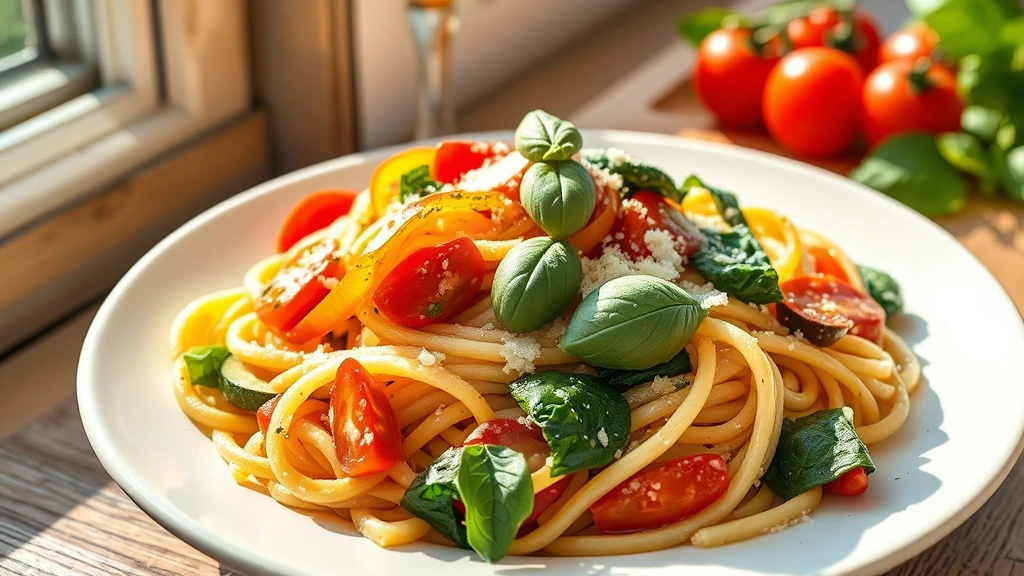
There’s something truly magical about creating a gluten-free vegetarian dish that doesn’t just satisfy dietary restrictions—it actually makes you excited to eat it! Today, I’m sharing my absolute favorite gluten-free vegetarian recipe that has become a staple in my kitchen. This isn’t just another “health food” recipe; it’s genuinely delicious, elegant enough for entertaining, and simple enough for a weeknight dinner.
I’ve been developing this recipe for years, tweaking ingredients and techniques until I got it just right. The key to making the best gluten-free vegetarian meal is understanding that you’re not trying to replicate something else—you’re creating something completely delicious on its own terms. This dish celebrates fresh vegetables, quality ingredients, and the natural flavors that shine through when you give them proper attention.
What makes this recipe stand out is the combination of textures and flavors. You get crispy, golden vegetables, a silky sauce, and tender pasta all working together in perfect harmony. I love serving this when I have vegetarian guests because everyone at the table wants seconds, regardless of their dietary preferences. The recipe is naturally gluten-free, which means no weird substitutions or compromise on taste.
One of my favorite things about this dish is how versatile it is. You can prep components ahead of time, making it perfect for busy weeknights or meal prep Sundays. I often make a double batch and enjoy it throughout the week. The flavors actually deepen after a day or two in the refrigerator, making it even better than the first night.
If you’re looking to expand your gluten-free vegetarian repertoire, I highly recommend checking out some of my other favorite recipes. My Best Heavy Cream Alfredo Sauce Recipe pairs beautifully with vegetables, and my Delicious Heavy Cream Pasta Recipe is another crowd-pleaser. For garnishing and adding brightness, try my Best Pickled Red Onion Recipe or my Best Shishito Peppers Recipe for a little extra zing.
The beauty of gluten-free vegetarian cooking is that it forces you to think more creatively about flavor building and ingredient quality. You can’t rely on heavy, gluten-laden sauces to carry a dish. Instead, you focus on fresh produce, quality oils, proper seasoning, and cooking techniques that bring out natural flavors. This approach makes you a better cook overall.
I’ve tested this recipe countless times, and I’ve refined every step to ensure success. From selecting the right vegetables to achieving the perfect sauce consistency, everything here is intentional and designed to give you restaurant-quality results at home. Whether you’re new to gluten-free cooking or you’re a seasoned pro, this recipe will become a favorite in your rotation.
The ingredient list is refreshingly simple—nothing fancy or hard to find. Everything is available at any grocery store, and most of it probably lives in your pantry already. That’s intentional because I believe the best recipes are the ones you’ll actually make regularly, and that means accessible ingredients and straightforward techniques.
For more gluten-free inspiration and vegetarian options, check out resources like Bon Appétit, Serious Eats, and New York Times Cooking for additional ideas and techniques.
Ingredients
- 1 pound gluten-free pasta (penne, rigatoni, or your favorite shape)
- 2 tablespoons extra virgin olive oil
- 3 cloves garlic, minced
- 1 medium red bell pepper, diced
- 1 medium yellow bell pepper, diced
- 2 cups cherry tomatoes, halved
- 1 medium zucchini, cut into half-moons
- 8 ounces fresh spinach
- 1/2 cup heavy cream
- 1/4 cup vegetable broth
- 1/2 cup grated Parmesan cheese
- 2 tablespoons fresh basil, chopped (plus more for garnish)
- 1 tablespoon fresh lemon juice
- Sea salt and freshly ground black pepper to taste
- Red pepper flakes for garnish (optional)
- Fresh mozzarella for serving (optional)
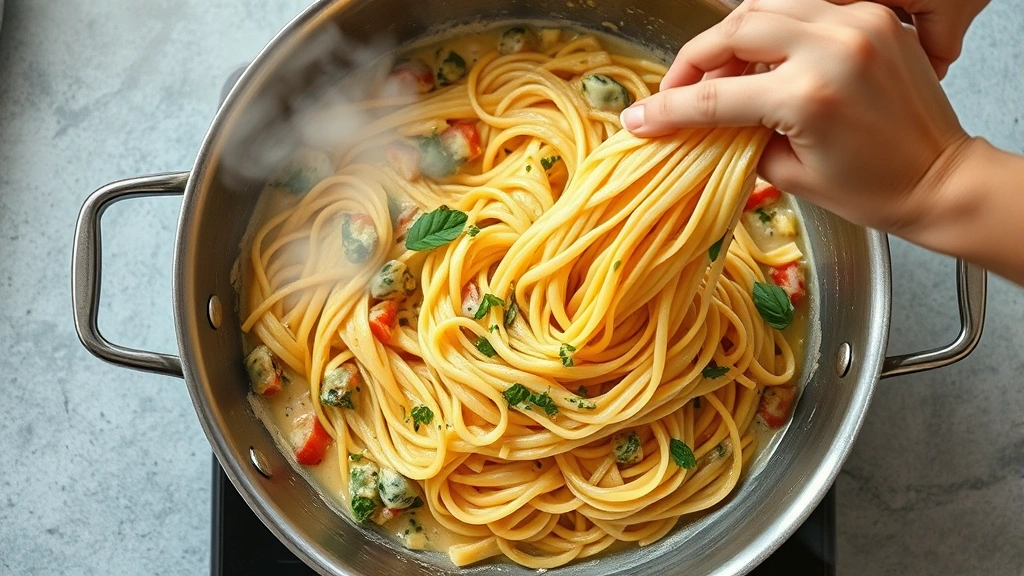
Instructions
- Bring a large pot of salted water to a rolling boil. Add the gluten-free pasta and cook according to package directions until al dente. Reserve 1 cup of pasta water before draining. Set the cooked pasta aside.
- While the pasta cooks, heat the extra virgin olive oil in a large skillet over medium-high heat. Once shimmering, add the minced garlic and sauté for about 30 seconds until fragrant, being careful not to let it brown.
- Add the diced red and yellow bell peppers to the skillet. Cook for 3-4 minutes, stirring occasionally, until the peppers begin to soften and develop light golden edges.
- Stir in the halved cherry tomatoes and sliced zucchini. Continue cooking for another 4-5 minutes, stirring gently, until the tomatoes begin to release their juices and the zucchini becomes tender-crisp.
- Add the fresh spinach to the skillet in batches, stirring each addition until wilted before adding more. This should take about 2 minutes total. The spinach will reduce significantly.
- Pour in the heavy cream and vegetable broth, stirring well to combine. Bring the mixture to a gentle simmer and cook for 2 minutes, allowing the flavors to meld.
- Reduce the heat to low and stir in the grated Parmesan cheese until completely melted and incorporated. Add the fresh chopped basil and lemon juice, stirring to combine.
- Taste the sauce and adjust seasoning with sea salt, freshly ground black pepper, and red pepper flakes as desired. Remember that Parmesan is salty, so taste before adding additional salt.
- Add the cooked pasta to the skillet with the vegetable sauce, tossing gently to coat every strand. If the sauce seems too thick, add reserved pasta water a little at a time until you reach your desired consistency.
- Transfer the finished dish to serving plates or a large serving bowl. Garnish with fresh basil, additional Parmesan cheese, fresh mozzarella if using, and a pinch of red pepper flakes.
- Serve immediately while hot, with extra lemon wedges on the side for those who want additional brightness and acidity.
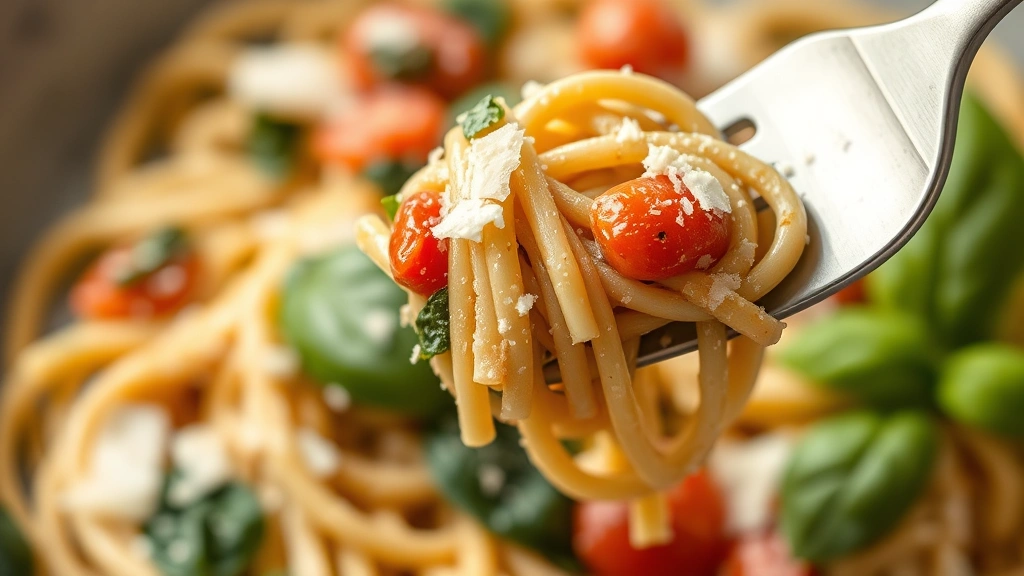
Pro Tips
- This recipe is naturally gluten-free when using certified gluten-free pasta, making it perfect for those with celiac disease or gluten sensitivity. Always check your pasta packaging to ensure certification.
- The key to perfect pasta is cooking it al dente—it should still have a slight bite to it. Overcooked pasta will become mushy when combined with the sauce.
- Don’t skip reserving pasta water! The starch in pasta water helps create a silky sauce and allows you to adjust consistency perfectly. It’s a professional trick that makes a huge difference.
- Feel free to customize the vegetables based on what you have on hand or what’s in season. Mushrooms, eggplant, asparagus, and broccoli all work beautifully in this dish.
- The lemon juice is crucial—it brightens the entire dish and cuts through the richness of the cream. Don’t omit it, and consider adding even more if you prefer extra tang.
- Make this dish ahead by preparing the vegetables and sauce separately, then combining them just before serving. Store components in separate containers in the refrigerator for up to three days.
- For a lighter version, substitute the heavy cream with half-and-half or even a combination of Greek yogurt and broth for fewer calories while maintaining creaminess.
- This recipe feeds four as a main course, but you can easily double it for larger gatherings. The cooking time remains approximately the same.
- Fresh herbs make a tremendous difference in this dish. If you don’t have fresh basil, fresh parsley works well, or try a combination of both.
- Leftover pasta keeps in an airtight container in the refrigerator for up to three days. Reheat gently on the stovetop over low heat, adding a splash of vegetable broth to restore the sauce’s consistency.
- This dish is naturally vegetarian and can easily be made vegan by substituting the heavy cream with coconut cream or cashew cream and using nutritional yeast instead of Parmesan.