
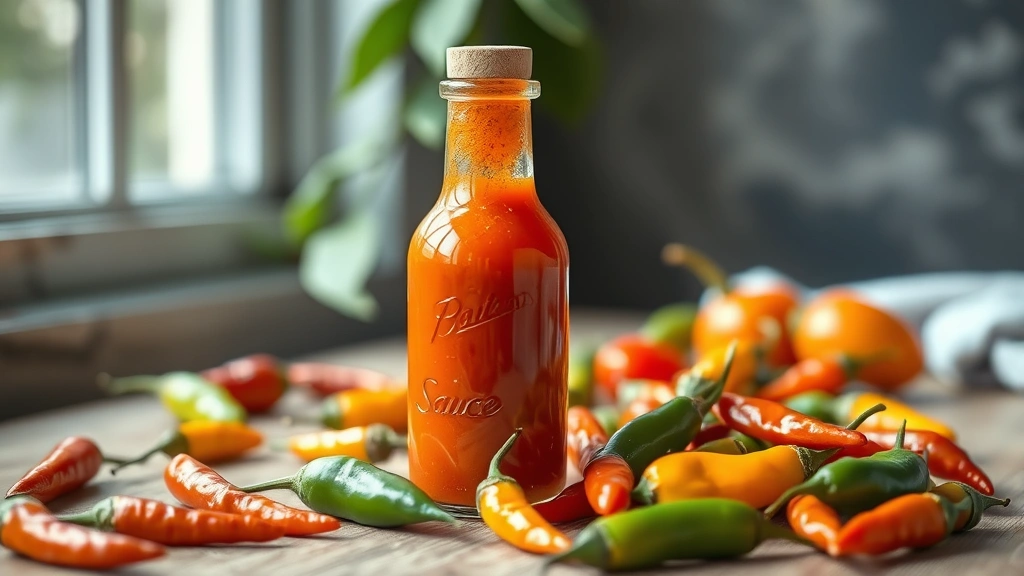
There’s nothing quite like homemade habanero hot sauce—it’s vibrant, versatile, and bursting with authentic heat and flavor that store-bought versions simply can’t match. This recipe will teach you how to create the best habanero hot sauce that’s perfect for drizzling over tacos, eggs, pizza, or virtually any dish that needs a spicy kick.
I’ve been making this sauce for years, and I’m thrilled to finally share my foolproof method with you. The beauty of homemade hot sauce is that you control every element—the heat level, the flavor profile, and the consistency. Unlike commercial versions that often contain unnecessary additives and preservatives, this recipe relies on just a handful of quality ingredients to deliver maximum flavor and heat.
Habaneros are the star here, and for good reason. They pack a serious punch—ranging from 100,000 to 350,000 Scoville Heat Units—but they also bring a fruity, citrusy undertone that makes them perfect for sauce-making. When combined with garlic, vinegar, and a touch of sweetness, they transform into a condiment that’s absolutely addictive.
What makes this recipe stand out is the balance of heat, acidity, and depth of flavor. We’re not just blending raw peppers together; we’re building layers of taste through roasting, which brings out the habaneros’ natural sweetness and complexity. The result is a sauce that’s hot enough to satisfy spice lovers but flavorful enough that everyone will want to try it.
One of the best parts about making your own habanero hot sauce is that it keeps beautifully in the refrigerator for weeks, or you can preserve it through pickling methods for even longer storage. Plus, when you make a big batch, you’ll have homemade gifts that are infinitely better than anything from a store shelf.
This habanero hot sauce pairs wonderfully with so many dishes. Drizzle it over bacon carbonara for an unexpected twist, or use it as a finishing touch on creamy alfredo sauce to add complexity. It’s also fantastic with pasta dishes or alongside a fresh chickpea salad. The possibilities are truly endless.
Let me walk you through the process step-by-step. I promise it’s easier than you might think, and the rewards are absolutely worth it. Whether you’re a heat seeker or just someone who appreciates bold flavors, this habanero hot sauce recipe will become a staple in your kitchen. Let’s get started!
For more inspiration on heat and flavor, check out Bon Appétit’s habanero sauce guide or Serious Eats’ hot sauce collection. You might also enjoy The New York Times’ fresh habanero salsa for additional spicy inspiration.
Ingredients
- 12-15 fresh habanero peppers (about 1 pound), stems removed
- 4 cloves garlic, peeled
- 1 cup white vinegar or apple cider vinegar
- 2 tablespoons honey or agave nectar
- 1 teaspoon sea salt
- ½ teaspoon black pepper
- 2 tablespoons fresh lime juice
- ¼ cup water (adjust for desired consistency)
- ½ teaspoon cumin (optional, for depth)
- ¼ teaspoon coriander (optional, for complexity)
Instructions
- Preheat your oven to 400°F. While it heats, prepare a baking sheet by lining it with aluminum foil or parchment paper for easy cleanup.
- Wash the habanero peppers thoroughly under cold running water and pat them dry with paper towels. Make sure they’re completely dry before roasting, as this helps them char properly.
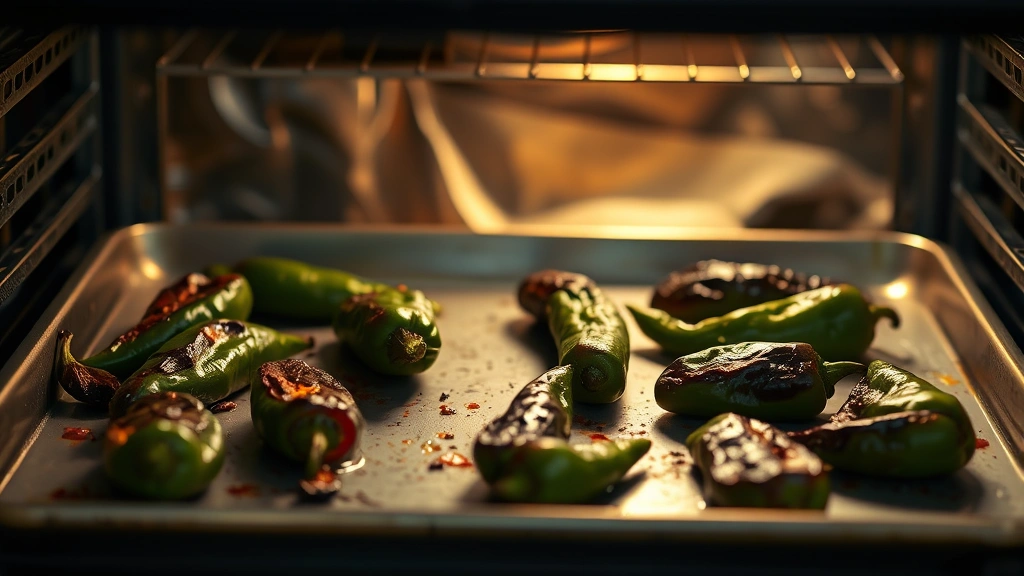
- Place the dried habanero peppers on the prepared baking sheet and spread them out in a single layer. Roast them in the preheated oven for 12-15 minutes, stirring halfway through, until the skins are blistered and slightly charred.
This roasting step is crucial—it develops deeper, sweeter flavors in the peppers and removes some of the raw heat while adding complexity.
- Remove the baking sheet from the oven and let the roasted peppers cool for about 5 minutes until they’re cool enough to handle.
- Once cooled, place the roasted habanero peppers into a blender or food processor. Add the peeled garlic cloves, vinegar, honey, sea salt, and black pepper.
- Blend on high speed until the mixture is completely smooth and uniform in texture. This should take about 1-2 minutes, depending on your blender’s power.
If the sauce seems too thick, add the water a tablespoon at a time until you reach your desired consistency. Remember that the sauce will continue to break down slightly as it sits, so don’t make it too thin initially.
- Add the fresh lime juice and blend again briefly to incorporate it fully. The lime juice brightens the sauce and adds a pleasant citrus note that balances the heat.
- If using optional spices, add the cumin and coriander now and blend briefly until well combined. These additions add subtle depth without overpowering the habanero flavor.
- Taste the sauce and adjust seasonings as needed. If you want it hotter, leave it as is or add more roasted habaneros. If you want to mellow the heat slightly, add more honey or a splash of water.
- Pour the hot sauce through a fine-mesh strainer into a clean bowl if you prefer a smoother, more refined texture. Use the back of a spoon to press the sauce through the strainer, which removes seeds and skin pieces.
- Transfer your finished habanero hot sauce to clean glass jars or bottles with tight-fitting lids.
- Store the sauce in the refrigerator, where it will keep for up to 4 weeks. For longer storage, consider freezing portions in ice cube trays or canning using proper preservation methods.
Pro Tips
- Pepper Safety: Habanero peppers contain capsaicin, which can irritate your skin and eyes. Wear gloves while handling them, avoid touching your face, and consider working in a well-ventilated area. If you have sensitive skin, wear both gloves and consider using a face mask while roasting or blending.
- Heat Level Adjustment: The heat of habanero peppers varies depending on growing conditions and ripeness. Yellow habaneros tend to be slightly milder than orange or red ones. If you want a milder sauce, remove some seeds and white membrane before roasting, as these contain the most capsaicin. For extreme heat lovers, add a few ghost peppers or Carolina Reapers to the mix.
- Roasting vs. Raw: While raw habanero sauce is possible, roasting the peppers first creates a much more complex, balanced flavor. The roasting process caramelizes natural sugars and mellows the raw pepper bite, making the final sauce more sophisticated and easier to enjoy.
- Vinegar Selection: White vinegar creates a clean, sharp sauce, while apple cider vinegar adds subtle fruity notes. Red wine vinegar works beautifully too if you want deeper, more sophisticated flavors. Experiment to find your preferred profile.
- Sweetener Options: Honey adds floral notes and rounds out the heat, but agave nectar, brown sugar, or maple syrup work equally well. Adjust quantities based on personal preference and how spicy your batch turns out.
- Storage and Preservation: This sauce keeps refrigerated for 3-4 weeks. For longer shelf storage, follow proper canning procedures or freeze in ice cube trays for convenient portions. Frozen sauce cubes work wonderfully in soups, stews, and marinades.
- Consistency: Some people prefer a thinner, pourable sauce while others like it thick enough to cling to food. Start with ¼ cup water and adjust gradually until you achieve your desired consistency. You can always thin it later but can’t thicken it without starting over.
- Flavor Pairings: This habanero sauce complements Caribbean, Mexican, and Asian cuisines beautifully. Use it in marinades, as a finishing sauce, mixed into mayo for spicy spreads, or drizzled over grilled proteins.
- Make-Ahead Tip: You can roast the peppers and garlic ahead of time, storing them in the refrigerator for up to 3 days before blending. This makes the final assembly incredibly quick on busy days.
- Batch Making: This recipe doubles and triples beautifully. Making larger batches ensures you always have some on hand and is perfect for gift-giving to fellow spice enthusiasts.