
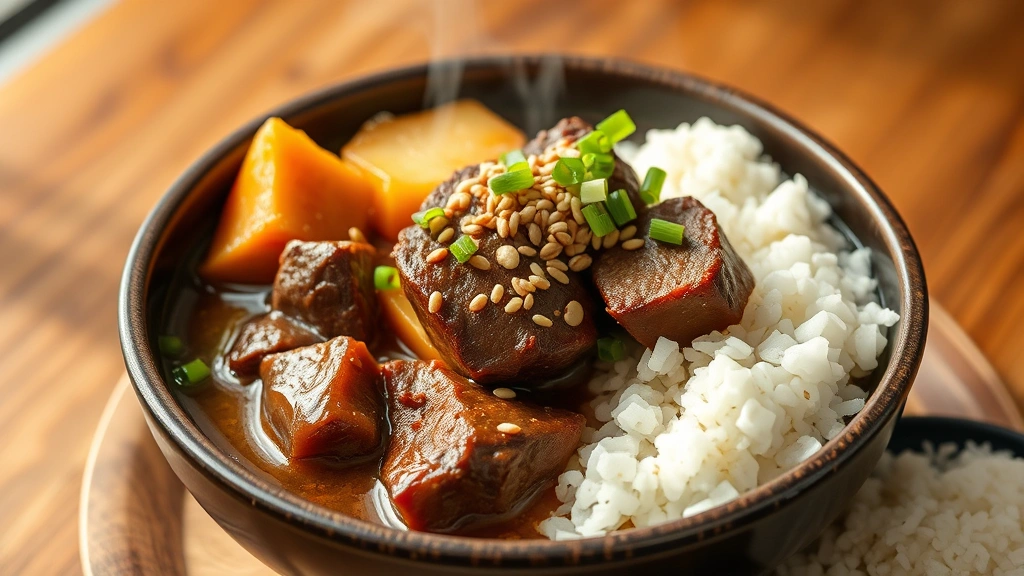
Galbitang is a beloved Korean beef short rib soup that’s hearty, aromatic, and absolutely soul-warming. This traditional dish combines tender braised beef short ribs with vegetables in a savory broth infused with soy sauce, garlic, and sesame. Perfect for family dinners or when you’re craving authentic Korean comfort food, galbitang comes together beautifully in one pot.
What makes this galbitang recipe so special is its simplicity paired with deep, complex flavors. The beef short ribs become incredibly tender after simmering in the broth, while the vegetables absorb all those delicious savory notes. Unlike lighter soups, galbitang is meant to be substantial and satisfying—it’s the kind of dish that fills you up and warms you from the inside out.
The beauty of making galbitang at home is that you control every element. You can adjust the seasoning to your preference, add extra vegetables, or even customize the broth intensity. Many Korean families have their own version passed down through generations, and this recipe represents a classic, approachable method that delivers restaurant-quality results in your own kitchen.
This galbitang recipe serves as a perfect foundation for exploring Korean cuisine. Once you master the basic technique, you’ll find yourself making it regularly. Serve it alongside steamed rice, and consider pairing it with pickled red onions for a bright contrast. For a complete Korean meal experience, add fresh vegetable sides to balance the richness.
If you enjoy Korean soups and stews, you’ll absolutely love galbitang. The combination of tender meat and flavorful broth is reminiscent of other beloved dishes, though galbitang has its own distinctive character. The technique of browning the meat before simmering creates a deeper flavor profile, similar to how we develop flavors in other slow-cooked dishes. Check out this simple pepper recipe for a quick side dish that pairs wonderfully with galbitang.
Making galbitang from scratch might seem intimidating, but it’s genuinely straightforward. The ingredient list is manageable, and most items are pantry staples or easily found at any grocery store. The hands-on time is minimal—mostly you’re letting the soup simmer while you relax. This is perfect for meal prep, as galbitang tastes even better the next day when flavors have melded together beautifully.
For more insights into Korean cooking techniques and flavor combinations, Serious Eats offers excellent guides to Asian cuisines. You can also explore Bon Appétit’s collection of global soups for inspiration on serving and presentation. The New York Times Cooking section frequently features Korean recipes that can complement your galbitang repertoire.
Whether you’re cooking for yourself, your family, or impressing guests with authentic Korean cuisine, this galbitang recipe delivers. It’s approachable enough for weeknight dinners yet impressive enough for entertaining. The aroma alone will have everyone excited for dinner, and the first spoonful will convince you that homemade galbitang is worth making again and again.
Ingredients
- 2 pounds beef short ribs (galbi), cut into 2-3 inch pieces
- 8 cups beef or water
- 1/4 cup soy sauce
- 4 cloves garlic, minced
- 1 tablespoon sesame oil
- 1 teaspoon gochugaru (Korean red chili flakes), optional
- 1 small onion, quartered
- 3 medium potatoes, cut into chunks
- 2 medium carrots, cut into chunks
- 1 small daikon radish, cut into chunks
- 3 green onions, cut into 2-inch pieces
- 1 tablespoon sugar
- 1 teaspoon salt, or to taste
- Black pepper to taste
- 2 tablespoons sesame seeds for garnish
- Fresh cilantro or green onion for garnish, optional
Instructions
- Rinse the beef short ribs thoroughly under cold water and pat dry with paper towels. This removes excess blood and surface impurities.
- Bring a large pot of water to boil and add the beef short ribs. Blanch for 3-4 minutes, then drain and rinse the ribs under cold water. This parboiling step removes impurities and creates a cleaner broth.
- Heat a large heavy-bottomed pot or Dutch oven over medium-high heat. Add the sesame oil and let it shimmer.
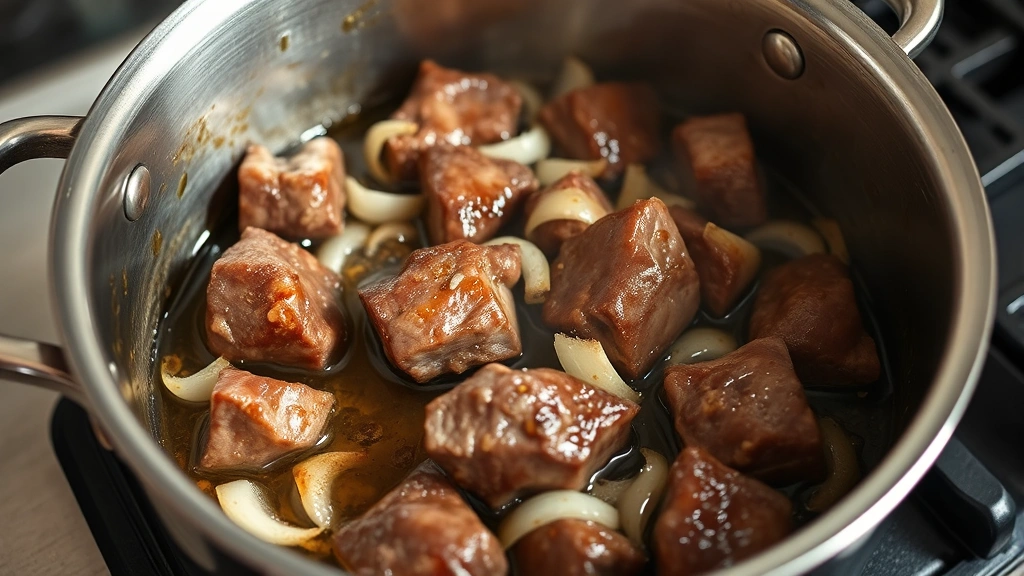
- Working in batches, brown the beef short ribs on all sides, about 2-3 minutes per side. Don’t overcrowd the pot. Transfer browned ribs to a plate.
- Add the quartered onion to the pot and sauté until lightly golden, about 2 minutes. This builds additional flavor foundation.
- Return all the browned beef short ribs to the pot. Add 8 cups of beef broth or water.
- Add the minced garlic, soy sauce, sugar, and gochugaru if using. Stir well to combine.
Bring to a boil, then reduce heat to medium-low. Simmer uncovered for 30 minutes, skimming any foam that rises to the surface with a spoon.
- Add the potatoes, carrots, and daikon radish chunks to the pot. Stir to combine.
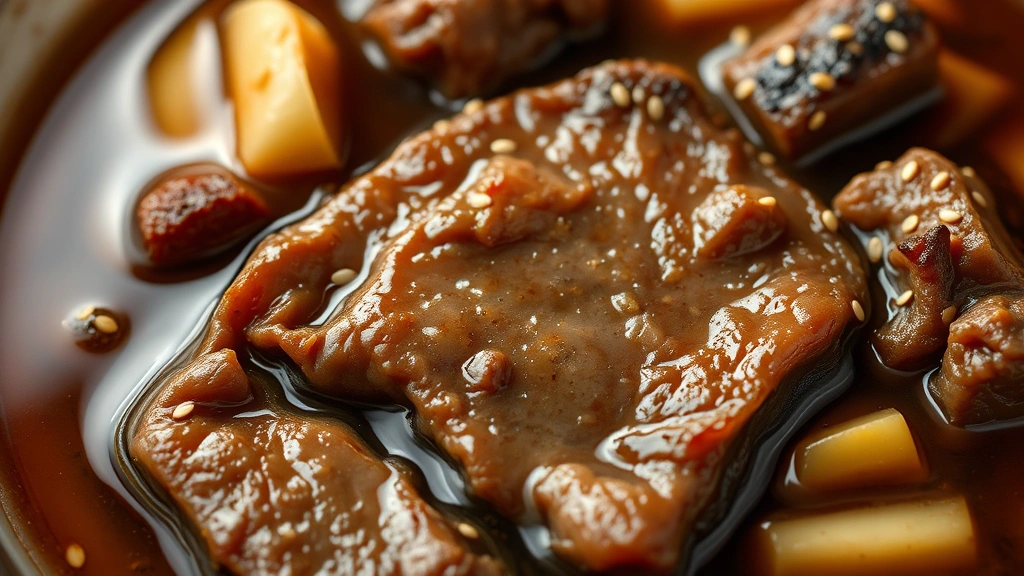
- Continue simmering for another 30-40 minutes until the beef is very tender and vegetables are cooked through. You should be able to easily pierce the beef with a fork.
- Add the green onion pieces and stir. Taste the broth and adjust seasoning with salt and black pepper as needed.
- Simmer for another 5 minutes to let the green onions soften slightly and flavors meld.
- Ladle the galbitang into serving bowls, ensuring each bowl has beef, vegetables, and broth.
- Garnish with sesame seeds and fresh cilantro or additional green onions if desired.
- Serve immediately with steamed white rice on the side.
Pro Tips
- **Beef Selection**: Look for bone-in beef short ribs (galbi in Korean markets) for the best flavor and texture. If unavailable, beef chuck or brisket work as substitutes, though the result differs slightly. The bones add crucial collagen that enriches the broth.
- **Broth Clarity**: The blanching step is essential for achieving a clear, clean-tasting broth. Don’t skip this step if you want restaurant-quality results. The foam that rises during initial simmering should be skimmed regularly.
- **Vegetable Variations**: While this recipe uses traditional vegetables, you can customize based on preferences or availability. Add mushrooms, cabbage, or zucchini if desired. Some families include ginseng for extra depth.
- **Gochugaru Addition**: The Korean red chili flakes add subtle heat and color. Start with a smaller amount and adjust to your spice tolerance. This ingredient is optional but recommended for authentic flavor.
- **Make-Ahead Instructions**: Galbitang actually tastes better the next day as flavors deepen and meld. Cool completely, refrigerate up to 3 days, or freeze up to 2 months. Reheat gently on the stovetop, adding water if the broth has reduced too much.
- **Serving Suggestions**: Always serve with steamed white rice. Koreans often pair galbitang with banchan (side dishes) like pickled vegetables, kimchi, or seasoned greens. A cold beverage like barley tea or sikhye complements the warm, savory soup perfectly.
- **Sesame Oil Quality**: Using good-quality sesame oil makes a noticeable difference. It should smell nutty and aromatic. Avoid cooking with it at high temperatures; add it near the end or use it for browning at medium heat.
- **Cooking Time**: Don’t rush the simmering process. The longer the short ribs cook, the more tender and flavorful they become. If ribs aren’t tender after 60 minutes, continue simmering until they reach your desired tenderness.
- **Salt Levels**: Soy sauce is already salty, so taste before adding additional salt. You can always add more, but you can’t remove it. Adjust seasoning gradually.
- **Daikon Radish**: Also called mooli, this vegetable is essential in traditional galbitang. It absorbs the savory broth beautifully and adds a subtle sweetness. Find it in most supermarkets year-round.
- **Leftover Broth**: The remaining broth is liquid gold. Strain it and use as a base for other soups, rice bowls, or to cook grains for extra flavor.