
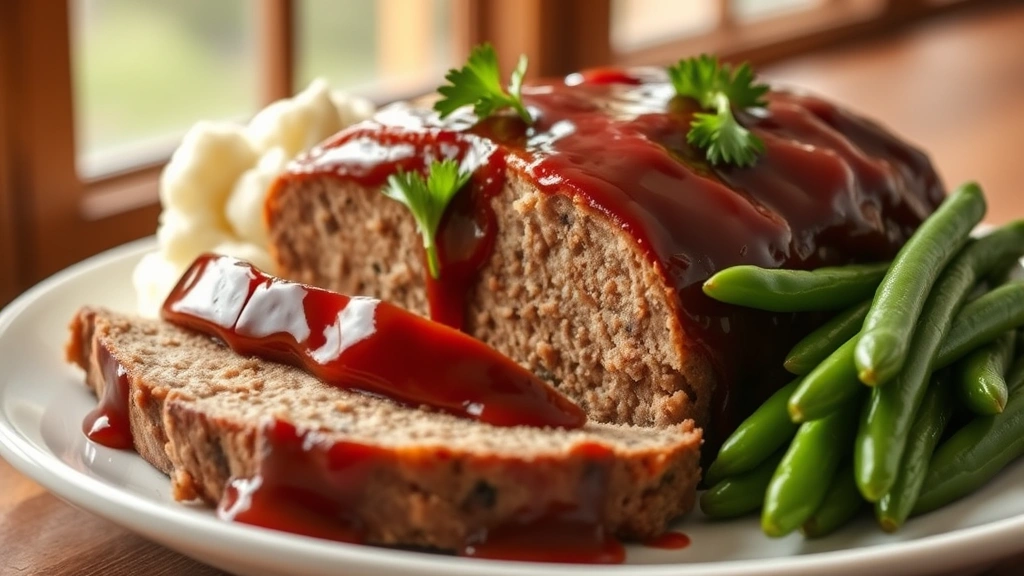
There’s nothing quite like a slice of homemade Southern meatloaf—tender, flavorful, and absolutely comforting. This classic dish has been a staple on Southern dinner tables for generations, and for good reason. Unlike those dense, dry meatloaves you might remember, this recipe creates a moist, savory masterpiece that’ll have your family asking for seconds.
The secret to the best Southern meatloaf lies in understanding the balance of ingredients and technique. We’re talking about a perfect combination of ground beef, aromatic vegetables, and a tangy-sweet glaze that makes all the difference. The key is not overworking the meat mixture—gentle hands create a tender loaf. We’ll also discuss why breadcrumbs soaked in milk (a technique called a panade) are essential for keeping everything moist and tender.
This recipe serves about 8 people and is perfect for Sunday dinner or meal prep. It pairs beautifully with classic sides like creamy mashed potatoes or buttered green beans. If you’re looking to expand your comfort food repertoire, you might also enjoy learning how to make rich, velvety sauces or trying your hand at bacon-forward dishes.
What makes Southern meatloaf different from other regional variations? It’s all about respecting tradition while adding that special touch. Southern cooks know that a good meatloaf should be studded with sautéed vegetables, bound with eggs and breadcrumbs, and crowned with a glossy, caramelized glaze. Some families swear by a bacon wrap, while others prefer a ketchup-based topping. This recipe honors both traditions, giving you the flexibility to choose your favorite finish.
Before we dive into the cooking process, let’s talk about ingredient selection. Use a mixture of ground beef—ideally an 80/20 blend gives you enough fat for moisture without being too greasy. Fresh breadcrumbs work better than panko for this application, as they absorb liquid more effectively. And don’t skip the fresh vegetables—the onions, celery, and bell peppers add incredible depth of flavor.
For more detailed techniques on achieving perfect texture in ground meat dishes, check out Serious Eats’ comprehensive guide to ground meat preparation. You’ll also find valuable insights on glaze development over at Bon Appétit’s meatloaf collection. The New York Times Cooking section offers excellent troubleshooting tips for any issues you might encounter.
Ingredients
- 3 slices white bread, torn into small pieces
- ½ cup whole milk
- 2 pounds ground beef (80/20 blend)
- 1 medium onion, finely diced
- 1 celery stalk, finely diced
- ½ red bell pepper, finely diced
- 3 cloves garlic, minced
- 2 large eggs, beaten
- ½ cup panko breadcrumbs
- ¼ cup fresh parsley, chopped
- 2 tablespoons Worcestershire sauce
- 1 tablespoon Dijon mustard
- 1 teaspoon salt
- ½ teaspoon black pepper
- ½ teaspoon dried thyme
- ¼ teaspoon cayenne pepper
- 6 slices bacon (optional, for wrapping)
- For the glaze: ½ cup ketchup, 3 tablespoons brown sugar, 2 tablespoons apple cider vinegar, 1 tablespoon Worcestershire sauce, 1 teaspoon Dijon mustard
Instructions
- Preheat your oven to 350°F (175°C). Line a 9×5-inch loaf pan with parchment paper or lightly grease it, or alternatively, shape the meatloaf free-form on a rimmed baking sheet lined with foil for a crispier exterior.
- In a small bowl, combine the torn bread pieces with the milk and let them soak for 2-3 minutes until the bread is completely saturated. This mixture, called a panade, is crucial for keeping your meatloaf moist and tender throughout cooking.
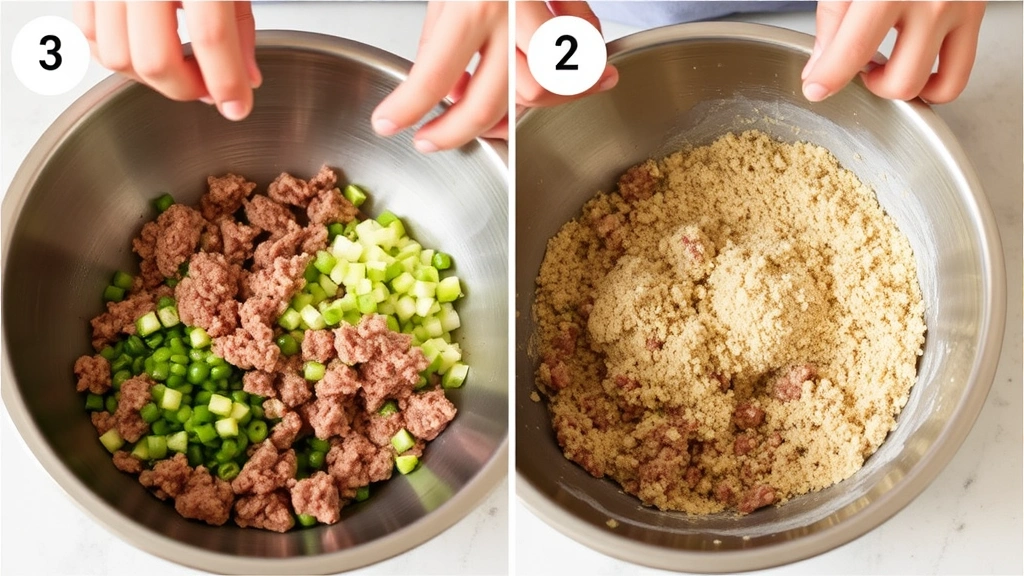
- Heat 1 tablespoon of olive oil in a large skillet over medium heat. Add the diced onion, celery, and bell pepper, and sauté for 5-7 minutes until the vegetables are softened and fragrant. Add the minced garlic in the final minute of cooking. Remove from heat and let cool slightly.
- In a large mixing bowl, combine the ground beef with the cooled vegetable mixture. Add the soaked bread and milk mixture, the beaten eggs, panko breadcrumbs, fresh parsley, Worcestershire sauce, Dijon mustard, salt, black pepper, dried thyme, and cayenne pepper.
- Using your hands (clean hands work best), gently combine all ingredients until just mixed. Do not overmix—this is the most important step for tender meatloaf. Stop as soon as everything is evenly distributed. Overworking develops gluten in the breadcrumbs and makes the meatloaf tough and dense.
- If using bacon, arrange the slices in your prepared pan or on your baking sheet in a slightly overlapping pattern. If not using bacon, simply transfer the meat mixture to the prepared pan or sheet and gently shape it into a loaf form about 4-5 inches wide.
- Press the meat mixture gently into the pan or shape it on the baking sheet. If using bacon, wrap the slices around the meatloaf, tucking the ends underneath. The meatloaf should be compact but not densely packed.
- In a small bowl, whisk together the glaze ingredients: ketchup, brown sugar, apple cider vinegar, Worcestershire sauce, and Dijon mustard. Reserve about ¼ cup of this glaze for the final coating.
- Spread half of the remaining glaze evenly over the top of the meatloaf using a brush or the back of a spoon.
- Place the meatloaf in the preheated oven and bake for 45 minutes. Remove from the oven and brush with the remaining glaze, then return to the oven for another 15 minutes, or until the internal temperature reaches 160°F (71°C) when measured with a meat thermometer inserted into the center.
- Remove the meatloaf from the oven and let it rest for 10 minutes before slicing. This resting period allows the juices to redistribute throughout the meat, ensuring moist, tender slices.
- If you’ve shaped the meatloaf on a baking sheet, carefully transfer it to a cutting board. If you’ve used a loaf pan, run a thin knife around the edges and turn it out onto a serving platter. Slice with a sharp knife using gentle sawing motions to prevent crumbling.
- Serve warm with your favorite sides such as mashed potatoes, roasted vegetables, or a fresh salad. Leftover meatloaf makes excellent sandwiches the next day.
Pro Tips
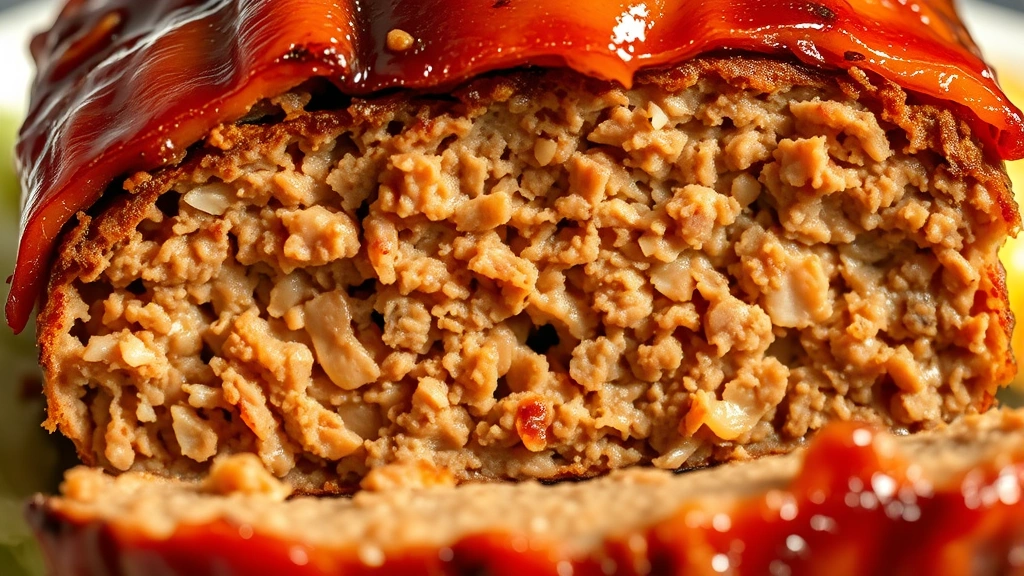
- The panade (bread soaked in milk) is absolutely essential for moisture and texture—never skip this step, even though it might seem unusual
- Use fresh vegetables rather than frozen or canned; they provide better flavor and texture to the final dish
- The 80/20 ground beef ratio is important—too lean and the meatloaf will be dry, too fatty and it’ll be greasy
- Don’t overwork the meat mixture; gentle folding motions are better than aggressive mixing
- The bacon wrap is optional but adds incredible flavor and helps keep the exterior moist during cooking
- For a spicier version, increase the cayenne pepper to ½ teaspoon or add 2 tablespoons of hot sauce to the glaze
- This recipe doubles beautifully; simply use two loaf pans or shape two loaves on a baking sheet, though you may need to add 10-15 minutes to the cooking time
- Leftover meatloaf keeps refrigerated for up to 4 days and freezes well for up to 3 months; reheat gently in a 325°F oven to prevent drying out
- For a sweeter glaze, add 2 tablespoons of honey or maple syrup to the glaze mixture
- The internal temperature of 160°F ensures food safety while keeping the meatloaf juicy; use a meat thermometer for accuracy
- If your meatloaf seems to be browning too quickly on top, cover it loosely with foil for the first 45 minutes of baking
- Fresh herbs like thyme or oregano can be swapped for the dried varieties at a 1:3 ratio (use 1 teaspoon fresh for every ⅓ teaspoon dried)
- Adding a tablespoon of ketchup directly to the meat mixture before baking provides additional depth and moisture
- For individual portions, divide the mixture among a muffin tin and reduce baking time to 25-30 minutes
- The meatloaf will continue to cook slightly during the resting period, so don’t overbake
Pingback: How to make the BEST Lamb Burgers Recipe! So Tasty! – Simple Recipe Finder