
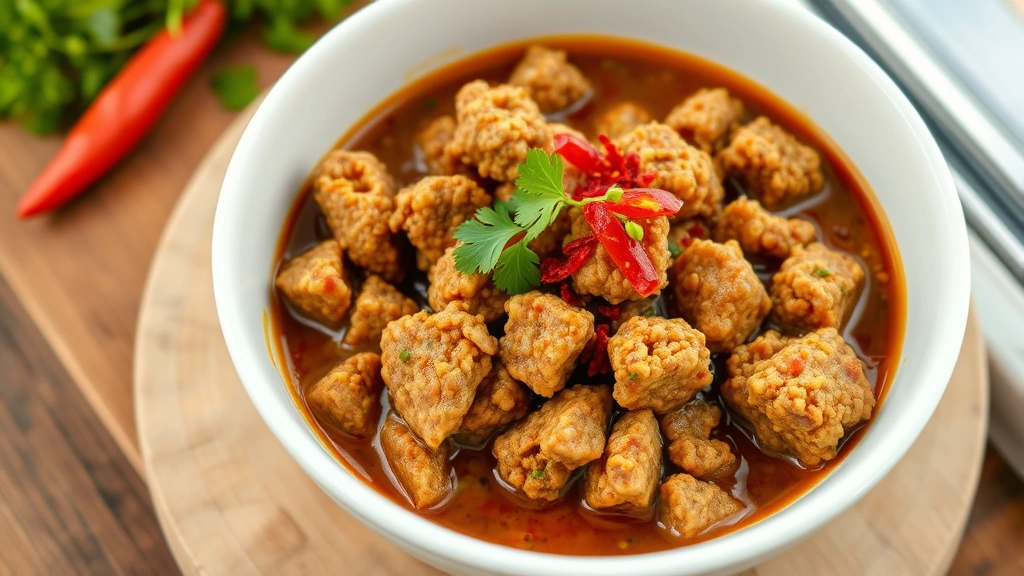
Textured Vegetable Protein (TVP) is a game-changer for anyone looking to create delicious, protein-packed meals without the fuss. This quick and versatile ingredient transforms into something absolutely spectacular when you know the right techniques. Whether you’re a seasoned plant-based cook or just exploring meat alternatives, this recipe will show you how to make TVP that’s tender, flavorful, and absolutely crave-worthy.
TVP is made from soy flour that’s been defatted and processed into small, bite-sized pieces. It’s shelf-stable, budget-friendly, and rehydrates in minutes, making it perfect for weeknight dinners. The key to amazing TVP is proper seasoning and the right cooking method. We’ll walk you through creating a rich, savory base that transforms these humble little pieces into something your whole family will love.
This recipe builds on classic flavor combinations and can be served over pasta, in tacos, over rice, or as a hearty sauce component. I’ve included tips for making this work with your favorite cuisines and suggestions for pairing it with complementary sides. You can also check out my Best Chickpea Salad Recipe for a fresh companion dish.
What makes this recipe special is the combination of umami-rich ingredients that create depth and complexity. We’re using vegetable broth, soy sauce, tomato paste, and garlic to build layers of flavor that make the TVP taste like it’s been simmering for hours. The texture becomes pleasantly chewy and absorbs all these wonderful flavors, creating something that satisfies even the most dedicated meat-eaters.
The beauty of TVP is its flexibility. This base recipe works wonderfully in so many applications. Serve it alongside the Best Heavy Cream Alfredo Sauce Recipe for a rich and creamy pasta, or pile it into tacos with some Easy Pickled Red Onion Recipe for brightness and zing. You can also use this as a base for grain bowls, add it to soups, or incorporate it into Delicious Heavy Cream Pasta Recipe for extra protein.
For more protein-forward cooking inspiration, check out Serious Eats for their vegetarian protein guides. This recipe is adaptable, forgiving, and absolutely delicious. Once you master the basic technique, you’ll find yourself making this again and again. It’s perfect for meal prep, freezes beautifully, and comes together faster than you’d think. Let’s dive into creating something special!
Ingredients
- 1 cup textured vegetable protein (TVP)
- 1 cup vegetable broth, hot
- 2 tablespoons olive oil
- 1 medium onion, finely diced
- 4 cloves garlic, minced
- 3 tablespoons tomato paste
- 2 tablespoons soy sauce or tamari
- 1 tablespoon balsamic vinegar
- 1 teaspoon paprika
- ½ teaspoon dried oregano
- ¼ teaspoon cayenne pepper (optional)
- 1 teaspoon sugar or maple syrup
- Salt and black pepper to taste
- ½ cup diced mushrooms (optional, adds earthiness)
- 1 tablespoon fresh parsley, chopped (for garnish)
- Red pepper flakes (optional, for serving)
Instructions
- Pour the hot vegetable broth directly over the TVP in a bowl and stir well. Let it sit for 5 minutes to fully rehydrate. The TVP will absorb the liquid and become tender and chewy. This step is crucial as it ensures the TVP has the right texture going forward.
- While the TVP is rehydrating, heat olive oil in a large skillet over medium heat. Make sure the oil is shimmering but not smoking.
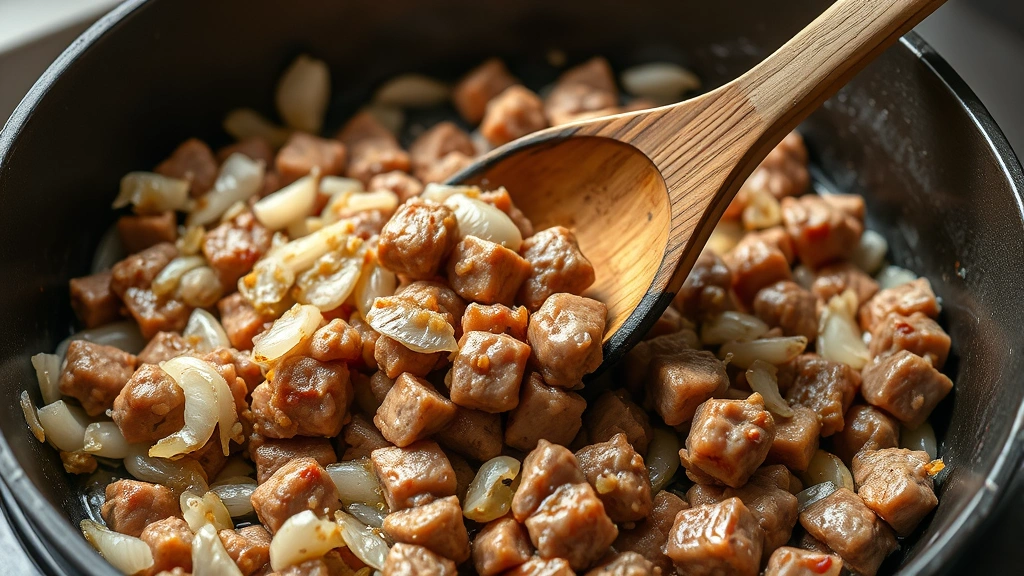
- Add the diced onion to the hot oil and sauté for 3-4 minutes, stirring occasionally, until the onion becomes translucent and starts to soften. This builds the flavor foundation for your dish.
- Add the minced garlic to the skillet and cook for another 1-2 minutes, stirring frequently, until fragrant. Be careful not to let the garlic burn, as it will become bitter.
- Stir in the tomato paste and cook for 1 minute, stirring constantly to coat the onions and garlic. This caramelizes the tomato paste slightly and deepens the flavor.
- Add the rehydrated TVP to the skillet along with any remaining liquid from the bowl. Stir everything together thoroughly to combine.
- Pour in the soy sauce and balsamic vinegar, stirring well to distribute these flavorful liquids throughout the TVP mixture.
- Add the paprika, oregano, cayenne pepper (if using), and sugar. Stir everything together and cook for 2-3 minutes to allow the spices to bloom and the flavors to meld.
- If using mushrooms, add them now and stir to combine. Cook for another 2-3 minutes until the mushrooms begin to release their moisture.
- Taste the mixture and season with salt and black pepper as needed. Remember that the soy sauce already contains salt, so taste before adding more.
- Reduce the heat to medium-low and let the TVP mixture simmer gently for 5-7 minutes, stirring occasionally. This allows the flavors to deepen and the texture to become even more tender and absorb all the seasonings.
- If the mixture seems dry, you can add a splash of vegetable broth or water. If it’s too wet, let it simmer uncovered for a few more minutes to reduce the liquid.
- Remove from heat and taste one final time, adjusting seasonings as needed. The TVP should be tender, flavorful, and have a pleasant chewy texture.
- Garnish with fresh parsley and red pepper flakes if desired. Serve immediately over pasta, rice, grains, or your favorite base.
Pro Tips
- TVP (Textured Vegetable Protein) is made from defatted soy flour and is an excellent source of plant-based protein, containing about 12 grams per ¼ cup serving. It’s also very affordable and shelf-stable, making it perfect for pantry staples.
- The rehydration step is crucial—make sure you’re using hot broth, not cold water, as hot liquid rehydrates TVP more effectively and helps it absorb flavors better. The TVP should become tender and chewy, not mushy.
- This recipe is highly customizable based on your favorite cuisines. For Italian flavors, add fresh basil and increase oregano. For Mexican-inspired versions, add cumin and chili powder. For Asian flavors, add ginger and rice vinegar.
- You can prep the TVP ahead of time by rehydrating it in broth the night before and storing it in the refrigerator. When ready to cook, simply follow the recipe starting from step 2.
- This dish freezes beautifully for up to 3 months. Portion it into containers and thaw overnight in the refrigerator before reheating gently on the stovetop or in the microwave.
- For extra depth of flavor, use a combination of vegetable broths—try mushroom broth, miso broth, or a mix of vegetable and mushroom broth.
- Add vegetables like bell peppers, zucchini, or carrots for more nutrition and texture. Dice them finely and sauté them with the onions before adding the TVP.
- This TVP mixture works wonderfully as a taco filling, pasta sauce, grain bowl base, soup component, or stuffing for vegetables like bell peppers or tomatoes.
- For a creamier version, stir in a splash of coconut milk or cashew cream at the end of cooking. For a brothier sauce, add more vegetable broth.
- Store leftovers in an airtight container in the refrigerator for up to 5 days. Reheat gently on the stovetop, adding a splash of water or broth if needed.
- TVP absorbs flavors wonderfully, so don’t be shy with seasonings. Taste frequently and adjust to your preferences. More garlic, more soy sauce, and more spices are almost always welcome.
- For a smokier flavor profile, add ½ teaspoon of smoked paprika or a pinch of liquid smoke. For more heat, increase the cayenne or add jalapeños.
- This recipe serves 4 as a main course, but yields more if served as a component in tacos, over pasta, or in grain bowls. Adjust portions based on your needs.