
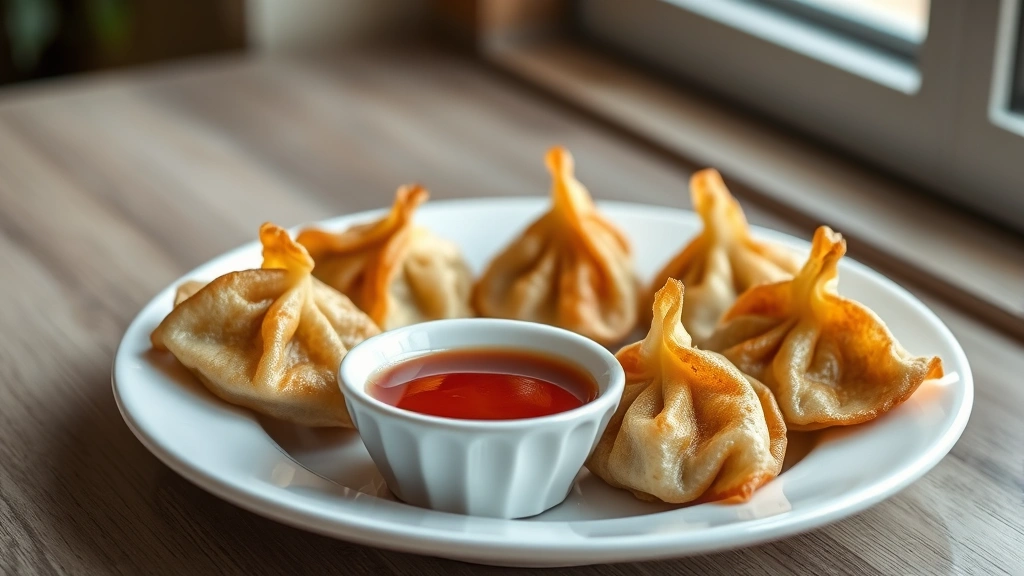
There’s something absolutely magical about homemade Chinese dumplings—those delicate little parcels filled with savory goodness that taste infinitely better than anything you can order for takeout. Whether you’re a dumpling novice or a seasoned pro, this comprehensive guide will walk you through every step of creating restaurant-quality dumplings right in your own kitchen.
Making dumplings is truly an art form that combines technique, patience, and a touch of love. The beauty of this recipe lies not just in the final product, but in the meditative process of folding each dumpling by hand. While it may seem intimidating at first, I promise that once you master the basic technique, you’ll find yourself making batch after batch for family gatherings, meal prep, and those moments when you’re craving authentic Chinese comfort food.
What makes homemade dumplings so special is the ability to control every ingredient and customize the filling to your exact preferences. From the tender, chewy wrapper to the juicy, flavorful filling, every component is crafted with care. This recipe yields beautifully textured dumplings that boast a perfect balance of pork, vegetables, and aromatic seasonings. You can serve them steamed, pan-fried, or boiled, depending on your mood and occasion.
I’ve learned these dumpling-making techniques from years of experimentation and from watching traditional dumpling masters work their craft. The key to success is understanding the importance of proper dough hydration, quality ingredients, and the correct folding technique. Once you nail these fundamentals, you’ll have a skill that impresses everyone at your table. Consider pairing your dumplings with our Easy Pickled Red Onion Recipe for a delightful contrast of flavors, or enjoy them alongside a fresh Best Chickpea Salad Recipe for a complete meal.
For those interested in exploring other dumpling variations and techniques, Serious Eats offers excellent potsticker guidance, while Bon Appétit features traditional pork and chive dumplings. For detailed dumpling folding techniques, The New York Times provides step-by-step dumpling instructions.
Ingredients
- 2 cups all-purpose flour, plus extra for dusting
- 3/4 cup boiling water
- 1/4 cup cold water
- 1/2 pound ground pork (or ground chicken for lighter option)
- 2 cups finely chopped napa cabbage
- 3 green onions, finely minced
- 2 tablespoons soy sauce
- 1 tablespoon sesame oil
- 1 tablespoon rice wine or dry sherry
- 1 teaspoon grated fresh ginger
- 2 cloves garlic, minced
- 1 teaspoon cornstarch
- 1/2 teaspoon white pepper
- 1/4 teaspoon salt
- 1 tablespoon vegetable oil for pan-frying (optional)
- Water for sealing dumplings
Instructions
- Begin by making the dumpling dough: Combine 2 cups of all-purpose flour in a large mixing bowl. Create a well in the center of the flour mound, similar to how you’d make pasta dough. Slowly pour the 3/4 cup of boiling water into the well while using chopsticks or a wooden spoon to gradually incorporate the flour.
- Continue mixing until the dough becomes shaggy and too hot to handle with your hands. Let it cool for 2-3 minutes until it’s warm but manageable. Once cooled slightly, begin kneading the dough with your hands, incorporating any remaining flour from the bowl.
- Add the 1/4 cup of cold water gradually while kneading, a tablespoon at a time, until the dough becomes smooth and slightly elastic. The dough should be softer than pasta dough but not sticky. Knead for 8-10 minutes until the dough is supple and smooth.
- Form the dough into a ball, cover it with a damp kitchen towel, and let it rest at room temperature for at least 15 minutes. This resting period allows the gluten to relax, making the dough easier to roll out and fold. You can prepare the filling while the dough rests.
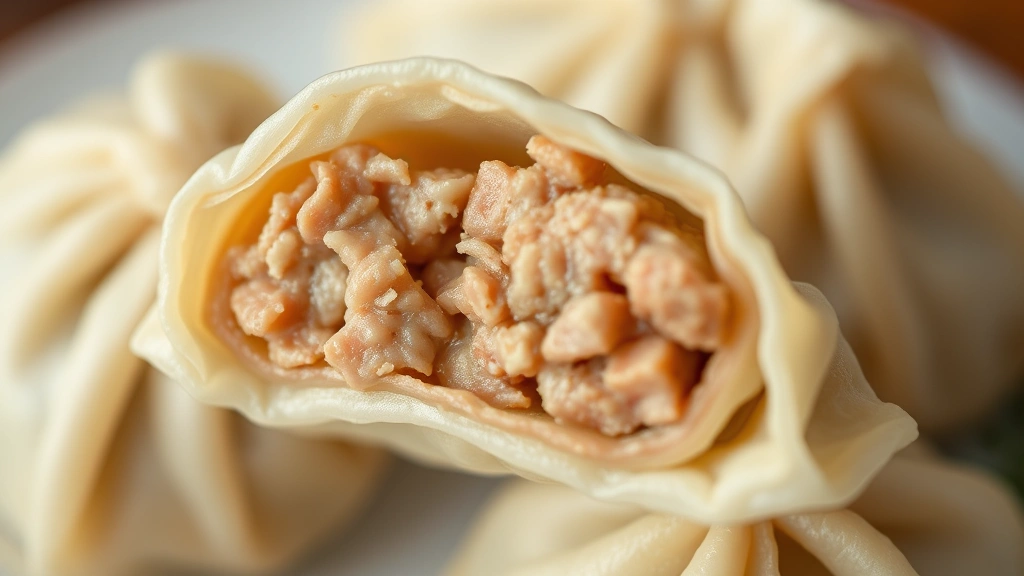
- For the filling, place the ground pork in a large mixing bowl. Add the soy sauce, sesame oil, rice wine, grated ginger, minced garlic, cornstarch, white pepper, and salt. Mix these ingredients together until well combined, then set aside.
- In a separate small bowl, combine the finely chopped napa cabbage with the minced green onions. Let this mixture sit for 2-3 minutes to allow the cabbage to release some of its moisture. Gently squeeze out excess liquid from the cabbage mixture with your hands, then add it to the pork mixture.
- Stir the cabbage and green onion mixture into the pork filling until all ingredients are evenly distributed and the filling is cohesive. Taste the filling and adjust seasonings as needed, keeping in mind that the flavors will be concentrated in the dumplings.
- After the dough has rested, divide it into 24-30 equal portions by cutting it into quarters, then cutting each quarter into 6-7 pieces. Roll each piece into a small ball between your palms.
- Lightly dust your work surface with flour. Take one dough ball and, using a rolling pin or your fingers, flatten it into a circle about 2.5-3 inches in diameter. The edges should be slightly thinner than the center to create a natural seal when folded.
- Place approximately 1 teaspoon of filling in the center of each wrapper. Too much filling will make the dumplings difficult to seal and may cause them to burst during cooking. Be precise with this measurement for consistent results.
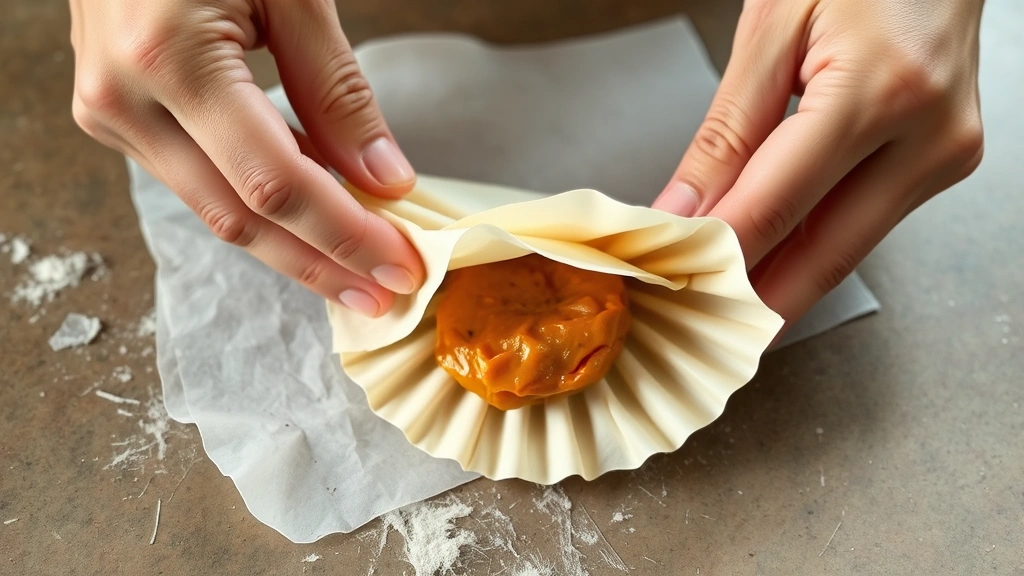
- Wet your finger with water and run it along the outer edge of the wrapper to create a seal. Fold the wrapper in half to create a half-moon shape, pinching the center point firmly to seal.
- To create the traditional crimped edge, hold the dumpling in one hand with the sealed edge facing you. Using your other hand, create small pleats along the sealed edge by pinching and folding the dough toward the center. Make 4-5 pleats on each side, creating an elegant curved pattern.
- Place each finished dumpling on a parchment paper square or a sheet pan dusted with cornstarch to prevent sticking. Do not stack dumplings directly on top of each other, as they will stick together.
- To steam the dumplings: Fill a wok or large pot with water and bring it to a boil. Place a bamboo steamer basket or metal steamer insert over the boiling water. Arrange dumplings in the steamer basket with space between each one, and steam for 8-10 minutes until the wrappers become translucent and slightly glossy.
- To pan-fry the dumplings for a crispy exterior: Heat 1 tablespoon of vegetable oil in a large non-stick skillet over medium-high heat. Place dumplings flat-side down in the hot oil and cook for 2-3 minutes until the bottoms are golden and crispy. Add 1/4 cup of water to the pan, cover immediately with a lid, and steam for 6-7 minutes until the water has mostly evaporated.
- Remove the lid, stir gently if needed to prevent sticking, and cook for another 1-2 minutes to re-crisp the bottoms if desired. Transfer the dumplings to a serving platter and keep warm.
- To boil the dumplings: Bring a large pot of water to a rolling boil. Carefully add the dumplings one at a time to prevent sticking. Stir gently to ensure they don’t stick to the bottom. Once they float to the surface, continue boiling for 2-3 minutes after they rise, then remove with a slotted spoon.
- Serve your homemade Chinese dumplings immediately while they’re warm and tender. Arrange them on a serving platter and accompany with dipping sauces of your choice, such as soy sauce, rice vinegar, chili oil, or a combination thereof.
Pro Tips
- Making dumplings is best done as a multi-step process: prepare your dough and filling separately, then assemble when both are ready. This prevents the dough from drying out while you’re preparing other components.
- The dough consistency is crucial—it should be soft and pliable but not sticky. If your dough is too dry, add water one teaspoon at a time; if too wet, dust with additional flour.
- Don’t rush the dough resting period. This allows gluten development and makes the dough much easier to roll out and fold without tearing.
- For the filling, ensure your cabbage is finely chopped and excess moisture is removed to prevent soggy dumplings. Some cooks salt the cabbage first to draw out moisture, then rinse and squeeze before using.
- You can prepare dumplings ahead of time and freeze them on a sheet pan before transferring to freezer bags. Frozen dumplings can be cooked directly without thawing—simply add 2-3 extra minutes to cooking times.
- The traditional dumpling fold with crimped edges is beautiful but requires practice. If you’re a beginner, simple half-moon shapes work equally well and taste just as delicious.
- Different cooking methods yield different textures: steamed dumplings are tender and delicate, pan-fried offers a crispy bottom, and boiled provides a chewy, tender wrapper. Choose based on your preference.
- Make your own dipping sauce by combining soy sauce, rice vinegar, sesame oil, and a touch of chili oil or fresh ginger for an elevated dining experience.
- These dumplings pair beautifully with light appetizers and side dishes that won’t overwhelm the delicate dumpling flavors.
- Store leftover cooked dumplings in an airtight container in the refrigerator for up to 3 days, reheating gently by steaming or pan-frying.