
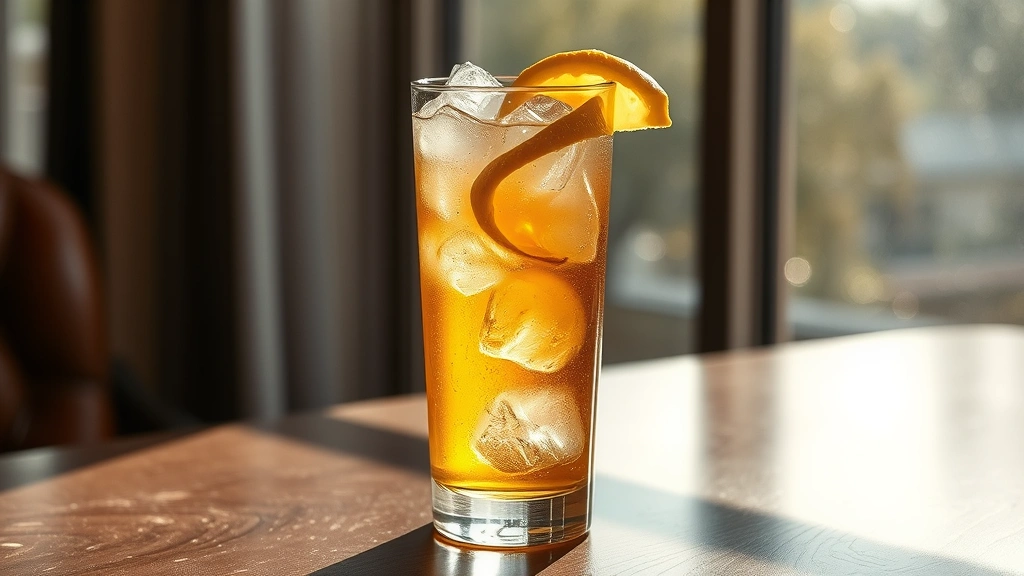
A highball is the ultimate classic cocktail—refreshing, sophisticated, and impossibly easy to make at home. This timeless drink combines spirit with a mixer in a tall glass over ice, creating the perfect balance of flavor and simplicity. Whether you’re hosting a dinner party or enjoying a quiet evening, mastering the highball drink recipe is essential for any home bartender.
The beauty of a highball lies in its versatility and elegance. Unlike complicated cocktails that require multiple ingredients and precise measurements, the highball celebrates the quality of its core components. The spirit shines through, whether you choose whiskey, gin, vodka, or rum, while the mixer enhances rather than masks its character. This is why selecting premium spirits and quality mixers makes such a difference in your final result.
The history of the highball dates back to the late 19th century, when it became a favorite among sophisticated drinkers who appreciated its straightforward approach. The drink gained popularity during the golden age of cocktails and remains a staple in bars worldwide. What makes this recipe so enduring is its adaptability—you can customize it to your preferences by changing the spirit or mixer while maintaining the fundamental structure.
When crafting your highball, temperature and dilution are crucial elements often overlooked by casual drinkers. The ice serves a dual purpose: it chills the drink to the perfect temperature while slowly melting to create ideal dilution. This is why using quality ice and a proper glass matters significantly. A tall highball glass allows room for ice and mixer while maintaining the drink’s proportions.
The best highballs start with fresh, high-quality ingredients. Your choice of spirit should be one you enjoy drinking on its own, as it will be the dominant flavor. The mixer—whether it’s ginger ale, club soda, tonic water, or cola—should complement your chosen spirit. For instance, bourbon pairs beautifully with ginger ale, creating a classic and warming combination. Pair these tips with our Best Chickpea Salad Recipe for the perfect entertaining spread.
Mastering the highball also means understanding the importance of technique. The order in which you build your drink matters—adding ice first prevents dilution before the spirit hits the glass, while pouring the mixer last allows for better integration of flavors. Some prefer a gentle stir to combine ingredients, while others simply top with the mixer and enjoy the natural blending that occurs.
One often-underestimated element is garnish. A simple lemon or lime twist, a cherry, or even a sprig of fresh mint can elevate your highball from ordinary to extraordinary. The garnish isn’t merely decorative; it adds aromatic notes and visual appeal that enhance the drinking experience. Fresh citrus is always preferable to bottled juice, as it provides bright, vibrant flavors that make a noticeable difference.
Experiment with different spirits and mixers to discover your personal favorite combination. A vodka highball with cranberry juice offers fruity sweetness, while a rum highball with cola provides nostalgic comfort. The gin and tonic is perhaps the most famous highball variation, known for its botanical complexity and refreshing nature. Each combination tells a different story and suits different occasions.
For those interested in expanding their cocktail repertoire, understanding the highball is foundational. It teaches proper technique, ingredient quality awareness, and the importance of balance. Once you master this recipe, you’ll find it easier to appreciate and create other classic cocktails. Check out our Best Shishito Peppers Recipe for an excellent appetizer to serve alongside.
Temperature control is another secret to the perfect highball. Many home bartenders make the mistake of using warm spirits or room-temperature mixers. Chilling your glasses beforehand and using ice that’s as cold as possible ensures your drink reaches the ideal serving temperature. Some enthusiasts even freeze their spirits slightly for maximum chill without over-dilution.
The proportions of a highball typically follow a 1:2 or 1:3 ratio of spirit to mixer, though personal preference ultimately guides your choice. Some prefer stronger drinks with less mixer, while others enjoy a lighter touch. The beauty of making cocktails at home is the freedom to adjust ratios to suit your palate. Start with the classic proportions and adjust from there to find your perfect balance.
When entertaining guests, the highball is an excellent choice because it’s quick to prepare, universally appreciated, and allows for easy customization. You can set up a simple highball bar with a few quality spirits and mixers, letting guests build their own drinks. This interactive approach adds an element of fun to any gathering while ensuring everyone gets exactly what they want.
For an elegant presentation, invest in proper glassware. A tall highball glass—typically 8 to 10 ounces—is traditional and allows for the perfect ratio of ingredients to ice. The glass’s height also provides an excellent canvas for garnish presentation and makes the drink look as good as it tastes. Quality glassware elevates the entire drinking experience and shows your guests that you’ve put thought into their cocktails.
Pairing your highball with appetizers requires consideration of flavor profiles. The Perfect Pickled Red Onions Recipe provides tangy, bracing notes that complement spirit-forward drinks beautifully. Consider what flavors will enhance rather than compete with your chosen highball variation.
Understanding the science behind cocktail making enhances your appreciation and execution. Spirits contain congeners—compounds that affect taste and how the body processes alcohol. Mixers interact with these compounds, creating complex flavor profiles that evolve as you sip. Temperature affects how your palate perceives flavors, which is why properly chilled drinks taste better than room-temperature ones.
For more sophisticated entertaining, explore premium spirits and artisanal mixers. Small-batch tonic waters, craft sodas, and rare spirits can transform your highball into something truly special. These ingredients cost more but provide superior flavor and a memorable drinking experience that justifies the investment.
Learn more about cocktail fundamentals from Bon Appétit, which offers excellent bartending guides. For scientific cocktail approaches, Serious Eats provides detailed breakdowns of technique. For classic cocktail recipes and variations, New York Times Cooking features expert recommendations and historical context.
The highball represents the intersection of simplicity and sophistication—a drink that appears effortless but rewards attention to detail. By understanding ingredient quality, proper technique, and flavor balance, you’ll create highballs that impress even the most discerning guests. This timeless recipe deserves a permanent place in your cocktail repertoire, ready to be adapted and enjoyed across any season or occasion.
Ingredients
- 2 ounces premium whiskey, gin, vodka, or rum (your choice of spirit)
- 4-6 ounces quality mixer (ginger ale, club soda, tonic water, cola, or ginger beer)
- Ice cubes (preferably large or crystal clear)
- Lemon twist, lime wheel, or cherry for garnish
- Optional: fresh mint sprig or additional citrus for presentation
Instructions
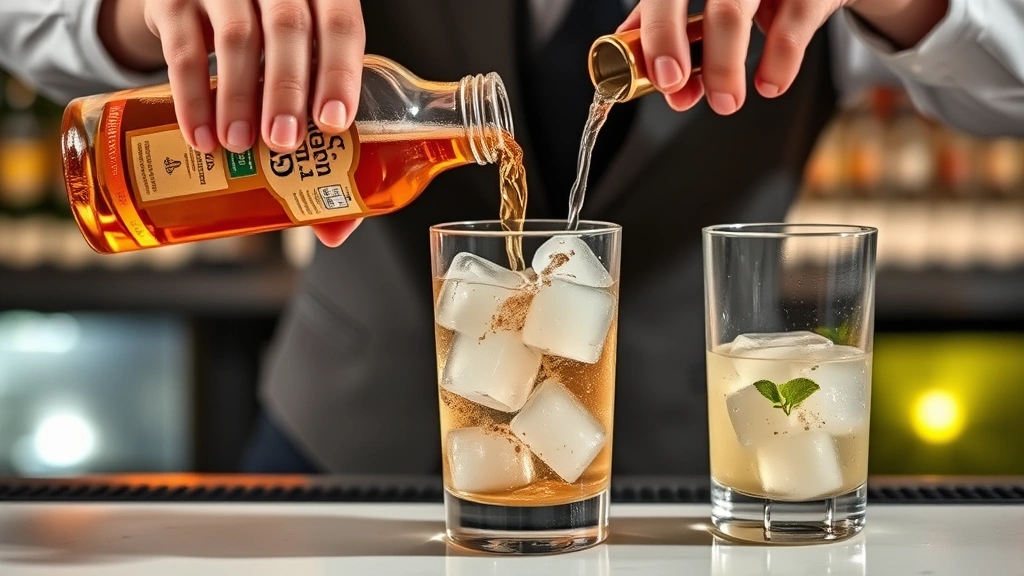
- Fill a tall highball glass with ice cubes, ensuring the glass is completely full for optimal chilling and dilution.
- Pour your chosen spirit directly over the ice—this is typically 2 ounces for a standard highball, though you can adjust to taste.
- Top with your selected mixer, pouring slowly to allow proper integration of flavors; use 4-6 ounces depending on your preferred strength and ratio.
- Gently stir the drink with a bar spoon for about 10-15 seconds to combine the spirit and mixer while maintaining temperature.
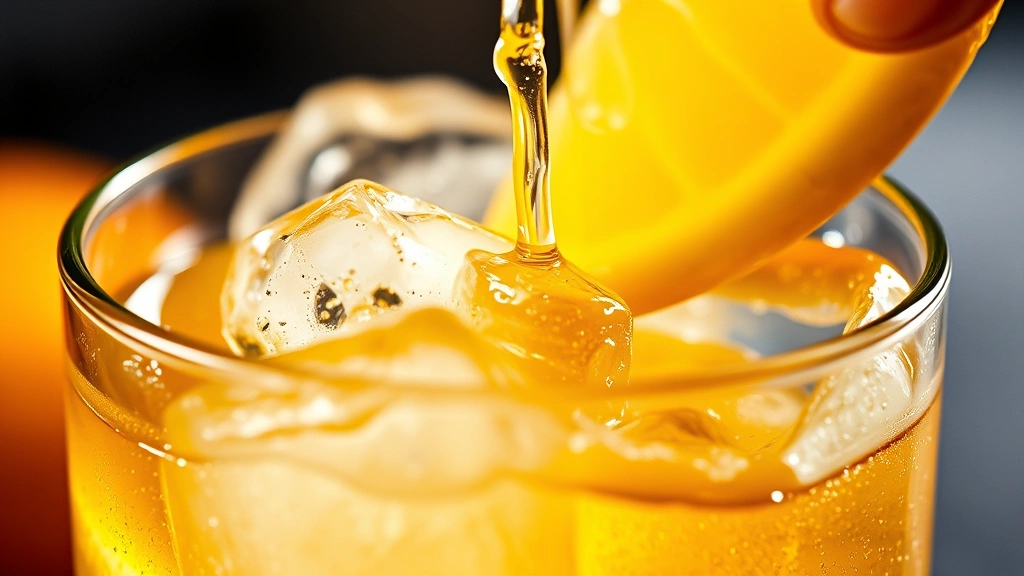
- Express the oils from a lemon twist over the drink by twisting it over the surface, then drop it into the glass as garnish.
- Serve immediately while the drink is properly chilled, and enjoy your perfectly crafted highball.
Pro Tips
- The 1:2 to 1:3 ratio of spirit to mixer is the classic highball proportion, but adjust based on personal preference—some prefer stronger drinks with less mixer, while others enjoy a lighter touch.
- Quality ice is essential; large cubes or crystal-clear ice melt more slowly than standard ice, providing better temperature control and less over-dilution.
- Always chill your glassware before serving by filling it with ice water while you gather ingredients, then discard the water just before building your drink.
- The type of spirit dramatically changes the drink’s character—whiskey creates warmth, gin offers botanicals, vodka provides neutrality, and rum adds tropical sweetness.
- Mixer selection is equally important; premium tonic waters, craft sodas, and artisanal ginger ales elevate the entire drinking experience compared to standard versions.
- Fresh citrus garnishes add aromatic complexity—the oils from lemon, lime, or grapefruit peels enhance the nose and palate as you drink.
- Temperature is crucial; both the spirit and mixer should be chilled before combining, and the glass should be icy cold when serving.
- Popular highball variations include Whiskey & Ginger (whiskey with ginger ale), Gin & Tonic (gin with tonic water), Rum & Cola (rum with cola), and Vodka Cranberry (vodka with cranberry juice).
- The order of construction matters—add ice first, then spirit, then mixer to prevent premature dilution and ensure proper flavor integration.
- For entertaining, set up a simple highball bar with 2-3 quality spirits and 3-4 mixer options, allowing guests to customize their drinks.
- Crystal-clear or large format ice is worth the investment for home bars, as it looks more professional and affects both appearance and taste.
- Some drinkers prefer no garnish for a cleaner presentation, while others enjoy elaborate garnishes; both approaches are equally valid.